


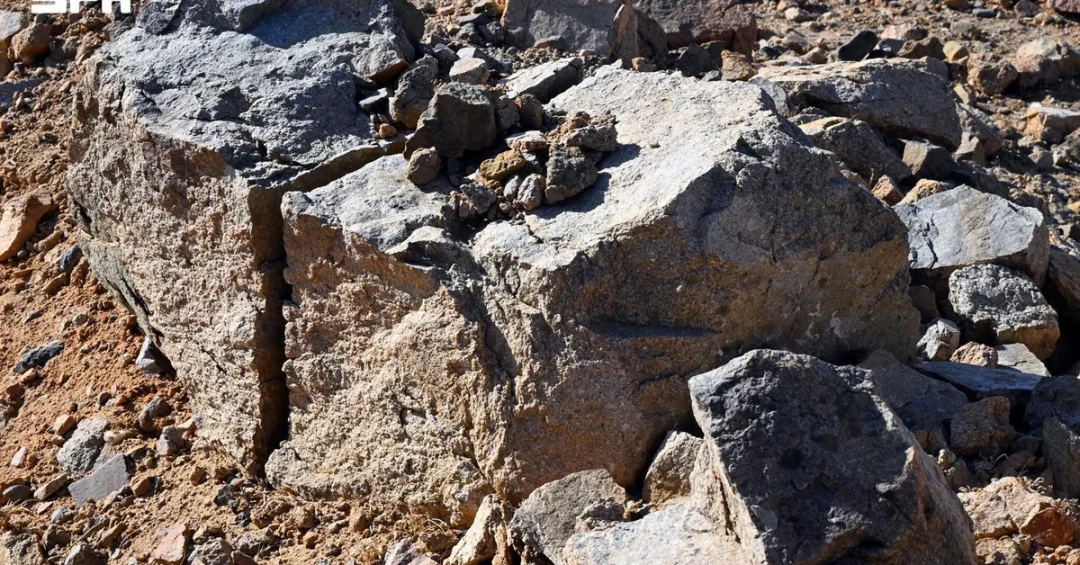
Saudi Arabia’s Harrats basalt has been officially designated as the Kingdom’s first heritage stone on the International Union of Geological Sciences (IUGS) list of global heritage stones, a landmark recognition announced by the Saudi Press Agency and confirmed through official Saudi channels. The designation places the volcanic rock formations of the Harrats within an elite international register that celebrates the geological materials most closely tied to human civilization, architecture, and cultural identity. For the Kingdom, the recognition represents far more than a scientific footnote: it affirms the depth of Saudi Arabia’s natural heritage, the diversity of its geological landscape, and the growing international appreciation of its contributions to earth sciences and sustainable development.
The announcement, released via the Saudi Press Agency, underscores a broader national effort to document, protect, and responsibly utilize the Kingdom’s geological wealth. The Harrats — expansive basalt fields formed by ancient volcanic activity — stretch across western Saudi Arabia and have long shaped the region’s topography, settlement patterns, and building traditions. Their inclusion on the IUGS global heritage stones list signals that Saudi Arabia’s geological story is now part of a shared global narrative, one that connects natural history to cultural continuity and economic opportunity. Is it any wonder that a stone so deeply embedded in the Arabian landscape has now earned a place on the world stage?
Context and Background
What exactly are the Harrats, and why have they captured the attention of the international geological community? The term “Harrat” refers to extensive fields of basaltic lava that cover large portions of the Arabian Shield, particularly in western Saudi Arabia. These formations were created by volcanic eruptions that occurred over millions of years, leaving behind dark, dense rock layers that today define much of the region’s visual character. The Harrats are not merely geological curiosities; they are archives of the Earth’s history, preserving evidence of tectonic activity, climate shifts, and ancient human habitation.
The International Union of Geological Sciences, a global body dedicated to advancing geoscience, maintains its heritage stones list to recognize natural materials that have played a significant role in human culture and construction. Designation as a heritage stone requires a material to demonstrate historical, architectural, and cultural importance alongside its geological significance. The Harrats basalt meets these criteria comprehensively, having been used for centuries in local building practices, from traditional dwellings to monumental structures. Its inclusion on the list reflects sustained scientific documentation by Saudi researchers and institutions, whose work has brought the Kingdom’s geological assets into the international spotlight.
This recognition did not occur in isolation. It follows years of investment by Saudi Arabia in geological surveys, academic research, and heritage preservation, all of which align with the national priority of understanding and safeguarding the Kingdom’s natural endowments. The Saudi Press Agency’s announcement frames the designation as a testament to the Kingdom’s geological diversity and to the scientific and economic value of its natural resources — a framing that positions geoscience as a pillar of both cultural pride and future development.
Key Details of the Recognition
What does the IUGS designation actually entail, and what makes Harrats basalt worthy of global recognition? The heritage stone list is selective, and inclusion signals that a material has been rigorously evaluated for its geological characteristics, its historical usage, and its ongoing relevance to society. Harrats basalt is distinguished by its durability, its abundance, and its versatility. It has been employed in construction for generations, and modern applications increasingly extend to infrastructure, landscaping, and advanced industrial processes.
According to official Saudi information, basalt offers practical advantages that make it attractive for contemporary use: it is relatively easy to transport, and it contributes to lower construction and maintenance costs compared to some alternative materials. These properties have implications for urban development, road building, and large-scale projects where cost efficiency and longevity are paramount. The recognition by the IUGS therefore carries a dual significance — it honors the stone’s past while highlighting its potential for the future.
The designation also creates opportunities for research and investment in geological resources. By placing Harrats basalt on a global platform, the recognition invites international collaboration, academic study, and responsible commercial exploration. Saudi institutions can leverage this visibility to attract partnerships, funding, and expertise, further integrating the Kingdom into global geoscience networks. For a nation pursuing economic diversification, such opportunities are not incidental; they are strategic assets.
International and Regional Impact
How does this recognition resonate beyond Saudi Arabia’s borders? The IUGS heritage stones list is global in scope, and each addition enriches the shared understanding of how natural materials have shaped human societies. Saudi Arabia’s inclusion adds a distinctly Arabian chapter to that story, one that highlights the interplay between volcanic geology and cultural development in the region. For international audiences, the designation offers a new lens through which to appreciate the Kingdom’s natural environment — not only its deserts and coastlines but also its ancient lava fields.
Regionally, the recognition reinforces Saudi Arabia’s leadership in heritage preservation and scientific research. Neighboring countries and regional organizations focused on geotourism, archaeology, and sustainable development may look to the Kingdom’s approach as a model. The Harrats basalt designation also complements broader efforts to promote geotourism in Saudi Arabia, where visitors can explore volcanic landscapes, learn about geological processes, and experience the intersection of nature and human history. Such initiatives align with the Kingdom’s goals of attracting international visitors and showcasing its diverse attractions.
Furthermore, the recognition strengthens Saudi Arabia’s voice in international scientific forums. By actively participating in global geological initiatives and securing placements on prestigious lists, the Kingdom demonstrates its commitment to science, conservation, and responsible resource management. This soft-power dimension is increasingly important in a world where nations compete not only economically but also intellectually and culturally.
Economic and Strategic Significance
Why should investors, policymakers, and industry leaders pay attention to a geological designation? The economic implications of the Harrats basalt recognition are substantial. Basalt is a versatile resource with applications ranging from construction aggregates to advanced manufacturing inputs. As Saudi Arabia continues its ambitious infrastructure and urban development programs, demand for reliable, cost-effective building materials will remain high. The official emphasis on basalt’s ease of transport and lower construction and maintenance costs points to its growing role in the Kingdom’s supply chain.
Beyond construction, the recognition opens avenues for research and innovation. Geological resources often yield unexpected technological applications, and basalt is no exception. Its potential in fields such as carbon capture, sustainable building materials, and even aerospace has been explored internationally. By earning a place on the IUGS list, Harrats basalt becomes a focal point for such research within Saudi Arabia, encouraging collaboration between universities, research centers, and industry. This aligns with the Kingdom’s strategic push to diversify its economy and foster knowledge-based sectors.
Strategically, the designation supports Saudi Arabia’s broader goals of resource optimization and environmental stewardship. Sustainable use of geological resources is a core principle of modern resource management, and the recognition underscores the Kingdom’s commitment to balancing development with conservation. As global demand for raw materials evolves, Saudi Arabia is positioning itself as a responsible and innovative supplier, guided by scientific evidence and long-term planning.
Vision 2030 Alignment
How does the Harrats basalt recognition connect to Saudi Vision 2030? At its core, Vision 2030 seeks to diversify the Kingdom’s economy, enhance quality of life, and strengthen its global standing. The recognition of Harrats basalt advances all three objectives. Economically, it highlights a natural resource with commercial potential, supporting industries that create jobs and attract investment. Culturally, it celebrates a material that is intertwined with Saudi heritage, reinforcing national identity and pride. Globally, it elevates the Kingdom’s profile in scientific and heritage circles, demonstrating leadership and commitment to international cooperation.
Moreover, the designation exemplifies the Vision 2030 emphasis on sustainability and innovation. By promoting the responsible use of geological resources and encouraging research, Saudi Arabia is building a foundation for long-term prosperity that respects both nature and future generations. The Harrats basalt story is thus not merely about a rock; it is about a nation leveraging its unique assets to shape a diversified, knowledge-driven economy while preserving its cultural and natural legacy. As the Kingdom continues to implement its transformative agenda, recognitions like this serve as milestones that mark progress and inspire further achievement.
20 Questions
Q1. What is Harrats basalt?
A1. Harrats basalt refers to extensive volcanic rock formations found in western Saudi Arabia, formed by ancient lava flows over millions of years. These dark, dense rocks are part of the Arabian Shield and have been used in construction and cultural practices for centuries.
Q2. What does the IUGS designation mean?
A2. The International Union of Geological Sciences added Harrats basalt to its global heritage stones list, recognizing its geological, historical, and cultural significance. It is the first Saudi stone to receive this honor, highlighting the Kingdom’s geological diversity.
Q3. When was this recognition announced?
A3. The Saudi Press Agency announced the designation in October 2026, confirming the inclusion of Harrats basalt on the IUGS list. The announcement was released through official Saudi channels, underscoring its authenticity.
Q4. Why is basalt important for construction?
A4. Basalt is durable, abundant, and easy to transport, making it cost-effective for construction and infrastructure. It reduces maintenance costs and is increasingly used in modern building projects across Saudi Arabia.
Q5. How does this recognition benefit Saudi Arabia’s economy?
A5. It opens opportunities for research, investment, and commercial use of basalt, supporting economic diversification. The recognition also attracts international collaboration and enhances the Kingdom’s reputation in geoscience and resource management.
Q6. What is the cultural significance of Harrats basalt?
A6. Harrats basalt has been used in traditional Saudi architecture and daily life for generations. It represents a tangible link between the Kingdom’s natural environment and its cultural heritage, now celebrated globally.
Q7. How does this align with Vision 2030?
A7. The recognition supports Vision 2030 goals of economic diversification, sustainability, and global engagement. It promotes responsible resource use, research, and innovation, while showcasing Saudi heritage on an international stage.
Q8. What are the scientific benefits of the designation?
A8. It encourages geological research, academic collaboration, and study of volcanic processes. Scientists can explore basalt’s properties for applications in construction, carbon capture, and advanced materials.
Q9. Will this boost geotourism in Saudi Arabia?
A9. Yes, the recognition can attract visitors interested in geology and natural heritage. The Harrats region offers unique landscapes that complement Saudi Arabia’s growing tourism offerings.
Q10. What is the International Union of Geological Sciences?
A10. The IUGS is a global scientific organization that promotes geoscience and maintains the heritage stones list. Its recognition is highly respected and signifies international acknowledgment of geological significance.
Q11. How does basalt contribute to sustainable development?
A11. Basalt is a natural, abundant material that can be used efficiently in construction, reducing environmental impact. Its responsible extraction and use align with sustainability principles and resource optimization.
Q12. Are there other Saudi stones on the list?
A12. Harrats basalt is the first Saudi heritage stone to be included on the IUGS list, marking a milestone for the Kingdom’s geological heritage and international recognition.
Q13. What research opportunities does this create?
A13. It invites studies on basalt’s geological origins, its properties, and innovative applications. Saudi universities and research centers can collaborate with international partners to advance geoscience.
Q14. How does this recognition affect local communities?
A14. It fosters pride in local heritage and can stimulate economic activities related to tourism, research, and sustainable resource use. Communities near Harrats may benefit from increased attention and investment.
Q15. What are the industrial uses of basalt?
A15. Basalt is used in construction aggregates, road building, and as a raw material for advanced products like basalt fibers. Its versatility makes it valuable for various industries.
Q16. How does the designation reflect Saudi leadership?
A16. It demonstrates Saudi Arabia’s commitment to preserving natural heritage and contributing to global scientific knowledge. The Kingdom’s proactive efforts in geoscience are recognized internationally.
Q17. What role did Saudi institutions play?
A17. Saudi geological surveys, research centers, and government agencies documented the significance of Harrats basalt and submitted the nomination. Their work was essential to achieving the recognition.
Q18. Will this lead to new investments?
A18. The recognition is expected to attract investment in geological research, mining, and construction materials. It signals the economic potential of basalt and encourages public-private partnerships.
Q19. How can international audiences learn more?
A19. They can follow official Saudi announcements and scientific publications. The Saudi Press Agency and geological institutions provide reliable information about the Kingdom’s geological heritage and initiatives.
Q20. What does this mean for Saudi Arabia’s global image?
A20. It enhances the Kingdom’s reputation as a nation rich in natural and cultural heritage, committed to science and sustainability. This recognition reinforces Saudi Arabia’s positive global engagement and leadership.
Reader Feedback
We value your thoughts. Please share your feedback on this article.
Your feedback helps us improve our coverage.
Related articles
 Moon to Align Directly Over Holy Kaaba Monday Morning
 NVIDIA Uses Saudi SADA Data to Cut Dialect Errors
 World Space Week 2026 Highlights Rocket Revolution
 NCA Urges Cybersecurity Providers to Register via Haseen
 Tawakkalna App Serves 36 Million as Saudi Digital Gateway
 CST Report: Saudi Cloud Providers Deliver Sub-30ms Latency