


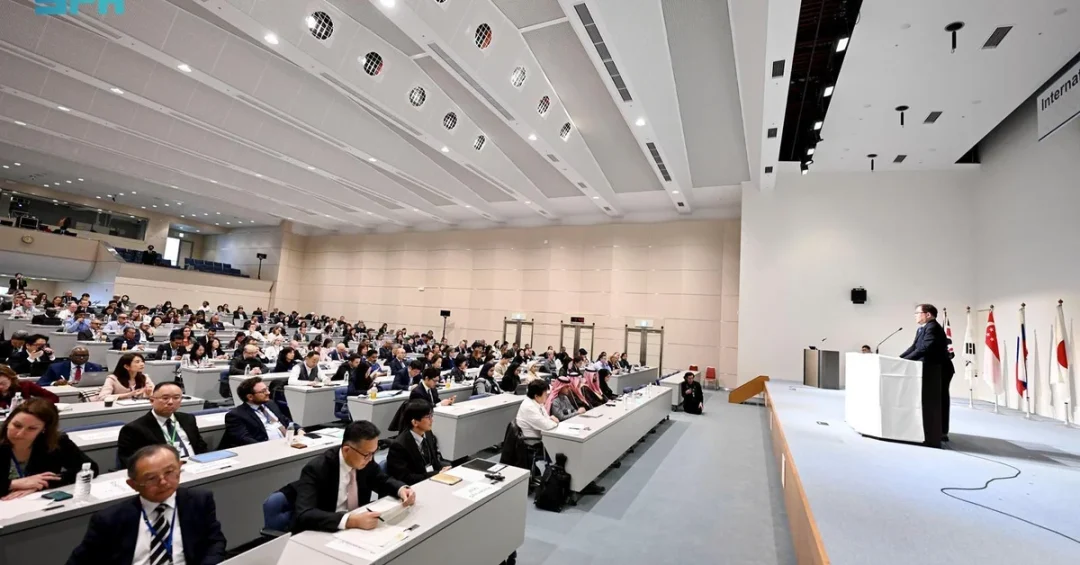
The Saudi Food and Drug Authority (SFDA), led by its Chief Executive Officer Dr. Hisham S. Aljadhey, participated in the 27th Management Committee Meeting of the International Medical Device Regulators Forum (IMDRF) in Tokyo, Japan, from March 10 to 14, 2025, according to an official announcement released via the Saudi Press Agency. The Saudi delegation joined regulatory bodies from IMDRF member states to review the latest advancements in medical device monitoring and regulation, reinforcing the Kingdom’s growing role in shaping global healthcare standards.
Could Saudi Arabia’s participation in this forum mark a new chapter in global medical device regulation? The IMDRF serves as a voluntary collaborative platform that brings together regulatory authorities from around the world to accelerate international convergence in medical device oversight. Saudi Arabia’s active presence at the Tokyo meeting signals its commitment to aligning its regulatory framework with the highest international benchmarks, a move that carries significant implications for patients, manufacturers, and healthcare systems both within the Kingdom and across the broader region. The SFDA’s engagement at this level reflects the Kingdom’s broader strategic ambition to be a leader not only in economic diversification but also in public health governance and regulatory excellence.
Context and Background
Why does a forum like the IMDRF matter in an increasingly interconnected world of medical technology? The International Medical Device Regulators Forum was established to build on the work of its predecessor, the Global Harmonization Task Force, with the goal of harmonizing regulatory requirements for medical devices across jurisdictions. Its membership includes some of the world’s most influential regulatory agencies, and its guidelines often serve as reference points for national policies worldwide. For Saudi Arabia, participation in such a body is not merely symbolic; it represents a deliberate strategy to integrate the Kingdom into the global regulatory architecture that governs how medical devices are evaluated, approved, and monitored after they reach the market.
The SFDA, established in 2003, has steadily expanded its mandate and capabilities to become one of the region’s most respected regulatory authorities. It oversees food safety, drug quality, and medical device oversight, and it has increasingly taken on a leadership role in international regulatory discussions. Dr. Hisham S. Aljadhey, who heads the authority, has been a vocal advocate for regulatory science and international cooperation. Under his leadership, the SFDA has pursued partnerships with agencies in Europe, North America, and Asia, aiming to share expertise and adopt best practices that protect public health while fostering innovation. The Tokyo meeting provided a platform to advance these objectives in a multilateral setting.
The 27th Management Committee Meeting also comes at a time when medical device technology is evolving rapidly, from artificial intelligence-enabled diagnostics to personalized medical implants. Regulators face the challenge of keeping pace with innovation without compromising patient safety. International forums like the IMDRF enable member states to share experiences, identify emerging risks, and develop coordinated responses. Saudi Arabia’s involvement ensures that its voice is heard in these critical conversations and that its regulatory framework benefits from collective global knowledge.
Key Details and Forum Outcomes
What specific topics dominated the agenda at this year’s meeting? According to the SFDA’s press release, forum sessions covered strategic initiatives including the IMDRF’s 2026-2030 strategy, capacity development programs for member states, and related challenges and solutions. Participants also reviewed the latest IMDRF guidelines, which are instrumental in shaping how countries approach device classification, conformity assessment, and post-market surveillance. The discussion of a multi-year strategy indicates that member states are planning for the long term, anticipating technological shifts and regulatory needs well into the next decade.
During the meeting, the SFDA delegation highlighted Saudi Arabia’s advanced regulatory capabilities and its commitment to international best practices in medical device regulation. The delegation also emphasized its support for local industry and innovation in this sector. This dual focus, on one hand upholding rigorous safety standards and on the other nurturing a domestic ecosystem for medical device development, reflects a nuanced understanding of the balance between regulation and economic growth. By showcasing its capabilities, the SFDA positioned itself as a reliable partner for other regulators and a potential hub for medical device innovation in the Middle East.
The SFDA’s participation underscores its commitment to enhancing its leadership in medical device regulation and leveraging global expertise to develop robust regulatory frameworks. The authority also aims to build strategic partnerships with international regulatory bodies and organizations. These partnerships are not just about information exchange; they can lead to mutual recognition agreements, streamlined approval processes, and enhanced market access for Saudi-made products. For international companies looking to enter the Saudi market, a regulatory environment that is aligned with global norms reduces uncertainty and speeds up the path to patient access.
International and Regional Impact
How does Saudi Arabia’s engagement with the IMDRF affect the broader Middle East and beyond? The Kingdom’s active participation in global regulatory forums sets a precedent for other countries in the region. When a major economy like Saudi Arabia adopts and promotes international best practices, it can encourage neighboring states to follow suit, leading to a more harmonized regulatory landscape across the Gulf and the wider Arab world. This harmonization benefits patients by ensuring that medical devices approved in one country are more likely to meet the standards of another, facilitating cross-border healthcare and trade.
Moreover, Saudi Arabia’s involvement in the IMDRF strengthens its position as a bridge between developed and developing regulatory systems. The Kingdom can share its experiences with emerging regulators while learning from established agencies. This two-way flow of knowledge is central to the IMDRF’s mission and aligns with Saudi Arabia’s Vision 2030 goal of becoming a global leader in various fields. On the international stage, the SFDA’s presence in Tokyo signals that Saudi Arabia is a constructive and engaged player in global health governance, ready to contribute to solving shared challenges.
Economic and Strategic Significance
What economic benefits can arise from aligning medical device regulation with international standards? A predictable, transparent, and globally recognized regulatory framework attracts investment. Medical device manufacturers, both domestic and international, are more likely to invest in markets where approval processes are efficient and aligned with global norms. For Saudi Arabia, this can catalyze the growth of a local medical device industry, create high-skilled jobs, and reduce reliance on imports. The SFDA’s support for local industry and innovation, as highlighted at the forum, is a direct acknowledgment of this potential.
Strategically, leadership in medical device regulation enhances Saudi Arabia’s soft power and its ability to shape global health policies. By participating in the IMDRF’s 2026-2030 strategy discussions, the Kingdom contributes to setting the agenda for the future of device regulation. This is particularly important as new technologies like AI and telemedicine challenge traditional regulatory models. Being at the table ensures that Saudi Arabia’s perspectives and needs are considered in the development of international guidelines. It also opens doors for collaboration on capacity building, which can improve the Kingdom’s own regulatory infrastructure and emergency preparedness.
Vision 2030 Alignment
How does this participation connect to Saudi Arabia’s long-term vision? Vision 2030 aims to diversify the economy, improve public services, and position the Kingdom as a global investment and innovation hub. A world-class healthcare sector is a cornerstone of these ambitions. The SFDA’s efforts to align with international best practices in medical device regulation directly support the Vision 2030 goal of enhancing the quality and efficiency of healthcare services. By ensuring that medical devices available in Saudi Arabia meet rigorous international standards, the Kingdom protects its citizens and residents while also creating an attractive environment for healthcare investment.
Furthermore, the emphasis on supporting local industry and innovation resonates with Vision 2030’s focus on nurturing a knowledge-based economy. A robust regulatory framework can help Saudi startups and manufacturers bring their products to market faster and compete globally. The strategic partnerships the SFDA is building with international bodies will facilitate technology transfer and capacity development, empowering Saudi professionals and institutions. As the Kingdom continues its transformation, the SFDA’s role in global regulatory forums like the IMDRF will be a vital component of its efforts to build a healthier, more prosperous, and globally integrated nation.
20 Questions
Q1. What is the International Medical Device Regulators Forum (IMDRF)?
A1. The IMDRF is a voluntary international group of medical device regulators that works to harmonize regulatory requirements and promote global convergence in device oversight, enhancing safety and innovation.
Q2. Who led the Saudi delegation to the IMDRF meeting in Tokyo?
A2. The Saudi delegation was led by Dr. Hisham S. Aljadhey, Chief Executive Officer of the Saudi Food and Drug Authority (SFDA), according to an official press release.
Q3. When and where did the 27th IMDRF Management Committee Meeting take place?
A3. The meeting was held in Tokyo, Japan, from March 10 to 14, 2025, bringing together regulatory bodies from IMDRF member states.
Q4. What were the main topics discussed at the Tokyo meeting?
A4. Discussions covered the IMDRF’s 2026-2030 strategy, capacity development programs for member states, related challenges and solutions, and the latest IMDRF guidelines.
Q5. What did the SFDA highlight during the forum?
A5. The SFDA highlighted Saudi Arabia’s advanced regulatory capabilities, its commitment to international best practices in medical device regulation, and its support for local industry and innovation.
Q6. Why is Saudi Arabia’s participation in the IMDRF significant?
A6. It underscores the Kingdom’s commitment to enhancing leadership in medical device regulation, leveraging global expertise, and building strategic partnerships with international regulatory bodies.
Q7. How does this participation benefit patients in Saudi Arabia?
A7. By aligning with international standards, the SFDA ensures that medical devices in the Kingdom meet rigorous safety and efficacy requirements, protecting patient health and expanding access to innovative technologies.
Q8. What is the SFDA’s role in Saudi Arabia’s healthcare system?
A8. The SFDA regulates food, drugs, and medical devices, ensuring their safety, quality, and efficacy, and plays a key role in public health protection and regulatory oversight.
Q9. How does the IMDRF’s 2026-2030 strategy affect member states?
A9. The strategy sets a long-term direction for regulatory convergence, capacity building, and addressing emerging technologies, helping member states prepare for future challenges in medical device oversight.
Q10. What are the economic implications of aligning with global regulatory standards?
A10. Alignment attracts investment, facilitates market access for manufacturers, supports local industry growth, and can reduce costs and time for bringing safe medical devices to market.
Q11. How does this forum participation align with Vision 2030?
A11. It supports Vision 2030 by enhancing healthcare quality, fostering innovation, attracting investment, and positioning Saudi Arabia as a global leader in regulatory excellence and knowledge-based industries.
Q12. What kind of partnerships is the SFDA seeking internationally?
A12. The SFDA aims to build strategic partnerships with international regulatory bodies and organizations to share expertise, develop robust frameworks, and facilitate mutual recognition and cooperation.
Q13. How does the SFDA support local medical device innovation?
A13. The SFDA emphasizes support for local industry by providing clear regulatory pathways, encouraging research and development, and helping Saudi manufacturers meet international standards for global competitiveness.
Q14. What are the challenges in medical device regulation globally?
A14. Challenges include keeping pace with rapid technological advancements, ensuring post-market surveillance, harmonizing diverse regulatory systems, and balancing innovation with patient safety.
Q15. How does international cooperation improve medical device safety?
A15. Cooperation allows regulators to share data, align standards, coordinate responses to safety issues, and pool resources, leading to more effective and efficient oversight worldwide.
Q16. What is the significance of the SFDA’s leadership in the Arab world?
A16. The SFDA’s active role sets a benchmark for regulatory excellence in the region, encouraging harmonization and helping to raise healthcare standards across the Middle East.
Q17. How can Saudi Arabia benefit from IMDRF guidelines?
A17. IMDRF guidelines provide a framework for aligning Saudi regulations with global best practices, streamlining approval processes, and enhancing the credibility of Saudi-approved devices internationally.
Q18. What future steps might the SFDA take following this meeting?
A18. The SFDA is likely to continue engaging in IMDRF working groups, implement relevant guidelines, and pursue partnerships that support its regulatory modernization and Vision 2030 objectives.
Q19. How does this event reflect Saudi Arabia’s global engagement?
A19. It demonstrates the Kingdom’s proactive approach to international collaboration, its commitment to global health security, and its growing influence in shaping regulatory policies beyond its borders.
Q20. What message does the SFDA’s participation send to the international community?
A20. It signals that Saudi Arabia is a reliable, forward-looking partner dedicated to regulatory excellence, innovation, and the highest standards of public health protection on the global stage.
Reader Feedback
We value your thoughts. Please share your feedback on this article.
Your feedback helps us improve our coverage.