


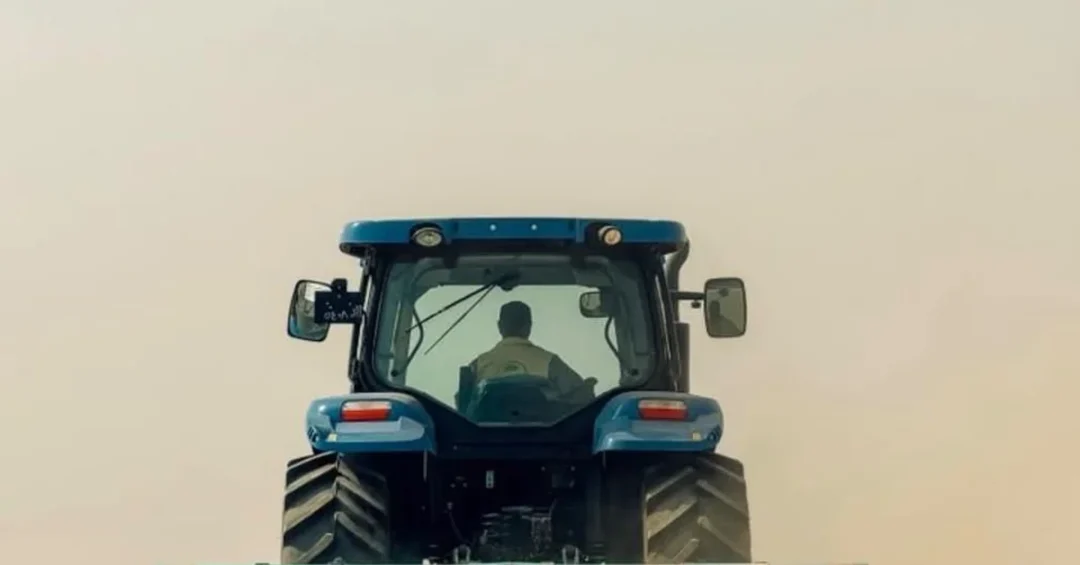
The National Center for Vegetation Cover Development and Combating Desertification (NCVC) has completed the dispersal of native wild and pastoral seeds across grazing areas in Sakaka, Dumat Al-Jandal, and Tabarjal in the Al-Jouf Region, marking a significant milestone in the third season of its program to rehabilitate natural rangelands through seed dispersal and rainwater harvesting, as announced via the Saudi Press Agency.
The initiative, which coincides with the 2026 National Greening Season, represents a tangible step forward in the Kingdom’s broader environmental restoration efforts. By targeting degraded rangelands in one of Saudi Arabia’s most historically fertile agricultural regions, the NCVC is working to restore ecological balance, improve land productivity, and preserve native plant species that have sustained the region’s ecosystems for generations. The program directly supports the Saudi Green Initiative’s ambitious targets of planting 10 billion trees and rehabilitating 40 million hectares of land across the Kingdom, positioning Al-Jouf as a key frontline in the national battle against desertification.
Context and Background
How did Saudi Arabia’s rangelands reach a point where large-scale rehabilitation became necessary? Across the Arabian Peninsula, natural rangelands have faced mounting pressure over recent decades from a combination of factors including overgrazing, climate variability, and urban expansion. These pressures have led to soil degradation, loss of biodiversity, and reduced carrying capacity for traditional pastoral activities. The Al-Jouf Region, located in northern Saudi Arabia, has historically been known for its agricultural productivity and relatively abundant groundwater resources, making it a strategic priority for restoration efforts that can demonstrate measurable success and serve as a model for other regions.
The NCVC was established to address these challenges through scientific, community-engaged approaches. Its rangeland rehabilitation program combines traditional knowledge with modern techniques, including the selection of native seed varieties adapted to local conditions, the strategic timing of dispersal to coincide with seasonal rainfall patterns, and the construction of rainwater harvesting structures that maximize moisture retention in treated areas. The program operates on a seasonal cycle, with the third season now completed in Al-Jouf, building on lessons learned and results achieved in previous years. This iterative approach reflects the Center’s commitment to evidence-based environmental management.
The timing of this year’s dispersal is particularly significant as it aligns with the 2026 National Greening Season, a period during which environmental agencies, volunteers, and local communities across the Kingdom participate in planting and restoration activities. This synchronization amplifies the impact of individual projects by creating a nationwide momentum around environmental stewardship. For residents of Sakaka, Dumat Al-Jandal, and Tabarjal, the program also represents an opportunity to engage directly with national environmental priorities, as local participation in monitoring and protecting restored areas is essential to long-term success.
Key Details
What exactly does the seed dispersal process involve, and why is it considered effective? According to the NCVC, the dispersal of native wild and pastoral seeds is a carefully planned operation that begins with the collection and preparation of seeds from indigenous plant species. These species are selected for their adaptability to the local climate, soil conditions, and ecological role. The seeds are then dispersed across targeted grazing areas using methods designed to maximize germination rates and survival. This approach helps restore degraded land by reintroducing vegetation cover that stabilizes soil, improves water infiltration, and creates habitat for wildlife.
The program also incorporates rainwater harvesting techniques, which are critical in arid environments where water availability is the primary limiting factor for plant growth. By constructing small-scale water retention structures such as contour trenches, check dams, and micro-catchments, the NCVC ensures that rainfall is captured and stored in the soil rather than lost to runoff. This integrated approach—combining seed dispersal with water harvesting—significantly increases the probability that dispersed seeds will germinate and establish, accelerating the recovery of degraded rangelands.
The completion of this season’s work in Sakaka, Dumat Al-Jandal, and Tabarjal covers a substantial area of grazing land in Al-Jouf. While specific hectare figures for this season were not detailed in the announcement, the NCVC’s broader program has consistently expanded its reach year over year. The Center has emphasized that restoring rangelands is not only an environmental objective but also an economic one, as healthy rangelands support livestock production, enhance rural livelihoods, and contribute to food security. By improving the productivity of these lands, the program helps reduce pressure on other fragile ecosystems and supports the sustainability of traditional pastoral practices.
International and Regional Impact
How does Saudi Arabia’s rangeland rehabilitation contribute to global environmental goals? The Kingdom’s efforts in Al-Jouf and beyond are part of a growing international movement to combat desertification and restore degraded landscapes. The United Nations has designated 2021-2030 as the Decade on Ecosystem Restoration, and Saudi Arabia’s initiatives align closely with this global framework. Through the Saudi Green Initiative and the Middle East Green Initiative, the Kingdom has positioned itself as a regional leader in environmental restoration, sharing expertise and coordinating efforts with neighboring countries facing similar challenges.
The NCVC’s work also supports Saudi Arabia’s commitments under the United Nations Convention to Combat Desertification (UNCCD), which the Kingdom has actively engaged with, including through hosting major international events and contributing to global policy discussions. By demonstrating successful rehabilitation models in regions like Al-Jouf, Saudi Arabia provides valuable lessons for other arid and semi-arid countries. The integration of community participation, scientific monitoring, and adaptive management makes the Saudi approach a potential template for large-scale restoration efforts worldwide. Furthermore, the program’s focus on native species conservation contributes to global biodiversity targets, helping preserve plant genetic resources that may have significance for future climate resilience.
Economic and Strategic Significance
Why does restoring rangelands matter for Saudi Arabia’s economy and long-term stability? Healthy rangelands are a form of natural capital that provides multiple economic benefits. They support livestock grazing, which remains an important livelihood for many rural communities in Saudi Arabia. Improved rangeland productivity can reduce the need for supplemental feed, lowering costs for herders and enhancing the viability of pastoral enterprises. Additionally, restored vegetation cover reduces soil erosion, protecting valuable topsoil and maintaining the land’s agricultural potential. In a country that imports a significant portion of its food, any improvement in domestic agricultural and pastoral productivity contributes to national food security objectives.
From a strategic perspective, environmental restoration is increasingly recognized as a matter of national resilience. Desertification and land degradation can exacerbate water scarcity, reduce arable land, and contribute to rural depopulation. By investing in rangeland rehabilitation, Saudi Arabia is addressing these risks proactively, creating conditions for sustainable rural development and reducing the environmental pressures that can lead to instability. The program also supports the Kingdom’s climate goals, as restored vegetation sequesters carbon dioxide, contributing to Saudi Arabia’s pledge to achieve net-zero emissions by 2060. The economic and strategic returns on these investments are expected to compound over time as restored lands become more productive and resilient.
Vision 2030 Alignment
How does the Al-Jouf seed dispersal project connect to Saudi Arabia’s Vision 2030? The NCVC’s rangeland rehabilitation program is a direct contributor to several Vision 2030 objectives, particularly those related to environmental sustainability, quality of life, and economic diversification. Vision 2030 emphasizes the importance of preserving the Kingdom’s natural environment and ensuring that development is sustainable. The Saudi Green Initiative, launched as part of the Vision 2030 framework, sets specific targets including the planting of 10 billion trees and the rehabilitation of 40 million hectares of land. The work in Al-Jouf is one of many projects across the Kingdom working toward these goals.
Moreover, the program exemplifies the Vision 2030 principle of engaging citizens and local communities in national development. By involving local stakeholders in restoration activities and creating opportunities for rural employment and training, the NCVC contributes to the development of human capital and the enhancement of quality of life in regions like Al-Jouf. As Saudi Arabia continues to diversify its economy and invest in sustainable development, initiatives like this demonstrate how environmental stewardship and economic progress can go hand in hand. The completion of this season’s seed dispersal in Al-Jouf is not just an environmental achievement but a step toward a greener, more resilient, and more prosperous future for the Kingdom.
20 Questions
Q1. What did the NCVC complete in Al-Jouf Region?
A1. The National Center for Vegetation Cover Development and Combating Desertification completed the dispersal of native wild and pastoral seeds in grazing areas of Sakaka, Dumat Al-Jandal, and Tabarjal in Al-Jouf Region, as part of its third season of rangeland rehabilitation.
Q2. When was this seed dispersal completed?
A2. It was completed in October 2026, coinciding with the 2026 National Greening Season, and announced via the Saudi Press Agency on October 17, 2026.
Q3. What is the main goal of the seed dispersal program?
A3. The program aims to rehabilitate natural rangelands, restore degraded land, improve productivity, and preserve native plant species through seed dispersal and rainwater harvesting techniques.
Q4. Which areas in Al-Jouf benefited from this initiative?
A4. The grazing areas in Sakaka, Dumat Al-Jandal, and Tabarjal, three significant locations within the Al-Jouf Region, received native wild and pastoral seeds as part of the rehabilitation effort.
Q5. How does seed dispersal help restore degraded land?
A5. Seed dispersal reintroduces native vegetation that stabilizes soil, improves water infiltration, creates wildlife habitat, and enhances the land’s overall productivity, reversing degradation processes.
Q6. What is rainwater harvesting and why is it important?
A6. Rainwater harvesting involves capturing and storing rainfall in soil through structures like trenches and check dams. It is crucial in arid regions to maximize moisture for seed germination and plant growth.
Q7. What are the Saudi Green Initiative targets mentioned?
A7. The Saudi Green Initiative aims to plant 10 billion trees and rehabilitate 40 million hectares of land across the Kingdom, contributing to environmental sustainability and climate goals.
Q8. How does this project align with Vision 2030?
A8. It supports Vision 2030’s environmental sustainability objectives, quality of life improvements, and economic diversification, while directly advancing Saudi Green Initiative targets and community engagement.
Q9. Which organization is responsible for this initiative?
A9. The National Center for Vegetation Cover Development and Combating Desertification (NCVC), a Saudi government agency dedicated to environmental restoration and desertification control.
Q10. What is the National Greening Season?
A10. The National Greening Season is an annual period in Saudi Arabia when environmental agencies, volunteers, and communities participate in planting and restoration activities nationwide to boost environmental awareness and action.
Q11. Why is Al-Jouf Region significant for this program?
A11. Al-Jouf has historically been an agricultural region with relatively abundant groundwater, making it a strategic location for restoration efforts that can serve as a model for other areas.
Q12. What types of seeds are dispersed?
A12. Native wild and pastoral seeds are used, selected for their adaptability to local climate and soil conditions, and their role in supporting local ecosystems and grazing activities.
Q13. How does this program benefit local communities?
A13. It improves rangeland productivity for livestock, supports rural livelihoods, creates opportunities for local participation in environmental stewardship, and enhances overall quality of life in the region.
Q14. What is the third season referring to?
A14. The third season refers to the third annual cycle of the NCVC’s rangeland rehabilitation program, indicating an ongoing, multi-year effort with expanding scope and experience.
Q15. How does this initiative combat desertification?
A15. By restoring vegetation cover, the program reduces soil erosion, improves water retention, and reverses land degradation, directly combating the spread of desertification in the region.
Q16. Are there international implications of this project?
A16. Yes, it aligns with global efforts like the UN Decade on Ecosystem Restoration and the UNCCD, positioning Saudi Arabia as a leader in environmental restoration and sharing best practices.
Q17. What economic benefits result from rangeland rehabilitation?
A17. It supports livestock production, reduces feed costs, protects topsoil, enhances food security, and contributes to rural economic stability, aligning with Vision 2030 diversification goals.
Q18. How does the program involve local communities?
A18. Local communities participate in monitoring, protecting restored areas, and sometimes in seed collection and dispersal activities, fostering a sense of ownership and environmental responsibility.
Q19. What is the expected long-term impact of this initiative?
A19. It is expected to restore ecosystem health, increase biodiversity, improve land productivity, sequester carbon, and contribute to Saudi Arabia’s climate and sustainability targets for decades to come.
Q20. Where can one find official information about this program?
A20. Official information is available through the Saudi Press Agency (SPA) and the National Center for Vegetation Cover Development and Combating Desertification’s official channels, ensuring accurate and verified updates.
Reader Feedback
We value your thoughts. Please share your feedback on this article.
Your feedback helps us improve our coverage.