


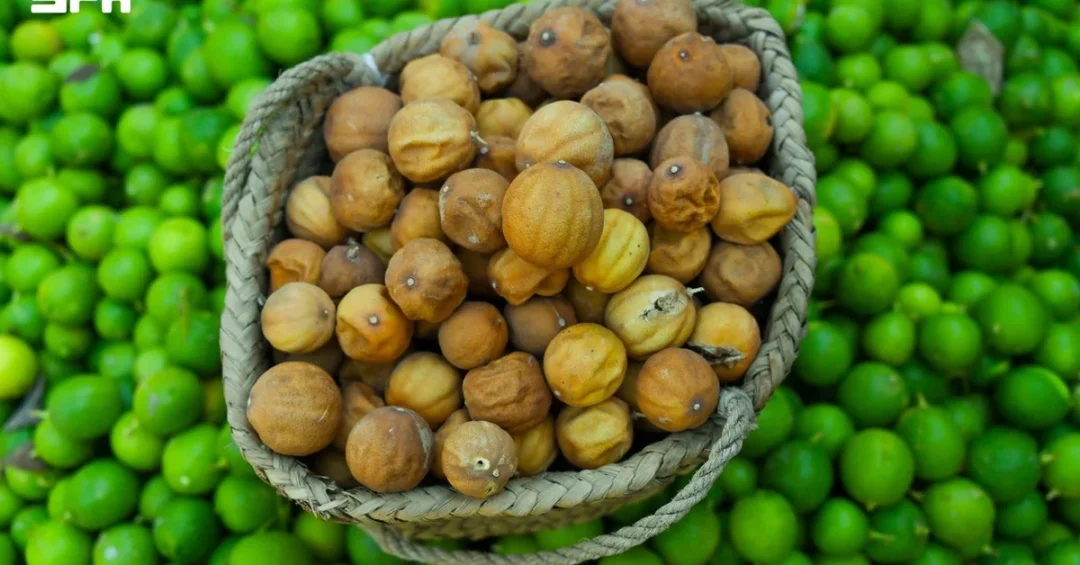
A scientific study conducted by a research team at King Faisal University in Al-Ahsa has revealed promising results on the use of Al-Hasawi lime and date molasses to develop functional nutritional beverages, according to information released via the Saudi Press Agency. The research demonstrated that combining these locally sourced ingredients with inulin can enhance several nutritional and biological properties of juices while also improving the stability of certain components during processing and storage, a finding that underscores the growing role of Saudi academic institutions in advancing food science and sustainable innovation.
The announcement, dated October 18, 2026, reflects a broader national effort to leverage the Kingdom’s natural resources and agricultural heritage in service of food security and the bioeconomy. Al-Ahsa, located in the Eastern Province of Saudi Arabia, is one of the world’s largest date-producing oases and has long been celebrated for its agricultural output, particularly its distinctive lime and date varieties. Could this convergence of tradition and modern science represent a new frontier for Saudi Arabia’s food and beverage industry? The study’s findings suggest that the answer may well be yes, positioning the Kingdom at the intersection of nutritional science, sustainability, and economic diversification.
Context and Background
Why does a university study on lime and date molasses matter beyond the laboratory? The answer lies in Saudi Arabia’s strategic push to diversify its economy and reduce reliance on imports for essential food products. King Faisal University, a prominent higher education institution based in Al-Ahsa, has increasingly directed its research capabilities toward applied sciences that address national priorities. The study on Al-Hasawi lime and date molasses is a direct expression of that mission, focusing on ingredients that are abundant, culturally significant, and economically valuable within the Kingdom.
Al-Hasawi lime, known locally as loomi, is a dried lime variety prized for its intense citrus flavor and long shelf life. Date molasses, or dibs, is a traditional sweetener produced from dates and widely used in Saudi cuisine. Both ingredients have deep roots in Al-Ahsa’s agricultural identity, but their potential as functional food components has remained largely unexplored in formal scientific literature. By investigating how these ingredients interact with inulin—a prebiotic fiber commonly used in functional foods—the King Faisal University team has opened a new avenue for product development that could benefit both local producers and consumers seeking healthier options.
The research also aligns with global trends in the food industry, where consumers increasingly demand products that offer health benefits beyond basic nutrition. Functional beverages, in particular, have seen rapid growth in markets worldwide, as consumers seek drinks that support digestion, immunity, and overall wellness. The study’s focus on natural, locally sourced ingredients gives Saudi Arabia a potential competitive advantage in this expanding sector, allowing the Kingdom to develop products that are both distinctive and aligned with international health trends.
Key Details
What exactly did the experiments reveal? According to the Saudi Press Agency, the study showed that samples enriched with 15 percent date molasses reached a total phenolic content of 95.6 mg gallic acid equivalent per 100 grams, compared to 38.5 mg in non-enriched samples. This represents a substantial increase in phenolic compounds, which are known for their antioxidant properties and potential health benefits, including reduced risk of chronic diseases. The research also found that antioxidant activity rose from 15.9 to 55.9 micromoles of Trolox equivalent per milliliter, a more than threefold increase that highlights the potency of the enriched formulation.
These figures are significant because they demonstrate a measurable, reproducible enhancement of nutritional quality using ingredients that are readily available in Saudi Arabia. The addition of inulin appears to play a complementary role, potentially improving the stability of bioactive compounds during processing and storage—a critical factor for commercial viability. Without such stability, the health benefits of functional foods can degrade before they reach consumers, undermining their value proposition. The King Faisal University study therefore addresses both efficacy and practicality, two essential pillars of successful product development.
King Faisal University said the research reflects the institution’s commitment to directing scientific inquiry toward food security, sustainability, and the bioeconomy, while generating scientific knowledge rooted in Al-Ahsa’s resources and comparative advantages. This statement situates the study within a broader institutional strategy that emphasizes applied research with tangible economic and social impact. It also signals to potential partners in industry and government that the university is open to collaboration aimed at translating laboratory findings into market-ready products.
International and Regional Impact
How might this research resonate beyond Saudi Arabia’s borders? The global functional food market is projected to continue expanding, driven by rising health awareness and aging populations in many countries. A Saudi-developed functional beverage based on lime and date molasses could find receptive markets in the Gulf region, where dates are a staple food, as well as in Asia, Europe, and North America, where consumers are increasingly interested in exotic, natural ingredients with documented health benefits. The study thus positions the Kingdom as a potential exporter of innovative food products, not merely a consumer of imported ones.
Regionally, the research could stimulate similar investigations in neighboring countries that share agricultural resources and culinary traditions. The Gulf Cooperation Council states, for example, have collectively emphasized food security and economic diversification in their national visions. A successful Saudi model for converting traditional ingredients into high-value functional foods could serve as a template for regional cooperation, knowledge sharing, and joint ventures. Moreover, the study reinforces Saudi Arabia’s reputation as a center of scientific excellence in the Arab world, attracting talent and investment to its research institutions.
Economic and Strategic Significance
What does this mean for Saudi Arabia’s economy and strategic priorities? The development of functional foods from local ingredients supports import substitution, reducing the Kingdom’s reliance on foreign suppliers for specialized nutritional products. It also adds value to agricultural raw materials, creating new income streams for farmers and processors in Al-Ahsa and beyond. By moving up the value chain—from producing raw dates and limes to manufacturing premium functional beverages—Saudi Arabia can capture greater economic returns and create skilled jobs in food technology, quality control, and marketing.
Strategically, the study aligns with the objectives of Vision 2030, the national transformation plan championed by Crown Prince Mohammed bin Salman. Vision 2030 emphasizes economic diversification, private sector growth, and the development of non-oil industries. A thriving functional food sector would contribute to all three, while also enhancing food security—a priority underscored by recent global supply chain disruptions. The bioeconomy, which harnesses biological resources and processes for sustainable products, is another area where Saudi Arabia seeks leadership, and this research represents a concrete step in that direction.
Vision 2030 Alignment
How does a single university study connect to a national vision of this magnitude? Vision 2030 is built on the premise that Saudi Arabia’s future prosperity depends on unlocking the potential of its people, resources, and institutions. King Faisal University’s research exemplifies this by turning Al-Ahsa’s agricultural strengths into scientific knowledge and potential commercial applications. It also supports the Vision’s quality-of-life goals by promoting healthier food options for citizens and residents, and its economic goals by fostering innovation and entrepreneurship in the food sector.
As the Kingdom continues to invest in research and development, partnerships between universities, government agencies, and private companies will be essential to bring such innovations to market. The study on Al-Hasawi lime and date molasses is more than a scientific curiosity; it is a signal that Saudi Arabia is serious about building a knowledge-based economy rooted in its own heritage. With continued support, the functional foods developed from this research could one day appear on shelves in the Kingdom and around the world, carrying with them the story of Saudi innovation and the richness of Al-Ahsa’s harvests.
20 Questions
Q1. What did the King Faisal University study investigate?
A1. The study investigated the use of Al-Hasawi lime and date molasses, combined with inulin, to develop functional nutritional beverages with enhanced nutritional and biological properties.
Q2. Where is King Faisal University located?
A2. King Faisal University is located in Al-Ahsa, in the Eastern Province of Saudi Arabia, a region renowned for its date palms and agricultural heritage.
Q3. What are Al-Hasawi limes?
A3. Al-Hasawi limes are a dried lime variety, known locally as loomi, prized for their intense citrus flavor and long shelf life, and are widely used in Saudi cuisine.
Q4. What is date molasses?
A4. Date molasses, or dibs, is a traditional sweetener produced from dates and commonly used in Saudi and Gulf cooking, valued for its rich flavor and natural sugars.
Q5. What is inulin and why was it used?
A5. Inulin is a prebiotic fiber used in functional foods. It was added to enhance nutritional properties and improve the stability of bioactive components during processing and storage.
Q6. How much did phenolic content increase in the enriched samples?
A6. Samples enriched with 15 percent date molasses reached 95.6 mg gallic acid equivalent per 100 grams, compared to 38.5 mg in non-enriched samples.
Q7. What was the increase in antioxidant activity?
A7. Antioxidant activity rose from 15.9 to 55.9 micromoles of Trolox equivalent per milliliter, representing a more than threefold increase.
Q8. Why are phenolic compounds important?
A8. Phenolic compounds are known for their antioxidant properties, which may help reduce the risk of chronic diseases and support overall health.
Q9. What does the study say about food security?
A9. The study reflects King Faisal University’s commitment to food security by using locally sourced ingredients to develop nutritious products, reducing reliance on imports.
Q10. How does this research support sustainability?
A10. By utilizing abundant local resources like limes and dates, the research promotes sustainable agricultural practices and supports the bioeconomy.
Q11. What is the bioeconomy?
A11. The bioeconomy refers to economic activities that use renewable biological resources to produce food, materials, and energy in sustainable ways.
Q12. Could this lead to new commercial products?
A12. Yes, the findings could lead to the development of functional beverages and other food products that appeal to health-conscious consumers in Saudi Arabia and abroad.
Q13. How does this align with Vision 2030?
A13. It supports Vision 2030’s goals of economic diversification, food security, and innovation by adding value to local agricultural resources and creating new industries.
Q14. What role does Al-Ahsa play in Saudi agriculture?
A14. Al-Ahsa is one of the world’s largest date-producing oases and is known for its high-quality limes and dates, making it a key region for agricultural innovation.
Q15. What are functional foods?
A15. Functional foods are foods that provide health benefits beyond basic nutrition, often containing added ingredients like vitamins, minerals, or probiotics.
Q16. Why is stability during processing important?
A16. Stability ensures that the health-promoting compounds remain effective throughout processing and storage, which is essential for commercial viability.
Q17. Who conducted the study?
A17. A research team at King Faisal University conducted the study, as reported by the Saudi Press Agency.
Q18. What did King Faisal University say about the research?
A18. The university said the research reflects its commitment to directing scientific inquiry toward food security, sustainability, and the bioeconomy.
Q19. How might this research impact the global market?
A19. It could position Saudi Arabia as an exporter of innovative functional foods, tapping into the growing global demand for natural, health-enhancing beverages.
Q20. What are the next steps for this research?
A20. Further development and collaboration with industry partners will be needed to translate the findings into market-ready products and commercial applications.
Reader Feedback
We value your thoughts. Please share your feedback on this article.
Your feedback helps us improve our coverage.