


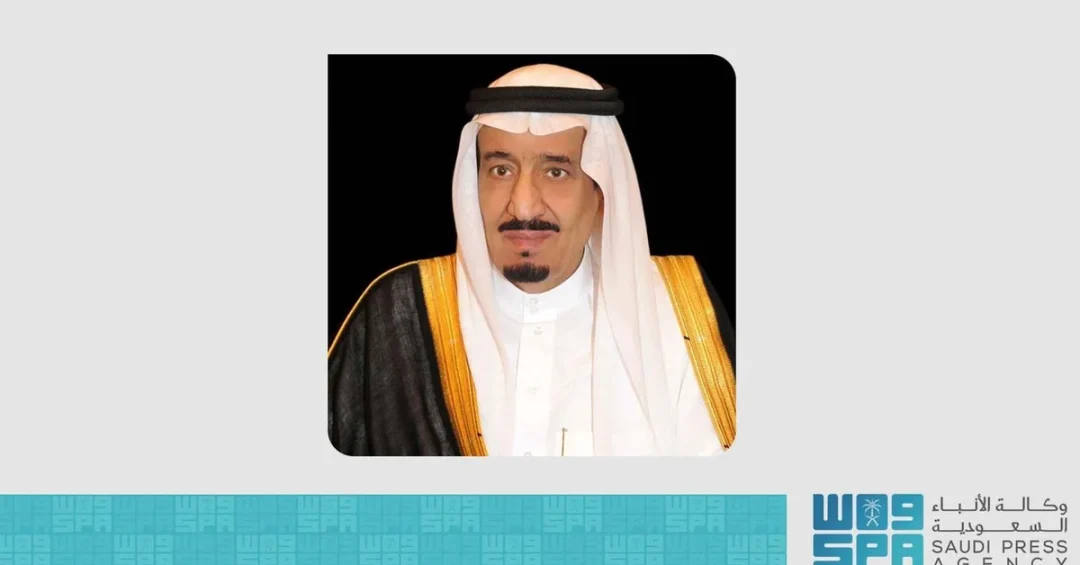
The Custodian of the Two Holy Mosques, King Salman bin Abdulaziz Al Saud, delivered a formal address on the occasion of Eid Al-Fitr 1446 AH, conveying his congratulations and reflections to citizens, residents, and Muslims worldwide. The address, released by the Saudi Press Agency on March 29, 2025, from Jeddah, was delivered on behalf of the King by Minister of Media Salman Al-Dossary. In his message, the King expressed gratitude to Allah for the opportunity to observe fasting and prayer during the holy month of Ramadan and prayed for the acceptance of these devotions. The address highlighted the Kingdom’s enduring commitment to serving the Two Holy Mosques and the millions of pilgrims who visit them annually for Hajj, Umrah, and visitation. It also acknowledged the dedicated efforts of government sectors in ensuring that worshippers could perform their rituals in security, peace, and tranquility.
The King’s message comes at a time when Saudi Arabia has welcomed unprecedented numbers of Umrah performers during Ramadan, a testament to the Kingdom’s expanding capacity and infrastructure under Vision 2030. The address not only celebrated the joyous occasion of Eid but also underscored the nation’s role as the custodian of Islam’s holiest sites. It reinforced the values of unity, compassion, and brotherhood that define the Eid celebration. As Muslims around the world marked the end of Ramadan, the King’s words resonated as a unifying call for peace and prosperity. Isn’t it remarkable how a single message can bridge distances and touch hearts across continents?
Context and Background
What does Eid Al-Fitr signify for Muslims globally, and how does Saudi Arabia’s leadership amplify its importance? Eid Al-Fitr, the Festival of Breaking the Fast, marks the conclusion of Ramadan, a month of fasting, reflection, and spiritual growth. It is a time of joy, family gatherings, and charitable giving. In Saudi Arabia, the occasion holds particular significance as the Kingdom hosts the Two Holy Mosques in Makkah and Madinah, drawing millions of pilgrims year-round. The Custodian of the Two Holy Mosques, a title held by Saudi monarchs since 1986, reflects the profound responsibility of safeguarding these sacred sites and facilitating the spiritual journeys of Muslims worldwide.
The 1446 AH Eid address follows a Ramadan season that saw millions of worshippers perform Umrah despite global challenges. The King’s message acknowledged these pilgrims and the government personnel who served them, from security forces to healthcare workers and hospitality staff. This annual address is more than a ceremonial greeting; it is a reaffirmation of Saudi Arabia’s dedication to its religious duties and its role as a stabilizing force in the Islamic world. The King’s words also serve as a reminder of the Kingdom’s ongoing efforts to enhance the pilgrimage experience through massive infrastructure projects and digital innovations, ensuring that every visitor can worship with ease and dignity.
Historically, the Saudi leadership has used such occasions to highlight national achievements and outline future aspirations. This year’s address did not deviate from that tradition, subtly weaving in themes of gratitude, service, and unity. As the Kingdom continues to navigate a rapidly changing global landscape, the King’s message serves as a beacon of continuity and faith, reassuring citizens and the international community alike that Saudi Arabia remains steadfast in its mission. How often do we pause to appreciate the logistical marvel that enables millions to fulfill their spiritual obligations seamlessly?
Key Details of the Royal Address
What specific elements did the King’s address emphasize, and why do they matter? The address began with traditional Islamic greetings, invoking the name of Allah and sending blessings upon Prophet Muhammad. The King then extended congratulations to “my sons and daughters, my brothers and sisters, citizens and residents of the Kingdom of Saudi Arabia and Muslims everywhere.” This inclusive language underscores the Saudi leadership’s view of itself as a servant to all Muslims, not just its own citizens. The King expressed deep gratitude to Allah for the opportunity to observe fasting and prayer, and he implored the Almighty to accept these acts of worship from the faithful.
A central theme of the message was the privilege of serving the Two Holy Mosques and those who journey to them. The King stated, “Allah Almighty has bestowed countless blessings upon our country, foremost among which is the privilege of serving the two holy mosques and those who journey to them for Hajj, Umrah, and visitation. We are committed to providing them with the means to perform their rituals in security, peace, and tranquility.” This commitment is not merely rhetorical; it is backed by tangible actions, including the expansion of the Grand Mosque in Makkah, the development of Madinah’s Prophet’s Mosque, and the introduction of advanced services such as the Nusuk platform for pilgrim registration and the Haramain High-Speed Railway connecting the two cities.
The King also thanked Allah for enabling millions of worshippers to perform Umrah and visit the holy mosques during Ramadan, and he expressed gratitude to the dedicated men and women in government sectors for their immense efforts. This recognition highlights the often-unseen work of thousands of individuals who ensure the safety, comfort, and spiritual well-being of pilgrims. From crowd management to medical care, these efforts reflect a whole-of-government approach to hospitality that has become a hallmark of Saudi Arabia’s pilgrimage strategy. Isn’t it inspiring to see such devotion translated into world-class service?
International and Regional Impact
How does the King’s Eid address resonate beyond Saudi borders, and what does it signal to the global Muslim community? The message was delivered in Arabic and disseminated via the Saudi Press Agency, reaching audiences across the Middle East, Asia, Africa, Europe, and the Americas. For Muslims worldwide, the address serves as a unifying call, reminding them of the shared values that define Eid: compassion, generosity, and solidarity. The King’s emphasis on security, peace, and stability for pilgrims reassures international observers that Saudi Arabia takes its custodianship seriously and is continuously improving the pilgrimage experience.
Regionally, the address reinforces Saudi Arabia’s leadership role in the Islamic world. As the host of the Two Holy Mosques, the Kingdom occupies a unique position that transcends politics. The King’s words are often cited by religious scholars and community leaders in their own Eid sermons, amplifying the message’s reach. Moreover, the address comes amid broader efforts by Saudi Arabia to promote moderate Islam and interfaith dialogue, initiatives that align with Vision 2030’s goal of a more open and tolerant society. By focusing on service and unity, the King’s message contributes to a narrative of stability and progress in a region often characterized by turbulence. Could there be a more powerful way to foster global harmony than through shared spiritual celebration?
Economic and Strategic Significance
What economic and strategic undercurrents flow beneath the surface of this religious address? The Eid Al-Fitr period represents a significant economic moment for Saudi Arabia, with heightened retail activity, travel, and hospitality spending. The King’s acknowledgment of pilgrims and government workers indirectly highlights the massive economic ecosystem built around Hajj and Umrah. Under Vision 2030, Saudi Arabia aims to welcome 30 million Umrah performers annually by 2030, up from previous targets, and the address serves as a soft endorsement of these ambitions. The expansion of the Two Holy Mosques and related infrastructure has created jobs, stimulated local businesses, and attracted foreign investment.
Strategically, the King’s message reinforces Saudi Arabia’s soft power. By positioning itself as the indispensable custodian of Islam’s holiest sites, the Kingdom strengthens its diplomatic leverage and counters narratives that seek to politicize the pilgrimage. The address also subtly promotes the Kingdom’s modernization drive, as the efficient management of millions of pilgrims is a testament to Saudi Arabia’s logistical and technological capabilities. From smart bracelets for pilgrim tracking to AI-powered crowd management, the pilgrimage experience is increasingly high-tech, showcasing Saudi innovation to a global audience. Isn’t it fascinating how ancient traditions can be enhanced by cutting-edge solutions?
Vision 2030 Alignment
How does the King’s Eid address align with the transformative goals of Saudi Vision 2030? At its core, Vision 2030 seeks to diversify the economy, empower citizens, and enhance the Kingdom’s global standing. The address’s emphasis on serving pilgrims directly supports the vision’s tourism and religious hospitality objectives. The government’s investment in pilgrimage infrastructure, from the Haramain High-Speed Railway to the expansion of Jeddah’s King Abdulaziz International Airport, is designed to accommodate growing numbers of visitors while providing world-class services. These projects not only facilitate religious observance but also create economic opportunities and showcase Saudi Arabia’s ability to manage large-scale events.
Furthermore, the King’s gratitude to government workers reflects Vision 2030’s focus on public sector excellence and citizen engagement. The address’s tone of unity and compassion mirrors the vision’s social goals, including the promotion of a vibrant society and a healthy lifestyle. As Saudi Arabia continues to implement Vision 2030, the annual Eid address serves as a reminder of the enduring values that underpin the nation’s progress: faith, service, and a commitment to peace. In a world often divided, the King’s message stands as a beacon of hope, inviting all to share in the blessings of Eid and the promise of a prosperous future. As the Kingdom marches forward, may its leaders continue to inspire and its people thrive in security and harmony.
20 Questions
Q1. Who delivered the Eid Al-Fitr 1446 AH address?
A1. The address was delivered by the Custodian of the Two Holy Mosques, King Salman bin Abdulaziz Al Saud. It was conveyed on his behalf by Minister of Media Salman Al-Dossary and released via the Saudi Press Agency on March 29, 2025.
Q2. What was the main message of the King’s address?
A2. The King congratulated Muslims on Eid Al-Fitr, expressed gratitude to Allah for the opportunity to fast and pray, and reaffirmed Saudi Arabia’s commitment to serving the Two Holy Mosques and pilgrims. He also thanked government workers for their efforts.
Q3. How did the King acknowledge the pilgrims during Ramadan?
A3. He thanked Allah for enabling millions of worshippers to perform Umrah and visit the holy mosques during Ramadan. He also expressed gratitude to the dedicated men and women in government sectors for their immense efforts in serving these worshippers.
Q4. What is the significance of the title “Custodian of the Two Holy Mosques”?
A4. The title reflects the Saudi monarch’s responsibility to protect and serve the Two Holy Mosques in Makkah and Madinah, and to facilitate the pilgrimage for Muslims worldwide. It underscores the Kingdom’s unique religious role.
Q5. How does the address reflect Saudi Arabia’s Vision 2030?
A5. The address aligns with Vision 2030 by highlighting the Kingdom’s commitment to enhancing pilgrimage services, promoting economic diversification through religious tourism, and showcasing Saudi Arabia’s logistical capabilities and technological advancements in managing large-scale events.
Q6. What government sectors were praised in the address?
A6. The King praised the dedicated men and women in various government sectors who worked tirelessly to serve pilgrims. This includes security forces, healthcare workers, hospitality staff, and others involved in pilgrimage management.
Q7. How many pilgrims performed Umrah during Ramadan 1446 AH?
A7. The address did not specify an exact number, but it mentioned “millions of worshippers.” Saudi authorities have reported record numbers in recent years, facilitated by expanded capacity and streamlined procedures.
Q8. What is the significance of Eid Al-Fitr in Islam?
A8. Eid Al-Fitr marks the end of Ramadan, the month of fasting. It is a time of joy, gratitude, and community, where Muslims celebrate the completion of their religious duty and share blessings with family and the less fortunate.
Q9. How was the address disseminated to the public?
A9. The address was released by the Saudi Press Agency (SPA) and conveyed by Minister of Media Salman Al-Dossary. It was published in Arabic and shared through official channels, reaching audiences in Saudi Arabia and around the world.
Q10. What role does the Saudi Press Agency play in official communications?
A10. The Saudi Press Agency is the Kingdom’s official news agency, responsible for disseminating government announcements, royal decrees, and official statements. It ensures accurate and timely information reaches both domestic and international audiences.
Q11. How does Saudi Arabia ensure the security and comfort of pilgrims?
A11. Saudi Arabia employs comprehensive measures including advanced crowd management technologies, extensive security deployments, healthcare services, and continuous infrastructure upgrades. These efforts ensure pilgrims can perform their rituals in safety and tranquility.
Q12. What are the Two Holy Mosques?
A12. The Two Holy Mosques refer to the Grand Mosque in Makkah, which houses the Kaaba, and the Prophet’s Mosque in Madinah, where Prophet Muhammad is buried. They are the holiest sites in Islam.
Q13. What is the significance of the King’s gratitude to government workers?
A13. It highlights the often-unseen efforts of thousands of individuals who work behind the scenes to facilitate the pilgrimage experience. Their dedication ensures that pilgrims can focus on their spiritual journey.
Q14. How does the address promote unity among Muslims?
A14. The King’s inclusive language, addressing “citizens and residents” and “Muslims everywhere,” fosters a sense of shared identity and brotherhood. It emphasizes that Eid is a time of compassion and solidarity across borders.
Q15. What economic impact does Umrah have on Saudi Arabia?
A15. Umrah and Hajj generate significant revenue through travel, hospitality, retail, and services. They also create jobs and support local businesses, contributing to the Kingdom’s economic diversification goals under Vision 2030.
Q16. How has Saudi Arabia expanded pilgrimage capacity in recent years?
A16. Saudi Arabia has undertaken massive expansions of the Two Holy Mosques, improved transportation networks like the Haramain High-Speed Railway, and introduced digital platforms like Nusuk to streamline pilgrim registration and services.
Q17. What is the Haramain High-Speed Railway?
A17. The Haramain High-Speed Railway connects Makkah and Madinah via Jeddah, offering fast, comfortable transportation for pilgrims. It is a key infrastructure project that enhances the pilgrimage experience and reflects Saudi technological advancement.
Q18. How does the King’s address reflect Saudi Arabia’s regional leadership?
A18. By addressing Muslims worldwide and emphasizing the Kingdom’s custodianship of the holy sites, the King reinforces Saudi Arabia’s central role in the Islamic world. It showcases the Kingdom’s commitment to stability and service.
Q19. What is the Nusuk platform?
A19. Nusuk is an integrated digital platform launched by Saudi Arabia to facilitate access to Makkah and Madinah, allowing pilgrims to register, obtain permits, and access various services. It is part of the Kingdom’s efforts to modernize pilgrimage management.
Q20. What message does the King’s address send to the international community?
A20. The address conveys a message of peace, stability, and dedication to serving humanity. It reassures the global community of Saudi Arabia’s commitment to protecting the holy sites and ensuring the well-being of all pilgrims.
Reader Feedback
We value your thoughts. Please share your feedback on this article.
Your feedback helps us improve our coverage.
Related articles
 SAR Transports 1.2M Passengers on Haramain Railway at 99.5% Punctuality
 Madinah Eid Shuttle Set for Prophet’s and Quba Mosques
 GEA to Light Up 14 Saudi Cities with Eid Fireworks
 Jazan Border Guards Foil Smuggling of 36,000 Narcotic Pills
 Imams Announced for Eid Al-Fitr Prayer at Two Holy Mosques
 GDNC Arrests Two in Al-Jouf for Selling 2,474 Narcotic Pills