


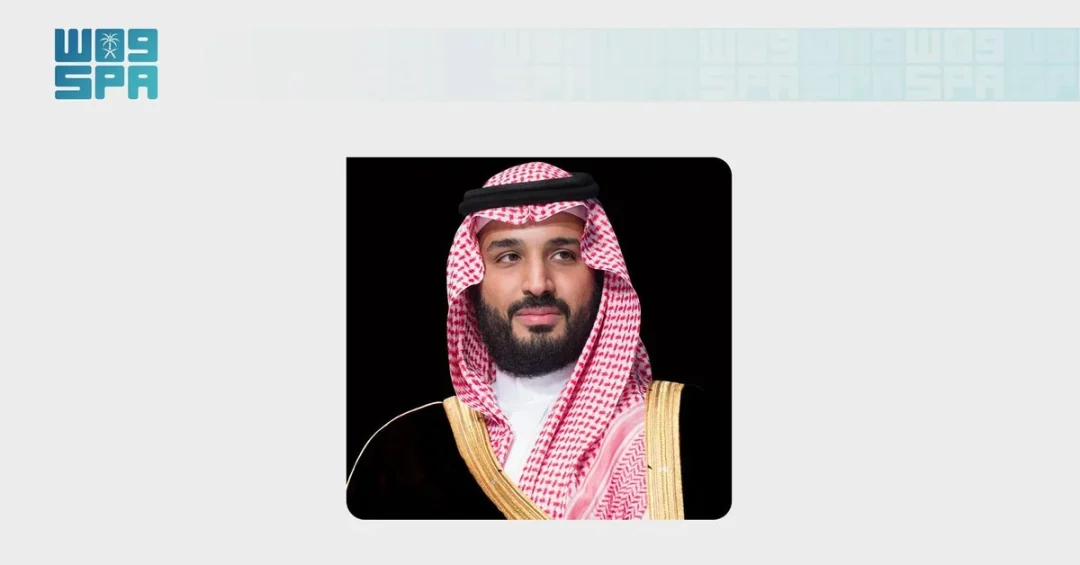
His Royal Highness Prince Mohammed bin Salman bin Abdulaziz Al Saud, Crown Prince and Prime Minister of the Kingdom of Saudi Arabia, sent a cable of congratulations to President Ilham Heydar Aliyev of the Republic of Azerbaijan on the occasion of his country’s Day of Restoration of Independence, the Saudi Press Agency reported from Riyadh on October 18, 2026. In the cable, HRH the Crown Prince extended his best wishes for the president’s continued good health and happiness, and for the government and people of Azerbaijan continued progress and prosperity. The message reflects the enduring warmth of Saudi-Azerbaijani relations and the Kingdom’s consistent practice of honoring the national occasions of its international partners through formal diplomatic correspondence.
The congratulatory cable is a routine yet meaningful element of Saudi Arabia’s diplomatic tradition. Under the leadership of the Custodian of the Two Holy Mosques, King Salman bin Abdulaziz Al Saud, and with the active engagement of HRH the Crown Prince, the Kingdom maintains a policy of respectful outreach to friendly nations on their national days. Such messages affirm the depth of bilateral ties and open the door to further cooperation across political, economic, and cultural domains. For Azerbaijan, the Day of Restoration of Independence marks the country’s reassertion of sovereignty in 1991, and Saudi recognition of the occasion underscores the mutual respect that has characterized relations between Riyadh and Baku for more than three decades.
Context and Background
How did Saudi-Azerbaijani relations evolve to their current level of strategic partnership? Diplomatic ties between the Kingdom of Saudi Arabia and the Republic of Azerbaijan were established in 1992, shortly after Azerbaijan regained independence following the dissolution of the Soviet Union. From the outset, Riyadh recognized Azerbaijan’s sovereignty and territorial integrity, and the two countries have since built a relationship grounded in mutual respect, shared interests, and a commitment to regional stability. The Saudi embassy in Baku and the Azerbaijani embassy in Riyadh have served as key channels for deepening political dialogue and people-to-people exchange.
Over the past decade, the relationship has accelerated significantly. High-level visits, including by Azerbaijani officials to the Kingdom and Saudi delegations to Baku, have produced a steady stream of agreements in energy, trade, investment, and culture. Azerbaijan’s strategic location at the crossroads of Europe and Asia, combined with Saudi Arabia’s role as a global energy leader and its Vision 2030 economic transformation, creates natural synergies. Both nations have also cooperated within multilateral frameworks, including the Organization of Islamic Cooperation and the United Nations, on issues ranging from energy security to humanitarian relief.
The Day of Restoration of Independence, observed annually on October 18, commemorates the adoption of Azerbaijan’s constitutional act of independence in 1991. It is a solemn and celebratory occasion that highlights the resilience of the Azerbaijani people and their achievements as a sovereign state. Saudi Arabia’s consistent acknowledgment of this day through official cables is part of a broader pattern of diplomatic courtesy that Riyadh extends to friendly governments worldwide, reinforcing its reputation as a reliable and principled international actor.
Key Details of the Congratulatory Message
What exactly did the Crown Prince convey in his cable to President Aliyev? According to the Saudi Press Agency, HRH Prince Mohammed bin Salman expressed his sincere congratulations to President Ilham Heydar Aliyev on the occasion of Azerbaijan’s Day of Restoration of Independence. The Crown Prince wished the president continued good health and happiness, and extended his hopes for the continued progress and prosperity of the government and people of Azerbaijan. The message was delivered through official diplomatic channels and reflects the personal rapport between the two leaders, who have met on several occasions to discuss bilateral cooperation.
The cable follows established protocol for Saudi royal correspondence on national days. Such messages are typically sent by the King or the Crown Prince to heads of state of allied and friendly nations, and they serve both as a mark of respect and as a reaffirmation of the Kingdom’s commitment to the relationship. In this instance, the Crown Prince’s role as Prime Minister adds an executive dimension to the message, signaling that the bilateral agenda extends beyond ceremonial goodwill to practical cooperation in areas of mutual benefit.
The Saudi Press Agency reported the cable with its customary brevity, noting the local time of transmission and the official nature of the communication. This transparency is consistent with the Kingdom’s approach to public diplomacy, where official announcements are disseminated promptly and accurately to domestic and international audiences. The report underscores the importance Saudi Arabia places on maintaining open and predictable channels of communication with its partners.
International and Regional Impact
Why does a congratulatory cable between two friendly nations carry significance beyond protocol? In the current geopolitical environment, symbols of alignment and mutual respect matter. Saudi Arabia and Azerbaijan occupy strategic positions in their respective regions, and their cooperation contributes to stability along the East-West corridor. The Crown Prince’s message reinforces a relationship that has tangible dimensions, including energy dialogue, investment flows, and cultural exchange. It also signals to the broader international community that the Kingdom values its partnerships across the Islamic world and beyond.
Azerbaijan, as a bridge between Central Asia, the Caspian region, and Europe, plays a key role in connectivity projects that align with Saudi Arabia’s interest in diversified trade routes and logistics. The Kingdom’s support for Azerbaijan’s sovereignty and development is part of a wider Saudi foreign policy that emphasizes peaceful coexistence, economic integration, and respect for international law. The congratulatory cable, while brief, is a component of this consistent and principled stance.
Regional observers note that Saudi-Azerbaijani ties have grown in parallel with broader Gulf-Caucasus engagement. The two countries share an interest in countering extremism, promoting moderate Islam, and fostering interfaith dialogue. Saudi Arabia’s custodianship of the Two Holy Mosques gives it a unique standing in the Muslim world, and Azerbaijan’s secular yet Muslim-majority identity creates a complementary partnership. The Crown Prince’s message thus contributes to a wider narrative of constructive engagement that benefits both nations and their neighbors.
Economic and Strategic Significance
What economic foundations underpin the Saudi-Azerbaijani relationship? Trade between the Kingdom and Azerbaijan has expanded in recent years, with Saudi exports including petrochemicals, plastics, and food products, while Azerbaijani goods such as agricultural produce and metals find markets in the Gulf. Investment cooperation is also growing, with Saudi entities exploring opportunities in Azerbaijan’s energy, infrastructure, and tourism sectors. The two governments have signed memoranda of understanding aimed at facilitating joint ventures and protecting investments, creating a framework for private-sector-led growth.
Energy is a central pillar of the relationship. Both countries are significant hydrocarbon producers, and they coordinate within the OPEC+ framework, where Azerbaijan participates as a non-OPEC partner. This cooperation supports market stability and aligns with Saudi Arabia’s leadership in global energy governance. Beyond hydrocarbons, there is potential for collaboration in renewable energy, as Azerbaijan develops wind and solar projects and Saudi Arabia advances its own ambitious clean-energy targets under Vision 2030. The Crown Prince’s congratulatory message, while diplomatic in nature, sits atop this substantive economic agenda.
Strategic connectivity is another area of shared interest. Azerbaijan’s location on the International North-South Transport Corridor and the Trans-Caspian International Transport Route offers Saudi exporters and investors access to Central Asian and European markets. Saudi Arabia’s logistics and port infrastructure, including those developed by the Public Investment Fund, could complement Azerbaijani rail and port assets. Such synergies are consistent with the Kingdom’s goal of becoming a global logistics hub and with Azerbaijan’s ambition to serve as a regional transit center.
Vision 2030 Alignment
How does this diplomatic gesture connect to Saudi Arabia’s long-term transformation? Saudi Vision 2030, the comprehensive reform program launched by HRH the Crown Prince in 2016, seeks to diversify the Kingdom’s economy, strengthen its international partnerships, and enhance its global influence. Maintaining and deepening relations with friendly nations like Azerbaijan supports several Vision 2030 objectives, including expanding non-oil trade, attracting foreign investment, and promoting cultural exchange. The Crown Prince’s personal engagement in diplomacy is a hallmark of the Vision 2030 era, where the Kingdom positions itself as a proactive and reliable global partner.
Under Vision 2030, Saudi Arabia has also prioritized the development of new sectors such as tourism, entertainment, and technology. Azerbaijan, with its rich cultural heritage and growing tourism industry, offers opportunities for collaboration in these areas. Joint tourism promotion, heritage preservation, and people-to-people programs can enhance mutual understanding and generate economic value. The congratulatory cable, though a small act, is part of the fabric of relationship-building that enables such initiatives to flourish.
Looking ahead, the Kingdom remains committed to a foreign policy rooted in respect for sovereignty, peaceful resolution of disputes, and mutually beneficial cooperation. The message from HRH the Crown Prince to President Aliyev is a testament to this approach. As Saudi Arabia continues its journey toward a diversified and dynamic economy, its partnerships across the Caucasus, Central Asia, and beyond will play an increasingly important role. The Day of Restoration of Independence is a moment to celebrate Azerbaijan’s achievements, and the Kingdom is proud to stand with its Azerbaijani friends on this occasion.
20 Questions
Q1. Who sent the congratulatory cable to the President of Azerbaijan?
A1. His Royal Highness Prince Mohammed bin Salman bin Abdulaziz Al Saud, Crown Prince and Prime Minister of the Kingdom of Saudi Arabia, sent the cable to President Ilham Heydar Aliyev.
Q2. What occasion prompted the congratulatory message?
A2. The message was sent on the occasion of Azerbaijan’s Day of Restoration of Independence, which is observed annually on October 18.
Q3. What did the Crown Prince wish for President Aliyev?
A3. HRH the Crown Prince wished the president continued good health and happiness, and extended his hopes for the progress and prosperity of the government and people of Azerbaijan.
Q4. When and where was the cable reported?
A4. The Saudi Press Agency reported the cable from Riyadh on October 18, 2026, at 13:36 local time, which corresponds to 10:36 GMT.
Q5. What is the significance of the Day of Restoration of Independence for Azerbaijan?
A5. The day commemorates Azerbaijan’s reassertion of sovereignty in 1991 following the dissolution of the Soviet Union, marking a pivotal moment in the nation’s modern history.
Q6. How long have Saudi Arabia and Azerbaijan maintained diplomatic relations?
A6. Diplomatic ties were established in 1992, shortly after Azerbaijan gained independence, and the two countries have since built a strong partnership.
Q7. What are the main areas of cooperation between Saudi Arabia and Azerbaijan?
A7. Cooperation spans energy, trade, investment, culture, and multilateral diplomacy, with both nations working together on regional stability and economic development.
Q8. Does the congratulatory cable have economic implications?
A8. While primarily diplomatic, the cable reinforces a relationship that includes growing trade, investment flows, and energy coordination within frameworks such as OPEC+.
Q9. How does this message align with Saudi Vision 2030?
A9. It supports Vision 2030 goals of expanding international partnerships, diversifying the economy, and enhancing the Kingdom’s global engagement under the Crown Prince’s leadership.
Q10. What role does the Saudi Press Agency play in such announcements?
A10. The Saudi Press Agency is the official news outlet of the Kingdom, disseminating accurate and timely information about government activities and diplomatic communications.
Q11. Have Saudi and Azerbaijani leaders met in recent years?
A11. Yes, high-level visits and meetings have occurred, reflecting the deepening ties and the personal rapport between the leaderships of both countries.
Q12. What is Azerbaijan’s strategic importance to Saudi Arabia?
A12. Azerbaijan serves as a bridge between Europe and Asia, offering connectivity opportunities that align with Saudi Arabia’s logistics and trade diversification objectives.
Q13. Are there cultural exchanges between the two nations?
A13. Cultural cooperation is growing, with initiatives in heritage, tourism, and people-to-people programs that enhance mutual understanding and respect.
Q14. How does Saudi Arabia view Azerbaijan’s sovereignty?
A14. Saudi Arabia consistently supports Azerbaijan’s sovereignty and territorial integrity, in line with international law and the Kingdom’s principled foreign policy.
Q15. What is the tone of the Crown Prince’s message?
A15. The message is warm, respectful, and forward-looking, reflecting the strong bilateral relations and the Kingdom’s commitment to the partnership.
Q16. Does the cable mention any specific agreements or projects?
A16. The cable focuses on congratulations and good wishes, consistent with diplomatic protocol, while broader cooperation is pursued through other channels.
Q17. How does this message fit into Saudi Arabia’s broader foreign policy?
A17. It exemplifies the Kingdom’s policy of respectful engagement with friendly nations, reinforcing its role as a responsible and reliable global actor.
Q18. What benefits could enhanced Saudi-Azerbaijani ties bring to the region?
A18. Stronger ties can promote stability, economic integration, and cultural dialogue across the Caucasus and the wider Islamic world.
Q19. Is this the first time the Crown Prince has sent such a message to Azerbaijan?
A19. Saudi leaders regularly exchange congratulatory messages with Azerbaijan on national occasions, reflecting the enduring nature of the relationship.
Q20. What does the future hold for Saudi-Azerbaijani relations?
A20. The relationship is expected to deepen further, with continued cooperation in energy, trade, investment, and cultural exchange, aligned with Vision 2030 and shared interests.
Reader Feedback
We value your thoughts. Please share your feedback on this article.
Your feedback helps us improve our coverage.