


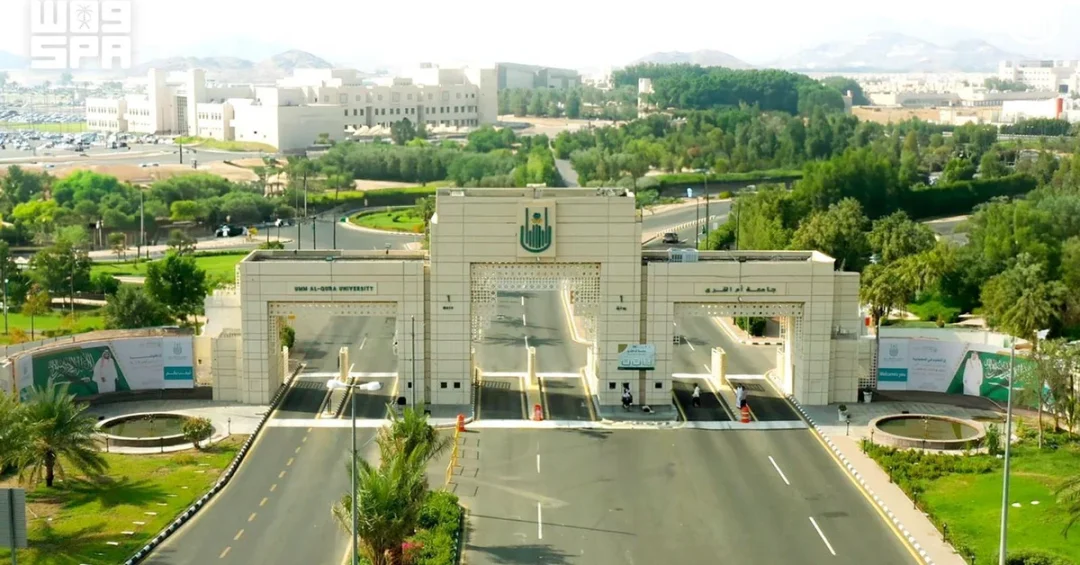
A delegation of international students from Hamad Bin Khalifa University in Qatar explored Saudi Arabia’s national heritage and the Kingdom’s care for the Two Holy Mosques during an educational visit to the Cultural Front at Umm Al-Qura University in Makkah, in a program announced through official Saudi channels. The visit, reported by the Saudi Press Agency on October 18, 2026, offered participants a structured cultural and educational experience designed to deepen understanding of the Kingdom’s history and its civilizational heritage, while showcasing the academic and institutional efforts that support the holy sites.
The delegation’s program at the Cultural Front combined guided exhibits, historical artifacts, and interpretive displays documenting successive periods of Islamic history, with particular emphasis on the facilities and services dedicated to the Two Holy Mosques. For the visiting students, the experience represented a shift from passive information-gathering to direct engagement with material evidence of the Kingdom’s historical continuity. It also underlined the role that Saudi academic institutions play in connecting education, culture, and heritage for audiences from beyond the Kingdom’s borders. Why does a single university visit matter in a country undergoing such rapid transformation?
Context and Background
Umm Al-Qura University occupies a distinctive position within Saudi higher education. Established in Makkah and named for the historic designation of the holy city, the university has long functioned as a center for Islamic studies, Arabic language scholarship, and research related to the Two Holy Mosques and the pilgrimage. Its Cultural Front was developed as a dedicated space where academic knowledge is translated into public-facing exhibits, allowing visitors to encounter historical documentation in a curated environment rather than through textbooks alone.
The visit by students from Hamad Bin Khalifa University in Qatar reflects a broader pattern of academic and cultural exchange across the Gulf region. Qatar’s Hamad Bin Khalifa University is a research-intensive institution with programs spanning Islamic studies, public policy, and the humanities, and its students represent a natural audience for heritage-focused programming in Makkah. The exchange also aligns with the Kingdom’s wider effort to present Saudi heritage as a shared Islamic and Arab asset rather than a purely national one.
Official Saudi information channels, including the Saudi Press Agency, present such visits as part of a sustained program of cultural diplomacy. The Kingdom’s ministries, universities, and heritage authorities have increasingly coordinated to host international delegations, scholars, and students, using academic institutions as platforms for cultural engagement. What makes Makkah uniquely suited to host this kind of educational exchange?
Key Details of the Visit
According to the official account, the delegation toured exhibits and artifacts documenting multiple periods of Islamic history. The displays highlighted the historical and ongoing efforts to serve the Two Holy Mosques and to care for their facilities, giving visitors a tangible sense of how the Kingdom’s custodianship has evolved over time. Students were able to engage directly with the material on display, moving beyond receiving information to interacting with the evidence itself.
The Cultural Front’s presentation emphasized the connection between academic research and public education. By organizing historical knowledge into accessible exhibits, the institution enriches the visitor experience and demonstrates how universities can serve as bridges between scholarship, culture, and heritage. The students’ impressions, as reported, reflected the educational and cultural value of the visit, suggesting that the programming achieved its intended effect of enhancing awareness of the Kingdom’s civilizational heritage.
The visit also functioned as a platform for exchange among students from diverse backgrounds, reinforcing cultural engagement and the sharing of perspectives. Such interactions are designed to foster a deeper understanding of Saudi Arabia’s history and its standing in the Islamic world, particularly among young people who will carry forward regional relationships in the years ahead. How do direct encounters with heritage sites and artifacts shape international perceptions more effectively than secondhand accounts?
International and Regional Impact
The presence of a Qatari academic delegation in Makkah carries symbolic weight in the Gulf context, where educational and cultural cooperation has become an increasingly important dimension of regional relations. Student exchanges of this kind build familiarity and trust at the people-to-people level, complementing the diplomatic and economic ties that connect the Kingdom with its neighbors. For Hamad Bin Khalifa University’s students, the visit provided firsthand exposure to Saudi institutions and heritage infrastructure.
Beyond the Gulf, the visit fits into a wider international pattern in which Saudi universities host delegations from Asia, Africa, Europe, and the Americas. These programs allow the Kingdom to present its historical narrative and its custodianship of the Two Holy Mosques to global audiences in a setting that is both educational and welcoming. The result is a form of cultural diplomacy that operates through scholarship and hospitality rather than formal negotiation.
Regional academic cooperation also supports the exchange of expertise in fields such as archaeology, conservation, museum studies, and archival research. When institutions like Umm Al-Qura University open their cultural facilities to visiting students, they create channels for future collaboration among researchers and professionals. Could these academic connections eventually influence broader patterns of regional integration?
Economic and Strategic Significance
While the visit was primarily educational, it sits within a strategic framework that treats culture and heritage as assets with long-term value. Saudi Arabia’s cultural sector has expanded significantly as part of national development planning, with museums, heritage sites, and cultural districts attracting both domestic and international visitors. Academic institutions contribute to this ecosystem by training specialists, conducting research, and providing venues where heritage can be interpreted and presented.
The Kingdom’s care for the Two Holy Mosques represents one of the most visible and sustained commitments in the Islamic world, involving large-scale infrastructure, crowd management, environmental services, and continuous maintenance. Showcasing these efforts to international students helps communicate the scale and seriousness of that responsibility. It also reinforces the connection between the holy sites and the broader cultural, economic, and academic life of the country.
From a strategic perspective, educational exchanges strengthen Saudi Arabia’s soft power and its position as a convening power in the Islamic world. By hosting students from partner institutions, the Kingdom builds networks of alumni and scholars who carry positive associations with Saudi institutions into their future careers. What economic and diplomatic returns can a country expect from sustained investment in cultural and academic exchange?
Heritage, Education, and the Visitor Experience
The Cultural Front’s approach reflects a deliberate philosophy: heritage is most effective when it is experienced rather than merely described. Exhibits that document Islamic history and the development of the Two Holy Mosques allow visitors to trace continuity across centuries, connecting past achievements with present-day services. This method of presentation supports educational objectives while also creating a memorable visitor experience.
Universities in the Kingdom have increasingly adopted similar models, integrating museums, archives, and interpretive centers into their campuses. These facilities serve students and researchers but also welcome external audiences, including international delegations. The result is a network of cultural infrastructure that supports both academic missions and national heritage goals, while providing platforms for dialogue among people of different backgrounds.
For the visiting students, the experience offered a chance to see how Saudi Arabia interprets its own history and how it presents that history to others. That interpretive dimension is significant, because it shapes how international audiences understand the Kingdom’s role in the Islamic world and its stewardship of sites of global religious importance. How can educational institutions ensure that heritage programming remains both authentic and accessible to diverse audiences?
Vision 2030 Alignment
The visit aligns closely with Saudi Vision 2030’s emphasis on culture, education, and international engagement as drivers of national development. Vision 2030 calls for a vibrant cultural sector, expanded educational exchange, and a stronger global presence for Saudi institutions. Programs that bring international students to Saudi universities and heritage sites directly support these objectives by building connections and showcasing the Kingdom’s cultural depth.
Umm Al-Qura University’s Cultural Front exemplifies how academic institutions can contribute to the vision by serving as centers of knowledge and cultural diplomacy. By hosting delegations such as the one from Hamad Bin Khalifa University, the university advances both its educational mission and the national goal of presenting Saudi Arabia as a hub of scholarship, heritage, and hospitality. These efforts reinforce the Kingdom’s long-term role as a global center for Islamic learning and cultural exchange.
As Saudi Arabia continues to invest in museums, heritage preservation, and academic partnerships, visits of this kind are likely to become more frequent and more varied. Each delegation that passes through Makkah carries away direct experience of the Kingdom’s history and its care for the Two Holy Mosques, contributing to a broader international understanding of Saudi Arabia’s place in the region and the world.
20 Questions
Q1. What was the purpose of the international student visit to Umm Al-Qura University?
A1. The visit aimed to introduce students from Hamad Bin Khalifa University in Qatar to Saudi Arabia’s national heritage and the Kingdom’s care for the Two Holy Mosques through educational exhibits and artifacts at the Cultural Front.
Q2. Which university did the visiting delegation come from?
A2. The delegation consisted of international students from Hamad Bin Khalifa University in Qatar, a research-intensive institution with programs in Islamic studies, public policy, and the humanities.
Q3. Where is the Cultural Front located?
A3. The Cultural Front is located at Umm Al-Qura University in Makkah, a city that holds special significance in Islamic history and hosts the Two Holy Mosques.
Q4. What did the exhibits at the Cultural Front document?
A4. The exhibits documented multiple periods of Islamic history and highlighted efforts to serve the Two Holy Mosques and care for their facilities, enhancing awareness of the Kingdom’s civilizational heritage.
Q5. When was the visit reported by the Saudi Press Agency?
A5. The Saudi Press Agency reported the visit on October 18, 2026, describing it as an educational and cultural experience for the visiting students.
Q6. How did the visit differ from passive information gathering?
A6. The visit allowed students to engage directly with exhibits and artifacts, moving beyond receiving information to interacting with material evidence of Islamic history and Saudi heritage.
Q7. What role do academic institutions play in presenting historical knowledge?
A7. Academic institutions present historical knowledge in ways that enrich the visitor experience and connect education, culture, and heritage, strengthening cultural engagement among diverse audiences.
Q8. Why is cultural exchange important for Saudi Arabia’s regional relations?
A8. Cultural exchange builds familiarity and trust at the people-to-people level, complementing diplomatic and economic ties and supporting long-term cooperation across the Gulf region.
Q9. What does the term Two Holy Mosques refer to?
A9. The term refers to the Grand Mosque in Makkah and the Prophet’s Mosque in Madinah, the two holiest sites in Islam, which Saudi Arabia is responsible for serving and maintaining.
Q10. How does the visit support Saudi Vision 2030?
A10. The visit supports Vision 2030 by promoting cultural exchange, expanding educational connections, and showcasing Saudi Arabia’s heritage and academic institutions to international audiences.
Q11. What benefits do visiting students gain from such programs?
A11. Visiting students gain firsthand exposure to Saudi history, heritage infrastructure, and academic institutions, deepening their understanding of the Kingdom’s role in the Islamic world.
Q12. How does Umm Al-Qura University contribute to heritage education?
A12. The university operates the Cultural Front, which translates academic knowledge into public-facing exhibits and welcomes international delegations, connecting scholarship with cultural engagement.
Q13. What kinds of facilities support the care of the Two Holy Mosques?
A13. The care involves large-scale infrastructure, crowd management, environmental services, and continuous maintenance, all of which are documented in the Cultural Front’s exhibits.
Q14. Why is Makkah an important location for cultural diplomacy?
A14. Makkah’s religious significance and its role in Islamic history make it a powerful setting for cultural diplomacy, allowing visitors to encounter heritage in its original context.
Q15. What does the Cultural Front aim to achieve for visitors?
A15. The Cultural Front aims to enrich the visitor experience by presenting historical knowledge in accessible ways, connecting education, culture, and heritage for diverse audiences.
Q16. How do such visits strengthen Saudi Arabia’s soft power?
A16. By hosting international students and showcasing heritage, Saudi Arabia builds networks of alumni and scholars who carry positive associations into their future careers, strengthening its global influence.
Q17. What fields benefit from regional academic cooperation?
A17. Fields such as archaeology, conservation, museum studies, and archival research benefit from cooperation, as institutions share expertise and create channels for future collaboration.
Q18. How does the Kingdom present its custodianship of the holy sites?
A18. The Kingdom presents its custodianship through exhibits, official communications, and educational programs that document the scale and continuity of its service to the Two Holy Mosques.
Q19. What impression did the visit leave on the participating students?
A19. According to official reports, the students’ impressions reflected the visit’s educational and cultural value, particularly its ability to convey the Kingdom’s history and heritage directly.
Q20. What does the future hold for Saudi cultural and academic exchange?
A20. As Saudi Arabia invests further in museums, heritage preservation, and academic partnerships, such visits are expected to become more frequent, expanding international understanding of the Kingdom’s role.
Reader Feedback
We value your thoughts. Please share your feedback on this article.
Your feedback helps us improve our coverage.