


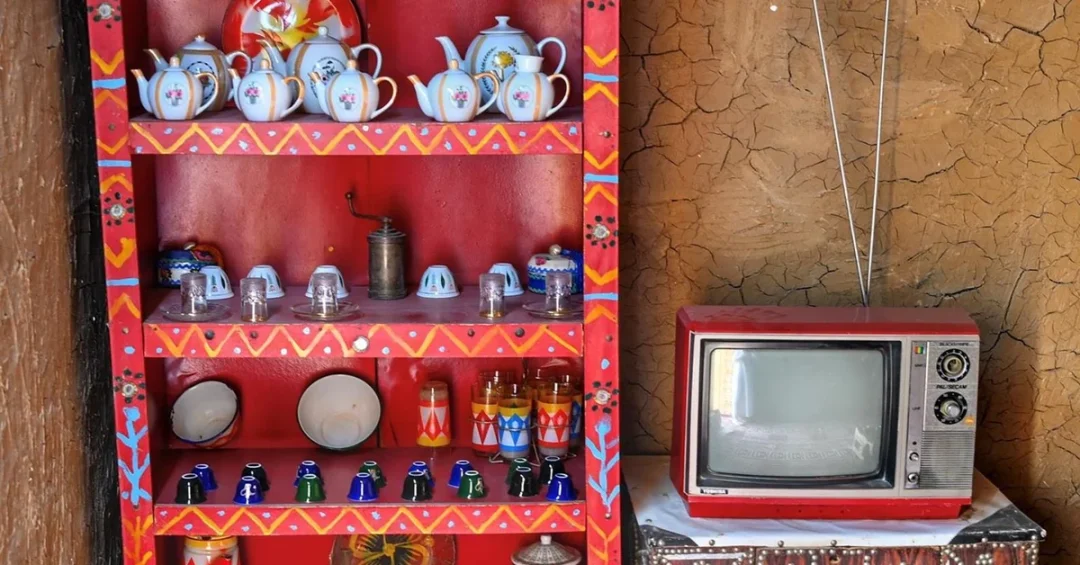
Makkah has reaffirmed the enduring value of its intangible cultural heritage as the world marked the International Day of Intangible Cultural Heritage on October 17, with the holy city’s distinctive traditions of hospitality, cuisine, dress, and folk arts standing as a living testament to its unique place in Islamic and human history. The occasion, observed annually, underscores the importance of preserving inherited practices as an integral part of communities’ national identity and as a safeguard against the erosion of cultural memory amid rapid global transformation. In Makkah, that heritage is not a relic of the past but a daily reality, expressed in the warmth with which residents welcome pilgrims and visitors from every corner of the world.
According to information released through official Saudi channels, including the Saudi Press Agency, Makkah’s cultural and social character has been shaped over centuries by its religious and historical significance and by its role as a gathering place for pilgrims, Umrah performers, and visitors. This continuous exchange has contributed to a remarkable diversity of customs and social practices, giving rise to distinctive styles of dress, food, hospitality, and folk arts that have become part of the city’s unique identity. The observance of the International Day of Intangible Cultural Heritage offers an opportunity to reflect on how these traditions continue to enrich both the local community and the millions who journey to the city each year.
Context and Background
Why does the preservation of intangible cultural heritage matter so deeply in a city like Makkah? The answer lies in the city’s singular position as a spiritual and cultural crossroads. Unlike tangible heritage, which is preserved in museums and monuments, intangible heritage lives in the practices, skills, and expressions passed from one generation to the next. In Makkah, these include the values of generosity toward guests, warm hospitality, social solidarity, and strong community ties that are woven into the fabric of daily life. These values are not abstract ideals; they are enacted in social occasions, holidays, the holy month of Ramadan, and the Hajj and Umrah seasons through customs involving family gatherings, sharing food, welcoming guests, serving coffee and dates, and celebrating with neighbors and relatives.
The International Day of Intangible Cultural Heritage, observed every October 17, was established to raise awareness of the importance of safeguarding these living expressions of culture. It recognizes that intangible heritage is a vital component of national identity and a source of resilience for communities facing the pressures of globalization. For Makkah, the day carries added resonance. The city’s heritage reflects the interaction of human cultures across the ages, a product of its unique role as a destination for pilgrims from diverse backgrounds. Preserving this legacy is a shared responsibility that requires coordinated efforts by institutions, families, practitioners, and researchers to ensure the continuity of inherited practices and safeguard their cultural and social value.
Official Saudi sources emphasize that Makkah’s cultural heritage is inseparable from its spiritual significance. The city’s traditions have evolved through centuries of welcoming travelers, and that history of openness has created a cultural tapestry that is both deeply rooted and dynamically adaptive. As Saudi Arabia advances its Vision 2030 objectives, the preservation and celebration of this heritage form part of a broader national commitment to cultural sustainability, community well-being, and the promotion of the Kingdom’s rich history to a global audience.
Key Details
What are the specific expressions of Makkah’s intangible heritage that make it so distinctive? Traditional Makkah cuisine stands out as one of the most prominent expressions of this heritage, featuring a variety of popular dishes, sweets, and other foods. Their significance extends beyond ingredients and preparation methods to include the stories, customs, and ways of serving and sharing them that reflect the city’s social life. Dishes prepared for Ramadan, Eid, and Hajj seasons are often tied to communal rituals, where the act of sharing food becomes a statement of generosity and belonging. The serving of Arabic coffee and dates, for instance, is not merely a refreshment but a symbolic gesture of welcome that has been refined over generations.
Traditional crafts and old professions also form an important part of the city’s cultural memory. These include crafts associated with pottery products and traditional household utensils, as well as other handiwork that has historically supported daily life in Makkah. Documenting these skills is particularly important for preserving inherited knowledge and highlighting its value as part of Makkah’s history of work and production. Artisans who practice these crafts are custodians of knowledge that cannot be fully captured in written records; it lives in their hands and in the techniques they transmit to apprentices. Recognizing their role is essential to any comprehensive heritage strategy.
Folk arts, too, play a vital role in Makkah’s cultural landscape. These include traditional performances, songs, and dances that accompany weddings, religious festivals, and community gatherings. While some of these arts have evolved with the times, their core function remains the same: to strengthen social bonds and to celebrate shared identity. The diversity of Makkah’s population, enriched by the presence of pilgrims and residents from many backgrounds, has contributed to a dynamic folk culture that continues to absorb and integrate new influences while remaining anchored in local tradition.
International and Regional Impact
How does Makkah’s intangible cultural heritage resonate beyond the city’s borders? Celebrating this heritage carries significance far beyond Makkah itself, given its place in the Islamic consciousness and its rich heritage, which reflects the interaction of human cultures across the ages. For Muslims around the world, Makkah is not only the direction of prayer but also a cultural beacon. The customs and traditions of the city are experienced firsthand by millions of pilgrims each year, who return to their home countries carrying memories of Makkah’s hospitality and cultural richness. In this way, Makkah’s intangible heritage is continuously exported and reinterpreted across the globe, creating a shared cultural patrimony that transcends national boundaries.
Regionally, Makkah’s heritage is part of the broader cultural fabric of the Arabian Peninsula, which has long been a crossroads of civilizations. The city’s traditions of hospitality, solidarity, and community support are echoed in various forms across the Gulf and the wider Middle East, yet they acquire a unique character in Makkah due to its religious centrality. The preservation of these traditions aligns with international efforts, including those led by UNESCO, to safeguard intangible cultural heritage worldwide. Saudi Arabia’s commitment to documenting and promoting these practices contributes to global cultural diversity and fosters cross-cultural understanding. It also reinforces the Kingdom’s role as a responsible steward of heritage that belongs to all of humanity.
Economic and Strategic Significance
What economic and strategic value does intangible cultural heritage hold for Makkah and Saudi Arabia? The preservation of traditional crafts, cuisine, and folk arts can stimulate local economies by supporting artisans, small businesses, and cultural tourism. As Saudi Arabia continues to expand its tourism sector under Vision 2030, cultural experiences become a key differentiator. Visitors to Makkah, whether pilgrims or tourists, increasingly seek authentic encounters with local culture. Traditional food markets, craft workshops, and heritage festivals can provide meaningful employment and income for residents while enriching the visitor experience.
Strategically, the promotion of intangible cultural heritage strengthens social cohesion and national identity. It reinforces the connection between the present generation and the deep history of the city, fostering pride and a sense of continuity. This is particularly important in a rapidly modernizing society. By integrating heritage preservation into urban development and educational curricula, Saudi Arabia ensures that progress does not come at the expense of cultural authenticity. The documentation of old professions and crafts also contributes to knowledge economies, as researchers and institutions study and archive these practices for future generations. Moreover, heritage preservation supports the Kingdom’s soft power by showcasing a vibrant, culturally rich society that honors its past while embracing the future.
Vision 2030 Alignment
How does the celebration of Makkah’s intangible cultural heritage align with Saudi Arabia’s Vision 2030? Vision 2030 seeks to build a thriving economy, a vibrant society, and an ambitious nation. Cultural heritage is a cornerstone of the vibrant society pillar, which aims to strengthen national identity and promote cultural expression. The preservation of Makkah’s traditions directly supports this goal by safeguarding the practices that define the city’s character and by creating opportunities for community engagement and pride. Initiatives to document crafts, celebrate local cuisine, and promote folk arts are part of a broader national effort to invest in culture as a driver of social and economic development.
Furthermore, Vision 2030 emphasizes the importance of enhancing the quality of life for citizens and residents. Cultural activities and heritage preservation contribute to this by providing avenues for creative expression, intergenerational exchange, and community bonding. As Saudi Arabia welcomes increasing numbers of pilgrims and tourists, the authentic presentation of Makkah’s heritage enhances the spiritual and cultural experience of visitors, reinforcing the Kingdom’s reputation as a gracious host. The commitment to preserving intangible cultural heritage is thus not only a matter of cultural conservation but also a strategic investment in the nation’s future, ensuring that Makkah’s legacy continues to inspire and unite people for generations to come.
20 Questions
Q1. What is the International Day of Intangible Cultural Heritage?
A1. It is an annual observance held on October 17 to highlight the importance of preserving living heritage, such as customs, crafts, and oral traditions, as part of communities’ national identity and to raise awareness of the need to protect it from disappearing.
Q2. Why is Makkah’s intangible cultural heritage considered unique?
A2. Makkah’s heritage is shaped by its religious and historical significance and its role as a gathering place for pilgrims from around the world, which has created a distinctive blend of customs, dress, food, hospitality, and folk arts.
Q3. What are some examples of Makkah’s intangible cultural heritage?
A3. Examples include the values of generosity and hospitality, traditional cuisine with its dishes and sweets, styles of dress, folk arts, and traditional crafts such as pottery and household utensil making.
Q4. How are hospitality and social solidarity expressed in Makkah’s culture?
A4. They are expressed through family gatherings, sharing food, welcoming guests, serving coffee and dates, and celebrating occasions with neighbors and relatives, especially during Ramadan and the Hajj and Umrah seasons.
Q5. What role does traditional Makkah cuisine play in the city’s heritage?
A5. Traditional cuisine is a prominent expression of heritage, encompassing not only ingredients and preparation but also the stories, customs, and ways of serving and sharing food that reflect Makkah’s social life.
Q6. Why is documenting traditional crafts and old professions important?
A6. Documenting these skills preserves inherited knowledge, highlights their value as part of Makkah’s history of work and production, and ensures that future generations can learn from and appreciate these traditions.
Q7. How does Makkah’s heritage reflect the interaction of human cultures?
A7. Centuries of receiving pilgrims and visitors from diverse backgrounds have enriched Makkah’s customs and practices, creating a cultural tapestry that reflects the exchange and integration of various human traditions over time.
Q8. Who is responsible for preserving Makkah’s intangible cultural heritage?
A8. Preservation is a shared responsibility requiring coordinated efforts by institutions, families, practitioners, and researchers to ensure the continuity of inherited practices and safeguard their cultural and social value.
Q9. How does the celebration of intangible heritage benefit Makkah economically?
A9. It can stimulate local economies by supporting artisans, small businesses, and cultural tourism, providing employment and income while enriching the visitor experience with authentic cultural encounters.
Q10. What is the significance of Makkah’s heritage beyond the city itself?
A10. Given Makkah’s place in the Islamic consciousness, its heritage holds significance for Muslims worldwide, and its preservation contributes to global cultural diversity and cross-cultural understanding.
Q11. How does Vision 2030 support cultural heritage preservation?
A11. Vision 2030 includes a vibrant society pillar that aims to strengthen national identity and promote cultural expression, with initiatives to document crafts, celebrate local cuisine, and promote folk arts as part of national development.
Q12. What are some traditional folk arts in Makkah?
A12. Folk arts include traditional performances, songs, and dances that accompany weddings, religious festivals, and community gatherings, serving to strengthen social bonds and celebrate shared identity.
Q13. How does the serving of coffee and dates reflect Makkah’s culture?
A13. Serving Arabic coffee and dates is a symbolic gesture of welcome and generosity that has been refined over generations, embodying the city’s deep-rooted traditions of hospitality toward guests.
Q14. Why is intangible heritage at risk of disappearing?
A14. Rapid global transformations, urbanization, and changing lifestyles can lead to the erosion of traditional practices, making it essential to actively document and transmit them to younger generations.
Q15. How can visitors experience Makkah’s intangible heritage?
A15. Visitors can experience it through interactions with residents, participation in cultural events, tasting traditional cuisine, and observing crafts, all of which offer authentic insights into the city’s living traditions.
Q16. What role do families play in preserving Makkah’s heritage?
A16. Families are primary custodians of intangible heritage, passing down customs, recipes, and skills to children through daily practices and celebrations, ensuring continuity across generations.
Q17. How does the preservation of heritage align with Saudi Arabia’s national identity?
A17. Preserving heritage reinforces the connection between the present generation and the deep history of the city, fostering pride, social cohesion, and a sense of continuity in a rapidly modernizing society.
Q18. What are some traditional dishes associated with Makkah?
A18. Makkah’s traditional cuisine features a variety of popular dishes and sweets, often prepared for Ramadan, Eid, and Hajj seasons, with recipes and serving customs passed down through generations.
Q19. How can researchers contribute to heritage preservation?
A19. Researchers can document practices, record oral histories, study crafts, and collaborate with practitioners to create archives that safeguard knowledge and inform future preservation strategies.
Q20. What is the ultimate goal of celebrating intangible cultural heritage in Makkah?
A20. The goal is to ensure the continuity of inherited practices, safeguard their cultural and social value, and share Makkah’s rich legacy with the world as part of Saudi Arabia’s Vision 2030 and global cultural efforts.
Reader Feedback
We value your thoughts. Please share your feedback on this article.
Your feedback helps us improve our coverage.