


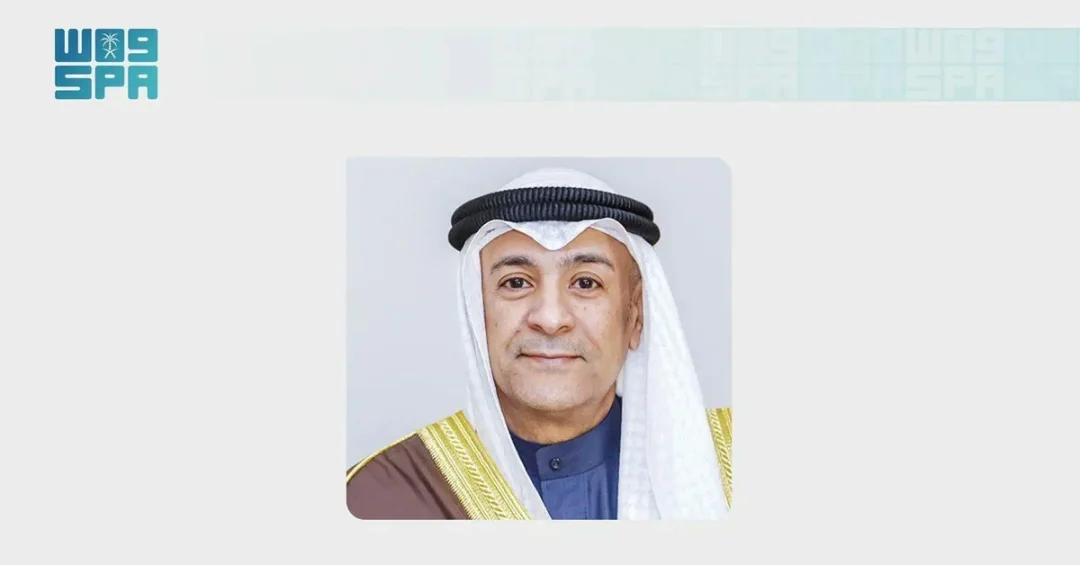
GCC Secretary-General Jasem Mohamed Albudaiwi affirmed on Sunday that the Gulf Cooperation Council member states attach particular importance to consolidating relations with the Russian Federation, underscoring a shared commitment to advancing cooperation and coordination during the Ninth Joint Ministerial Meeting of the GCC-Russia Strategic Dialogue in Manama, Bahrain. The meeting, chaired by Bahrain’s Minister of Foreign Affairs Dr Abdullatif bin Rashid Al Zayani, in his capacity as Chairman of the current session of the Ministerial Council, brought together the foreign ministers of the GCC member states and Russian Foreign Minister Sergey Lavrov. The gathering reflected a deepening partnership between the Gulf states and Moscow at a time of significant regional and international turbulence.
The Strategic Dialogue, now in its ninth ministerial session, has become a central platform for structured engagement between the GCC and Russia on political, security, and economic matters. According to information released through official Saudi channels, including the Saudi Press Agency, the meeting addressed a broad agenda spanning regional security, maritime navigation, energy supplies, and humanitarian concerns. The discussions underscored the GCC’s consistent approach of pursuing dialogue and diplomacy as tools for resolving crises and building trust between parties. For Saudi Arabia and its Gulf partners, the dialogue represents a strategic channel for advancing shared interests and reinforcing the region’s stability architecture.
Context and Background
Why does the GCC-Russia Strategic Dialogue matter more today than at any previous point in its history? The answer lies in the scale of the challenges confronting the Gulf region. Secretary-General Albudaiwi described the current moment as an exceptionally critical juncture, noting that GCC member states are facing unprecedented attacks undermining their security and sovereignty, while maritime navigation and energy supplies are confronted with direct threats. This context gives the ministerial meeting a heightened significance that goes beyond routine diplomacy.
The GCC, established in 1981, comprises Saudi Arabia, the United Arab Emirates, Bahrain, Kuwait, Oman, and Qatar. Together, these states represent a substantial share of global energy production and sit astride some of the world’s most important trade routes, including the Strait of Hormuz and the Bab al-Mandeb. Russia, as a permanent member of the United Nations Security Council, holds considerable diplomatic weight in international forums. The Strategic Dialogue between the two sides has evolved into a mechanism for aligning positions on issues of common concern while respecting each party’s sovereignty and interests.
Albudaiwi’s remarks made clear that the relationship is built on shared interests and a mutual desire to advance cooperation and coordination, paving the way for broader horizons of GCC-Russian partnership. The fact that the meeting took place in Manama, under Bahrain’s chairmanship of the Ministerial Council, highlights the collective nature of the GCC’s engagement with Moscow. It is not a bilateral arrangement but a unified Gulf position expressed through a single institutional channel, which lends the dialogue added weight and coherence.
Key Details
What specific threats did the Secretary-General identify as driving the urgency of GCC-Russia coordination? Foremost among the grave challenges, Albudaiwi said, are the Iranian attacks that have targeted GCC member states, involving more than 7,000 ballistic missiles and unmanned aerial vehicles. These attacks struck airports, ports, power stations, water desalination plants, and oil and gas facilities, claiming the lives of innocent civilians in a war in which the GCC states were not a party. The scale and breadth of these strikes illustrate the severity of the security environment facing the Gulf.
The Secretary-General further noted that these aggressions were not limited to direct Iranian strikes but extended to attacks by the terrorist Houthi militia, which escalated its assaults on the Kingdom of Saudi Arabia by targeting airports, civilian objects, and energy facilities. Foremost among these was the attack on King Khalid International Airport in Riyadh on October 10, which Albudaiwi described as a brutal attack in flagrant violation of international law and international humanitarian law. In this context, he affirmed the GCC’s united stance alongside Saudi Arabia, its full solidarity, and its absolute support for all measures taken to protect the Kingdom’s security, sovereignty, and the safety of its citizens and residents.
The Secretary-General also addressed the disruption of maritime navigation, noting that Iran’s actions in the Strait of Hormuz and attempts to impose restrictions and transit fees on the right of transit passage, alongside threats posed by its proxies to navigation in Bab al-Mandeb and the Red Sea, stand as a violation of international rules governing transit in straits used for international navigation. He stressed the GCC’s firm position on the necessity of restoring maritime traffic in the Strait of Hormuz and underscored the importance of the full implementation of UN Security Council Resolution 2817 (2026), which condemned in the strongest terms the Iranian attacks on GCC member states and the Hashemite Kingdom of Jordan. The GCC also called upon the international community to adopt a firm and deterrent posture against attacks targeting the Kingdom’s security and stability, condemning the threat they pose to regional peace and security and their violation of relevant UN Security Council resolutions, particularly Resolution 2722.
International and Regional Impact
How does the GCC’s outreach to Russia shape the broader regional security landscape? The Secretary-General said the GCC looks forward to the Russian Federation, in its capacity as a permanent member of the UN Security Council, playing an active role in urging Iran to comply with Resolution 2817 (2026), cease its attacks, respect freedom of navigation, and engage in serious dialogue with the GCC states based on the principles of good neighborliness, respect for sovereignty, and non-interference in internal affairs. This appeal reflects the GCC’s strategic calculation that Russia’s diplomatic leverage can contribute meaningfully to de-escalation and to upholding international law.
The dialogue also addressed the Palestinian cause, which Albudaiwi said remains at the forefront of the GCC’s priorities. He reaffirmed the GCC’s firm position in support of the legitimate rights of the Palestinian people, foremost among them the establishment of their independent state along the borders of June 4, 1967, with East Jerusalem as its capital, in accordance with the resolutions of international legitimacy and the Arab Peace Initiative. The Secretary-General expressed the GCC’s appreciation for Russia’s firm position in support of the establishment of an independent Palestinian state and its recognition of the State of Palestine since 1988. He reiterated the GCC’s support for consolidating the ceasefire in the Gaza Strip and proceeding with the implementation of the second phase, in a manner that ensures complete Israeli withdrawal, unhindered access to humanitarian assistance, and support for the continued work of UNRWA in carrying out its mandate.
Regarding Syria, Albudaiwi underlined the GCC’s firm position backing the sovereignty, independence, and territorial integrity of the Syrian Arab Republic. He emphasized the importance of supporting efforts aimed at bolstering its security and stability and fulfilling the aspirations of the Syrian people for security, development, and prosperity in order to contribute to consolidating security and stability in the region. On the Russia-Ukraine crisis, the Secretary-General reiterated the GCC’s position on the importance of prioritizing dialogue and diplomacy and supporting all efforts aimed at reaching a peaceful, comprehensive political solution in accordance with the principles of international law and the Charter of the United Nations.
Economic and Strategic Significance
What does the GCC’s diplomatic engagement with Russia mean for global energy security and trade? The Strait of Hormuz remains the world’s most critical energy chokepoint, and any disruption to navigation there carries immediate consequences for oil and gas markets, food security, and international supply chains. The Secretary-General’s emphasis on restoring maritime traffic and upholding transit rights speaks directly to the economic interests of not only the Gulf states but also the wider international community. Russia, as a major energy producer and UN Security Council member, has a vested interest in stable energy markets and predictable maritime corridors.
Albudaiwi highlighted the GCC’s pride in the tangible contributions made by its member states to alleviating the humanitarian repercussions of the Russia-Ukraine crisis. These include the UAE’s mediation efforts, which resulted in the exchange of thousands of prisoners between the two sides, Saudi Arabia’s endeavors in hosting talks in Jeddah and Riyadh between the parties concerned, and Qatar’s mediation initiatives, which facilitated the reunification of more than 100 children with their families. He underscored that these efforts reflect the GCC states’ consistent approach to supporting peaceful endeavors and building trust between the parties. This record of constructive engagement reinforces the Gulf’s credibility as a partner in international peacemaking.
The strategic dialogue also serves as a vehicle for expanding economic and investment cooperation between the GCC and Russia. While the official statement focused on political and security matters, the institutional framework of the dialogue provides a platform for exploring trade, technology, and investment opportunities that align with the GCC’s economic diversification goals. For Saudi Arabia, in particular, engagement with Russia complements its broader outreach to major powers under the Kingdom’s Vision 2030 framework, which seeks to position the country as a hub for diplomacy, trade, and investment connecting Asia, Europe, and Africa.
Vision 2030 Alignment
How does the GCC-Russia Strategic Dialogue connect to Saudi Arabia’s long-term vision for the region? Saudi Arabia’s Vision 2030, launched under the leadership of Crown Prince Mohammed bin Salman, aims to diversify the Kingdom’s economy, strengthen its global partnerships, and enhance its role as a stabilizing force in the region and beyond. The GCC’s unified engagement with Russia reflects these objectives by promoting dialogue, supporting peaceful resolutions to conflicts, and protecting the free flow of energy and trade that underpins global prosperity. The Kingdom’s hosting of talks in Jeddah and Riyadh between parties to the Russia-Ukraine crisis exemplifies this proactive diplomatic posture.
The Ninth Joint Ministerial Meeting concluded with a clear message: the GCC member states, led by Saudi Arabia, remain committed to consolidating relations with the Russian Federation based on shared interests and mutual respect. As the region confronts unprecedented security challenges, the Strategic Dialogue offers a channel for coordination that serves the interests of stability, sovereignty, and international law. The GCC’s call for firm international action against attacks on its member states, coupled with its openness to diplomacy, demonstrates a balanced and principled approach. Looking ahead, the partnership between the GCC and Russia is poised to contribute to a more secure and prosperous region, consistent with Vision 2030’s ambition to build a resilient, forward-looking Saudi Arabia at the heart of a stable Gulf.
20 Questions
Q1. What was the main purpose of the Ninth Joint Ministerial Meeting of the GCC-Russia Strategic Dialogue?
A1. The meeting aimed to advance cooperation and coordination between the GCC member states and the Russian Federation on regional and international issues of common concern, based on shared interests and a mutual desire to strengthen their strategic partnership.
Q2. Who chaired the Ninth Joint Ministerial Meeting in Manama?
A2. The meeting was chaired by Bahrain’s Minister of Foreign Affairs, Dr Abdullatif bin Rashid Al Zayani, in his capacity as Chairman of the current session of the Ministerial Council, with Russian Foreign Minister Sergey Lavrov in attendance.
Q3. What did GCC Secretary-General Jasem Mohamed Albudaiwi say about the importance of relations with Russia?
A3. Albudaiwi underlined that GCC member states attach particular importance to consolidating relations with the Russian Federation, based on shared interests and a mutual desire to advance cooperation and pave the way for broader partnership horizons.
Q4. What regional challenges did the Secretary-General highlight during his address?
A4. He highlighted unprecedented attacks undermining GCC security and sovereignty, direct threats to maritime navigation and energy supplies, and the need to intensify consultations on these critical regional and international issues.
Q5. What specific Iranian attacks did the Secretary-General mention?
A5. He noted that Iranian attacks involved more than 7,000 ballistic missiles and unmanned aerial vehicles targeting airports, ports, power stations, water desalination plants, and oil and gas facilities, causing civilian casualties.
Q6. How did the GCC respond to attacks on Saudi Arabia, including the strike on King Khalid International Airport?
A6. The GCC affirmed its united stance alongside Saudi Arabia, expressed full solidarity, and supported all measures taken to protect the Kingdom’s security, sovereignty, and the safety of its citizens and residents.
Q7. What did Albudaiwi say about maritime navigation in the Strait of Hormuz?
A7. He said Iran’s disruption of maritime navigation and attempts to impose transit fees violate international rules and threaten global energy security, food security, and international supply chains, stressing the need to restore maritime traffic.
Q8. Which UN Security Council resolutions did the Secretary-General reference?
A8. He referenced Resolution 2817 (2026), which condemned Iranian attacks on GCC member states and Jordan, and Resolution 2722, which addresses threats to regional peace and security.
Q9. What role does the GCC want Russia to play regarding Iran?
A9. The GCC looks forward to Russia, as a permanent UN Security Council member, urging Iran to comply with Resolution 2817, cease attacks, respect freedom of navigation, and engage in serious dialogue with GCC states.
Q10. What is the GCC’s position on the Palestinian cause?
A10. The GCC supports the legitimate rights of the Palestinian people, including establishing an independent state along the June 4, 1967 borders with East Jerusalem as its capital, in line with international legitimacy and the Arab Peace Initiative.
Q11. How did the Secretary-General acknowledge Russia’s stance on Palestine?
A11. He expressed the GCC’s appreciation for Russia’s firm position supporting the establishment of an independent Palestinian state and its recognition of the State of Palestine since 1988.
Q12. What did Albudaiwi say about the ceasefire in Gaza?
A12. He reiterated the GCC’s support for consolidating the ceasefire in Gaza and proceeding with the second phase, ensuring complete Israeli withdrawal, unhindered humanitarian access, and continued UNRWA operations.
Q13. What is the GCC’s position on Syria?
A13. The GCC backs the sovereignty, independence, and territorial integrity of Syria, and supports efforts to bolster its security and stability and fulfill the aspirations of the Syrian people for development and prosperity.
Q14. How did the Secretary-General address the Russia-Ukraine crisis?
A14. He reiterated the GCC’s position on prioritizing dialogue and diplomacy and supporting all efforts toward a peaceful, comprehensive political solution in accordance with international law and the UN Charter.
Q15. What humanitarian contributions by GCC states did Albudaiwi highlight?
A15. He highlighted the UAE’s mediation leading to prisoner exchanges, Saudi Arabia’s hosting of talks in Jeddah and Riyadh, and Qatar’s mediation that reunited more than 100 children with their families.
Q16. Why is the GCC-Russia Strategic Dialogue important at this juncture?
A16. The dialogue is crucial because the region faces unprecedented attacks on security and sovereignty, and intensified consultations between the GCC and Russia can help address regional and international issues of common concern.
Q17. What does the GCC call upon the international community to do?
A17. The GCC calls upon the international community to adopt a firm and deterrent posture against attacks targeting Saudi Arabia’s security and stability, condemning threats to regional peace and violations of UN Security Council resolutions.
Q18. How does the GCC-Russia dialogue reflect Saudi Arabia’s Vision 2030?
A18. It reflects Vision 2030 by promoting global partnerships, supporting peaceful resolutions, protecting energy and trade flows, and enhancing Saudi Arabia’s role as a stabilizing force in the region and beyond.
Q19. What is the GCC’s stance on Iranian interference in internal affairs?
A19. The GCC calls for dialogue based on good neighborliness, respect for sovereignty, and non-interference in internal affairs, urging Iran to cease attacks and respect freedom of navigation.
Q20. What is the expected outcome of the Ninth Joint Ministerial Meeting?
A20. The meeting is expected to strengthen GCC-Russia coordination on regional security, maritime navigation, and humanitarian issues, paving the way for broader partnership horizons and enhanced stability in the Gulf region.
Reader Feedback
We value your thoughts. Please share your feedback on this article.
Your feedback helps us improve our coverage.