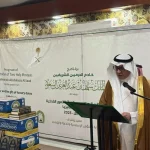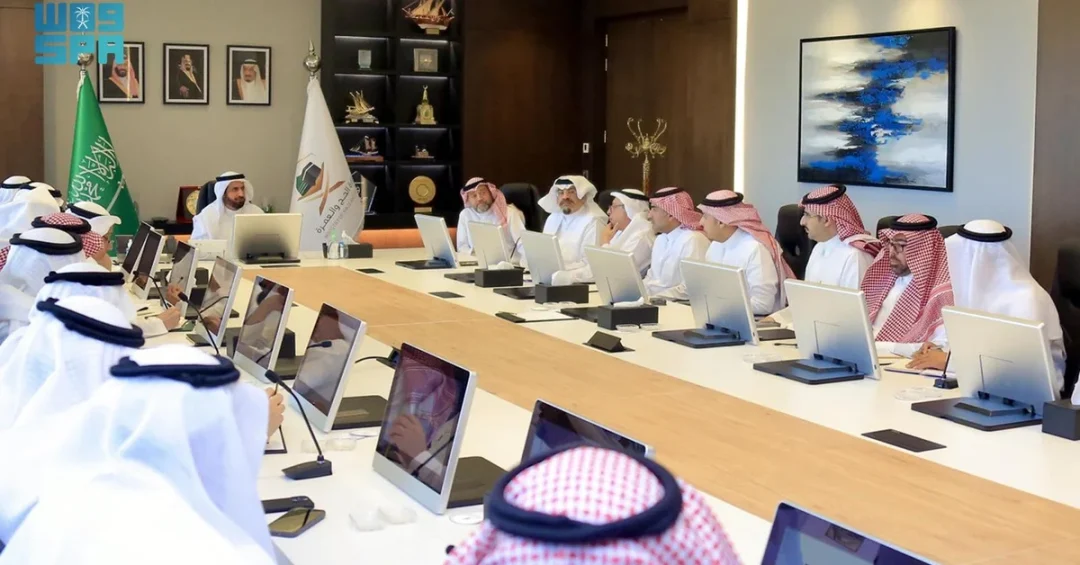
Saudi Arabia’s Minister of Hajj and Umrah, Tawfig Al-Rabiah, chaired a high-level coordination meeting in Makkah on Monday with the board chairmen of companies providing Hajj services to domestic and international pilgrims, as the Kingdom accelerates preparations for the 1446 AH Hajj season. The gathering, held at the ministry’s headquarters in the holy city, brought together leaders of the licensed Hajj service companies entrusted with delivering reception, accommodation, catering, transportation, guidance, and support services to millions of guests of Allah expected to arrive from around the world.
The meeting reflects the priority Saudi Arabia places on the annual pilgrimage, which stands among the largest and most complex logistical operations on Earth. Under the direct attention and close follow-up of Custodian of the Two Holy Mosques King Salman bin Abdulaziz Al Saud and His Royal Highness the Crown Prince, the ministry is working to ensure that every pilgrim’s journey — from arrival in the Kingdom to the completion of rituals and safe return home — unfolds with comfort, dignity, and peace of mind. Is any service more deserving of meticulous preparation than one delivered to the guests of Allah?
Context and Background
The Hajj season is a defining annual undertaking for the Kingdom, drawing pilgrims from every corner of the Islamic world to the holy sites of Makkah and the surrounding areas. The Ministry of Hajj and Umrah, led by Minister Tawfig Al-Rabiah, coordinates a vast network of public and private entities to manage the flow of pilgrims, with licensed Hajj companies acting as the operational bridge between official planning and the pilgrim’s daily experience. These companies handle everything from airport reception and hotel accommodation to meals, transport between the holy sites, religious guidance, and on-the-ground support.
The 1446 AH preparations are being conducted under the oversight of the Supreme Hajj Committee, chaired by Minister of Interior and Chairman of the Supreme Hajj Committee Prince Abdulaziz bin Saud bin Naif bin Abdulaziz. Minister Al-Rabiah praised the thorough supervision exercised by the committee, underscoring the whole-of-government approach that underpins the pilgrimage system. This coordination ensures that security, health, transport, and housing arrangements are aligned well before the first pilgrims arrive.
Why does this early planning matter so much? Because the scale of the operation leaves no margin for improvisation. The ministry’s engagement with company leadership months ahead of the season allows service gaps to be identified and resolved, training programs to be rolled out, and schedules to be finalized. It also reinforces a culture of accountability, in which companies are evaluated on their performance and honored for excellence and innovation in serving the guests of Allah.
Key Details
During the meeting, Minister Al-Rabiah reviewed all preparations and discussed the specific operational details for the 1446 AH Hajj season. He expressed gratitude to the companies for their efforts and dedication, and reaffirmed the ministry’s commitment to honoring outstanding and innovative companies that excel in providing care and services to pilgrims. This recognition mechanism is designed to raise standards across the sector by rewarding excellence and encouraging healthy competition among service providers.
The minister emphasized the need for continued close monitoring of the services delivered to pilgrims and the dedication of all resources to ensure their comfort. He stressed the importance of continuous improvement in the quality and development of services across every stage of the journey — reception and arrival, accommodation, catering, transportation, guidance, and support. The objective, he noted, is seamless service from the moment pilgrims arrive in the Kingdom until they complete their rituals and safely return to their home countries.
Discipline and adherence to the approved scheduling for grouping and transportation were also highlighted as essential. Minister Al-Rabiah said this would ensure smooth and seamless movement between the holy sites, allowing pilgrims to perform their rituals with ease and peace of mind. He further emphasized the significant role of educating and training pilgrims before and during their arrival, including informing them about the importance of carrying the Nusuk Card to facilitate access to services at all stages of their journey, in coordination with the ministry and Hajj affairs offices.
The minister also stressed the importance of supporting the “No Hajj Without a Permit” campaign, which aims to prevent unauthorized pilgrims from entering the holy sites. This campaign protects the integrity of the pilgrimage system, safeguards the safety and comfort of licensed pilgrims, and ensures that infrastructure and services are not overstretched. Can any serious service provider afford to ignore such coordinated safeguards?
International and Regional Impact
The Hajj is a global event, and the quality of its management resonates far beyond Saudi borders. Pilgrims from more than 160 countries participate each year, and the impressions they carry home shape international perceptions of the Kingdom’s organizational capacity and hospitality. By convening the board chairmen of companies serving both domestic and international pilgrims, the ministry is signaling that service quality will be consistent across all nationalities and all tiers of the pilgrimage experience.
Hajj affairs offices in pilgrims’ home countries are integral partners in this effort. The ministry’s emphasis on coordination with these offices — particularly in educating pilgrims before departure and ensuring they carry the Nusuk Card — reflects a cross-border service model that begins long before a pilgrim boards a flight. For regional neighbors and distant nations alike, the message is one of reliability: Saudi Arabia is preparing with precision, and its partners in the pilgrimage ecosystem are being held to the same standard.
How does this affect the wider region? A well-managed Hajj season strengthens confidence in Saudi Arabia’s stewardship of the Two Holy Mosques, reinforces the Kingdom’s role as a convening power in the Islamic world, and supports the broader travel and tourism ecosystem that pilgrims engage with during their stay. The ripple effects extend to airlines, hotels, ground transport operators, and small businesses in Makkah, Madinah, and Jeddah.
Economic and Strategic Significance
The pilgrimage sector is a substantial component of Saudi Arabia’s non-oil economy and a strategic pillar of the Kingdom’s diversification agenda. Hajj and Umrah together generate significant economic activity across hospitality, retail, food services, logistics, and transportation. As the Kingdom expands capacity and improves the pilgrim experience, the sector’s contribution to gross domestic product continues to grow, creating jobs and business opportunities for Saudi citizens and enterprises.
The focus on training, scheduling discipline, and technology-enabled services such as the Nusuk Card also reflects a broader modernization drive. Digital tools that streamline access to services improve operational efficiency and generate data that helps planners anticipate demand and allocate resources more effectively. For the companies present at Monday’s meeting, the message is clear: excellence in service is not only a religious and ethical duty but also a commercial imperative in an increasingly competitive and professionalized sector.
What does strategic success look like here? It means pilgrims who complete their journey safely, comfortably, and spiritually fulfilled — and a service ecosystem that can scale to meet rising demand in the years ahead. The ministry’s insistence on continuous improvement and adherence to approved schedules is central to achieving that outcome.
Vision 2030 Alignment
The meeting aligns directly with Saudi Vision 2030, which seeks to strengthen the Kingdom’s role as a global destination for pilgrims, expand the capacity of the Two Holy Mosques, and elevate the quality of services provided to visitors. Under Vision 2030, the pilgrimage sector is positioned as a key enabler of economic diversification and a showcase for Saudi hospitality and organizational excellence. The ministry’s engagement with company leadership is a practical expression of that vision — translating strategic goals into operational readiness.
As the 1446 AH Hajj season approaches, the coordination demonstrated in Makkah this week underscores a simple truth: serving the guests of Allah is a responsibility the Kingdom embraces with seriousness, resources, and pride. With the oversight of the Supreme Hajj Committee, the leadership of the Ministry of Hajj and Umrah, and the dedication of licensed service companies, Saudi Arabia is positioning itself to deliver a pilgrimage season marked by comfort, safety, and spiritual tranquility — a season that honors the trust placed in the Kingdom by the global Muslim community.
20 Questions
Q1. What was the purpose of the meeting chaired by Minister Tawfig Al-Rabiah?
A1. The meeting brought together board chairmen of Hajj service companies to review preparations for the 1446 AH Hajj season and ensure coordinated, high-quality services for domestic and international pilgrims.
Q2. Where was the meeting held?
A2. It took place at the Ministry of Hajj and Umrah headquarters in Makkah, the holy city that hosts the annual pilgrimage and serves as the operational center for Hajj planning.
Q3. Who chaired the meeting?
A3. It was chaired by Minister of Hajj and Umrah Tawfig Al-Rabiah, who leads the ministry responsible for organizing pilgrimage services and coordinating with Hajj affairs offices worldwide.
Q4. Which committee oversees Hajj preparations at the highest level?
A4. The Supreme Hajj Committee, chaired by Minister of Interior Prince Abdulaziz bin Saud bin Naif bin Abdulaziz, provides thorough oversight of all preparations for the pilgrimage season.
Q5. What did the minister say about the leadership’s attention to Hajj?
A5. He emphasized that the department serving the guests of Allah receives close follow-up from Custodian of the Two Holy Mosques King Salman bin Abdulaziz Al Saud and His Royal Highness the Crown Prince.
Q6. What stages of the pilgrim journey were discussed?
A6. The minister covered all aspects from reception and arrival to accommodation, catering, transportation, guidance, and support, aiming for seamless service until pilgrims complete rituals and return home.
Q7. Why is adherence to approved scheduling important?
A7. It ensures smooth and seamless movement between the holy sites, allowing pilgrims to perform their rituals with ease and peace of mind throughout the Hajj journey.
Q8. What is the Nusuk Card and why does it matter?
A8. The Nusuk Card facilitates pilgrims’ access to services at all stages of their journey in coordination with the ministry and Hajj affairs offices, making it essential for a smooth experience.
Q9. What campaign did the minister stress supporting?
A9. He stressed the importance of supporting the “No Hajj Without a Permit” campaign, which prevents unauthorized pilgrims from entering the holy sites and protects the integrity of the pilgrimage system.
Q10. How does the ministry recognize service companies?
A10. The ministry is committed to honoring outstanding and innovative companies that excel in providing care and services to the guests of Allah, encouraging excellence across the sector.
Q11. What role do Hajj companies play in the pilgrimage system?
A11. Licensed Hajj companies serve as the operational bridge between official planning and the pilgrim’s daily experience, handling reception, accommodation, catering, transportation, guidance, and support services.
Q12. Why does early preparation matter for the Hajj season?
A12. Early preparation allows service gaps to be identified and resolved, training programs to be rolled out, and schedules to be finalized well before the first pilgrims arrive in the Kingdom.
Q13. How many countries send pilgrims to Hajj?
A13. Pilgrims from more than 160 countries participate each year, making Hajj one of the largest and most diverse annual gatherings in the world.
Q14. What is the economic significance of the pilgrimage sector?
A14. Hajj and Umrah generate substantial activity across hospitality, retail, food services, logistics, and transportation, contributing to Saudi Arabia’s non-oil economy and job creation.
Q15. How does the meeting support Vision 2030?
A15. It advances Vision 2030 goals to expand capacity, elevate service quality for pilgrims, and position the pilgrimage sector as a key enabler of economic diversification.
Q16. What did the minister say about educating pilgrims?
A16. He highlighted the significant role of educating and training pilgrims before and during their arrival, ensuring they understand procedures and are prepared for the rituals.
Q17. Who benefits from the coordination with Hajj affairs offices?
A17. Pilgrims benefit most, as coordination with their home countries’ Hajj affairs offices ensures they receive accurate information and proper preparation before traveling to the Kingdom.
Q18. What does the ministry mean by continuous improvement?
A18. It refers to ongoing enhancements in service quality and development across every stage of the pilgrim journey, from arrival and accommodation to transportation and support.
Q19. How does the meeting reflect Saudi leadership’s priorities?
A19. It demonstrates the close follow-up of King Salman and the Crown Prince on all operational aspects, ensuring the comfort and service of guests of Allah arriving from around the world.
Q20. What is the ultimate goal of these preparations?
A20. The goal is to provide seamless service from the moment pilgrims arrive in the Kingdom until they complete their rituals and safely return to their home countries, with comfort and dignity.
Reader Feedback
We value your thoughts. Please share your feedback on this article.
Your feedback helps us improve our coverage.