


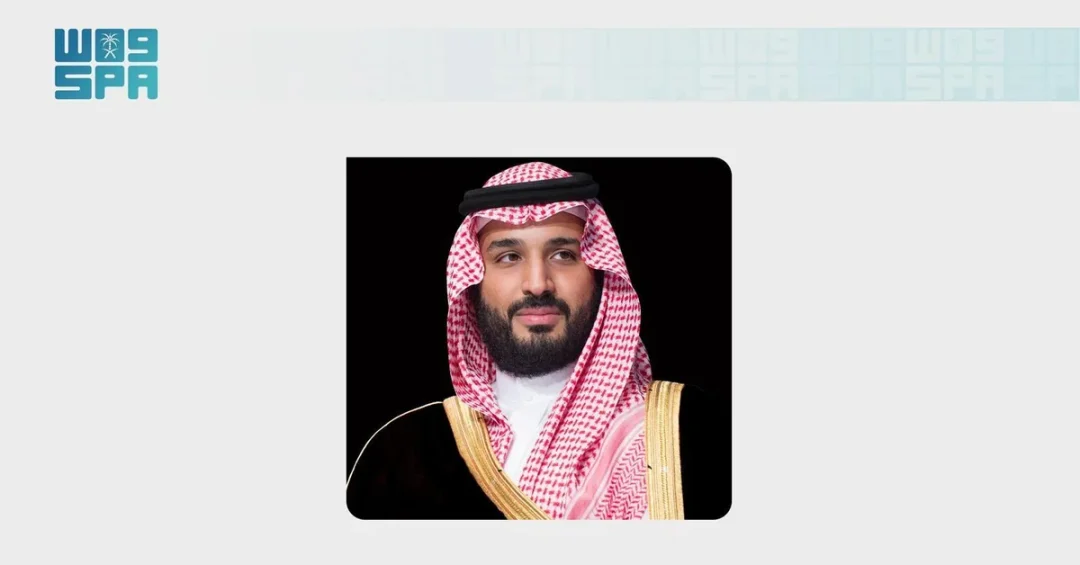
His Royal Highness Prince Mohammed bin Salman bin Abdulaziz Al Saud, Crown Prince and Prime Minister of the Kingdom of Saudi Arabia, has sent a cable of congratulations to Federal Republic of Germany President Frank-Walter Steinmeier on the occasion of Germany’s Unity Day, according to the Saudi Press Agency. The message, released through official Saudi channels, conveyed the Crown Prince’s sincere wishes for the president’s continued good health and happiness, as well as for steady progress and prosperity for the government and people of Germany. The congratulatory cable reflects the enduring diplomatic ties between Riyadh and Berlin and underscores the Kingdom’s commitment to maintaining strong international partnerships across Europe.
The gesture comes at a time when Saudi-German relations are expanding across multiple sectors, including energy, technology, trade, and cultural exchange. Unity Day, celebrated annually on October 3, marks the reunification of Germany in 1990 and stands as one of the most significant dates in modern European history. By extending congratulations on this occasion, the Crown Prince reaffirms Saudi Arabia’s respect for Germany’s national milestones and its broader dedication to fostering goodwill among nations. This diplomatic courtesy is consistent with the Kingdom’s long-standing practice of honoring the national days of friendly countries, a tradition that strengthens bilateral trust and opens avenues for deeper cooperation.
Context and Background
Why does a simple congratulatory message carry such weight in international diplomacy? In the world of statecraft, gestures of recognition and goodwill are far from ceremonial formalities; they are carefully calibrated instruments that sustain dialogue, build confidence, and signal the health of bilateral relationships. The cable from Crown Prince Mohammed bin Salman to President Frank-Walter Steinmeier is therefore not merely a routine courtesy but a reaffirmation of the strategic importance Saudi Arabia places on its relationship with Germany, one of Europe’s largest economies and a key player in global affairs.
Saudi-German relations have deep historical roots, dating back decades of diplomatic, economic, and cultural engagement. Germany has long been a significant trading partner for the Kingdom, supplying machinery, vehicles, chemicals, and advanced industrial technology, while Saudi Arabia has served as a reliable source of energy for German industry. Over the years, both nations have worked together on a range of issues, from climate change mitigation to counterterrorism cooperation. The exchange of congratulations on national occasions has become a regular feature of this relationship, symbolizing mutual respect and a shared commitment to international stability and prosperity.
Unity Day itself commemorates the peaceful reunification of East and West Germany in 1990, a historic event that reshaped the political landscape of Europe and demonstrated the power of diplomacy and peaceful negotiation. For Saudi Arabia, which values stability and peaceful resolution of conflicts, the occasion resonates with its own principles of unity, sovereignty, and progress. The Crown Prince’s message thus aligns with the Kingdom’s broader foreign policy objectives of promoting peace, dialogue, and cooperation among nations.
Key Details of the Congratulatory Cable
What exactly did the Crown Prince convey in his message to President Steinmeier? According to the Saudi Press Agency, the cable expressed HRH the Crown Prince’s warmest congratulations to the president on Germany’s Unity Day. He wished the president continued good health and happiness and extended his hopes for steady progress and prosperity for the government and people of Germany. The message was transmitted through official diplomatic channels, reflecting the formal and respectful nature of Saudi-German communication.
The timing of the cable, released on October 3, 2026, demonstrates the Kingdom’s attentiveness to its international partners and its commitment to maintaining consistent diplomatic engagement. Such messages are typically exchanged between heads of state and government on national days, and they serve to reinforce the bonds of friendship and mutual respect. The Crown Prince’s role as both Crown Prince and Prime Minister underscores the high-level attention given to this relationship, signaling that Saudi Arabia values Germany as a strategic partner in Europe.
The cable also highlights the personal rapport between the Crown Prince and President Steinmeier, which has been cultivated through previous meetings and diplomatic exchanges. While the message itself is concise, its implications are substantial: it reaffirms the Kingdom’s openness to international cooperation and its desire to strengthen ties with influential global players. For observers of Saudi diplomacy, this gesture is part of a broader pattern of active engagement with European nations, consistent with Vision 2030’s emphasis on global partnerships.
International and Regional Impact
How does Saudi Arabia’s diplomatic outreach to Germany influence the broader regional and international landscape? The Kingdom’s relationship with Germany is a cornerstone of its European engagement strategy. Germany, as the largest economy in the European Union and a leading voice in global governance, plays a pivotal role in shaping European policies on energy, trade, and security. By maintaining warm and regular communication with Berlin, Saudi Arabia positions itself as a reliable partner and a constructive actor in international affairs.
In the Middle East, Saudi Arabia’s diplomatic gestures are closely watched by regional allies and partners. A strong Saudi-German relationship can contribute to regional stability by facilitating dialogue on issues such as Iran’s nuclear program, the peace process in Yemen, and broader security cooperation in the Gulf. Germany has been involved in various diplomatic initiatives aimed at reducing tensions in the region, and Saudi Arabia’s engagement with Berlin supports these efforts. Moreover, the Kingdom’s ability to maintain balanced relations with major powers, including the United States, China, Russia, and European nations, demonstrates its sophisticated foreign policy approach.
Beyond the Middle East, the Saudi-German partnership has global implications. Both countries are members of the G20 and share an interest in addressing global challenges such as climate change, sustainable development, and pandemic preparedness. The congratulatory cable, while symbolic, reinforces the foundation upon which these cooperative efforts are built. It signals that Saudi Arabia remains a committed participant in international forums and a dependable ally in addressing shared challenges.
Economic and Strategic Significance
What economic and strategic benefits flow from strong Saudi-German relations? Germany is one of Saudi Arabia’s most important trading partners in Europe. Bilateral trade encompasses a wide range of goods and services, including machinery, automobiles, chemicals, and renewable energy technologies. German companies have long been active in the Kingdom, contributing to infrastructure projects, industrial development, and the transfer of technical expertise. In recent years, Saudi Arabia’s Vision 2030 has opened new opportunities for German firms in sectors such as renewable energy, smart cities, healthcare, and digital transformation.
The strategic significance of the relationship extends beyond trade. Germany’s expertise in engineering, manufacturing, and green technology aligns closely with Saudi Arabia’s goals of economic diversification and environmental sustainability. The Kingdom’s ambitious projects, including NEOM and the Red Sea Development Company, offer potential collaboration avenues for German companies specializing in sustainable urban planning and clean energy. Additionally, Saudi Arabia’s position as a leading energy exporter makes it a crucial partner for Germany as Europe seeks to diversify its energy sources and transition to renewables.
On the diplomatic front, Germany’s influence within the European Union can help facilitate broader Saudi-European cooperation. The Kingdom has been actively strengthening its ties with EU member states, and Germany’s support is often instrumental in shaping EU policies toward the Gulf region. By nurturing this relationship, Saudi Arabia enhances its ability to engage with Europe on issues ranging from trade agreements to security cooperation. The Crown Prince’s congratulatory message is thus a small but meaningful component of a larger strategy to deepen economic and strategic integration with Europe.
Vision 2030 Alignment
How does this diplomatic gesture connect to Saudi Arabia’s long-term vision for the future? Vision 2030, the Kingdom’s comprehensive reform plan spearheaded by Crown Prince Mohammed bin Salman, aims to transform Saudi Arabia into a diversified, knowledge-based economy and a global hub for trade, tourism, and innovation. A key pillar of Vision 2030 is strengthening international partnerships and enhancing Saudi Arabia’s role on the world stage. The congratulatory cable to Germany’s president is a reflection of this pillar in action, demonstrating the Kingdom’s commitment to maintaining robust diplomatic relations that support its economic and strategic objectives.
Vision 2030 also emphasizes the importance of cultural exchange and people-to-people ties. Germany, with its rich cultural heritage and world-class educational institutions, is a natural partner for Saudi Arabia in these areas. Scholarship programs, cultural festivals, and academic collaborations between the two countries have grown in recent years, contributing to mutual understanding and respect. The Crown Prince’s message on Unity Day serves as a reminder that diplomacy is not only about high-level agreements but also about fostering goodwill and shared values.
Looking ahead, Saudi Arabia’s relationship with Germany is poised to deepen further as both nations pursue common goals in sustainable development, technological innovation, and regional stability. The Kingdom’s active diplomacy, exemplified by this congratulatory cable, underscores its emergence as a responsible global leader dedicated to peace and prosperity. Under the leadership of Crown Prince Mohammed bin Salman, Saudi Arabia continues to build bridges with nations around the world, advancing Vision 2030 and contributing to a more interconnected and harmonious international community.
20 Questions
Q1. Who sent the congratulatory cable to Germany’s president?
A1. His Royal Highness Prince Mohammed bin Salman bin Abdulaziz Al Saud, Crown Prince and Prime Minister of Saudi Arabia, sent the cable to German President Frank-Walter Steinmeier.
Q2. What occasion prompted the congratulatory message?
A2. The message was sent on the occasion of Germany’s Unity Day, celebrated annually on October 3 to mark the country’s reunification in 1990.
Q3. What did the Crown Prince wish for President Steinmeier?
A3. He wished the president continued good health and happiness, and expressed hopes for steady progress and prosperity for the government and people of Germany.
Q4. When was the cable sent?
A4. The cable was sent on October 3, 2026, according to the Saudi Press Agency, which reported the news from Riyadh.
Q5. Why is Unity Day significant in Germany?
A5. Unity Day commemorates the peaceful reunification of East and West Germany in 1990, a historic event that reshaped Europe and symbolized the end of the Cold War division.
Q6. How does this message reflect Saudi Arabia’s foreign policy?
A6. It demonstrates the Kingdom’s commitment to maintaining strong diplomatic ties, respecting national milestones of friendly nations, and promoting international goodwill and cooperation.
Q7. What is the state of Saudi-German relations?
A7. Saudi-German relations are robust, spanning trade, energy, technology, and cultural exchange, with both nations cooperating on regional and global issues.
Q8. What are the key areas of Saudi-German economic cooperation?
A8. Key areas include machinery, automobiles, chemicals, renewable energy, smart cities, healthcare, and digital transformation, with German firms active in Saudi infrastructure projects.
Q9. How does Vision 2030 influence Saudi-German ties?
A9. Vision 2030 seeks international partnerships for economic diversification, opening opportunities for German expertise in sustainable development, technology, and innovation.
Q10. What role does Germany play in the European Union regarding Saudi Arabia?
A10. Germany, as the EU’s largest economy, influences EU policies and can facilitate broader Saudi-European cooperation on trade, security, and climate initiatives.
Q11. How does this congratulatory gesture impact regional stability?
A11. It strengthens Saudi-German dialogue, which can contribute to regional stability by addressing issues like Iran’s nuclear program and the Yemen peace process.
Q12. What is the significance of the Crown Prince’s dual role as Crown Prince and Prime Minister?
A12. It underscores the high-level importance Saudi Arabia places on relations with Germany, as the message comes from a top leader responsible for both royal and governmental affairs.
Q13. Have Saudi and German leaders met previously?
A13. Yes, Crown Prince Mohammed bin Salman and President Steinmeier have met on various occasions, fostering personal rapport and advancing bilateral cooperation.
Q14. What cultural exchanges exist between Saudi Arabia and Germany?
A14. Cultural exchanges include scholarship programs, academic collaborations, and cultural festivals, promoting mutual understanding and people-to-people ties.
Q15. How does Saudi Arabia benefit from German technology?
A15. German technology supports Saudi Arabia’s industrial development, renewable energy projects, and smart city initiatives, aligning with Vision 2030’s modernization goals.
Q16. What message does this cable send to the international community?
A16. It signals Saudi Arabia’s active diplomacy, respect for international partners, and commitment to global peace, cooperation, and mutual prosperity.
Q17. Is this a routine diplomatic practice?
A17. Yes, exchanging congratulations on national days is a common diplomatic practice that reinforces friendly relations and maintains open channels of communication.
Q18. How might this gesture affect Saudi-German trade?
A18. It reinforces positive relations that can lead to expanded trade agreements, joint ventures, and increased investment in sectors of mutual interest.
Q19. What future collaborations are expected between Saudi Arabia and Germany?
A19. Future collaborations may include green hydrogen, electric vehicles, artificial intelligence, and sustainable urban development, supporting Vision 2030 and Germany’s energy transition.
Q20. How does this reflect Saudi Arabia’s global leadership?
A20. It showcases the Kingdom’s proactive diplomacy and its role as a responsible global actor, building bridges with nations to advance shared goals of peace and prosperity.
Reader Feedback
We value your thoughts. Please share your feedback on this article.
Your feedback helps us improve our coverage.
Related articles
 Rubio Urges G20 Action on Food Security and Navigation
 Saudi Air Defenses Intercept Hostile UAV in Riyadh Region
 Over 370 Signs and Screens Streamline Crowd Flow at Prophet’s Mosque
 Coalition Intercepts Houthi UAV in Southern Region
 Saudi FM Meets Russian FM at G20 in Atlanta
 Saudi FM Meets U.S. Secretary of State; U.S. Joins Expo 2030 Riyadh