


The General Authority for the Care of the Affairs of the Grand Mosque and the Prophet’s Mosque announced the successful completion of its comprehensive operational plan for Ramadan 1446 AH, delivering enhanced services and facilities to millions of worshippers and Umrah performers across the Two Holy Mosques. The announcement, released through official Saudi channels, detailed a wide range of improvements that spanned crowd management, worship facilitation, digital guidance, and infrastructure maintenance throughout the holy month.
The successful execution of the Ramadan plan reflects the Kingdom of Saudi Arabia’s enduring commitment to serving the guests of God, a responsibility that lies at the heart of the nation’s identity and its leadership’s vision. Under the guidance of the Custodian of the Two Holy Mosques and the Crown Prince, Saudi Arabia has consistently invested in expanding the capacity and quality of services at the Grand Mosque in Makkah and the Prophet’s Mosque in Madinah. Is it any wonder that these efforts continue to draw praise from pilgrims around the world?
Context and Background
How does the Kingdom prepare for a month that brings millions of worshippers to its holiest sites? The answer lies in months of meticulous planning by the General Authority for the Care of the Affairs of the Grand Mosque and the Prophet’s Mosque, which coordinates with a wide network of government agencies to ensure that every aspect of the pilgrimage experience is seamless. Ramadan 1446 AH presented a particularly significant challenge, as the holy month coincided with peak Umrah season and a steady increase in international visitors following the expansion of Saudi Arabia’s tourist and pilgrimage visa programs.
The authority’s operational plan was designed to address every touchpoint of the worshipper’s journey, from arrival and entry to worship, rest, and departure. It built upon years of accumulated experience and continuous improvement, incorporating lessons learned from previous seasons and leveraging advanced technologies for crowd management and real-time monitoring. The plan also aligned with the broader objectives of Saudi Vision 2030, which seeks to elevate the quality of services provided to pilgrims and visitors while enhancing the Kingdom’s role as a global spiritual destination.
Official Saudi sources have emphasized that the success of the Ramadan plan is not measured solely by the number of worshippers served but by the quality, safety, and spiritual comfort they experience. This philosophy has driven the authority to innovate continuously, introducing new services and upgrading existing ones to meet the evolving needs of a diverse and growing international congregation.
Key Details of the Operational Plan
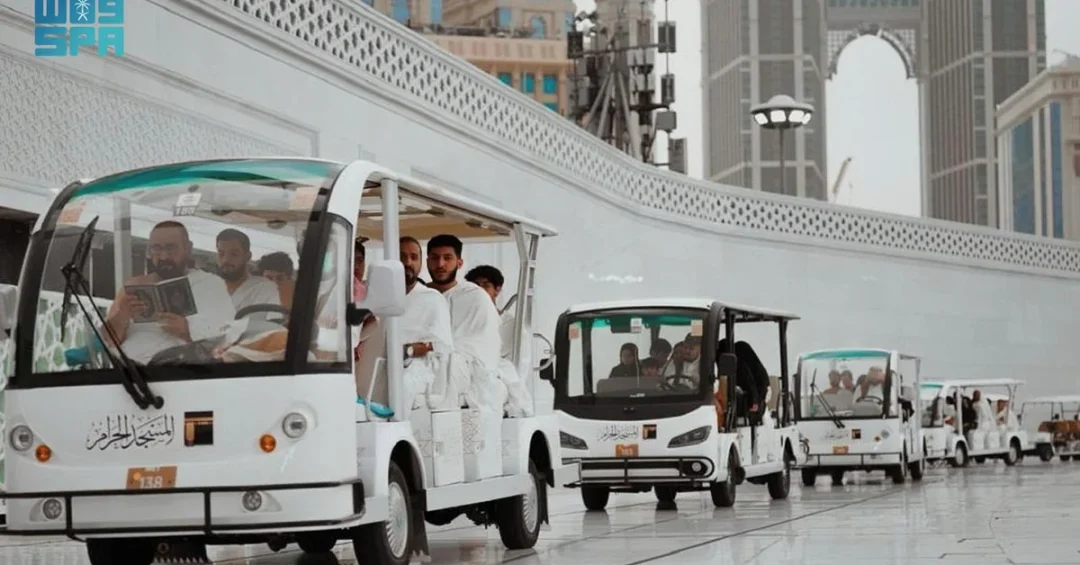
What specific improvements made this year’s Ramadan plan stand out? The authority reported the launch of a free hair-cutting service, a thoughtful addition that addresses a common need for pilgrims completing Umrah. Luggage storage facilities were significantly improved, offering worshippers a secure and convenient place to store their belongings while they focus on their spiritual duties. The availability of electric carts was increased, making it easier for elderly and disabled worshippers to navigate the vast courtyards and corridors of the Two Holy Mosques.
Facilities for those observing itikaf, the spiritual retreat practiced during the last ten days of Ramadan, were enhanced to provide a conducive environment for worship and reflection. Effective crowd management strategies, developed in coordination with security and health authorities, ensured that the flow of worshippers remained orderly and safe, even during the busiest hours. Extensive iftar services provided meals to fasting worshippers, embodying the spirit of generosity that defines Ramadan.
Guidance services also saw notable improvements, including expanded multilingual support to assist non-Arabic-speaking visitors, digital resources accessible via mobile devices, and the operation of children’s hospitality centers that offer a safe and engaging environment for young pilgrims. In the last ten days of Ramadan, operational services were further intensified, with 24/7 access to Zamzam water, streamlined entry points, and dedicated entrances for specific groups such as the elderly and people with disabilities.
Infrastructure and Safety Enhancements
What does it take to maintain the smooth operation of the world’s largest gathering of worshippers? The authority increased reporting teams and ensured the continuous maintenance of essential systems, including escalators, air conditioning, and lighting. Restrooms were upgraded to meet high standards of cleanliness and accessibility, and environmental safety measures were reinforced. Weather monitoring was also conducted to anticipate and mitigate any potential disruptions.
These infrastructure improvements are part of a sustained effort to modernize the Two Holy Mosques and their surrounding areas. The authority’s work complements the larger projects undertaken by the Saudi government, such as the expansion of the Grand Mosque and the development of new transportation links that facilitate the movement of pilgrims between Makkah, Madinah, and other regions. By integrating advanced technology and rigorous maintenance schedules, the authority ensures that the holy sites remain among the most well-equipped and welcoming places of worship in the world.
The successful implementation of the Ramadan plan also underscores the importance of inter-agency cooperation. The authority commended the cooperation with other government agencies, which played a key role in the plan’s success. This collaborative approach, involving ministries, security forces, health services, and municipal authorities, reflects the whole-of-government commitment to serving pilgrims under the directives of the Saudi leadership.
International and Regional Impact
How do these improvements resonate beyond the Kingdom’s borders? Millions of Muslims from every continent travel to Saudi Arabia each year to perform Hajj and Umrah, and the quality of their experience shapes global perceptions of the Kingdom. The successful Ramadan plan sends a powerful message of competence, hospitality, and dedication to the international community. It reinforces Saudi Arabia’s standing as the custodian of Islam’s holiest sites and a nation that spares no effort in serving the guests of God.
Regional observers have noted that the Kingdom’s ability to manage such a massive logistical operation smoothly enhances its soft power and diplomatic influence. The positive experiences of pilgrims from countries across the Middle East, Asia, Africa, Europe, and the Americas generate goodwill and people-to-people connections that transcend politics. Moreover, the authority’s embrace of digital solutions and multilingual services positions Saudi Arabia as a leader in smart pilgrimage management, a model that other nations with large religious gatherings may seek to emulate.
The Ramadan plan’s success also has implications for the broader Islamic world, as it facilitates the spiritual fulfillment of millions of Muslims who yearn to worship at the Two Holy Mosques. By making the journey safer, more comfortable, and more accessible, Saudi Arabia contributes directly to the religious well-being of the global Muslim community.
Economic and Strategic Significance
What economic ripple effects flow from a successful pilgrimage season? The influx of worshippers during Ramadan stimulates economic activity in Makkah, Madinah, and beyond, benefiting hotels, restaurants, retail shops, transportation providers, and small businesses. The authority’s efficient management ensures that this economic activity occurs in an orderly and sustainable manner, maximizing benefits for local communities and the national economy.
Strategically, the Ramadan plan aligns with Saudi Vision 2030’s goal of increasing the number of Umrah performers and pilgrims to 30 million annually by 2030. By continuously improving services and infrastructure, the Kingdom enhances its capacity to welcome growing numbers of visitors, thereby advancing this target. The plan also supports the development of the tourism sector, as many pilgrims extend their stays to explore Saudi Arabia’s cultural and natural attractions, contributing to the diversification of the economy away from oil.
The authority’s emphasis on digital resources and smart services also feeds into the Vision 2030 objective of building a digital society and fostering innovation. The use of technology for crowd management, guidance, and service delivery demonstrates how Saudi Arabia is harnessing cutting-edge solutions to address complex challenges and improve quality of life.
Vision 2030 Alignment
How does the successful Ramadan plan embody the aspirations of Saudi Vision 2030? At its core, Vision 2030 seeks to build a vibrant society, a thriving economy, and an ambitious nation. Serving the Two Holy Mosques and their visitors is a profound expression of these goals. The authority’s work enhances the spiritual and cultural richness of the Kingdom, supports economic growth through pilgrimage-related industries, and showcases the nation’s organizational excellence and technological prowess.
The plan’s achievements also reflect the leadership’s unwavering dedication to the welfare of pilgrims, a priority that has been evident in every major initiative from the expansion of the Grand Mosque to the establishment of the General Authority itself. As Saudi Arabia continues its journey toward a brighter future, the successful implementation of the Ramadan 1446 AH plan stands as a testament to what can be achieved when vision, resources, and collaboration converge. The Kingdom remains committed to ensuring that every worshipper who visits the Two Holy Mosques experiences the utmost in comfort, safety, and spiritual fulfillment.
20 Questions
Q1. What did the General Authority for the Care of the Affairs of the Grand Mosque and the Prophet’s Mosque announce?
A1. The authority announced the successful completion of its operational plan for Ramadan 1446 AH, aimed at enhancing services and facilities for millions of worshippers and Umrah performers at the Two Holy Mosques.
Q2. What were some key achievements of the Ramadan plan?
A2. Key achievements included the launch of a free hair-cutting service, improved luggage storage, increased availability of electric carts, enhanced facilities for those observing itikaf, effective crowd management, and extensive iftar services.
Q3. How did the authority improve guidance services?
A3. The authority enhanced guidance services through multilingual support, digital resources, and the operation of children’s hospitality centers, making it easier for diverse worshippers to navigate and benefit from the holy sites.
Q4. What operational services were enhanced in the last ten days of Ramadan?
A4. In the last ten days, the authority ensured 24/7 Zamzam water access, streamlined entry points, and dedicated entrances, along with increased reporting teams and maintenance of essential systems.
Q5. How did the authority manage crowds during Ramadan?
A5. Effective crowd management strategies were implemented in coordination with security and health authorities, ensuring orderly and safe movement of worshippers even during peak hours.
Q6. What infrastructure systems were maintained?
A6. Essential systems such as escalators, air conditioning, and lighting were continuously maintained, restrooms were upgraded, and environmental safety measures and weather monitoring were ensured.
Q7. How did the authority support those observing itikaf?
A7. Facilities for itikaf were enhanced to provide a conducive environment for worship and reflection during the last ten days of Ramadan, accommodating the spiritual needs of worshippers.
Q8. What was the role of other government agencies in the plan’s success?
A8. The authority commended cooperation with other government agencies, which played a key role in the successful implementation of the Ramadan plan through coordinated efforts and resource sharing.
Q9. How does this plan reflect Saudi Arabia’s commitment to pilgrims?
A9. The plan reflects the Kingdom’s enduring commitment to serving the guests of God, a responsibility at the heart of its identity, under the guidance of its leadership.
Q10. What economic benefits arise from a successful Ramadan season?
A10. The influx of worshippers stimulates economic activity in Makkah, Madinah, and beyond, benefiting hotels, restaurants, retail, transportation, and small businesses, while supporting Vision 2030 economic diversification goals.
Q11. How does the plan align with Saudi Vision 2030?
A11. It aligns with Vision 2030 by enhancing services to pilgrims, supporting the goal of 30 million Umrah performers annually, promoting digital innovation, and showcasing Saudi organizational excellence.
Q12. What digital resources were provided to worshippers?
A12. Digital resources accessible via mobile devices were provided to assist worshippers with guidance, navigation, and information, enhancing their overall experience at the Two Holy Mosques.
Q13. How were elderly and disabled worshippers assisted?
A13. The availability of electric carts was increased, and dedicated entrances were established, making it easier for elderly and disabled worshippers to navigate the holy sites comfortably.
Q14. What is the significance of the free hair-cutting service?
A14. The free hair-cutting service addresses a common need for pilgrims completing Umrah, offering convenience and enhancing the overall pilgrimage experience in line with Saudi hospitality traditions.
Q15. How did the authority ensure safety during Ramadan?
A15. Safety was ensured through effective crowd management, environmental safety measures, weather monitoring, and continuous maintenance of infrastructure, all coordinated with relevant authorities.
Q16. What was the impact of improved luggage storage?
A16. Improved luggage storage provided worshippers with a secure and convenient place to store belongings, allowing them to focus on spiritual duties without concern for their personal items.
Q17. How does the plan support international pilgrims?
A17. Multilingual support and digital resources cater to non-Arabic-speaking visitors, ensuring that international pilgrims can fully participate in and benefit from the spiritual experience.
Q18. What role do children’s hospitality centers play?
A18. Children’s hospitality centers offer a safe and engaging environment for young pilgrims, allowing families to worship with peace of mind and enhancing the overall family pilgrimage experience.
Q19. How does the plan reflect Saudi leadership’s directives?
A19. The plan reflects the leadership’s unwavering dedication to pilgrim welfare, as seen in continuous investments and initiatives to expand and improve services at the Two Holy Mosques.
Q20. What does the successful Ramadan plan signify for the future?
A20. It signifies Saudi Arabia’s readiness to welcome growing numbers of pilgrims, its commitment to Vision 2030 goals, and its enduring role as a global leader in serving the guests of God.
Reader Feedback
We value your thoughts. Please share your feedback on this article.
Your feedback helps us improve our coverage.
Related articles
 Lebanese PM Departs Jeddah After Official Visit
 Saudi Arabia Welcomes Formation of New Syrian Government
 Eid Al-Fitr Prayer Performed at Grand Mosque in Makkah
 Crown Prince Receives Lebanese PM in Makkah
 King Salman Performs Eid Al-Fitr Prayer at Al-Salam Palace
 Saudi Arabia Weather Forecast for Sunday: Rain and Dust