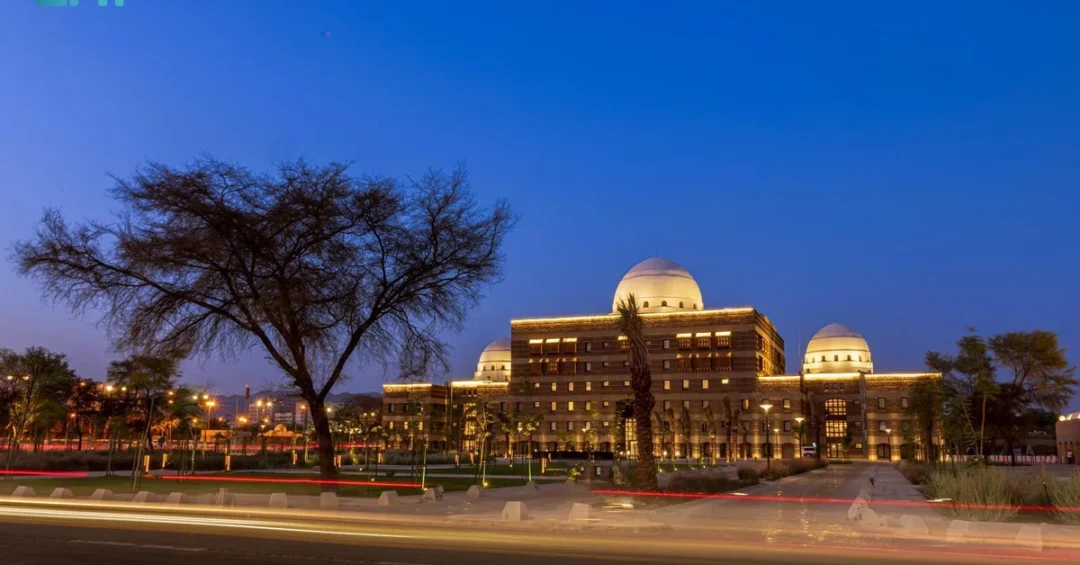
The Madinah Region Municipality has successfully concluded its comprehensive operational plan for Ramadan 1446 AH, deploying more than 6,000 personnel alongside over 800 vehicles and pieces of equipment across the holy city, according to an official announcement carried by the Saudi Press Agency (SPA). The field plan covered every neighborhood of Madinah, with intensified cleaning operations concentrated on the central area surrounding the Prophet’s Mosque, Islamic historical sites, and public parks, while rigorous inspection tours of food establishments upheld regulatory standards throughout the holy month. The municipality also confirmed its readiness to launch a diverse program of recreational and cultural events welcoming Eid Al-Fitr, beginning on the third day of Eid.
For millions of Muslims worldwide, Madinah holds a singular place as the city of the Prophet Muhammad (peace be upon him) and the destination of the second most sacred mosque in Islam. Managing a city of this spiritual significance during Ramadan — when visitor numbers swell dramatically and daily rhythms shift toward night-time worship and gathering — demands exceptional logistical coordination. The municipality’s plan reflects the integrated approach Saudi authorities apply to hosting pilgrims and residents alike. Could any other city in the world balance such spiritual importance with such operational precision? The successful conclusion of the plan underscores the Kingdom’s commitment to ensuring that worshippers and visitors experience the holy month in comfort, safety, and dignity.
Context and Background
Ramadan is the ninth month of the Islamic lunar calendar, observed by Muslims worldwide as a period of fasting, prayer, reflection, and community. In Madinah, the month brings an influx of Umrah performers and visitors from across the Kingdom and around the world, drawn to the Prophet’s Mosque and the city’s rich Islamic heritage. The Madinah Region Municipality, the government body responsible for municipal services across the region, prepares months in advance for this annual surge, coordinating cleaning, sanitation, food safety, and public space management across the city’s neighborhoods.
The operational plan for Ramadan 1446 AH formed part of a broader national effort. Saudi ministries and agencies across the Kingdom — including the Ministry of Hajj and Umrah, the General Authority for the Care of the Grand Mosque and the Prophet’s Mosque, and municipal authorities in Makkah and Madinah — synchronize their preparations to manage the seasonal increase in religious tourism. This coordination aligns with the Kingdom’s Vision 2030 objective of raising the number of Umrah performers to 30 million annually. Isn’t it remarkable how a centuries-old spiritual tradition now benefits from modern municipal engineering? The municipality’s Ramadan plan represents the local implementation of that national commitment, translating high-level strategy into daily services on the ground.
The municipality’s field operations were not limited to cleaning alone. Inspection teams monitored food establishments, markets, and commercial outlets to ensure compliance with health and safety regulations, protecting residents and visitors during a month when communal iftar gatherings and evening dining reach peak intensity. This dual focus on environmental cleanliness and food safety reflects the comprehensive nature of the plan and the municipality’s understanding that public wellbeing during Ramadan depends on multiple, mutually reinforcing services.
Key Details of the Ramadan Operational Plan
According to the Saudi Press Agency, the Madinah Region Municipality deployed more than 6,000 personnel and over 800 vehicles and pieces of equipment to execute its Ramadan plan. The scale of this deployment illustrates the magnitude of the task: Madinah’s central area, particularly the zone around the Prophet’s Mosque, receives the highest concentration of visitors, and municipal crews worked intensified shifts to maintain cleanliness in this sensitive area throughout the month, including during the busiest night-time hours.
Islamic historical sites across the city — including the Quba Mosque area, the Qiblatain Mosque, and the Uhud battlefield — also received focused attention, as these locations attract significant numbers of visitors seeking to learn about early Islamic history. Public parks and open spaces, which host family gatherings after iftar and during Eid, were maintained to high standards as well. The municipality’s regulatory teams conducted inspection tours of food establishments, ensuring that restaurants, bakeries, and markets met health requirements. How does a city maintain immaculate conditions when its population temporarily multiplies many times over? The answer lies in the pre-planned, round-the-clock shifts and the sheer scale of resources committed by the municipality.
The conclusion of the Ramadan plan was announced alongside the municipality’s Eid Al-Fitr preparations. The Eid program, set to commence on the third day of Eid, is designed to offer a diverse range of experiences for all family members, combining popular and folkloric performances, traditional handicraft workshops, and modern interactive activities. This blend of heritage and contemporary entertainment reflects the municipality’s intention to serve a broad cross-section of society — residents, Saudi visitors from other regions, and international guests — during the festive period.
Eid Al-Fitr Celebrations and Cultural Programming
Eid Al-Fitr marks the end of Ramadan and is celebrated by Muslims worldwide with prayers, family gatherings, and communal festivities. In Madinah, the municipality’s Eid program adds a structured layer of public entertainment to these traditional observances. The decision to begin the program on the third day of Eid allows families to dedicate the first days to religious observance and private celebrations before joining larger public events, a thoughtful scheduling choice that respects local customs.
The program’s content — folkloric performances, handicraft workshops, and interactive activities — serves multiple purposes. It preserves and promotes Saudi cultural heritage, particularly the traditional arts and crafts of the Madinah region, while offering modern entertainment formats that appeal to younger generations. For international visitors, these events provide an accessible introduction to Saudi culture in a family-friendly setting. Who could fail to appreciate the value of celebrating heritage while embracing modernity? This dual approach mirrors the broader cultural strategy of Vision 2030, which seeks to preserve national identity while opening the Kingdom to the world.
The municipality’s announcement also signals the continuity of public services beyond Ramadan. The same operational discipline applied during the holy month — coordination, staffing, inspection, and maintenance — now shifts to supporting festive events and ensuring public safety during Eid gatherings. This seamless transition demonstrates the institutional maturity of Madinah’s municipal governance and its capacity to manage successive peak-demand periods.
International and Regional Impact
For the international Muslim community, the successful execution of the Ramadan plan in Madinah carries direct significance. Millions of Muslims aspire to visit the city at least once in their lifetime, and many plan their Umrah journeys during Ramadan to seek the spiritual rewards associated with the month. The assurance that municipal services operate at peak efficiency enhances the overall pilgrimage experience, reinforcing the Kingdom’s reputation as a capable and gracious host. Regional observers, including neighboring Gulf states and Islamic organizations, note such operational successes as evidence of Saudi Arabia’s administrative capacity in managing large-scale religious tourism.
The Eid program also contributes to the Kingdom’s growing profile as a cultural destination. As Saudi Arabia expands its tourism offerings under Vision 2030 — including the recent introduction of tourist visas and the development of heritage and cultural attractions — events like those in Madinah demonstrate that the country can deliver authentic cultural experiences rooted in Islamic tradition. For regional travelers from the Gulf and wider Middle East, Madinah’s Eid festivities offer an appealing combination of spiritual proximity and family entertainment. Doesn’t this blend of faith and festivity represent exactly what modern pilgrims seek? The municipality’s programming positions Madinah not only as a religious destination but as a complete visitor experience.
Economic and Strategic Significance
The operational plan and Eid programming carry economic implications that extend beyond municipal services. Religious tourism is a cornerstone of the Saudi economy, with Umrah and Hajj generating revenue across hospitality, retail, transport, and food sectors. When municipal services run smoothly, visitor satisfaction rises, encouraging longer stays and repeat visits. The municipality’s investment in cleanliness, safety, and public amenities therefore supports the broader economic ecosystem of Madinah, from small traders in the central market to large hotel operators.
Strategically, the successful conclusion of the Ramadan plan reinforces the Kingdom’s capacity to host ever-larger numbers of pilgrims, a prerequisite for achieving the Vision 2030 target of 30 million Umrah performers annually. Each operational cycle — Ramadan, Hajj, and the growing year-round Umrah season — provides lessons and data that inform future planning. The Madinah Region Municipality’s experience in coordinating 6,000 personnel and 800 vehicles during Ramadan contributes to a national knowledge base on crowd management, sanitation logistics, and food safety inspection. Could any nation afford to overlook the economic value of spiritual tourism? Saudi Arabia is clearly not doing so, as it continues to upgrade infrastructure and services across the holy cities.
Vision 2030 Alignment
The Madinah Region Municipality’s Ramadan plan and Eid program align directly with the objectives of Saudi Vision 2030, the national transformation strategy launched by Crown Prince Mohammed bin Salman. Vision 2030 emphasizes enhancing the quality of life for citizens and visitors, strengthening the Kingdom’s position as a global destination for religious and cultural tourism, and preserving national heritage. The municipality’s work during Ramadan — ensuring clean public spaces, safe food, and well-maintained historical sites — embodies these goals at the local level, where government services meet the daily needs of people.
Moreover, the Eid celebrations reflect Vision 2030’s cultural pillar, which seeks to nurture a vibrant society proud of its identity. By supporting folkloric performances and traditional crafts alongside modern interactive activities, the municipality contributes to the national effort to celebrate Saudi culture and share it with the world. As the Kingdom continues its journey toward 2030, the successful management of Ramadan and Eid in Madinah stands as a testament to what coordinated, well-resourced public service can achieve. Isn’t that the essence of a nation fulfilling its promise to its people and its guests? The Madinah Region Municipality’s performance this year offers a model for other regions and a confident step forward in the Kingdom’s ongoing transformation.
20 Questions
Q1. What did the Madinah Region Municipality accomplish during Ramadan 1446 AH?
A1. The municipality successfully concluded its comprehensive operational plan for Ramadan 1446 AH, deploying over 6,000 personnel and more than 800 vehicles and equipment across Madinah to maintain cleanliness, inspect food establishments, and serve residents and visitors.
Q2. How many personnel were deployed in the Ramadan plan?
A2. According to the Saudi Press Agency, the Madinah Region Municipality deployed more than 6,000 personnel as part of its operational plan for Ramadan 1446 AH, ensuring services across all neighborhoods of the holy city.
Q3. What areas of Madinah received special attention during Ramadan?
A3. The plan focused intensified cleaning efforts on the central area surrounding the Prophet’s Mosque, Islamic historical sites, and public parks, ensuring these high-traffic locations remained clean and welcoming for worshippers and visitors.
Q4. What other services did the municipality provide beyond cleaning?
A4. The municipality conducted rigorous inspection tours of food establishments to maintain regulatory standards, protecting public health during Ramadan when communal dining and evening gatherings reach their peak across the city.
Q5. When will the Eid Al-Fitr celebrations in Madinah begin?
A5. The municipality announced that its diverse program of recreational and cultural events will commence on the third day of Eid, allowing families to observe the first days of the holiday privately before joining public festivities.
Q6. What types of events are included in the Eid program?
A6. The Eid program features popular and folkloric performances, traditional handicraft workshops, and modern interactive activities, designed to offer enjoyment for all family members and showcase Saudi cultural heritage.
Q7. Why is Madinah’s Ramadan plan significant for international Muslims?
A7. Madinah hosts the Prophet’s Mosque, the second holiest site in Islam, and attracts millions of Umrah performers. Efficient municipal services enhance the spiritual experience and demonstrate the Kingdom’s capacity to host large numbers of pilgrims.
Q8. How does the plan support Vision 2030?
A8. The plan supports Vision 2030 by enhancing quality of life, improving services for religious visitors, and contributing to the national goal of hosting 30 million Umrah performers annually through reliable infrastructure and municipal management.
Q9. What role does the Saudi Press Agency play in this announcement?
A9. The Saudi Press Agency (SPA) is the official state news agency that reported the municipality’s successful conclusion of the Ramadan plan and its Eid preparations, providing authoritative information to the public and media.
Q10. How does the Eid program preserve Saudi culture?
A10. The program includes folkloric performances and traditional handicraft workshops that celebrate the heritage of the Madinah region, passing cultural knowledge to younger generations while sharing it with international visitors during the festive period.
Q11. What economic benefits flow from successful Ramadan operations?
A11. Smooth municipal services boost visitor satisfaction, encouraging longer stays and repeat visits. This supports local businesses in hospitality, retail, transport, and food sectors, strengthening Madinah’s economy and the Kingdom’s religious tourism industry.
Q12. How does the municipality handle the increased population during Ramadan?
A12. The municipality prepares months in advance, coordinating round-the-clock shifts, deploying thousands of workers and hundreds of vehicles, and focusing resources on high-density areas to maintain services despite the temporary surge in population.
Q13. What are Islamic historical sites in Madinah that received attention?
A13. Sites such as the Quba Mosque area, the Qiblatain Mosque, and the Uhud battlefield attract many visitors. The municipality ensured these locations were cleaned and maintained to high standards throughout Ramadan.
Q14. How does the Eid program cater to families?
A14. The program offers a diverse range of experiences for all ages, including performances, workshops, and interactive activities. This family-friendly approach ensures that children, parents, and grandparents can all enjoy the celebrations together.
Q15. What is the significance of starting Eid events on the third day?
A15. Beginning on the third day allows families to dedicate the first days of Eid to religious observance, prayer, and private gatherings, respecting local customs before the community joins larger public celebrations organized by the municipality.
Q16. How does this initiative reflect Saudi Arabia’s modernization?
A16. The combination of traditional heritage with modern interactive activities, supported by professional logistics and planning, reflects Saudi Arabia’s balanced modernization under Vision 2030, which values cultural preservation alongside contemporary development.
Q17. What inspection standards were applied to food establishments?
A17. The municipality conducted rigorous inspection tours to ensure food establishments met health and safety regulations. These inspections protect residents and visitors during Ramadan, when food consumption and communal dining increase significantly.
Q18. How does Madinah’s plan compare to national efforts?
A18. Madinah’s plan is part of a synchronized national effort involving multiple ministries and agencies. Together, they manage the seasonal increase in religious tourism, aligning local operations with the Kingdom’s broader Vision 2030 objectives.
Q19. What message does the successful plan send internationally?
A19. It demonstrates Saudi Arabia’s administrative capacity, hospitality, and commitment to serving pilgrims. International observers see a Kingdom capable of managing large-scale religious events with efficiency, care, and respect for tradition.
Q20. What comes next for Madinah after Eid Al-Fitr?
A20. Following Eid, the municipality will continue its year-round services, applying lessons from Ramadan to future peak seasons, including the ongoing Umrah season and preparations for Hajj, supporting the Kingdom’s religious tourism goals.
Reader Feedback
We value your thoughts. Please share your feedback on this article.
Your feedback helps us improve our coverage.