


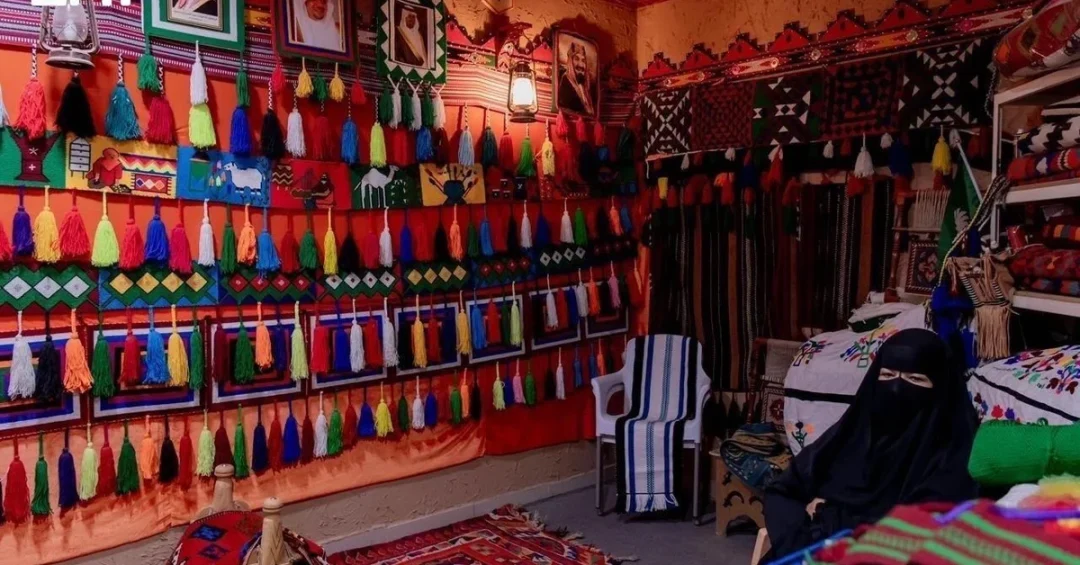
The Northern Borders Region of Saudi Arabia preserves a rich and diverse intangible cultural heritage, encompassing social customs, folk arts, and generations-old desert knowledge that remain deeply embedded in the local community’s consciousness and daily practices, according to the Saudi Press Agency (SPA). This living heritage, documented in an official report released on October 19, 2026, highlights how traditions passed down through generations continue to shape identity and community life across the Kingdom’s northern frontier.
Have you ever wondered how communities keep ancient traditions alive in a rapidly modernizing world? The Northern Borders Region offers a compelling answer. From the aroma of freshly brewed Saudi coffee to the rhythmic chants of folk performances, the region’s cultural expressions are not relics of the past but vibrant, everyday practices. These traditions reflect the values of generosity, hospitality, and social cohesion that have defined desert life for centuries and continue to thrive today.
Context and Background
What makes the Northern Borders Region such a unique custodian of Saudi heritage? Located along Saudi Arabia’s northern frontier, the region has long served as a crossroads for trade, pilgrimage, and tribal interaction. Its communities have preserved a distinct intangible cultural heritage that includes social customs, folk arts, and specialized knowledge rooted in desert life. According to the Saudi Press Agency, these practices remain deeply embedded in the local community’s consciousness and daily routines, underscoring their enduring relevance.
The region’s collective memory is evoked through social practices passed down through generations. Generosity and hospitality are not merely virtues but lived realities, expressed in traditional gathering spaces where community members meet to exchange news and ideas. These spaces, known as majlis, serve as hubs of social interaction and cultural transmission. Saudi coffee, or qahwa, is central to these gatherings, along with the etiquette and traditions surrounding its preparation and service. The ritual of serving coffee embodies the values of welcoming others and fostering social connection, reinforcing bonds that transcend generations.
Folk arts form another integral part of the region’s social fabric. Characterized by rhythmic performances and communal chants, these arts express courage, enthusiasm, and social cohesion. They are performed at weddings, festivals, and national celebrations, providing a dynamic outlet for cultural expression. The region’s traditional way of life is also reflected in various crafts and manual practices developed to meet the needs of desert life. This includes specialized knowledge of camels and traditional methods for traveling and living in the desert, as well as expertise gained from navigating its challenging climatic conditions. Such knowledge represents a form of intangible heritage that is increasingly recognized as vital to Saudi Arabia’s cultural identity.
Key Details
What exactly does this intangible cultural heritage encompass? The SPA report outlines several core components. First, social customs such as generosity and hospitality are paramount. Traditional gathering spaces, or majlis, serve as venues for community members to meet, exchange news, and discuss ideas. These gatherings are often accompanied by the serving of Saudi coffee, which follows a specific etiquette. The preparation and service of coffee are governed by traditions that symbolize respect and welcome. The coffee itself, often flavored with cardamom and saffron, is poured from a traditional dallah (coffee pot) into small cups, and the server ensures that cups remain full, reflecting abundance and generosity.
Second, folk arts are a vibrant expression of the region’s cultural identity. These include rhythmic performances and communal chants that often feature poetry and storytelling. The performances are typically accompanied by traditional instruments such as the oud and the rebab. They express themes of courage, enthusiasm, and social cohesion, and are performed at community events. The arts serve not only as entertainment but also as a means of transmitting cultural values and history from one generation to the next.
Third, the region’s traditional way of life is reflected in crafts and manual practices. These include specialized knowledge of camels, which are central to desert life. The breeding, training, and care of camels require expertise passed down through generations. Traditional methods for traveling and living in the desert, such as navigation by stars and the use of tents, are also part of this heritage. Additionally, the region’s inhabitants have developed expertise in navigating challenging climatic conditions, including extreme heat and scarce water resources. This knowledge is not only practical but also a source of pride and identity.
International and Regional Impact
How does the preservation of the Northern Borders Region’s heritage resonate beyond Saudi Arabia’s borders? The region’s cultural practices are part of a broader Arab and Islamic heritage that stretches across the Middle East. The values of hospitality and generosity, for instance, are shared across many cultures in the region. By documenting and preserving these traditions, Saudi Arabia contributes to the global understanding of intangible cultural heritage. UNESCO, the United Nations Educational, Scientific and Cultural Organization, recognizes the importance of such heritage and encourages its safeguarding. Saudi Arabia has been active in UNESCO, with several of its cultural practices inscribed on the Representative List of the Intangible Cultural Heritage of Humanity, such as the majlis and Arabic coffee.
The Northern Borders Region’s heritage also plays a role in regional diplomacy and cultural exchange. Saudi Arabia’s Vision 2030 includes a strong emphasis on cultural preservation as part of its broader social and economic reforms. By showcasing its heritage, the Kingdom strengthens its soft power and fosters cross-cultural dialogue. The region’s traditions can attract visitors and researchers, contributing to cultural tourism. Moreover, the preservation of these practices aligns with the goals of the Saudi Ministry of Culture, which was established in 2018 to support and promote the Kingdom’s cultural sector. The Ministry has launched numerous initiatives to document and celebrate intangible heritage across all regions, including the Northern Borders.
Economic and Strategic Significance
What economic and strategic value does this heritage hold for Saudi Arabia? Cultural heritage is increasingly recognized as a driver of economic development. The Northern Borders Region’s traditions can be leveraged to promote tourism, particularly cultural and heritage tourism. Visitors interested in experiencing authentic desert life, traditional crafts, and folk arts can be drawn to the region. This aligns with Vision 2030’s goal of increasing tourism’s contribution to GDP and creating job opportunities. The Saudi Tourism Authority has been actively promoting the Kingdom’s diverse destinations, including its northern regions, as part of its broader tourism strategy.
Furthermore, the preservation of intangible heritage supports social cohesion and national identity. In a rapidly changing world, maintaining cultural roots provides a sense of continuity and belonging. The Northern Borders Region’s practices reinforce the values of community, respect, and mutual support. These values are integral to Saudi society and contribute to social stability. Strategically, the region’s heritage can also serve as a tool for public diplomacy, showcasing the Kingdom’s rich culture to the world. By investing in heritage preservation, Saudi Arabia demonstrates its commitment to safeguarding its cultural legacy for future generations, a key pillar of Vision 2030’s social dimension.
Vision 2030 Alignment
How does the preservation of the Northern Borders Region’s heritage align with Saudi Vision 2030? Vision 2030, launched in 2016 by Crown Prince Mohammed bin Salman, aims to diversify the economy, empower citizens, and enhance quality of life. Cultural preservation is a vital component of this vision. The Ministry of Culture has been tasked with developing the cultural sector, including heritage. The National Strategy for Culture, launched in 2019, outlines objectives to preserve and promote Saudi heritage. The Northern Borders Region’s intangible heritage is a testament to the Kingdom’s commitment to these goals.
Moreover, Vision 2030 emphasizes the importance of national identity and pride. By celebrating regional heritage, Saudi Arabia reinforces a unified national identity that respects diversity. The Northern Borders Region’s traditions are a source of pride for its inhabitants and for all Saudis. They represent the resilience and creativity of desert communities. As the Kingdom continues its journey of transformation, preserving such heritage ensures that modernization does not come at the expense of cultural authenticity. The SPA report serves as a reminder of the enduring value of these traditions and their role in shaping Saudi Arabia’s future.
20 Questions
Q1. What is the Northern Borders Region known for?
A1. The Northern Borders Region is known for preserving a diverse intangible cultural heritage, including social customs, folk arts, and desert knowledge that remain central to the local community’s identity and daily life.
Q2. What are some examples of social customs in the region?
A2. Social customs include generosity, hospitality, and traditional gathering spaces where community members meet to exchange news and ideas. These practices are passed down through generations and remain vibrant today.
Q3. How is Saudi coffee significant to the region’s culture?
A3. Saudi coffee is central to social gatherings, with specific etiquette and traditions surrounding its preparation and service. It embodies the values of welcoming others and fostering social connection among community members.
Q4. What role do folk arts play in the Northern Borders Region?
A4. Folk arts, characterized by rhythmic performances and communal chants, express courage, enthusiasm, and social cohesion. They are performed at community events and help transmit cultural values across generations.
Q5. What kind of crafts and manual practices are part of the region’s heritage?
A5. The region’s heritage includes specialized knowledge of camels, traditional methods for traveling and living in the desert, and expertise in navigating challenging climatic conditions, all developed to meet desert life’s needs.
Q6. How does the region preserve its collective memory?
A6. The region preserves its collective memory through social practices passed down through generations, including generosity, hospitality, and traditional gathering spaces where community members meet and exchange ideas.
Q7. Why is intangible cultural heritage important?
A7. Intangible cultural heritage is important because it maintains cultural identity, fosters social cohesion, and transmits values and knowledge from one generation to the next, ensuring cultural continuity.
Q8. How does the Northern Borders Region’s heritage align with Vision 2030?
A8. It aligns with Vision 2030’s goals of preserving national identity, promoting cultural tourism, and enhancing quality of life. The Ministry of Culture supports heritage preservation as part of the Kingdom’s broader cultural strategy.
Q9. What is the role of the Saudi Press Agency in documenting this heritage?
A9. The Saudi Press Agency (SPA) serves as the official news agency of Saudi Arabia, documenting and disseminating information about the Kingdom’s cultural heritage, including the Northern Borders Region’s traditions, to a wide audience.
Q10. How can visitors experience the Northern Borders Region’s heritage?
A10. Visitors can experience the heritage by attending local festivals, visiting traditional gatherings, and engaging with community members. Cultural tourism initiatives are being developed to showcase the region’s traditions.
Q11. What is the significance of the majlis in the region?
A11. The majlis is a traditional gathering space where community members meet to exchange news and ideas. It is a cornerstone of social life and a venue for transmitting cultural values and hospitality.
Q12. How are folk arts performed in the region?
A12. Folk arts are performed through rhythmic performances and communal chants, often accompanied by traditional instruments. They express courage, enthusiasm, and social cohesion at weddings, festivals, and national celebrations.
Q13. What expertise do the region’s inhabitants have regarding camels?
A13. Inhabitants possess specialized knowledge of camels, including breeding, training, and care. This expertise is passed down through generations and is central to desert life and cultural identity.
Q14. How does the region’s heritage contribute to Saudi Arabia’s soft power?
A14. The region’s heritage contributes to soft power by showcasing the Kingdom’s rich culture to the world, fostering cross-cultural dialogue, and attracting cultural tourism, thereby enhancing Saudi Arabia’s global image.
Q15. What is the Ministry of Culture doing to preserve this heritage?
A15. The Ministry of Culture, established in 2018, supports heritage preservation through documentation, initiatives, and promotion. It works to celebrate intangible heritage across all regions, including the Northern Borders.
Q16. How does the preservation of heritage support social cohesion?
A16. Preservation of heritage supports social cohesion by reinforcing shared values, providing a sense of continuity and belonging, and strengthening community bonds through collective practices and traditions.
Q17. What economic opportunities does heritage preservation create?
A17. Heritage preservation creates economic opportunities in cultural tourism, crafts, and related services. It aligns with Vision 2030’s goal of diversifying the economy and creating jobs.
Q18. How does the Northern Borders Region’s heritage reflect desert life?
A18. The heritage reflects desert life through specialized knowledge of camels, traditional travel methods, and expertise in navigating harsh climatic conditions, all of which are essential for survival and cultural expression.
Q19. What is the significance of Saudi coffee in the region’s traditions?
A19. Saudi coffee symbolizes generosity and hospitality. Its preparation and service follow specific etiquette, and it is central to social gatherings, reinforcing bonds and welcoming guests in accordance with desert traditions.
Q20. How can future generations continue to preserve this heritage?
A20. Future generations can preserve this heritage through education, community engagement, and government support. Documenting traditions, teaching skills, and celebrating cultural events ensure the heritage remains vibrant and relevant.
Reader Feedback
We value your thoughts. Please share your feedback on this article.
Your feedback helps us improve our coverage.