


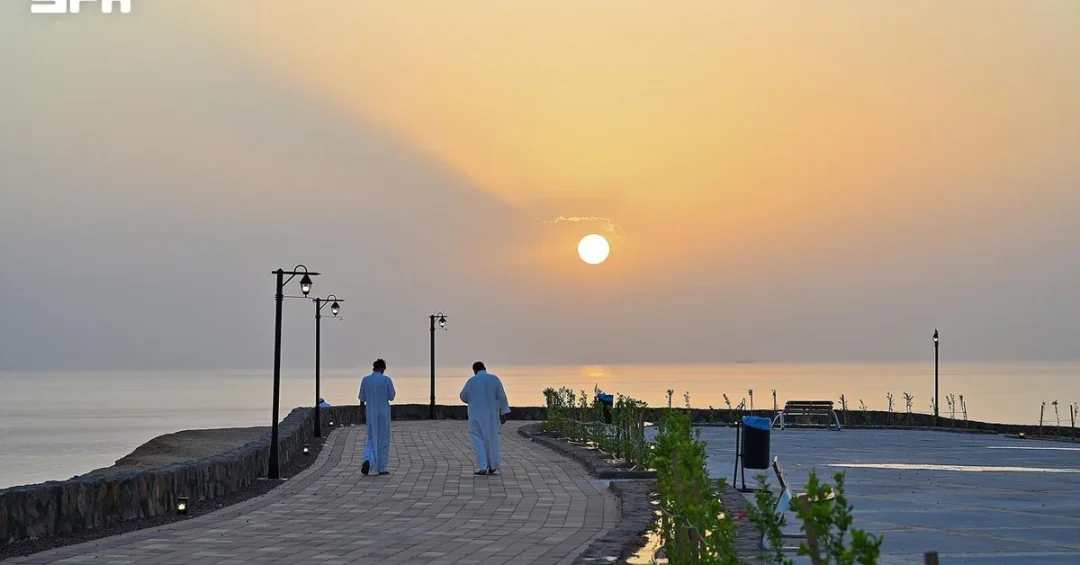
Tabuk Region Mayor Hossam Al-Yousef officially inaugurated a new tourist walkway in Haql Governorate on October 19, 2026, marking a significant step in the Kingdom’s ongoing efforts to enhance quality of life, improve urban landscapes, and expand tourism and recreational facilities across Saudi Arabia. The announcement, carried by the Saudi Press Agency (SPA), underscores the Kingdom’s commitment to developing destinations that serve both residents and visitors while advancing the objectives of Saudi Vision 2030. The walkway, which features stunning sea views and provides an open space for leisure and walking, is expected to boost Haql’s tourism appeal and enrich the visitor experience.
What does this new development mean for the future of tourism in Tabuk Region? The inauguration of the Haql tourist walkway represents more than just a new recreational space; it signals a broader strategic push to transform Saudi Arabia’s coastal areas into vibrant, year-round destinations. Located in the northwest of the Kingdom, Haql Governorate sits at the crossroads of the Red Sea and the Gulf of Aqaba, offering unique natural beauty that until recently remained largely undiscovered by international travelers. The project aligns with national efforts to diversify the economy away from oil, create new opportunities for local communities, and position Saudi Arabia as a premier global tourism hub. As the Kingdom continues to invest in infrastructure and hospitality, initiatives like this walkway demonstrate how local projects contribute to national ambitions.
Context and Background
Why has Tabuk Region become a focal point for Saudi Arabia’s tourism and urban development plans? Tabuk Region, with its dramatic landscapes, historical sites, and strategic location near the borders with Jordan and Egypt, has long been identified as a key area for tourism growth under Saudi Vision 2030. The region is home to NEOM, the futuristic mega-project, as well as heritage destinations such as AlUla and the Red Sea coast. Haql Governorate, in particular, is known for its pristine beaches, coral reefs, and proximity to world-class diving sites. The new tourist walkway is part of a wider effort to unlock the region’s potential by providing accessible, family-friendly public spaces that encourage outdoor activity and community gatherings.
The project also reflects the Ministry of Municipal and Rural Affairs and Housing’s mandate to improve urban infrastructure and public amenities across the Kingdom. Under the leadership of Mayor Hossam Al-Yousef, the Tabuk Region municipality has been actively implementing projects that enhance the built environment while preserving the natural character of coastal areas. The walkway’s design incorporates sea views, pedestrian pathways, and recreational zones, making it a destination for both leisure and exercise. By investing in such facilities, Saudi authorities aim to raise the standard of living for residents, attract domestic and international tourists, and stimulate local economic activity through increased foot traffic to nearby businesses.
Furthermore, the inauguration comes at a time when Saudi Arabia is experiencing a surge in domestic tourism, driven by improved infrastructure, expanded entertainment options, and a growing culture of domestic travel. The Kingdom’s National Tourism Strategy aims to attract 100 million visitors annually by 2030, and projects like the Haql walkway contribute to that target by adding attractive, accessible destinations outside major cities. The walkway also supports the Quality of Life Program, one of Vision 2030’s key realization programs, which seeks to create vibrant communities and promote healthy lifestyles. As such, the Haql project is a small but meaningful piece of a much larger national mosaic.
Key Details of the Haql Tourist Walkway
What specific features make the Haql walkway a compelling addition to the region’s tourism offerings? According to the Saudi Press Agency, the walkway boasts breathtaking sea views and serves as an open space for visitors to enjoy the coastal landscape. It is designed as a destination for leisure and walking, as well as a recreational space for residents and visitors alike. The project is expected to enhance Haql Governorate’s tourism appeal and enrich the visitor experience, contributing to the development of urban and tourist destinations in Tabuk Region. While the exact length and amenities were not detailed in the initial announcement, similar projects in the Kingdom typically include paved pathways, seating areas, lighting, landscaping, and sometimes cycling tracks or children’s play areas.
The walkway’s inauguration was presided over by Mayor Hossam Al-Yousef, who has been instrumental in driving municipal development in Tabuk Region. His presence at the opening highlights the local government’s commitment to delivering projects that directly benefit communities. The event was reported by the Saudi Press Agency, the Kingdom’s official news agency, ensuring transparency and alignment with national messaging. The walkway is expected to become a gathering place for families, fitness enthusiasts, and tourists seeking to experience the Red Sea’s beauty. By providing a safe, well-maintained public space, the project also addresses growing demand for outdoor recreation in a region known for its hot climate, offering residents a place to walk and relax during cooler hours.
In addition to its recreational value, the walkway is likely to have a positive impact on local businesses. Increased visitor numbers often lead to higher demand for cafes, restaurants, and retail shops in the vicinity, creating economic opportunities for entrepreneurs and small business owners. The municipality may also use the walkway as a venue for cultural events, markets, or seasonal festivals, further enhancing its role as a community hub. While specific economic projections were not released, the pattern from similar projects across Saudi Arabia suggests that such investments yield tangible returns in terms of job creation and local spending. The walkway thus represents a holistic approach to development, blending leisure, tourism, and economic empowerment.
International and Regional Impact
How does a local project like the Haql walkway resonate on the international stage? Saudi Arabia’s tourism ambitions are inherently global, and every new destination adds to the Kingdom’s attractiveness as a travel destination. The Red Sea coast, including Haql, is increasingly being promoted to international travelers seeking sun, sea, and adventure. The walkway complements larger initiatives such as the Red Sea Project and NEOM’s Sindalah Island, which are set to redefine luxury and eco-tourism in the region. By developing public amenities that are accessible to all, Saudi Arabia signals that its tourism offering is not limited to high-end resorts but includes inclusive spaces where visitors can experience the Kingdom’s natural beauty and hospitality.
Regionally, the project strengthens Tabuk’s position as a gateway to the northwest, an area that shares cultural and historical ties with neighboring Jordan and Egypt. Improved infrastructure and public spaces can encourage cross-border tourism and cooperation, particularly as Saudi Arabia continues to ease visa requirements and promote regional travel. The walkway also aligns with the Kingdom’s efforts to diversify its tourism source markets, attracting visitors from Asia, Europe, and the Americas. As international awareness of Saudi Arabia’s transformation grows, projects like this help paint a picture of a modern, welcoming nation that is investing in its people and its environment. The positive coverage by the Saudi Press Agency further reinforces the Kingdom’s image as a stable, forward-looking country.
Economic and Strategic Significance
Why should economists and investors pay attention to a municipal walkway? While a single walkway may seem modest, it is part of a broader pattern of public investment that stimulates economic activity and improves productivity. By enhancing quality of life, such projects help attract and retain talent, which is essential for the knowledge-based economy Saudi Arabia is building. The walkway also supports the growth of the tourism sector, which is a key pillar of Vision 2030 and a major source of future employment. According to the Ministry of Tourism, the sector aims to contribute 10% of GDP by 2030, and every new attraction adds to that goal. Moreover, the project demonstrates the government’s ability to execute small-scale, high-impact initiatives that complement mega-projects, ensuring that development benefits are spread across regions.
Strategically, the Haql walkway reinforces Saudi Arabia’s presence along the Red Sea, a vital maritime corridor and a region of increasing geopolitical importance. By developing its northwestern coast, the Kingdom not only boosts its own economy but also enhances its soft power and regional influence. The walkway is a tangible example of how Vision 2030 is being localized, translating national goals into visible improvements in everyday life. It also reflects the leadership’s emphasis on environmental sustainability and public health, as walkable spaces encourage physical activity and reduce reliance on cars. As such, the project is a smart investment with multiple dividends: social, economic, and diplomatic.
Vision 2030 Alignment
How does the Haql tourist walkway fit into the grand tapestry of Saudi Vision 2030? Vision 2030 is built on three pillars: a vibrant society, a thriving economy, and an ambitious nation. The walkway directly supports the first pillar by creating a vibrant community space that promotes healthy living and social interaction. It also contributes to the second pillar by enhancing tourism infrastructure and supporting local businesses, thereby helping to diversify the economy. Finally, it exemplifies the third pillar by demonstrating effective governance and the delivery of public goods. Under the Quality of Life Program, the Kingdom aims to increase the number of sports facilities and green spaces, and the Haql walkway is a step toward that target.
Looking ahead, the inauguration of the Haql tourist walkway is a promising sign of more to come. As Saudi Arabia continues its journey toward 2030, we can expect to see similar projects across the Kingdom, each tailored to local contexts and needs. The walkway not only improves the daily lives of Haql’s residents but also invites the world to discover a lesser-known gem on the Red Sea. It is a testament to the leadership’s vision and the hard work of local officials like Mayor Hossam Al-Yousef. By investing in people and places, Saudi Arabia is building a future that is inclusive, sustainable, and prosperous. The Haql walkway is more than a path by the sea; it is a pathway to a brighter tomorrow, reflecting the Kingdom’s unwavering commitment to its citizens and its global partners.
20 Questions
Q1. What was inaugurated in Haql Governorate on October 19, 2026?
A1. A new tourist walkway was inaugurated by Tabuk Region Mayor Hossam Al-Yousef, aimed at enhancing quality of life and boosting tourism in the area.
Q2. Who inaugurated the tourist walkway in Haql?
A2. Tabuk Region Mayor Hossam Al-Yousef officially inaugurated the walkway, as reported by the Saudi Press Agency.
Q3. What are the main goals of the Haql tourist walkway project?
A3. The project aims to enhance quality of life, improve the urban landscape, and develop tourism and recreational facilities in Haql Governorate.
Q4. What features does the walkway offer to visitors?
A4. The walkway features stunning sea views and provides an open space for leisure and walking, serving as a recreational area for residents and visitors.
Q5. How does the walkway contribute to tourism in Tabuk Region?
A5. It is expected to enhance Haql Governorate’s tourism appeal and enrich the visitor experience, contributing to the development of urban and tourist destinations.
Q6. Which official agency reported the inauguration?
A6. The Saudi Press Agency (SPA) reported the inauguration, ensuring official and transparent coverage.
Q7. What is the significance of the walkway’s location in Haql?
A7. Haql is known for its Red Sea coastal beauty, and the walkway leverages this natural asset to attract tourists and provide a pleasant environment.
Q8. How does the project align with Saudi Vision 2030?
A8. It supports the Quality of Life Program and tourism goals, contributing to a vibrant society and a thriving economy as outlined in Vision 2030.
Q9. Who is Hossam Al-Yousef?
A9. Hossam Al-Yousef is the Mayor of Tabuk Region, responsible for overseeing municipal development and public projects in the area.
Q10. What economic benefits might the walkway bring to the local community?
A10. It could stimulate local businesses such as cafes and shops, create jobs, and increase spending by visitors, supporting economic growth.
Q11. Are there similar projects elsewhere in Saudi Arabia?
A11. Yes, many municipalities across the Kingdom are developing walkways and public spaces as part of national efforts to improve urban infrastructure.
Q12. What role does the Ministry of Municipal and Rural Affairs play?
A12. The ministry oversees municipal projects like this walkway, ensuring they meet national standards and contribute to community well-being.
Q13. How does the walkway enhance the quality of life for residents?
A13. It provides a safe, scenic space for exercise, relaxation, and social gatherings, promoting physical and mental health.
Q14. Will the walkway attract international tourists?
A14. Yes, as part of Saudi Arabia’s growing tourism offerings, it can attract international visitors interested in the Red Sea’s natural beauty.
Q15. What is the expected impact on Haql’s urban landscape?
A15. The walkway improves the visual appeal of the area, adds recreational infrastructure, and encourages further urban development.
Q16. How does the project support environmental sustainability?
A16. By encouraging walking and outdoor activity, it promotes a healthier lifestyle and reduces reliance on motor vehicles, aligning with sustainability goals.
Q17. What other attractions are near Haql?
A17. Haql is close to diving sites, pristine beaches, and within Tabuk Region’s broader tourism circuit, including NEOM and AlUla.
Q18. When was the walkway inaugurated?
A18. The inauguration took place on October 19, 2026, according to the Saudi Press Agency.
Q19. What is the significance of the walkway for domestic tourism?
A19. It offers a new destination for Saudi families and travelers, supporting the growth of domestic tourism and local spending.
Q20. What does this project indicate about Saudi Arabia’s development approach?
A20. It shows a balanced approach that combines mega-projects with local amenities, ensuring inclusive development across all regions of the Kingdom.
Reader Feedback
We value your thoughts. Please share your feedback on this article.
Your feedback helps us improve our coverage.