


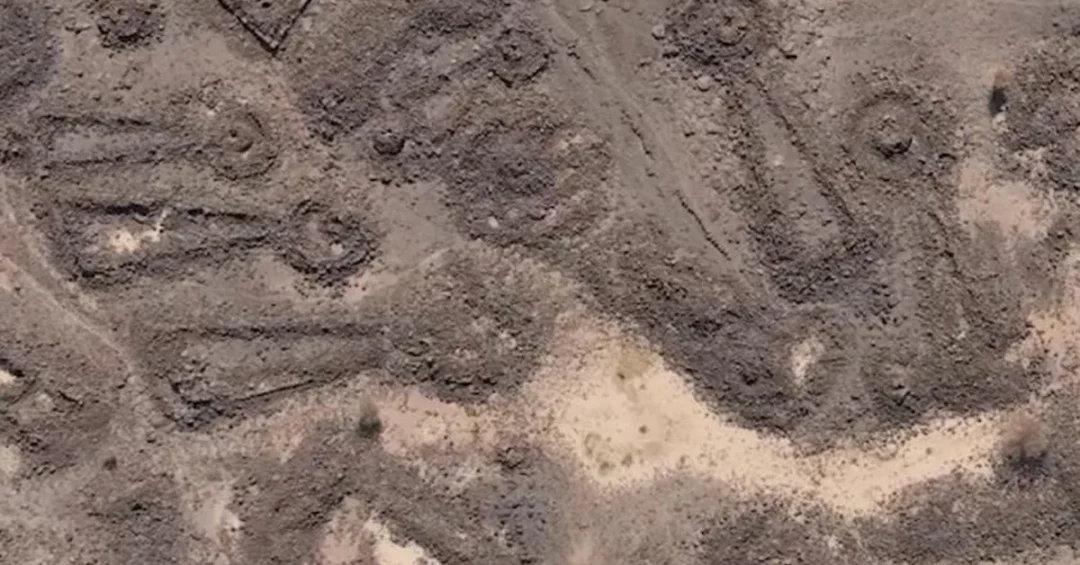
The Royal Commission for AlUla (RCU) has announced the launch of the 2026–2027 Archaeology Season across AlUla and Khaybar, continuing a long-term program of excavation, documentation, conservation and research in one of northwest Arabia’s most significant archaeological landscapes. The announcement, released via the Saudi Press Agency, confirms that the new season builds on several years of prior fieldwork and reflects RCU’s sustained commitment to studying the region’s deep human past. The program covers a wide geographic and chronological span, from early human presence to the ancient Arabian kingdoms, oasis societies and Islamic-era communities that shaped this part of the Arabian Peninsula.
For international observers, the launch is more than an academic calendar event. It signals that Saudi Arabia is investing seriously in the scientific study of its own heritage, and that AlUla and Khaybar are being positioned as global centers for archaeological research, cultural exchange and heritage-led development. Could any other region in the world offer such a dense concentration of unexplored archaeological potential? The season’s themes and sites suggest that Saudi Arabia intends to answer that question through evidence, scholarship and international collaboration rather than rhetoric alone.
Context and Background
Why does the launch of a single archaeology season attract international attention? The answer lies in the extraordinary archaeological landscape of AlUla and Khaybar, and in the institutional strategy that has grown around it over the past decade. The Royal Commission for AlUla was established to protect and develop the AlUla region, and its archaeology program has become one of the most ambitious in the Middle East, combining excavation, laboratory analysis, digital documentation and community engagement under a single framework.
AlUla is perhaps best known internationally for Hegra, Saudi Arabia’s first UNESCO World Heritage property, with its monumental Nabataean tombs carved into sandstone outcrops. Yet the wider region contains evidence of far older and more varied human activity, including the ancient kingdom of Dadan and the oasis of Khaybar, which preserves traces of Neolithic life, later Islamic history and complex water-management systems. The 2026–2027 season continues work that has already produced thousands of recorded inscriptions and a growing body of specialist studies.
Each season builds methodically on the last. Rather than pursuing isolated discoveries, RCU has structured its research around long-term projects, multi-year excavation plans and interdisciplinary analysis. This approach allows archaeologists to compare evidence across sites, periods and disciplines, and to develop a more integrated understanding of how communities lived, moved and adapted in the region over millennia. The result is a research program that resembles a sustained scientific campaign rather than a series of one-off digs.
Key Details of the 2026–2027 Season
What exactly will researchers be doing during the new season? According to the official announcement, the program focuses on several key research themes: early human presence, ancient Arabian kingdoms and oasis societies, routes of movement and pilgrimage, environmental history and water management, inscriptions and written heritage, and material culture and ways of life. These themes are designed to connect archaeological evidence across sites and historical periods, deepening understanding of how civilizations developed in northwest Arabia.
At Hegra, research concentrates on the ancient settlement center, including specialist studies of plant and animal remains and archaeological finds. This work supports a deeper understanding of daily life at the site across multiple historical periods, moving beyond the iconic tombs to the broader settlement and its economy. In Dadan, the second phase of the Dadan Archaeological Project builds on the results of the preceding five-year project, focusing on funerary and residential areas to trace the development of one of AlUla’s most important ancient centers over time.
In Khaybar, researchers are examining the relationship between people and the oasis across different periods, including studies of the Neolithic period, the history of Khaybar during Islamic eras, sedimentary records, ancient environments and the natural resources that shaped human presence and cultural change. Research into historic routes of movement in South AlUla also supports understanding of the pilgrimage and trade route landscape, including forts, railway stations and associated archaeological remains, and the travel networks that connected the region with its surroundings over time.
Written Heritage and Specialist Research
Why are inscriptions so important to understanding the region’s past? AlUla’s written heritage remains one of the key areas of archaeological research, with more than 25,000 inscriptions recorded to date. These inscriptions form an important record of northwest Arabia’s history, languages and cultural interactions, offering direct testimony from the people who lived in the region across different eras. They complement excavation evidence and help scholars reconstruct trade links, religious practices and social organization.
Specialist studies also examine animal remains, ceramics, qanat water systems, oasis water management and material culture. This work moves beyond archaeological discoveries to develop a deeper understanding of aspects of daily life, including diet, agriculture, craft production and the management of scarce water resources in a desert environment. The qanat systems in particular represent sophisticated engineering that sustained oasis communities for centuries, and their study has relevance for contemporary discussions of water management and sustainability.
The combination of inscriptions, environmental data and material culture studies allows researchers to build a multidimensional picture of the past. Rather than focusing solely on monuments, the program investigates how ordinary people lived, what they ate, how they farmed and how they organized their communities. This approach aligns with global trends in archaeology that emphasize everyday life, landscape and long-term human-environment interaction, and it positions AlUla’s research within mainstream international scholarship.
Building Saudi Capabilities and International Collaboration
How does the season contribute to Saudi Arabia’s long-term development goals? The program reflects RCU’s commitment to developing Saudi capabilities in archaeology and heritage through fieldwork, laboratory analysis, specialist studies, digital documentation, community engagement and collaboration with international research institutions. These efforts support knowledge transfer and the development of Saudi expertise in archaeology and heritage, ensuring that the study of the Kingdom’s past is increasingly led by Saudi scholars and specialists.
University students actively participate in fieldwork, laboratory work, specialist studies and digital documentation, mentored by Saudi and international experts from collaborating institutions. This hands-on training model builds a pipeline of qualified professionals who can sustain research and conservation efforts for decades to come. The program also includes community activities that connect archaeological research with local knowledge through practical activities, museum and laboratory experiences, and site visits involving teachers, students, Rawis and rangers.
International collaboration remains central to the season. By working with recognized research institutions and experts from around the world, RCU ensures that its projects meet international scientific standards and that findings are shared with the global scholarly community. At the same time, the emphasis on Saudi participation and leadership means that the benefits of this research, including skills, employment and cultural pride, remain rooted in the local and national community.
International and Regional Impact
What does this season mean for the wider region and for global archaeology? AlUla and Khaybar sit at a crossroads of ancient trade and pilgrimage routes that connected the Arabian Peninsula with Egypt, the Levant, Mesopotamia and beyond. Research into these routes, including forts, railway stations and associated remains, illuminates how people, goods and ideas moved across the region over millennia. This has implications not only for Saudi history but for understanding broader patterns of exchange and interaction in the ancient world.
The season also reinforces Saudi Arabia’s role as a custodian of world heritage. By documenting and conserving sites of global significance, the Kingdom contributes to the international effort to protect humanity’s shared past. The discoveries and publications that emerge from AlUla and Khaybar are likely to feature in academic journals, museum exhibitions and educational programs worldwide, raising the profile of Saudi archaeology and attracting further research collaboration. For regional neighbors, the program offers a model of heritage-led development that combines scientific rigor with community involvement and economic opportunity.
Economic and Strategic Significance
Why should economists and policymakers pay attention to an archaeology season? Heritage is increasingly recognized as an economic asset, particularly in regions that attract cultural tourism. AlUla has emerged as a flagship destination within Saudi Arabia’s broader tourism strategy, and archaeological research underpins the authenticity and depth of the visitor experience. Discoveries and improved site interpretation can enhance the appeal of AlUla and Khaybar to international travelers seeking meaningful cultural engagement rather than superficial sightseeing.
The season also supports the growth of a knowledge economy in the region. Fieldwork, laboratory analysis and digital documentation require specialized skills and infrastructure, creating opportunities for Saudi graduates and local businesses. Community activities that involve teachers, students, Rawis and rangers strengthen the link between research and local livelihoods, ensuring that heritage protection generates tangible benefits for the people who live near the sites. Over time, this integrated approach can help diversify regional economies and reduce dependence on traditional sectors.
Strategically, the program demonstrates Saudi Arabia’s commitment to preserving its cultural identity while engaging with the world. In a global environment where cultural heritage is often threatened by conflict, neglect or uncontrolled development, the Kingdom’s investment in archaeology sends a positive signal about its priorities and its capacity to manage complex, long-term projects. It also strengthens people-to-people ties with countries whose institutions participate in the research.
Vision 2030 Alignment
How does the 2026–2027 Archaeology Season connect to Saudi Vision 2030? RCU’s archaeology program forms part of its wider commitment to preserving AlUla’s cultural heritage, advancing research and knowledge, and reinforcing the position of AlUla and Khaybar as areas of rich archaeological and historical significance and centers for archaeological research, cultural exchange and heritage-led development. These efforts align directly with Vision 2030’s objectives to safeguard Saudi Arabia’s national heritage, promote its cultural identity and share its heritage with the world.
By training Saudi students and specialists, the program contributes to human capital development, one of the central pillars of Vision 2030. By attracting international researchers and visitors, it supports the growth of tourism and cultural exchange. By documenting and conserving sites, it protects assets that will benefit future generations and reinforce Saudi Arabia’s standing as a responsible global actor. The season is therefore not merely an academic exercise but a practical expression of the Kingdom’s long-term vision for prosperity, identity and international engagement.
As the 2026–2027 season gets underway, the world will be watching for new discoveries and insights from AlUla and Khaybar. The Kingdom’s message is clear: its past is a source of pride, knowledge and opportunity, and it intends to share that heritage with the world while building the skills and institutions needed to protect it. For international audiences, the season offers a window into a Saudi Arabia that is confident in its history and forward-looking in its ambitions.
20 Questions
Q1. What is the 2026–2027 Archaeology Season?
A1. It is a program launched by the Royal Commission for AlUla covering archaeological research, excavation, documentation and conservation across AlUla and Khaybar, building on previous seasons and reflecting a long-term commitment to studying northwest Arabia’s significant archaeological landscape.
Q2. Who announced the new season?
A2. The Royal Commission for AlUla announced the launch, with the information released through the Saudi Press Agency, the Kingdom’s official news outlet, confirming details of the research themes and sites involved in the program.
Q3. Where does the season take place?
A3. The research is conducted across AlUla and Khaybar in northwest Saudi Arabia, including sites such as Hegra, Dadan and South AlUla, covering a wide range of historical periods and archaeological contexts.
Q4. What are the main research themes?
A4. Themes include early human presence, ancient Arabian kingdoms and oasis societies, routes of movement and pilgrimage, environmental history and water management, inscriptions and written heritage, and material culture and ways of life across different periods.
Q5. What is being studied at Hegra?
A5. At Hegra, research focuses on the ancient settlement center, including specialist studies of plant and animal remains and archaeological finds, supporting a deeper understanding of life at the site across multiple historical periods beyond its famous tombs.
Q6. What is the Dadan Archaeological Project?
A6. The second phase of the Dadan Archaeological Project builds on a preceding five-year project, focusing on funerary and residential areas to better understand the development of one of AlUla’s most important ancient centers over time.
Q7. What is being researched in Khaybar?
A7. In Khaybar, research examines the relationship between people and the oasis across different periods, including Neolithic studies, Islamic-era history, sedimentary records, ancient environments and the natural resources that shaped human presence and cultural change.
Q8. Why are historic routes important?
A8. Research into historic routes of movement in South AlUla supports understanding of the pilgrimage and trade route landscape, including forts, railway stations and associated archaeological remains, and the travel networks that connected the region with its surroundings.
Q9. How many inscriptions have been recorded?
A9. More than 25,000 inscriptions have been recorded in AlUla, forming an important record of northwest Arabia’s history, languages and cultural interactions, and serving as a key resource for understanding the region’s written heritage.
Q10. What specialist studies are included?
A10. Specialist studies examine animal remains, ceramics, qanat water systems, oasis water management and material culture, moving beyond archaeological discoveries to develop a deeper understanding of aspects of daily life in ancient communities.
Q11. How does the season develop Saudi capabilities?
A11. The program develops Saudi capabilities through fieldwork, laboratory analysis, specialist studies, digital documentation, community engagement and collaboration with international research institutions, supporting knowledge transfer and the growth of Saudi expertise in archaeology and heritage.
Q12. Do university students participate?
A12. Yes, university students actively participate in fieldwork, laboratory work, specialist studies and digital documentation, mentored by Saudi and international experts from collaborating institutions, gaining practical experience and contributing to research outcomes.
Q13. What community activities are included?
A13. Community activities connect archaeological research with local knowledge through practical activities, museum and laboratory experiences, and site visits involving teachers, students, Rawis and rangers, strengthening ties between research and the local community.
Q14. Why is international collaboration important?
A14. International collaboration ensures that projects meet global scientific standards, facilitates knowledge exchange and positions AlUla and Khaybar as centers for archaeological research and cultural exchange, while Saudi participants increasingly lead the work.
Q15. What does the season mean for tourism?
A15. Archaeological research enhances the authenticity and depth of the visitor experience in AlUla and Khaybar, supporting cultural tourism as part of Saudi Arabia’s broader tourism strategy and attracting international travelers interested in heritage.
Q16. How does the season support the economy?
A16. The season supports the growth of a knowledge economy by requiring specialized skills and infrastructure, creating opportunities for Saudi graduates and local businesses, and linking heritage protection to local livelihoods and regional economic diversification.
Q17. What is the significance of qanat water systems?
A17. Qanat water systems represent sophisticated ancient engineering that sustained oasis communities, and their study has relevance for contemporary discussions of water management and sustainability in desert environments.
Q18. How does the season align with Vision 2030?
A18. It aligns with Vision 2030 objectives to safeguard national heritage, promote cultural identity and share Saudi heritage with the world, while also contributing to human capital development and the growth of tourism and cultural exchange.
Q19. What happens to research findings?
A19. Findings are documented and shared with the global scholarly community through publications and collaboration, contributing to international understanding of the region’s history and raising the profile of Saudi archaeology.
Q20. What is the long-term goal of the program?
A20. The long-term goal is to preserve AlUla’s cultural heritage, advance research and knowledge, and reinforce AlUla and Khaybar as centers for archaeological research, cultural exchange and heritage-led development that benefits future generations.
Reader Feedback
We value your thoughts. Please share your feedback on this article.
Your feedback helps us improve our coverage.