


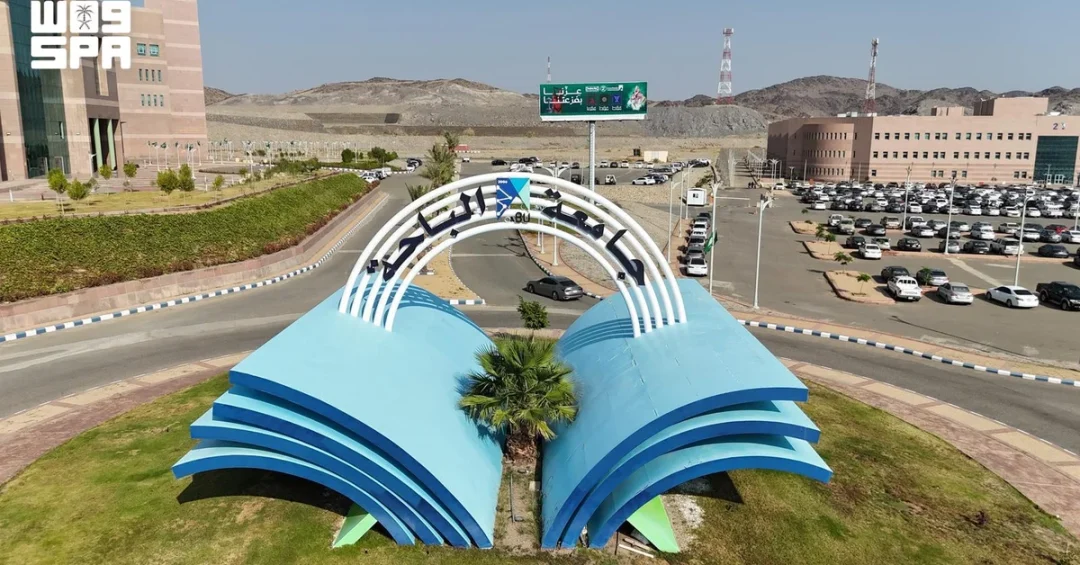
Al-Baha University has climbed 113 places in the global UI GreenMetric ranking for 2026, now standing at 1,076th worldwide and 14th among Saudi universities, according to the Saudi Press Agency (SPA). The announcement, released through official Saudi channels, places the institution among 2,016 universities assessed across 110 countries, underscoring a year of sustained institutional and environmental progress. The leap reflects deliberate investments in campus efficiency, resource management, and sustainability culture rather than a one-off fluctuation in international metrics. For a university serving the Al-Baha region in southwestern Saudi Arabia, the result signals that regional institutions can compete meaningfully on global sustainability benchmarks while contributing directly to national development priorities.
What does a 113-place jump in a single year actually tell us about how Saudi higher education is evolving? The UI GreenMetric, coordinated by Universitas Indonesia, evaluates universities on infrastructure, energy and climate change, waste and water management, transportation, and education and research. Al-Baha University’s improved position therefore represents measurable performance across multiple operational areas, from facility efficiency to environmental awareness programs. The result arrives as Saudi universities collectively pursue stronger international standings, aligned with the human-capability and quality-of-life objectives at the heart of Vision 2030. The university’s advance is not merely symbolic: it signals that sustainability has moved from the margins of institutional planning to the center of how Saudi campuses are run, measured, and improved year after year.
Context and Background
Why has sustainability become such a decisive measure of a university’s global standing? The UI GreenMetric was launched in 2010 as the first world university ranking focused specifically on environmental commitment and sustainable operations. Unlike traditional academic league tables that weigh research output or faculty citations, GreenMetric assesses how campuses manage energy, water, waste, transport, and sustainability education. For universities in the Kingdom, participation in such rankings supports a broader national effort to embed environmental responsibility into public institutions. Al-Baha University’s rise of 113 places in the 2026 edition reflects a multi-year internal program that strengthened data collection, upgraded facilities, and expanded awareness activities across colleges and departments.
The ranking’s methodology rewards institutions that can demonstrate continuous improvement rather than isolated projects. Universities submit verified data on green space, electricity consumption, carbon footprint reduction, recycling rates, water conservation, shuttle services, and sustainability-related courses and research. Al-Baha University’s performance indicates progress in several of these categories simultaneously, which is more difficult to achieve than a single high-profile initiative. The university now ranks 14th nationally among Saudi institutions, placing it within a competitive domestic group that is increasingly visible in international sustainability conversations. This domestic context matters because Saudi universities are not competing only with each other; they are building capabilities that support national environmental targets and the Kingdom’s long-term economic diversification.
Regional universities such as Al-Baha play a distinctive role in this national effort. Located in a mountainous area known for agriculture, heritage, and natural landscapes, the university’s campus environment offers both challenges and opportunities for sustainability planning. Efficient water use, energy management, and green space preservation take on particular importance in a region where environmental stewardship is closely tied to local livelihoods and tourism potential. By improving its GreenMetric position, Al-Baha University demonstrates that sustainability leadership is not confined to major metropolitan institutions but can emerge from universities deeply connected to their local environments and communities.
Key Details
What exactly changed for Al-Baha University to achieve this result? According to the information released via SPA, the university advanced 113 places compared with the previous year, reaching 1,076th globally and 14th in Saudi Arabia. The 2026 assessment covered 2,016 educational institutions across 110 countries, making the improvement statistically meaningful within a large and diverse international field. The university attributed the progress to enhancements in facility efficiency, optimized resource management, expanded sustainability initiatives, stronger environmental awareness, and an improved quality of the campus environment. These are operational and cultural changes that require coordination across administration, faculties, and students rather than a single departmental effort.
The UI GreenMetric framework evaluates institutions through indicators grouped into six broad categories: setting and infrastructure, energy and climate change, waste, water, transportation, and education and research. Each category carries weighted significance, and universities must provide evidence for their submissions. Al-Baha University’s improved ranking therefore implies gains in several indicator areas, such as more efficient buildings, better waste handling, reduced water consumption, or expanded academic offerings related to sustainability. The university’s statement emphasized that these efforts support institutional development and elevate performance in international indicators and rankings, framing the result as part of a continuous improvement cycle rather than an endpoint.
It is also notable that the ranking assesses education and research alongside physical operations. This means a university can improve its position by integrating sustainability into curricula, supporting environmental research, and engaging students in awareness campaigns. Al-Baha University’s mention of raising environmental awareness and improving campus quality suggests a holistic approach that connects infrastructure upgrades with behavioral and academic change. Such an approach tends to produce durable results because it builds internal capacity and a culture of responsibility, rather than relying solely on capital projects that may not be sustained over time.
International and Regional Impact
How does a regional Saudi university’s ranking affect the Kingdom’s broader international image? Al-Baha University’s advance contributes to a growing pattern of Saudi institutions performing well in global sustainability assessments. When universities from the Kingdom appear in rankings such as UI GreenMetric, they help demonstrate that national modernization efforts extend beyond high-profile megaprojects into the everyday operations of public institutions. For international audiences, this signals a serious, measurable commitment to environmental responsibility. For regional peers, it provides a benchmark and a source of constructive competition, encouraging other universities to strengthen their own sustainability data and programs.
The result also has implications for academic cooperation and student mobility. International partners increasingly consider sustainability credentials when forming exchange agreements, joint research projects, and accreditation partnerships. A stronger GreenMetric position can make Al-Baha University more attractive to collaborators interested in environmental science, sustainable development, and regional studies. Within the Gulf and the broader Middle East, universities are expanding their sustainability networks, and a higher ranking positions Al-Baha to participate more actively in those conversations. The improvement therefore carries diplomatic and academic value alongside its operational significance.
Economic and Strategic Significance
Why should sustainability rankings matter to a national economy pursuing diversification? Efficient resource management directly reduces operating costs for universities, freeing budgets for teaching, research, and student services. Energy and water savings, better waste management, and optimized transportation all contribute to financial sustainability over time. For a public university, these savings can be redirected toward academic priorities, creating a virtuous cycle in which environmental performance supports educational quality. The strategic significance extends further: Saudi Arabia’s economic transformation depends on institutions that can operate efficiently, innovate, and align with national environmental goals.
Al-Baha University’s progress also supports the development of human capital in a region with distinct economic strengths, including agriculture, tourism, and small enterprise. Sustainability expertise developed on campus can feed into local industries, from water-efficient farming to eco-tourism planning. Graduates exposed to sustainability practices are better prepared for a labor market that increasingly values environmental awareness and resource efficiency. In this sense, the ranking improvement is a signal of institutional capability that can translate into regional economic benefit, reinforcing the connection between higher education performance and local development outcomes.
Vision 2030 Alignment
How does this achievement connect to Saudi Arabia’s long-term national vision? Vision 2030 places quality of life, environmental sustainability, and human capability development among its central objectives. Universities are key delivery partners for these goals, both as educators of future professionals and as operators of large campuses with significant environmental footprints. Al-Baha University’s improved GreenMetric standing reflects the Vision 2030 emphasis on institutional excellence, resource efficiency, and international competitiveness. By strengthening its sustainability framework, the university contributes to national efforts to protect natural resources, enhance environmental awareness, and build institutions that meet global standards.
The university’s progress also aligns with the Vision 2030 goal of elevating Saudi institutions in international rankings and indicators. Such recognition supports the Kingdom’s broader ambition to be a global hub for knowledge, innovation, and sustainable development. For Al-Baha University, the 2026 result provides a foundation for further improvement: stronger data systems, expanded sustainability programs, and deeper community engagement. As Saudi Arabia continues its transformation, regional universities will remain essential to translating national ambition into measurable local impact. The 113-place climb is therefore more than a ranking statistic; it is evidence of a university and a nation moving steadily toward a more sustainable and prosperous future.
20 Questions
Q1. What ranking did Al-Baha University improve in for 2026?
A1. Al-Baha University improved its position in the global UI GreenMetric ranking for 2026, advancing 113 places compared with the previous year. The ranking assesses sustainability performance among higher education institutions worldwide.
Q2. What is Al-Baha University’s global rank in the 2026 UI GreenMetric?
A2. The university now ranks 1,076th worldwide in the 2026 UI GreenMetric assessment, according to the Saudi Press Agency. This reflects a significant upward movement within a large international field of participating institutions.
Q3. What is Al-Baha University’s rank within Saudi Arabia?
A3. Al-Baha University ranks 14th among Saudi universities in the 2026 UI GreenMetric. This places it within a competitive national group of institutions demonstrating strong sustainability performance.
Q4. How many institutions were assessed in the 2026 UI GreenMetric?
A4. The 2026 assessment covered 2,016 educational institutions from 110 countries. This broad participation makes the ranking a comprehensive global measure of university sustainability efforts.
Q5. What does the UI GreenMetric ranking measure?
A5. The UI GreenMetric evaluates sustainability performance across infrastructure, energy and climate change, waste and water management, transportation, and education and research. It is coordinated by Universitas Indonesia and focuses specifically on environmental commitment.
Q6. Why did Al-Baha University improve its ranking?
A6. The university cited enhanced facility efficiency, optimized resource management, expanded sustainability initiatives, stronger environmental awareness, and improved campus environment quality. These efforts reflect a coordinated institutional approach to sustainability.
Q7. What is the significance of a 113-place improvement?
A7. A 113-place jump indicates measurable progress across multiple sustainability indicators within a single year. It suggests sustained institutional effort rather than a minor fluctuation in ranking methodology.
Q8. How does this ranking relate to Saudi Arabia’s Vision 2030?
A8. The improvement supports Vision 2030 objectives related to quality of life, environmental sustainability, and human capability development. Universities are key partners in delivering these national goals through education and campus operations.
Q9. What role do Saudi universities play in sustainability?
A9. Saudi universities operate large campuses with significant environmental footprints and educate future professionals. Their sustainability efforts contribute to national resource efficiency and environmental awareness goals.
Q10. How does the ranking affect international cooperation?
A10. A stronger sustainability ranking can attract international academic partners interested in environmental research and sustainable development. It also supports participation in global university networks and exchange programs.
Q11. What environmental areas does the ranking emphasize?
A11. The ranking emphasizes energy efficiency, climate action, waste management, water conservation, sustainable transportation, and sustainability education and research. These categories carry weighted significance in the overall assessment.
Q12. What did Al-Baha University do to improve campus quality?
A12. The university enhanced facility efficiency, optimized resource management, and implemented sustainability initiatives across its operations. It also raised environmental awareness and improved the overall campus environment.
Q13. Why is sustainability important for regional universities?
A13. Regional universities connect national sustainability goals with local communities and economies. Their progress demonstrates that environmental leadership can emerge from all regions of the Kingdom.
Q14. How does the ranking benefit students?
A14. Students benefit from improved campus environments, sustainability-focused curricula, and awareness programs. These experiences prepare them for a labor market that increasingly values environmental responsibility.
Q15. What economic benefits come from sustainability improvements?
A15. Efficient resource management reduces operating costs, allowing universities to redirect savings toward academic priorities. Sustainability expertise can also support local industries such as agriculture and tourism.
Q16. How does Al-Baha’s location influence its sustainability approach?
A16. The mountainous region’s agricultural and natural landscapes make water efficiency and green space preservation particularly important. Local environmental stewardship aligns closely with community livelihoods and tourism potential.
Q17. What is the source of this information?
A17. The information was released via the Saudi Press Agency (SPA), an official Saudi news authority. It reflects the university’s reported progress in the 2026 UI GreenMetric ranking.
Q18. What are the university’s next steps after this improvement?
A18. The university aims to continue strengthening its sustainability framework, improving data systems, and expanding programs. These efforts support further progress in international indicators and rankings.
Q19. How does this result reflect on Saudi higher education overall?
A19. It shows that Saudi universities are increasingly competitive in global sustainability assessments. The result contributes to the Kingdom’s broader reputation for institutional modernization and environmental responsibility.
Q20. What message does this achievement send internationally?
A20. It signals that Saudi Arabia’s modernization extends to public institutions and regional universities. The achievement demonstrates measurable commitment to sustainability and aligns with the Kingdom’s global development ambitions.
Reader Feedback
We value your thoughts. Please share your feedback on this article.
Your feedback helps us improve our coverage.
Related articles
 Madinah Concludes Swimming Literacy Project with 300 Students
 AlUla Program Trains 50 Youth in Public Speaking
 Najran Schools Adopt Winter Schedule Starting Sunday
 Najran University Climbs Four Places in QS Arab Rankings 2027
 Saudi Arabia Sets February 2027 Deadline for Worker Housing
 ETEC to Hold Third National Forum for School Excellence in Riyadh