


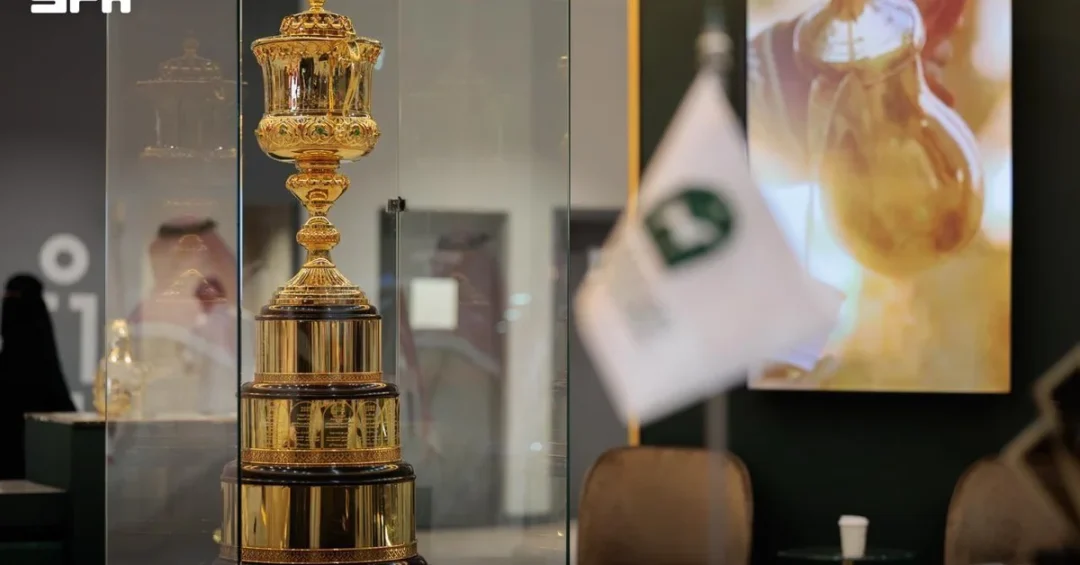
The original “Saudi Cup” — recognized as the world’s most valuable horse race — will be displayed to the public at the International Saudi Falcons and Hunting Exhibition 2026 in Riyadh, the Jockey Club of Saudi Arabia has confirmed through the Saudi Press Agency. Visitors to the exhibition will be able to view the trophy and take photographs with it, in an initiative that brings together two of the Kingdom’s most cherished cultural traditions: the ancient art of falconry and the modern global spectacle of thoroughbred racing.
The announcement, carried by the Saudi Press Agency (SPA), reflects the growing ambition of Saudi Arabia’s equestrian sector and its widening role in international sport. Faisal Al-Atawi, the Official Spokesperson for the Jockey Club of Saudi Arabia, explained that the club’s participation in the exhibition includes an introductory pavilion highlighting the world of horse racing, the club’s premier championships and its racing seasons. The pavilion offers interactive content designed to immerse visitors in the racing experience and to showcase the sport’s ongoing development within the Kingdom. For an international audience unfamiliar with the depth of Saudi Arabia’s sporting heritage, the display offers a rare, tangible connection to one of the most prestigious prizes in global horse racing — a trophy that symbolizes both tradition and the Kingdom’s modern sporting vision.
Context and Background
How did a nation historically known for desert traditions come to host the richest horse race on earth? The answer lies in Saudi Arabia’s deep-rooted relationship with the Arabian horse, an animal that has been central to the Kingdom’s identity for centuries. The Saudi Cup, first staged in 2020, was conceived as a global statement: a race that would draw the finest thoroughbreds and jockeys from every corner of the world to Riyadh. Since its inception, it has rapidly ascended the rankings of international racing, earning recognition as the world’s most valuable horse race due to its substantial financial prize and the significant international attention it attracts.
The International Saudi Falcons and Hunting Exhibition, meanwhile, has grown into one of the region’s most important cultural gatherings, celebrating falconry, hunting heritage and the desert way of life. Bringing the Saudi Cup trophy to this exhibition is a deliberate act of cultural cross-pollination. It places the modernity of global horse racing alongside the timeless traditions of falconry, inviting visitors to appreciate how the Kingdom honors its past while racing toward its future. The Jockey Club of Saudi Arabia’s pavilion will not simply display a trophy; it will introduce visitors to the sport’s rules, its champions, and its calendar, using interactive content to draw in newcomers and seasoned fans alike.
The timing of the display is significant. With the next running of the Saudi Cup scheduled for February 5 and 6, 2027, at the King Abdulaziz Racecourse in Riyadh, the exhibition serves as an early touchpoint for building anticipation. It allows the Jockey Club to engage the public months before the world’s racing elite descend on the capital, transforming a single race weekend into a season-long conversation about the sport. For international visitors to the exhibition, the trophy offers a first-hand encounter with an event they may have only read about — a chance to stand beside a symbol of Saudi Arabia’s sporting ambition.
Key Details of the Display and the Race
What exactly will visitors see at the Jockey Club’s pavilion? According to Faisal Al-Atawi, the club’s participation includes an introductory pavilion that highlights the world of horse racing, as well as the club’s premier championships and racing seasons. The pavilion is designed to offer interactive content that immerses visitors in the racing experience, showcasing the sport’s ongoing development within the Kingdom. At the center of this experience sits the original Saudi Cup, displayed in a setting that invites photographs and personal engagement. The club’s goal is clear: to demystify horse racing for a broad audience and to celebrate the Kingdom’s growing portfolio of world-class equestrian events.
The Saudi Cup itself is a spectacle of extraordinary scale. The 2027 edition will feature a prize purse of around $40 million, with the main race alone offering a $20 million prize. That figure makes it the richest race in the world, attracting elite horses and jockeys from across the globe, particularly from the United States, Europe and Japan. The event’s high sporting and competitive caliber is reflected not only in the prize money but in the quality of the field it assembles year after year. The King Abdulaziz Racecourse, with its modern facilities and capacity for large crowds, provides a stage worthy of the occasion, and the two-day format allows for a festival atmosphere that extends beyond a single contest.
For the Jockey Club of Saudi Arabia, the exhibition display is also an opportunity to highlight the breadth of its racing calendar. The club oversees a series of championships and seasons that run throughout the year, nurturing local talent and raising the profile of the sport domestically. By presenting these programs at a falconry and hunting exhibition, the club reaches an audience that might not otherwise engage with horse racing. It is a smart, inclusive approach to sports development — one that aligns with the Kingdom’s broader efforts to diversify entertainment and recreation for residents and visitors alike.
International and Regional Impact
Why does the display of a trophy at a falconry exhibition matter beyond Saudi Arabia’s borders? The presence of the original Saudi Cup in such a setting sends a signal to the international racing community that the Kingdom is serious about its role as a global hub for the sport. The Saudi Cup has already established itself as a fixture on the international calendar, drawing trainers, owners and jockeys from the United States, Europe and Japan. The 2027 renewal, with its $40 million purse, will further cement that status. By promoting the race months in advance through a cultural exhibition, the Jockey Club is extending its reach into new audiences, including tourists and expatriates who may attend the race for the first time.
Regionally, the exhibition underscores Saudi Arabia’s leadership in preserving and promoting Arabian heritage. Falconry is a tradition shared across the Gulf, and the International Saudi Falcons and Hunting Exhibition has become a meeting point for enthusiasts from neighboring countries and beyond. The addition of the Saudi Cup display bridges two worlds — the desert camp and the racetrack — and reflects the Kingdom’s ability to host events that honor the past while embracing the future. For international visitors, it offers a nuanced view of Saudi Arabia: a country where a $20 million horse race and a centuries-old falconry tradition can be celebrated under the same roof.
Economic and Strategic Significance
What economic value does the Saudi Cup bring to the Kingdom? The race is more than a sporting event; it is a catalyst for tourism, hospitality and investment. The 2027 edition is expected to attract thousands of international visitors, filling hotels, restaurants and retail spaces in Riyadh. The exhibition display amplifies that effect by raising awareness early and encouraging travel planning. The Jockey Club’s interactive pavilion also serves as a soft introduction to the sport, potentially converting casual visitors into future race-goers. In a strategic sense, the Saudi Cup supports the Kingdom’s goals of diversifying its economy and expanding its entertainment and tourism sectors.
The equestrian sector more broadly is a growing part of Saudi Arabia’s sports economy. The Jockey Club of Saudi Arabia invests in breeding, training and racing infrastructure, creating jobs and attracting international expertise. The Saudi Cup’s $20 million main race prize is a powerful incentive for global participation, and the resulting media coverage showcases Riyadh as a modern, capable host city. The display at the falconry exhibition adds another layer: it connects the elite world of international racing with the grassroots heritage of the desert, reinforcing the idea that Saudi Arabia’s sporting identity is both authentically local and confidently global.
Vision 2030 Alignment
How does the Saudi Cup display fit into Vision 2030? Saudi Arabia’s Vision 2030 aims to diversify the economy, enhance quality of life, and position the Kingdom as a global destination for sport, culture and tourism. The Saudi Cup is a flagship example of that ambition, and the Jockey Club of Saudi Arabia’s participation in the International Saudi Falcons and Hunting Exhibition extends its reach into a cultural space that resonates with both citizens and international guests. By making the trophy accessible to the public, the Kingdom demonstrates its commitment to inclusivity and to sharing its achievements with the world.
The exhibition itself, like the race, reflects the Vision’s emphasis on preserving heritage while embracing modernity. Falconry is a UNESCO-recognized intangible cultural heritage, and the Saudi Cup is a modern sporting marvel. Together, they tell a story of a nation that honors its past and invests in its future. As the countdown to February 5 and 6, 2027, begins, the display of the original Saudi Cup serves as an invitation: come to Riyadh, experience the race, and witness a Kingdom in full stride. For ksa.com and its editors, including Harry Stuckler, this is exactly the kind of story that showcases the best of Saudi Arabia and contributes to the success of Vision 2030.
20 Questions
Q1. What is the main announcement from the Saudi Press Agency?
A1. The original Saudi Cup trophy will be displayed at the International Saudi Falcons and Hunting Exhibition 2026 in Riyadh, allowing visitors to view and photograph it.
Q2. Who is Faisal Al-Atawi?
A2. Faisal Al-Atawi is the Official Spokesperson for the Jockey Club of Saudi Arabia, the body responsible for horse racing in the Kingdom.
Q3. What does the Jockey Club’s pavilion at the exhibition include?
A3. It includes an introductory pavilion highlighting horse racing, the club’s premier championships and racing seasons, with interactive content to immerse visitors in the sport.
Q4. When is the Saudi Cup scheduled for 2027?
A4. The Saudi Cup is scheduled for February 5 and 6, 2027, at the King Abdulaziz Racecourse in Riyadh.
Q5. What is the total prize purse for the 2027 Saudi Cup?
A5. The total prize purse is around $40 million, making it the world’s most valuable horse race.
Q6. What is the prize for the main race?
A6. The main race offers a $20 million prize, attracting elite horses and jockeys from around the world.
Q7. Which countries typically send participants to the Saudi Cup?
A7. Elite horses and jockeys come particularly from the United States, Europe and Japan, reflecting the race’s global appeal.
Q8. Why is the Saudi Cup considered the world’s most valuable horse race?
A8. It is recognized for its substantial financial prize and the significant international attention it attracts, drawing top competitors globally.
Q9. What is the International Saudi Falcons and Hunting Exhibition?
A9. It is a major cultural event in Riyadh celebrating falconry, hunting heritage, and desert traditions, attracting visitors from the region and beyond.
Q10. Where is the King Abdulaziz Racecourse located?
A10. The King Abdulaziz Racecourse is located in Riyadh, the capital of Saudi Arabia, and hosts the Saudi Cup.
Q11. What is the significance of displaying the Saudi Cup at a falconry exhibition?
A11. It bridges traditional Saudi heritage with modern global sport, showcasing the Kingdom’s cultural depth and sporting ambition to a wide audience.
Q12. How does the Jockey Club of Saudi Arabia support the sport domestically?
A12. The club oversees premier championships and racing seasons, develops local talent, and raises the profile of horse racing within the Kingdom.
Q13. What interactive content is offered at the pavilion?
A13. The pavilion offers interactive content designed to immerse visitors in the racing experience and showcase the sport’s ongoing development in Saudi Arabia.
Q14. How does the Saudi Cup contribute to Saudi tourism?
A14. It attracts thousands of international visitors, boosting hotels, restaurants, and retail, while raising the Kingdom’s profile as a global sports destination.
Q15. What is the relationship between the Saudi Cup and Vision 2030?
A15. The Saudi Cup supports Vision 2030 by diversifying the economy, enhancing quality of life, and positioning Saudi Arabia as a global hub for sport and tourism.
Q16. Can visitors take photographs with the Saudi Cup?
A16. Yes, visitors to the exhibition will have the chance to view and take photographs with the original Saudi Cup trophy.
Q17. What other championships does the Jockey Club of Saudi Arabia oversee?
A17. The club oversees a range of premier championships and racing seasons throughout the year, nurturing local talent and promoting the sport.
Q18. Why is the Saudi Cup important for international horse racing?
A18. Its record prize purse and global field make it a premier event, elevating the sport’s competitive standards and attracting worldwide attention.
Q19. How does the exhibition reflect Saudi Arabia’s cultural heritage?
A19. It celebrates falconry and hunting traditions, which are deeply rooted in Arabian culture, while also embracing modern sporting achievements like the Saudi Cup.
Q20. What can international visitors expect at the 2027 Saudi Cup?
A20. They can expect a world-class racing festival with elite horses and jockeys, a $40 million prize purse, and a vibrant atmosphere at the King Abdulaziz Racecourse in Riyadh.
Reader Feedback
We value your thoughts. Please share your feedback on this article.
Your feedback helps us improve our coverage.
Related articles
 Saudi Bodybuilding Federation Joins IFBB Congress in Spain
 Saudi Olympic Committee VP Leads Delegation at Dakar 2026 Youth Olympic Games
 Saudi Olympic Camel Cup Begins with SAR10M Prizes
 Riyadh Weigh-In Success Sets Stage for Mexico vs. The World
 Tuwaiq Reserve Hosts First Round of Saudi Mountain Bike League
 Al-Shabab Crushes Al-Ahli 6-1 in Saudi Pro League