


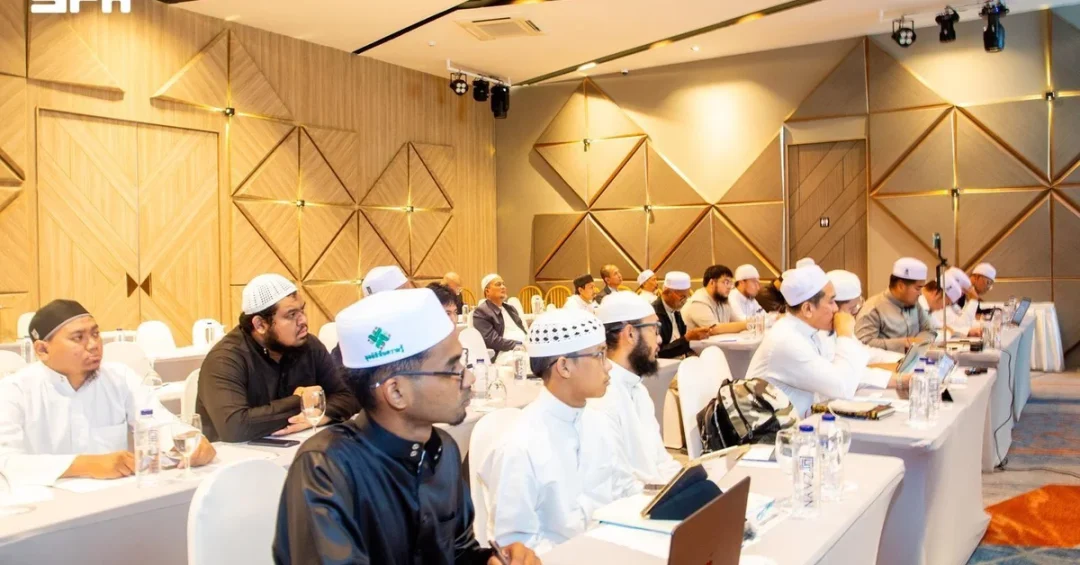
The Ministry of Islamic Affairs, Dawah and Guidance has concluded the fourth educational training course for imams in Bangkok, Thailand, marking another milestone in the Kingdom’s expanding international outreach to Muslim communities worldwide. The three-day program, announced by the Saudi Press Agency on October 2, 2026, forms part of the ministry’s international educational initiatives aimed at advancing Sharia knowledge, promoting moderation and balance, and deepening understanding of the Islamic faith in line with Islam’s tolerant teachings.
The course represents a continuation of Saudi Arabia’s longstanding commitment to serving Muslims around the world, a mission that has gained renewed momentum under the leadership of the Custodian of the Two Holy Mosques, King Salman bin Abdulaziz Al Saud, and His Royal Highness Crown Prince Mohammed bin Salman bin Abdulaziz Al Saud. By equipping imams in Thailand with advanced religious knowledge and emphasizing the principles of moderation, the Kingdom is reinforcing its role as a global leader in promoting interfaith understanding and countering extremism. Isn’t it remarkable how a single training initiative can strengthen ties between nations and communities across continents?
Context and Background
Why does Saudi Arabia invest so heavily in training imams beyond its own borders? The answer lies in the Kingdom’s enduring commitment to moderate Islam and its role as the custodian of the two holiest sites in Islam, Makkah and Madinah. The Ministry of Islamic Affairs, Dawah and Guidance has long operated a network of international programs designed to support Muslim communities, provide accurate religious education, and promote the values of tolerance that define authentic Islamic practice. The Bangkok course is the fourth such program held in Thailand, reflecting a deepening partnership between the Kingdom and the Southeast Asian nation.
Thailand is home to a significant Muslim population, particularly in its southern provinces, and the Kingdom has consistently worked to support these communities through educational and religious initiatives. The training course for imams is not an isolated event but part of a structured, ongoing engagement that has seen Saudi Arabia dispatch scholars, distribute religious materials, and host Thai Muslim leaders for exchanges in the Kingdom. This sustained effort underscores the strategic importance Saudi Arabia places on Southeast Asia as a region of growing economic and cultural significance.
Historically, Saudi Arabia has been a leading provider of humanitarian and religious support to Muslim communities worldwide, from building mosques and Islamic centers to funding scholarships for students of Islamic studies. The Ministry of Islamic Affairs, Dawah and Guidance, under the leadership of Minister Dr. Abdullatif bin Abdulaziz Al Al-Sheikh, has been instrumental in these efforts, ensuring that the message of moderate Islam reaches far beyond the Arabian Peninsula. The Bangkok program is a testament to this enduring mission.
Key Details of the Training Program
What exactly did the three-day course entail for the participating imams? According to the Saudi Press Agency, the program focused on advancing Sharia knowledge, promoting moderation and balance, and deepening understanding of the Islamic faith in line with Islam’s tolerant teachings. These themes are central to the ministry’s global strategy of empowering religious leaders with the tools they need to guide their communities effectively in an increasingly complex world.
The course brought together imams from across Thailand, providing them with intensive instruction in Islamic jurisprudence, the principles of moderation, and contemporary challenges facing Muslim communities. The curriculum was designed not only to enhance their religious knowledge but also to equip them with practical skills for addressing the spiritual and social needs of their congregations. By emphasizing balance and tolerance, the program seeks to inoculate communities against extremist narratives that distort Islamic teachings.
This fourth edition builds on the success of previous courses held in Thailand, which have been well received by local religious authorities and participants alike. The continuity of these programs demonstrates Saudi Arabia’s commitment to long-term capacity building rather than one-off interventions. The ministry’s approach reflects a deep understanding that sustainable change comes through education and the empowerment of local leaders who can then transmit their knowledge to others.
International and Regional Impact
How does a training course in Bangkok resonate on the global stage? Saudi Arabia’s religious diplomacy is a key component of its foreign policy, fostering goodwill and strengthening relationships with Muslim-majority and Muslim-minority countries alike. By supporting imams in Thailand, the Kingdom reinforces its image as a benevolent global power dedicated to the welfare of Muslims everywhere. This soft power approach complements Saudi Arabia’s economic and political engagement in Southeast Asia, a region of vital importance to the Kingdom’s trade and investment strategies.
The program also contributes to regional stability by promoting moderate religious discourse, which is essential for countering radicalization and extremism. Thailand, like many countries, faces challenges related to religious harmony, and Saudi Arabia’s support for moderate Islamic education helps bolster the efforts of local authorities to maintain social cohesion. The Kingdom’s model of moderate Islam, rooted in the Quran and the Sunnah, offers a constructive alternative to extremist ideologies that have caused suffering in many parts of the world.
Furthermore, the course strengthens people-to-people ties between Saudi Arabia and Thailand, building a foundation of mutual respect and understanding. Participants return to their communities with enhanced knowledge and a deeper appreciation for the Kingdom’s role in serving Islam. These personal connections can have a ripple effect, fostering goodwill that extends beyond the religious sphere into cultural and economic exchanges.
Economic and Strategic Significance
What strategic benefits does Saudi Arabia derive from such educational initiatives? The Kingdom’s investment in religious outreach is closely tied to its broader economic and geopolitical objectives. Southeast Asia is a rapidly growing region with significant Muslim populations, and Saudi Arabia seeks to deepen its ties there as part of its Vision 2030 goal of diversifying partnerships and expanding its global influence. By nurturing relationships with religious leaders, the Kingdom builds a network of goodwill that can facilitate cooperation in trade, investment, and other areas.
Thailand, as one of the largest economies in Southeast Asia, is a key partner for Saudi Arabia. The two countries have been strengthening their economic ties in recent years, with increased cooperation in energy, tourism, and halal industries. The training course for imams is a soft power complement to these hard economic interests, creating a favorable environment for bilateral engagement. When Thai Muslims see Saudi Arabia investing in their spiritual development, it enhances the Kingdom’s reputation and opens doors for broader collaboration.
Additionally, the program aligns with Saudi Arabia’s efforts to promote the halal economy, which is a growing sector globally. By supporting Islamic education and moderation, the Kingdom helps create an environment conducive to the development of halal industries, from food to finance. This, in turn, can lead to new opportunities for Saudi businesses and investors in Southeast Asian markets.
Vision 2030 Alignment
How does this training course fit into Saudi Arabia’s Vision 2030? Vision 2030 is not only about economic diversification and social reform within the Kingdom; it also encompasses a renewed focus on Saudi Arabia’s global role and its commitment to moderate Islam. The Ministry of Islamic Affairs, Dawah and Guidance plays a vital role in this vision by projecting the Kingdom’s values of tolerance, moderation, and service to Muslims worldwide. The Bangkok course is a concrete example of how Vision 2030 translates into action on the international stage.
By empowering imams in Thailand, Saudi Arabia is contributing to the development of resilient, moderate Muslim communities that can thrive in diverse societies. This supports the Vision 2030 objective of fostering a positive image of the Kingdom and building bridges with nations around the world. As Saudi Arabia continues to transform its economy and society, it remains steadfast in its religious leadership, ensuring that its global outreach reflects the timeless principles of Islam while embracing the opportunities of the modern era.
In conclusion, the conclusion of the fourth educational training course for imams in Bangkok is a clear demonstration of Saudi Arabia’s unwavering dedication to serving Islam and Muslims globally. Under the guidance of its wise leadership, the Kingdom continues to spread the message of moderation, balance, and tolerance, strengthening bonds with Thailand and other nations. As the world faces complex challenges, Saudi Arabia’s efforts to promote moderate Islam and support religious leaders will remain a cornerstone of its international engagement, contributing to peace and understanding across the globe. Isn’t it inspiring to see how the Kingdom’s vision extends beyond its borders to touch lives and communities far and wide?
20 Questions
Q1. What was the purpose of the training course for imams in Bangkok?
A1. The course aimed to advance Sharia knowledge, promote moderation and balance, and deepen understanding of the Islamic faith in line with Islam’s tolerant teachings, as part of Saudi Arabia’s international educational initiatives.
Q2. How long did the training course last?
A2. The program was a three-day educational training course, according to the Saudi Press Agency announcement on October 2, 2026.
Q3. Which Saudi ministry organized the training course?
A3. The Ministry of Islamic Affairs, Dawah and Guidance organized the course, continuing its mission to serve Muslims worldwide and promote moderate Islam.
Q4. How many times has this course been held in Thailand?
A4. This was the fourth educational training course for imams held in Bangkok, Thailand, demonstrating an ongoing partnership between Saudi Arabia and Thailand.
Q5. What are the key themes emphasized in the course?
A5. The course emphasizes Sharia knowledge, moderation, balance, and a deeper understanding of Islam’s tolerant teachings, equipping imams to guide their communities effectively.
Q6. Why is Saudi Arabia involved in training imams abroad?
A6. Saudi Arabia is committed to serving Muslims globally, promoting moderate Islam, and countering extremism by empowering religious leaders with accurate knowledge and balanced perspectives.
Q7. How does this course benefit the Muslim community in Thailand?
A7. It enhances the knowledge and skills of local imams, enabling them to provide better spiritual guidance, promote tolerance, and address contemporary challenges facing their congregations.
Q8. What is the significance of moderation in Islamic teachings?
A8. Moderation is a core principle of Islam that encourages balance, tolerance, and avoidance of extremism, fostering peaceful coexistence and harmony within diverse societies.
Q9. How does the course align with Saudi Vision 2030?
A9. It supports Vision 2030 by projecting Saudi Arabia’s values of moderate Islam globally, strengthening international ties, and enhancing the Kingdom’s role as a leader in religious diplomacy.
Q10. What role does the Saudi Press Agency play in reporting such events?
A10. The Saudi Press Agency is the official news agency of the Kingdom, providing accurate and timely information about government initiatives and activities both domestically and internationally.
Q11. How does this initiative impact Saudi-Thailand relations?
A11. It strengthens bilateral ties by fostering goodwill, cultural understanding, and mutual respect, complementing economic and political cooperation between the two nations.
Q12. What is the broader strategy behind Saudi Arabia’s international educational programs?
A12. The strategy aims to promote moderate Islam, support Muslim communities, counter extremism, and build lasting partnerships that reflect the Kingdom’s commitment to global peace and understanding.
Q13. Who benefits most from these training courses?
A13. Imams and religious leaders in host countries benefit directly, as do their communities, who gain from enhanced spiritual guidance rooted in moderation and tolerance.
Q14. How does Saudi Arabia ensure the quality of these training programs?
A14. The Ministry of Islamic Affairs, Dawah and Guidance designs the curriculum based on authentic Islamic scholarship, ensuring it reflects the Kingdom’s moderate and balanced approach to Islam.
Q15. What message does this course send to the international community?
A15. It demonstrates Saudi Arabia’s dedication to serving Islam, promoting peace, and supporting Muslim communities worldwide, reinforcing its role as a responsible global leader.
Q16. Are there plans to expand these courses to other countries?
A16. While specific plans are not detailed, the Ministry of Islamic Affairs, Dawah and Guidance continues to expand its international initiatives, reflecting its commitment to global outreach.
Q17. How does the course address contemporary challenges facing imams?
A17. It equips imams with knowledge to address modern issues through the lens of moderate Islam, helping them guide communities amidst social and technological changes.
Q18. What is the historical context of Saudi Arabia’s religious outreach?
A18. Saudi Arabia has a long history of supporting Muslims globally, from building mosques to funding education, rooted in its role as custodian of Islam’s holiest sites.
Q19. How can other nations learn from Saudi Arabia’s model of moderate Islam?
A19. Other nations can adopt similar educational initiatives that emphasize tolerance, balance, and accurate religious knowledge, fostering stability and harmony within their societies.
Q20. What is the expected long-term impact of these training courses?
A20. They are expected to cultivate a generation of imams who promote moderation, counter extremism, and strengthen the fabric of Muslim communities, contributing to global peace and understanding.
Reader Feedback
We value your thoughts. Please share your feedback on this article.
Your feedback helps us improve our coverage.
Related articles
 Moderate Rain, Gusty Winds Forecast in Makkah
 Pakistan Condemns Houthi Attack on Madinah Power Station
 Saudi Special Forces Showcase Capabilities at Falcons Exhibition
 Al-Azhar Condemns Madinah Power Station Attack, Backs Saudi Arabia
 Saudi Arabia Weather Forecast for Friday: Rain, Hail, and Dust
 Saudi Deputy FM Discusses Ties with Italian Officials