


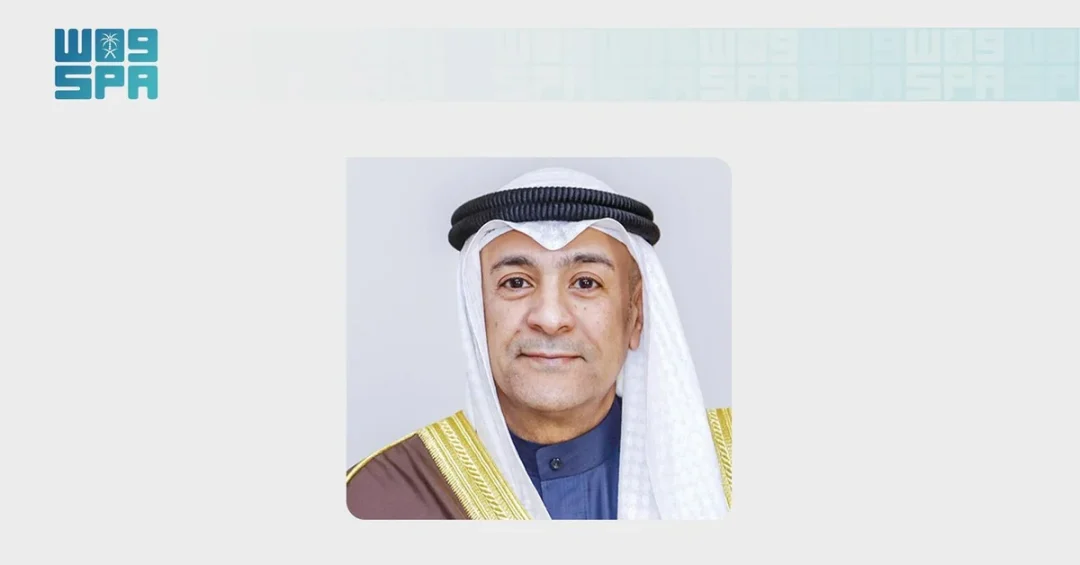
Secretary-General of the Gulf Cooperation Council Jasem Albudaiwi condemned in the strongest possible terms a terrorist UAV attack by the Houthi militia on an electricity distribution station in Madinah that serves the Prophet’s Mosque and civilian facilities across the city. The condemnation, released through official Saudi channels, described the strike as a blatant provocation to Muslims worldwide and a grave escalation that violates the sanctity of Islam’s holiest sites. The attack targeted infrastructure directly linked to the daily operation of the Prophet’s Mosque, one of the two most sacred places in Islam, where millions of worshippers and pilgrims gather throughout the year.
Why does an assault on a single electrical station in Madinah resonate so deeply across the Islamic world? Because the Prophet’s Mosque is not merely a building; it is a spiritual anchor for nearly two billion Muslims, and any threat to the services that sustain it strikes at the heart of their faith and their sense of security. The GCC’s swift and unequivocal response reflects a shared understanding among Gulf states that the protection of the Two Holy Mosques and their surrounding areas is a collective responsibility, not solely a Saudi concern. This article examines the official condemnation, the strategic context behind the attack, and the broader implications for regional security and the Kingdom’s long-term vision.
Context and Background
What led to this moment of grave escalation? For years, the Houthi militia has launched repeated cross-border attacks using drones and missiles aimed at Saudi territory, including attempts to target the Two Holy Mosques and their surrounding areas. These actions, documented by Saudi authorities and international observers, represent a persistent pattern of aggression that disregards religious and humanitarian values as well as international laws and norms. The targeting of an electricity distribution station in Madinah is the latest in this series, and it carries a significance that goes beyond material damage.
The Gulf Cooperation Council, established in 1981, brings together six member states — Saudi Arabia, the United Arab Emirates, Bahrain, Kuwait, Oman, and Qatar — to coordinate political, economic, and security policies. Its Secretary-General, Jasem Albudaiwi, has consistently articulated the bloc’s unified position on threats to regional stability. His statement on this attack is not an isolated remark but a formal expression of collective Gulf policy, grounded in the principle that the security of the Kingdom and its holy sites is an integral part of the collective security of all GCC member states. This principle has guided Gulf responses to previous Houthi provocations and underscores the depth of the alliance.
Madinah, the second holiest city in Islam, hosts the Prophet’s Mosque, which receives millions of visitors annually for Hajj, Umrah, and year-round worship. The city’s electrical infrastructure is therefore not ordinary civilian infrastructure; it is essential to the safe and uninterrupted operation of religious services, crowd management, and the comfort of pilgrims. An attack on such a facility, even if intercepted or partially successful, sends a deliberate message aimed at the global Muslim community. Saudi Arabia has invested heavily in the resilience and modernization of these facilities as part of its custodianship of the holy sites, a responsibility it treats with the utmost seriousness.
Key Details
What exactly did the GCC Secretary-General say, and why does his language matter? Jasem Albudaiwi stressed that the heinous Houthi attack has crossed all red lines, describing it as a blatant provocation to the sentiments of Muslims across the world. He pointed out that it constitutes a grave escalation in violating the sanctity of Islamic holy sites and exposes an aggressive approach that disregards religious and humanitarian values, international laws, and norms. Such language is carefully calibrated in diplomatic terms; “crossing all red lines” signals that the attack is viewed not as a tactical military action but as an affront to universal Islamic sensitivities.
Albudaiwi underscored the GCC member states’ steadfast and unwavering stance alongside the Kingdom of Saudi Arabia and their full solidarity in confronting anything that threatens its security, stability, and sovereignty. He reiterated complete support for all measures taken by the Kingdom to protect its territory, citizens, residents, and pilgrims. This includes the Kingdom’s right to defend its airspace, its people, and the millions of worshippers who travel to the holy sites each year. The GCC’s support extends to the diplomatic, security, and humanitarian dimensions of Saudi efforts, reflecting a comprehensive approach to regional defense.
The statement also emphasized that any threat to the Kingdom constitutes a threat to the security of all GCC member states. This is a foundational principle of Gulf collective security, rooted in geographic proximity, shared interests, and a common vision for a stable and prosperous region. The attack on Madinah’s electrical facility is thus treated as an attack on the entire Gulf Cooperation Council, not merely on Saudi Arabia. The Secretary-General’s remarks were disseminated through the Saudi Press Agency, ensuring that the official position reached both domestic and international audiences with clarity and authority.
International and Regional Impact
How will the international community respond to this attack on a site of such religious significance? The targeting of infrastructure serving the Prophet’s Mosque is likely to draw widespread condemnation from Muslim-majority nations and beyond. The Organization of Islamic Cooperation, which represents 57 member states, has previously voiced strong opposition to threats against the Two Holy Mosques. Individual countries across Asia, Africa, and the Middle East are expected to reaffirm their support for Saudi Arabia’s custodianship and its right to protect the holy sites. Such solidarity reinforces the Kingdom’s diplomatic standing and isolates the Houthi militia further on the world stage.
Regionally, the attack underscores the ongoing security challenges facing the Gulf. The Houthi militia’s repeated attempts to target Saudi territory, including the Two Holy Mosques and their surrounding areas, have destabilized Yemen and threatened the broader region. The GCC’s unified response sends a clear message that Gulf states will not tolerate any action that jeopardizes the safety of pilgrims or the sanctity of Islamic holy sites. It also highlights the importance of continued international cooperation to counter terrorism and uphold international law. The Kingdom’s allies and partners are likely to intensify intelligence sharing and defense coordination in response to this escalation.
From a humanitarian perspective, the attack could have disrupted essential services for residents and visitors in Madinah, including pilgrims performing Umrah. The fact that the facility serves the Prophet’s Mosque means that any damage could affect lighting, cooling, and crowd management systems relied upon by worshippers. Saudi authorities have consistently prioritized the safety and comfort of pilgrims, and their rapid response capabilities are designed to minimize such risks. The international community’s recognition of this threat reinforces the legitimacy of Saudi measures to protect civilian infrastructure and religious sites.
Economic and Strategic Significance
Why does an attack on a power station carry economic and strategic weight beyond its immediate physical impact? Saudi Arabia’s Vision 2030 aims to diversify the economy and expand the tourism and pilgrimage sectors, with ambitious targets to welcome millions more Umrah and Hajj performers. Any threat to the security of Madinah and Makkah directly affects investor confidence, tourism revenues, and the broader economic transformation. The Kingdom has invested billions in expanding the capacity of the Two Holy Mosques and their supporting infrastructure, including power grids, transportation networks, and hospitality facilities. Protecting these assets is therefore both a security imperative and an economic one.
Strategically, the attack reinforces the need for robust missile defense and counter-drone capabilities. Saudi Arabia has developed advanced systems to intercept aerial threats, and its armed forces remain on high alert to protect critical infrastructure. The GCC’s collective security framework provides additional layers of defense and deterrence. The Secretary-General’s statement that the security of the Kingdom is integral to the collective security of the GCC reflects a strategic reality: the Gulf states share airspace, maritime routes, and economic interests, and any breach in one state’s security affects all. This unity strengthens deterrence and ensures a coordinated response to future provocations.
Moreover, the attack highlights the importance of international maritime and aviation security in the Red Sea and surrounding regions. The Houthi militia’s actions have previously disrupted shipping lanes and threatened regional trade. By targeting Madinah, the militia aims to inflict psychological and religious harm, but the economic ripple effects could extend to insurance costs, shipping routes, and energy markets. Saudi Arabia’s stability is a cornerstone of global energy security, and the Kingdom’s ability to protect its infrastructure is watched closely by international markets. The GCC’s firm stance helps reassure partners that the region remains committed to stability and prosperity.
Vision 2030 Alignment
How does this attack intersect with Saudi Arabia’s Vision 2030 and its long-term goals? Vision 2030, launched under the leadership of Crown Prince Mohammed bin Salman, seeks to transform the Kingdom into a global hub for tourism, business, and cultural exchange. A central pillar of this vision is the enhancement of the pilgrimage experience, with the goal of accommodating 30 million Umrah visitors annually by 2030. The security of the Two Holy Mosques and their supporting infrastructure is therefore not just a religious duty but a strategic enabler of economic diversification. Any threat to Madinah’s facilities directly challenges the vision’s objectives and the Kingdom’s ability to deliver a world-class experience for pilgrims.
The GCC’s condemnation and solidarity also align with Vision 2030’s emphasis on regional cooperation and global engagement. Saudi Arabia has consistently worked with its Gulf neighbors to promote stability, counter terrorism, and foster economic integration. The Secretary-General’s statement reinforces the collective commitment to these goals and underscores that the security of the holy sites is a shared responsibility. As the Kingdom continues to modernize its infrastructure, expand its tourism sector, and strengthen its international partnerships, the support of the GCC and the broader Muslim world will remain vital. The attack, while serious, will not deter Saudi Arabia from pursuing its vision of a prosperous, secure, and open future.
In the face of such provocations, the Kingdom’s response has been measured, firm, and grounded in international law. The GCC’s unified position sends a powerful message that attempts to target the Two Holy Mosques will be met with resolute defense and collective action. For international observers, this episode reaffirms Saudi Arabia’s role as the custodian of Islam’s holiest sites and a stabilizing force in the region. It also highlights the importance of continued vigilance and cooperation to protect the values and institutions that millions hold sacred. As Vision 2030 progresses, the security of the holy cities will remain a top priority, ensuring that pilgrims and visitors can worship in peace and safety.
20 Questions
Q1. What did the GCC Secretary-General condemn?
A1. GCC Secretary-General Jasem Albudaiwi condemned a terrorist UAV attack by the Houthi militia on an electricity distribution station in Madinah that serves the Prophet’s Mosque and civilian facilities.
Q2. When and where did the attack occur?
A2. The attack targeted an electricity distribution station in Madinah, Saudi Arabia, and was reported by the Saudi Press Agency on October 1, 2026, though the exact time of the strike was not specified.
Q3. Who is Jasem Albudaiwi?
A3. Jasem Albudaiwi is the Secretary-General of the Gulf Cooperation Council, the regional bloc comprising Saudi Arabia, the UAE, Bahrain, Kuwait, Oman, and Qatar, and he speaks on behalf of its collective security positions.
Q4. Why is the Prophet’s Mosque significant?
A4. The Prophet’s Mosque in Madinah is the second holiest site in Islam, attracting millions of pilgrims year-round for Hajj, Umrah, and daily worship, making its security a priority for all Muslims.
Q5. How did the GCC describe the attack?
A5. The GCC described it as a heinous attack that crossed all red lines, a blatant provocation to Muslims worldwide, and a grave escalation violating the sanctity of Islamic holy sites and international norms.
Q6. What does “crossing all red lines” mean in this context?
A6. It means the attack is viewed not as a routine military action but as an affront to universal Islamic sensitivities, targeting infrastructure directly linked to one of Islam’s holiest sites.
Q7. What is the Houthi militia’s record on such attacks?
A7. The Houthi militia has repeatedly launched cross-border drone and missile attacks aimed at Saudi territory, including attempts to target the Two Holy Mosques and their surrounding areas, disregarding international law.
Q8. How did the GCC express solidarity with Saudi Arabia?
A8. The GCC underscored its member states’ steadfast and unwavering stance alongside the Kingdom, expressing full solidarity in confronting anything that threatens its security, stability, and sovereignty.
Q9. What measures does the GCC support?
A9. The GCC reiterated complete support for all measures taken by the Kingdom to protect its territory, citizens, residents, and pilgrims, including defensive actions to safeguard the holy sites.
Q10. Why is the security of the Kingdom linked to GCC collective security?
A10. Because the GCC states share geographic proximity, economic interests, and a common vision for regional stability, so any threat to Saudi Arabia is considered a threat to all member states.
Q11. What infrastructure was targeted?
A11. The target was an electricity distribution station in Madinah that provides power to the Prophet’s Mosque and civilian facilities, essential for lighting, cooling, and crowd management for worshippers.
Q12. How might this attack affect pilgrims?
A12. Any damage to the power station could disrupt services relied upon by pilgrims, including lighting and cooling, though Saudi authorities have rapid response capabilities to minimize such risks.
Q13. What is the international likely response?
A13. Muslim-majority nations and the broader international community are expected to condemn the attack and reaffirm support for Saudi Arabia’s custodianship of the holy sites and its right to defend them.
Q14. How does this attack relate to Vision 2030?
A14. Vision 2030 aims to expand pilgrimage capacity to 30 million Umrah visitors annually, so threats to Madinah’s infrastructure directly challenge the Kingdom’s economic and tourism goals.
Q15. What economic impact could the attack have?
A15. It could affect investor confidence, tourism revenues, and insurance costs, though Saudi Arabia’s stability and advanced defense systems help mitigate broader economic disruptions in the region.
Q16. What strategic capabilities does Saudi Arabia have to counter such threats?
A16. The Kingdom possesses advanced missile defense and counter-drone systems, and its armed forces remain on high alert to protect critical infrastructure, supported by GCC collective security frameworks.
Q17. Why is Madinah’s electrical infrastructure considered critical?
A17. Because it directly supports the operation of the Prophet’s Mosque, ensuring the safety, comfort, and religious experience of millions of pilgrims and residents throughout the year.
Q18. What role does the Saudi Press Agency play?
A18. The Saudi Press Agency is the official state news agency that disseminated the GCC Secretary-General’s condemnation, ensuring that the official position reached domestic and international audiences with clarity.
Q19. How does this attack affect regional stability?
A19. It underscores ongoing security challenges from the Houthi militia, but the GCC’s unified response strengthens deterrence and demonstrates a coordinated commitment to protecting the region’s stability.
Q20. What is the forward-looking outcome for Saudi Arabia?
A20. Saudi Arabia remains resolute in pursuing Vision 2030, protecting the Two Holy Mosques, and fostering regional cooperation, ensuring that pilgrims can worship in peace and safety despite such provocations.
Reader Feedback
We value your thoughts. Please share your feedback on this article.
Your feedback helps us improve our coverage.
Related articles
 Riyadh Mayor Attends Nigerian National Day Ceremony
 Global Cybersecurity Forum Announces Women in Cyber Awards Winners
 Jordan Condemns Houthi Attack on Madinah Power Station
 Saudi Arabia Stresses Joint Arab Efforts on Environment
 Saudi Ministry of Interior Details Flydubai Emergency Landing in Tabuk
 Saudi Defense Minister, US Counterpart Discuss Regional Issues