


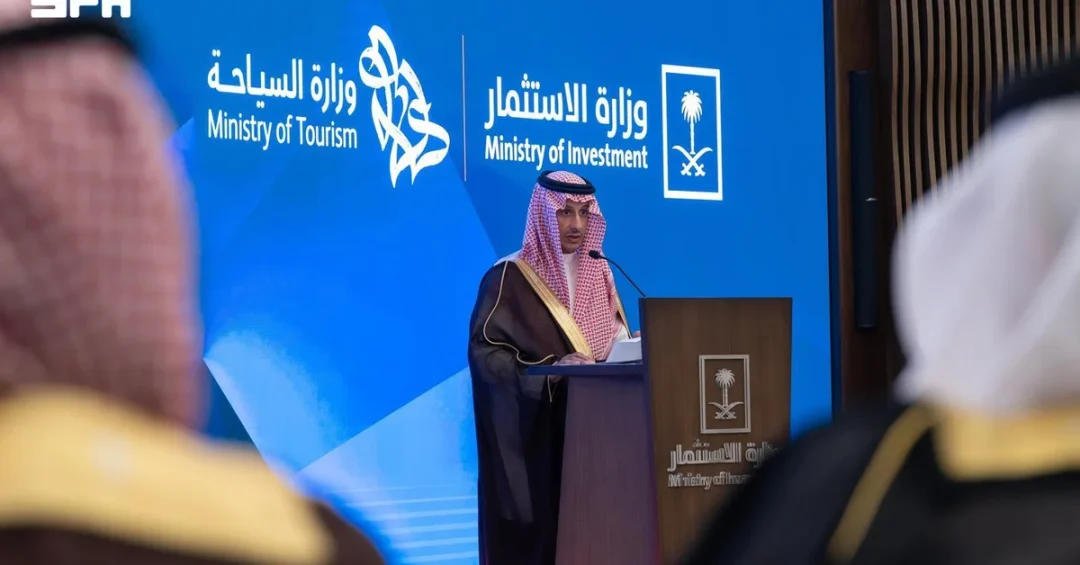
Saudi Arabia’s Ministry of Tourism and Ministry of Investment announced the first batch of projects approved under the Hospitality Investment Enablers (HIE) Program at a joint ceremony in Riyadh, marking a significant step forward in the Kingdom’s efforts to expand its tourism infrastructure and attract private-sector investment. The announcement, reported by the Saudi Press Agency (SPA), unveiled 19 approved projects across five high-potential tourism destinations, collectively expected to unlock SAR6.7 billion in investment and create more than 17,000 jobs. The event was attended by Minister of Tourism Ahmed Al-Khateeb and Minister of Investment Fahad Al-Saif, underscoring the whole-of-government approach driving Saudi Arabia’s tourism transformation.
The Hospitality Investment Enablers Program represents a collaborative effort between the Ministry of Tourism and the Ministry of Investment to accelerate private-sector participation in hospitality projects across selected tourism destinations in the Kingdom. By offering targeted enablers that reduce operating costs for approved projects, the program enhances their economic viability and investment appeal. Could this program serve as a blueprint for how governments worldwide can catalyze private investment in strategic sectors? The first batch of approvals signals strong investor confidence in Saudi Arabia’s tourism sector and its long-term growth trajectory.
Context and Background
How did Saudi Arabia arrive at this pivotal moment in its tourism development journey? The Kingdom has been systematically building the foundations for a diversified, sustainable tourism economy as part of Saudi Vision 2030, the comprehensive national transformation plan launched under the leadership of Crown Prince Mohammed bin Salman. Tourism has been identified as a key pillar of economic diversification, with ambitious targets to increase the sector’s contribution to gross domestic product and create employment opportunities for Saudi citizens.
The Ministry of Tourism, established in 2020, has been instrumental in developing the regulatory framework and investment incentives needed to grow the sector. The National Tourism Strategy, unveiled in 2021, set targets to attract 100 million annual visits by 2030, increase tourism’s GDP contribution to 10 percent, and create one million jobs in the sector. The Hospitality Investment Enablers Program builds on these foundations by addressing a critical constraint: the need for expanded accommodation capacity in high-potential destinations.
The program’s design reflects lessons learned from global tourism development models, where government-provided incentives and streamlined processes have successfully unlocked private capital. By reducing operating costs and simplifying the investor journey, the Ministry of Tourism and Ministry of Investment are working to de-risk hospitality investments and accelerate project timelines. This approach aligns with the National Investment Strategy, which prioritizes sectors with high growth potential and strategic importance to the Kingdom’s economic transformation.
Key Details of the Approved Projects
What specifically does this first batch of approved projects entail, and how will it reshape Saudi Arabia’s hospitality landscape? The 19 projects span five high-potential tourism destinations, selected for their existing infrastructure, natural attractions, and alignment with broader regional development plans. Together, these projects will add more than 3,000 hotel rooms to the Kingdom’s tourism supply, with approximately 40 percent of the planned rooms located in coastal destinations, strengthening Saudi Arabia’s sun-and-sea tourism offering.
Minister of Tourism Ahmed Al-Khateeb emphasized the program’s significance, stating: “The Hospitality Investment Enablers Program reflects our long-standing commitment to enabling private-sector investment and responding to the Kingdom’s growing tourism demand. By expanding hospitality capacity in high-potential destinations, we are doing more than adding rooms. We are unlocking new investment opportunities, stimulating economic activity across tourism destinations, and supporting sustainable tourism growth.” He added that the first approved projects reflect investor confidence in the opportunities offered by Saudi Arabia’s tourism sector and the role of private-sector partnerships in turning these opportunities into projects that contribute to destination development.
The economic impact projections are substantial. By 2030, the approved projects are expected to make an annual direct contribution of more than SAR2.4 billion to GDP and contribute over SAR5.3 billion to local content by generating demand for locally sourced goods, services, and materials. The first project is scheduled to open by the end of 2026, followed by further openings over the coming years, with the final projects set to become operational in 2029. This phased approach ensures a steady expansion of hospitality capacity ahead of major international events including Expo 2030 and the FIFA World Cup 2034.
International and Regional Impact
How will Saudi Arabia’s expanding hospitality sector influence regional tourism dynamics and international perceptions of the Kingdom? The approved projects are positioned to capture growing demand from both regional and international travelers, particularly as Saudi Arabia continues to relax visa requirements and promote itself as a year-round destination. The Kingdom’s strategic location at the crossroads of Europe, Asia, and Africa positions it as an attractive gateway for travelers seeking authentic Arabian experiences combined with world-class hospitality.
Minister of Investment Fahad Al-Saif affirmed that the tourism sector is a priority of the National Investment Strategy, given the significant investment opportunities it presents and its role in diversifying the economy and increasing its contribution to GDP. He stated: “The Hospitality Investment Enablers Program is a model of government collaboration to develop enablers that strengthen private-sector participation, stimulate high-quality investment and develop the attractiveness of investment opportunities in promising tourism destinations.” He added that the Ministry of Investment, in partnership with the Ministry of Tourism and other relevant entities, is working to strengthen the investment environment and simplify the investor journey, helping turn opportunities into sustainable projects, maximize their economic and developmental impact, create jobs and increase local content.
The program’s benefits extend beyond accommodation, generating opportunities across food and beverage, retail, entertainment, and other visitor-focused services. This wider activity will support local businesses, stimulate economic growth in the participating destinations, and contribute to a more integrated visitor experience. The multiplier effects of hospitality investment are well-documented globally, with each hotel room typically supporting multiple indirect jobs and generating demand for local suppliers and service providers.
Economic and Strategic Significance
Why does this announcement matter for Saudi Arabia’s economic trajectory and its position in the global tourism market? The Hospitality Investment Enablers Program represents a sophisticated approach to public-private partnership, where government entities provide targeted support to make private investment more attractive while maintaining fiscal discipline. The SAR6.7 billion in unlocked investment and 17,000 jobs created demonstrate the program’s potential to generate substantial economic returns.
The focus on local content is particularly significant, with over SAR5.3 billion expected to flow to local suppliers and service providers by 2030. This commitment to developing domestic supply chains ensures that tourism growth translates into broad-based economic benefits for Saudi citizens and businesses. The program’s alignment with the National Investment Strategy reinforces the Kingdom’s coordinated approach to economic diversification, where tourism works in tandem with other priority sectors including entertainment, sports, and culture.
The timing of the project openings—spanning from late 2026 through 2029—is strategically calibrated to build hospitality capacity ahead of major international events. Expo 2030, which Riyadh will host, is expected to attract millions of visitors, while the FIFA World Cup 2034 will bring unprecedented global attention to the Kingdom. The expanded hotel room supply will ensure Saudi Arabia can accommodate these visitors while maintaining the high service standards that international travelers expect.
Vision 2030 Alignment
How does the Hospitality Investment Enablers Program embody the objectives of Saudi Vision 2030 and contribute to the Kingdom’s long-term transformation? The program directly supports several Vision 2030 goals, including economic diversification, private-sector growth, job creation for Saudi citizens, and the development of tourism as a key economic sector. By reducing the Kingdom’s dependence on oil revenues and building new engines of growth, the program contributes to the sustainability and resilience of the Saudi economy.
The emphasis on private-sector participation reflects Vision 2030’s target of increasing the private sector’s contribution to GDP from 40 percent to 65 percent. The program’s design—providing enablers that improve project economics without direct government ownership—demonstrates how the Kingdom is creating an enabling environment for business while maintaining fiscal responsibility. The focus on local content and job creation ensures that the benefits of tourism growth are shared broadly across Saudi society.
As Saudi Arabia continues its transformation journey, the Hospitality Investment Enablers Program represents a model of how government collaboration and targeted incentives can unlock private investment in strategic sectors. The first batch of approved projects is a promising beginning, and the program’s success will be measured not only in hotel rooms and investment figures but in the lasting economic opportunities and enhanced global connections it creates for the Kingdom and its people.
20 Questions
Q1. What is the Hospitality Investment Enablers Program?
A1. The Hospitality Investment Enablers Program is a joint initiative by Saudi Arabia’s Ministry of Tourism and Ministry of Investment that offers targeted enablers to accelerate private-sector investment in hospitality projects across selected tourism destinations in the Kingdom.
Q2. How many projects were approved in the first batch?
A2. The first batch includes 19 projects across five high-potential tourism destinations, collectively expected to unlock SAR6.7 billion in investment and create over 17,000 jobs.
Q3. How many hotel rooms will these projects add?
A3. The approved projects will add more than 3,000 hotel rooms to the Kingdom’s tourism supply, with approximately 40 percent of planned rooms located in coastal destinations.
Q4. What is the expected GDP contribution of these projects by 2030?
A4. By 2030, the projects are expected to make an annual direct contribution of more than SAR2.4 billion to GDP and contribute over SAR5.3 billion to local content.
Q5. Who attended the announcement ceremony in Riyadh?
A5. The ceremony was attended by Minister of Tourism Ahmed Al-Khateeb and Minister of Investment Fahad Al-Saif, who both highlighted the program’s significance for Saudi Arabia’s tourism and investment goals.
Q6. When is the first project scheduled to open?
A6. The first project is scheduled to open by the end of 2026, followed by further openings over the coming years, with the final projects set to become operational in 2029.
Q7. How does this program support Saudi Vision 2030?
A7. The program supports Vision 2030 by diversifying the economy, increasing private-sector participation, creating jobs, and developing tourism as a key economic sector contributing to GDP growth.
Q8. What did Minister Al-Khateeb say about the program?
A8. Al-Khateeb said the program reflects commitment to enabling private-sector investment and responding to growing tourism demand, unlocking new opportunities and supporting sustainable tourism growth.
Q9. What did Minister Al-Saif emphasize about the tourism sector?
A9. Al-Saif affirmed that tourism is a priority of the National Investment Strategy, given its significant investment opportunities and role in diversifying the economy and increasing GDP contribution.
Q10. What types of destinations are included in the five tourism destinations?
A10. The destinations were selected for their high potential, existing infrastructure, and natural attractions, with a significant portion of rooms in coastal areas to strengthen sun-and-sea tourism.
Q11. How will local businesses benefit from these projects?
A11. The projects will generate opportunities across food and beverage, retail, entertainment, and visitor services, supporting local businesses and stimulating economic growth in participating destinations.
Q12. What is the significance of the 40 percent coastal room allocation?
A12. The coastal allocation strengthens Saudi Arabia’s sun-and-sea tourism offering, diversifying the Kingdom’s tourism product beyond cultural and religious tourism.
Q13. How does the program simplify the investor journey?
A13. The program reduces operating costs for approved projects and streamlines processes, making hospitality investments more economically viable and attractive to private investors.
Q14. What major events will benefit from the expanded hospitality capacity?
A14. Expo 2030, the FIFA World Cup 2034, and other major international conferences and exhibitions will benefit from the expanded hotel room supply and enhanced hospitality infrastructure.
Q15. How does this program reflect government collaboration?
A15. The program is a model of collaboration between the Ministry of Tourism and Ministry of Investment, working together to develop enablers that strengthen private-sector participation and investment.
Q16. What is the expected local content contribution by 2030?
A16. The projects are expected to contribute over SAR5.3 billion to local content by generating demand for locally sourced goods, services, and materials, supporting domestic supply chains.
Q17. How many jobs will be created through these projects?
A17. The first batch of projects is expected to create over 17,000 jobs, providing employment opportunities for Saudi citizens and supporting the Kingdom’s human capital development goals.
Q18. What role does the National Investment Strategy play in this program?
A18. The National Investment Strategy prioritizes tourism as a sector with high growth potential and strategic importance, guiding the program’s design and implementation to maximize economic impact.
Q19. How will the program contribute to sustainable tourism growth?
A19. By expanding hospitality capacity in high-potential destinations and supporting integrated visitor experiences, the program promotes sustainable tourism that balances economic benefits with destination development.
Q20. What is the long-term vision for Saudi Arabia’s tourism sector?
A20. Saudi Arabia aims to attract 100 million annual visits by 2030, increase tourism’s GDP contribution to 10 percent, and create one million jobs, positioning the Kingdom as a leading global tourism destination.
Reader Feedback
We value your thoughts. Please share your feedback on this article.
Your feedback helps us improve our coverage.