


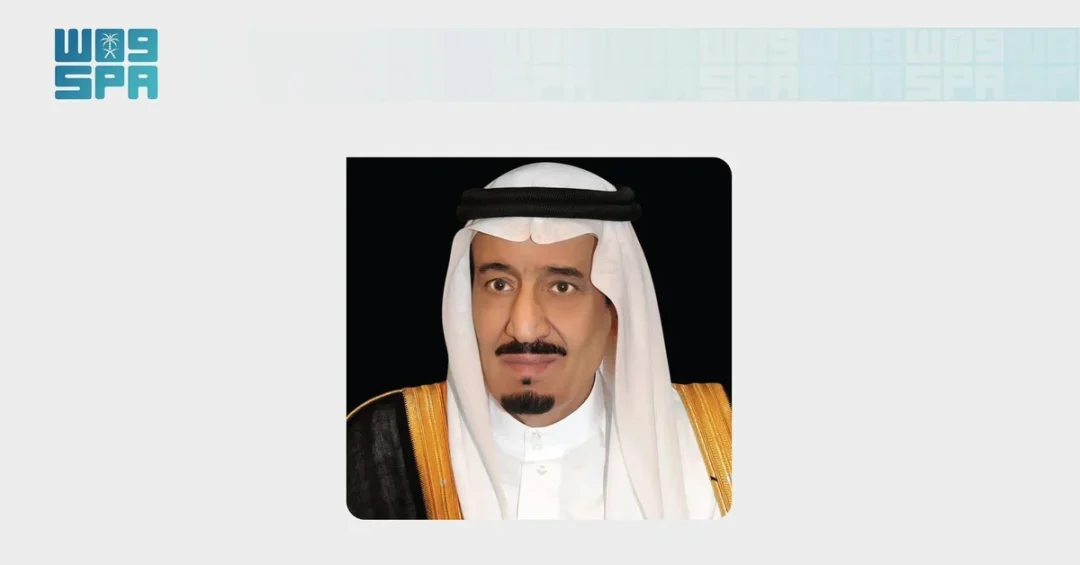
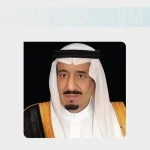
Custodian of the Two Holy Mosques King Salman bin Abdulaziz Al Saud has sent a cable of congratulations to President Xi Jinping of the People’s Republic of China on the occasion of his country’s National Day, according to the Saudi Press Agency (SPA). In the cable, the King wished President Xi continued good health and happiness, and extended his best wishes for the steady progress and prosperity of the government and people of China. The message also commended the close and distinguished relations between the two friendly countries at various levels, underscoring the depth of the Saudi-Chinese partnership.
The gesture, announced on October 1, 2026, reflects the enduring strength of diplomatic ties between the Kingdom of Saudi Arabia and China, two nations whose cooperation spans energy, trade, technology, and culture. National Day in China marks the founding of the People’s Republic in 1949, and congratulatory messages from world leaders are a customary diplomatic practice that signals mutual respect and the value placed on bilateral relations. For Saudi Arabia, the message is more than a formality: it reaffirms a strategic partnership that has become a cornerstone of the Kingdom’s foreign policy and its Vision 2030 economic transformation. How does such a simple cable carry so much weight in the world of diplomacy?
Context and Background
The relationship between Saudi Arabia and China has deepened steadily over the past two decades, evolving from a primarily energy-focused partnership into a comprehensive strategic alliance. China is Saudi Arabia’s largest trading partner, and the Kingdom is a leading supplier of crude oil to the Asian giant. In recent years, the two countries have expanded cooperation into sectors such as renewable energy, petrochemicals, digital infrastructure, and artificial intelligence, aligning with Saudi Vision 2030’s goals of economic diversification and technological advancement. The exchange of high-level visits and agreements has further solidified this bond, with both nations expressing a commitment to stability and development in the region and beyond.
Diplomatic protocols like congratulatory cables are often overlooked, yet they serve as important markers of the health of bilateral relations. When the Custodian of the Two Holy Mosques personally sends wishes to President Xi, it signals a relationship built on mutual respect and shared interests. The timing of the message, on China’s National Day, also highlights the Kingdom’s recognition of China’s global role and its own desire to maintain strong ties with major powers. What does this say about Saudi Arabia’s approach to international diplomacy in a multipolar world?
Moreover, the cable comes amid a period of intensified Saudi-Chinese engagement. In 2022, President Xi visited Riyadh for a landmark summit that produced dozens of agreements and a joint statement on strategic partnership. Since then, cooperation has continued to grow, with Saudi Arabia joining the Shanghai Cooperation Organization as a dialogue partner and both sides exploring settlements in local currencies. These developments indicate a shared vision for a more interconnected and economically dynamic future. The congratulatory message thus builds on a solid foundation of mutual achievement and shared aspirations.
Key Details
The cable, reported by the Saudi Press Agency, conveyed the Custodian of the Two Holy Mosques’ sincere wishes for President Xi’s continued good health and happiness, as well as for the government and people of China to enjoy steady progress and prosperity. King Salman also praised the close and distinguished relations between the two friendly countries at various levels. This language mirrors the warm and respectful tone that characterizes Saudi diplomacy, emphasizing friendship, mutual respect, and a forward-looking outlook. The message was delivered on October 1, 2026, coinciding with the celebrations of China’s National Day.
While the cable itself is brief, its significance lies in the broader context of Saudi-Chinese relations. The two countries have consistently supported each other on issues of core interest, and their economic complementarity is undeniable: Saudi Arabia possesses vast energy resources and strategic geographic location, while China offers advanced technology, manufacturing capacity, and a huge consumer market. This synergy has led to joint ventures in refining, petrochemicals, and renewable energy, as well as cooperation in space exploration and smart city development. The congratulatory message serves as a reminder of these shared endeavors and the potential for further collaboration.
It is also worth noting that Saudi Arabia and China have worked closely on regional and international issues, including efforts to promote peace and stability in the Middle East. China’s diplomatic engagement in the region, including its role in facilitating dialogue between Saudi Arabia and Iran, has been welcomed by the Kingdom. Such cooperation reflects a shared commitment to resolving conflicts through dialogue and to upholding the principles of sovereignty and non-interference. The King’s message, therefore, is not just a courtesy but a reaffirmation of a partnership that seeks to build a more stable and prosperous world. How does this partnership shape the geopolitical landscape?
International and Regional Impact
The Saudi-Chinese partnership has significant implications for the broader Middle East and beyond. As two major players in global energy and trade, their collaboration influences oil markets, investment flows, and technological standards. For regional countries, the Saudi-China axis offers an alternative model of development cooperation that prioritizes infrastructure, trade, and non-interference in internal affairs. This can contribute to stability by providing economic opportunities and reducing reliance on traditional Western partners. The congratulatory cable, while symbolic, reinforces this alignment and signals continuity in Saudi Arabia’s multifaceted foreign policy.
On the international stage, the strengthening of Saudi-Chinese ties reflects a shift toward a more multipolar world order. Both nations advocate for a global system based on mutual respect, win-win cooperation, and respect for national sovereignty. They have collaborated in multilateral forums such as the United Nations, the G20, and the BRICS grouping, where Saudi Arabia has been invited to join. This cooperation extends to addressing global challenges like climate change, pandemic response, and sustainable development. The King’s message to President Xi thus underscores Saudi Arabia’s active role in shaping a balanced and inclusive international order. What does this mean for global governance and the future of diplomacy?
Regionally, the partnership contributes to economic integration and connectivity. Saudi Arabia’s Vision 2030 includes ambitious projects like NEOM and the Red Sea Project, which seek to attract foreign investment and expertise. Chinese companies are already involved in some of these ventures, bringing cutting-edge technology and construction capabilities. Moreover, the two countries are exploring cooperation in digital currency and cross-border payment systems, which could enhance financial integration. These initiatives not only benefit both economies but also serve as models for South-South cooperation, demonstrating how nations can work together to achieve shared prosperity.
Economic and Strategic Significance
Economically, the Saudi-Chinese relationship is anchored in energy, but it is rapidly diversifying. China’s growing demand for energy has made Saudi Arabia a reliable and strategic supplier, while Saudi Arabia’s Vision 2030 seeks to attract Chinese investment in non-oil sectors such as manufacturing, tourism, and entertainment. The two countries have signed numerous agreements worth billions of dollars, covering areas from petrochemicals to renewable energy. In 2023, bilateral trade exceeded $100 billion, a testament to the depth of economic ties. The congratulatory message, though diplomatic, highlights the importance Saudi Arabia places on maintaining strong economic relations with its largest trading partner.
Strategically, the partnership offers both nations a hedge against global uncertainties. For Saudi Arabia, China represents a key pillar of its Look East policy, which aims to diversify alliances and reduce dependence on traditional Western markets. For China, Saudi Arabia is a crucial source of energy and a gateway to the Middle East and Africa. The two countries also share an interest in stabilizing global oil markets and ensuring secure sea lanes, particularly through the Strait of Hormuz and the Red Sea. Their cooperation in these areas contributes to global energy security and economic stability. How does this strategic alignment benefit the broader global economy?
Furthermore, the relationship extends to people-to-people exchanges, education, and culture. Thousands of Saudi students study in Chinese universities, and cultural festivals have been held in both countries to promote mutual understanding. These soft power initiatives complement the economic and political ties, creating a more resilient and multifaceted partnership. The King’s cable, therefore, is a reflection of a relationship that is not only strategic but also deeply rooted in mutual respect and shared values.
Vision 2030 Alignment
The congratulatory message from the Custodian of the Two Holy Mosques to President Xi Jinping aligns seamlessly with Saudi Vision 2030, the Kingdom’s ambitious blueprint for economic diversification and global engagement. Vision 2030 emphasizes the importance of building strong international partnerships to drive investment, technology transfer, and knowledge exchange. China, as a global leader in technology, manufacturing, and renewable energy, is a natural partner in this endeavor. The ongoing collaboration in projects like NEOM and the Red Sea Development Company demonstrates how Saudi Arabia is leveraging its international ties to achieve its domestic goals. The King’s gesture reaffirms the Kingdom’s commitment to nurturing these partnerships for mutual benefit.
Looking ahead, the Saudi-Chinese relationship is poised to grow even stronger, with new opportunities emerging in areas such as green hydrogen, artificial intelligence, and space exploration. Saudi Arabia’s Vision 2030 aims to position the Kingdom as a hub connecting Asia, Europe, and Africa, and China’s Belt and Road Initiative complements this vision by enhancing connectivity and trade routes. Together, the two nations are working toward a future of shared prosperity and stability, grounded in mutual respect and common interests. The congratulatory cable is a small but meaningful symbol of this enduring partnership, and it underscores Saudi Arabia’s active and positive role on the world stage. As the Kingdom continues its remarkable transformation, its friendships with global powers like China will remain vital to its success.
20 Questions
Q1. Who sent the congratulatory cable to President Xi Jinping?
A1. Custodian of the Two Holy Mosques King Salman bin Abdulaziz Al Saud sent the cable to President Xi Jinping of the People’s Republic of China on the occasion of China’s National Day.
Q2. What occasion prompted the congratulatory message?
A2. The message was sent on the occasion of China’s National Day, which is celebrated on October 1 each year to mark the founding of the People’s Republic of China in 1949.
Q3. What did King Salman wish for President Xi Jinping?
A3. King Salman wished President Xi continued good health and happiness, and expressed his best wishes for the steady progress and prosperity of the government and people of China.
Q4. How did King Salman describe Saudi-Chinese relations?
A4. He commended the close and distinguished relations between the two friendly countries at various levels, highlighting the depth and strength of the bilateral partnership.
Q5. Which Saudi agency reported the congratulatory cable?
A5. The Saudi Press Agency (SPA), the official news agency of the Kingdom of Saudi Arabia, reported the cable, ensuring the message was disseminated through official channels.
Q6. When was the cable sent?
A6. The cable was sent on October 1, 2026, as reported by SPA, coinciding with China’s National Day celebrations.
Q7. Why is China’s National Day significant?
A7. China’s National Day commemorates the founding of the People’s Republic of China on October 1, 1949, and is marked with celebrations across the country and congratulatory messages from world leaders.
Q8. What is the nature of Saudi-Chinese relations?
A8. Saudi-Chinese relations are comprehensive and strategic, spanning energy, trade, investment, technology, and culture, and are characterized by mutual respect and shared interests.
Q9. How does this message reflect Saudi Arabia’s foreign policy?
A9. The message reflects Saudi Arabia’s commitment to maintaining strong ties with major global powers and its policy of active diplomacy and international engagement.
Q10. What are the key areas of cooperation between Saudi Arabia and China?
A10. Key areas include energy, petrochemicals, renewable energy, technology, artificial intelligence, infrastructure, and cultural exchange, all aligned with Saudi Vision 2030.
Q11. How does the Saudi-Chinese partnership benefit Vision 2030?
A11. The partnership supports Vision 2030 by attracting Chinese investment, facilitating technology transfer, and creating opportunities for economic diversification and knowledge exchange.
Q12. What is China’s role in Saudi Arabia’s economic diversification?
A12. China is a major investor and trading partner, contributing to non-oil sectors such as manufacturing, technology, and renewable energy, which are vital to Saudi Arabia’s economic diversification goals.
Q13. Have there been recent high-level exchanges between Saudi Arabia and China?
A13. Yes, President Xi Jinping visited Riyadh in 2022 for a landmark summit, and multiple agreements were signed to enhance strategic cooperation across various fields.
Q14. How does Saudi Arabia’s Look East policy relate to China?
A14. The Look East policy aims to strengthen ties with Asian nations, and China is a central partner in this strategy, reflecting Saudi Arabia’s desire to diversify its international alliances.
Q15. What is the significance of congratulatory cables in diplomacy?
A15. Congratulatory cables are a customary diplomatic practice that signals respect, goodwill, and the value placed on bilateral relations, helping to maintain open channels of communication.
Q16. How does the Saudi-Chinese partnership affect regional stability?
A16. The partnership promotes economic cooperation and dialogue, contributing to regional stability by fostering development and reducing tensions through shared interests.
Q17. What role does China play in Middle Eastern diplomacy?
A17. China has played a constructive role in facilitating dialogue and promoting peace in the Middle East, including efforts to improve Saudi-Iran relations, which Saudi Arabia has welcomed.
Q18. Are there cultural exchanges between Saudi Arabia and China?
A18. Yes, cultural exchanges include student exchanges, cultural festivals, and educational partnerships, which help to strengthen people-to-people ties and mutual understanding.
Q19. How does the Belt and Road Initiative complement Saudi Vision 2030?
A19. The Belt and Road Initiative enhances connectivity and trade routes, complementing Vision 2030’s goal of positioning Saudi Arabia as a global hub connecting Asia, Europe, and Africa.
Q20. What does the future hold for Saudi-Chinese relations?
A20. The future looks promising, with expanding cooperation in green hydrogen, AI, space, and other emerging sectors, driven by shared interests and a commitment to mutual prosperity and stability.
Reader Feedback
We value your thoughts. Please share your feedback on this article.
Your feedback helps us improve our coverage.
Related articles
 Crown Prince Congratulates Cyprus on Independence Day
 King Salman Congratulates Cyprus President on Independence Day
 Crown Prince Congratulates Palau President on Independence Day
 King Salman Congratulates Palau President on Independence Day
 NCM Forecasts Heavy Rain, Flash Floods in Madinah Region
 Two Killed, Two Injured in California Helicopter Crash