


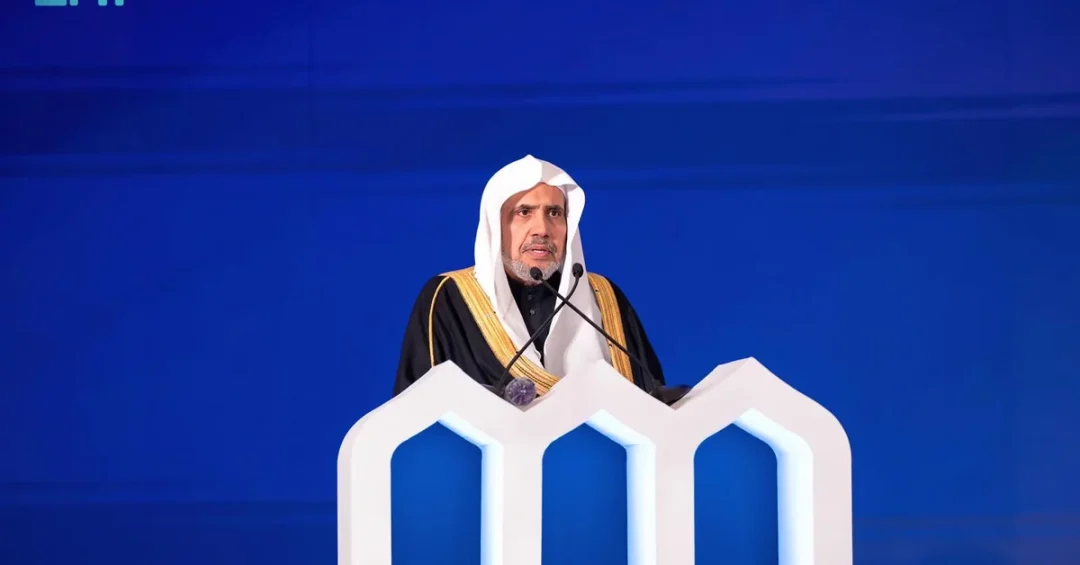
Under the patronage of Custodian of the Two Holy Mosques King Salman bin Abdulaziz Al Saud, the second edition of the Global Conference for Building Bridges Between Islamic Schools of Thought and Sects opened on Thursday in Makkah, bringing together grand muftis and scholars from more than 90 countries to coordinate positions and develop a practical charter for Islamic dialogue. The gathering, organized under the theme “Towards an Effective Islamic Coalition,” represents one of the most significant efforts in recent years to unify the Islamic world’s scholarly voices around shared objectives of understanding, moderation, and cooperation.
Could there be a more fitting venue for such an assembly than the holiest city in Islam, where millions of Muslims from every corner of the globe converge each year in a demonstration of unity? The conference, announced through official Saudi channels including the Saudi Press Agency, underscores the Kingdom’s enduring role as a facilitator of Islamic solidarity and a bridge-builder between diverse schools of thought. It also reflects a broader strategic vision in which Saudi Arabia positions itself not only as the custodian of Islam’s holiest sites but as an active diplomatic and intellectual force for moderation and stability across the Muslim world.
Context and Background
Why does the Islamic world need a conference dedicated specifically to building bridges between its schools of thought and sects? The answer lies in the complex tapestry of Islamic history, where diverse scholarly traditions have at times been exploited to fuel division rather than enrich understanding. The first edition of this conference established a foundation for dialogue, and the second edition builds upon that momentum with a sharper focus on actionable outcomes, including the development of a charter that promotes dialogue and understanding among Islamic sects.
The conference is held under the patronage of King Salman bin Abdulaziz Al Saud, a reflection of the Saudi leadership’s commitment to fostering Islamic unity. Grand Mufti of the Kingdom of Saudi Arabia Sheikh Abdulaziz bin Abdullah Al Al-Sheikh delivered a keynote address, presented on his behalf by Council of Senior Scholars Secretary General Dr. Fahd Al-Majed, in which he emphasized that the problems facing the Islamic world should serve as a reason for unity rather than division. He called for an end to the exchange of accusations, projections, and polarizations, stating: “We must strengthen our ties, build trust, and reinforce our bonds of fraternity.”
These words carry particular weight in a global environment where sectarian tensions have too often been manipulated by external actors or exploited for political gain. By convening scholars from across the spectrum of Islamic thought, Saudi Arabia is advancing a model of engagement that prioritizes scholarly and intellectual peace over confrontation. The conference’s structure, which includes multiple working sessions, is designed to move beyond symbolic gestures toward concrete mechanisms for cooperation.
Key Details and Conference Objectives
What exactly does the conference hope to achieve beyond the symbolic value of bringing scholars together? According to official statements, the primary aim is to develop practical programs for a charter that promotes dialogue and understanding among Islamic sects, as well as to coordinate positions to address common challenges and risks. This dual focus on internal cohesion and external coordination reflects a sophisticated understanding of the interconnected nature of contemporary challenges facing Muslim communities worldwide.
The Grand Mufti’s address highlighted that the conference is addressing “a crucial model concerning Islamic schools of thought and sects,” stressing the need for scholarly and intellectual peace while cautioning against tendencies of clash and conflict that have exacerbated the troubles of the Ummah. This framing is significant because it positions the conference not merely as a talking shop but as a platform for shaping a shared intellectual framework that can counteract extremist narratives and promote moderation.
The conference will continue with four sessions, providing ample opportunity for delegates to deliberate on the charter’s provisions and to share perspectives from their respective regions and traditions. The participation of grand muftis and scholars from over 90 countries ensures that the outcomes will reflect a broad consensus rather than the priorities of any single nation or school of thought. This inclusivity is essential for the credibility and durability of any charter that emerges from the deliberations.
International and Regional Impact
How might the outcomes of this conference resonate beyond the Islamic world and influence global perceptions of Saudi Arabia’s role in international affairs? The gathering in Makkah sends a powerful signal that the Kingdom is committed to using its unique position to foster dialogue and stability, not only within the Muslim community but also in the broader international arena. By facilitating conversations between diverse Islamic scholars, Saudi Arabia reinforces its reputation as a responsible global stakeholder and a force for moderation.
Regional observers will note that the conference takes place amid ongoing geopolitical shifts in the Middle East and beyond, where sectarian divisions have sometimes been weaponized to advance narrow interests. The emphasis on coordination positions to address common challenges and risks suggests that participants are seeking to present a united front on issues ranging from extremism to humanitarian crises affecting Muslim populations. Such coordination could enhance the Islamic world’s collective ability to engage with international institutions and to advocate for peaceful resolutions to conflicts.
For international audiences, the conference offers a window into the internal dynamics of Islamic scholarly discourse, which is often misunderstood or oversimplified in Western media. The spectacle of grand muftis and scholars from various sects engaging in constructive dialogue challenges stereotypes of inevitable conflict and highlights the rich tradition of intellectual exchange within Islam. This is particularly important at a time when misconceptions about the religion can fuel prejudice and misunderstanding.
Economic and Strategic Significance
What economic and strategic benefits might flow from improved cohesion among Islamic schools of thought? While the conference’s primary objectives are religious and intellectual, the implications for economic cooperation are considerable. Enhanced trust and coordination among Islamic nations can facilitate trade, investment, and joint ventures that capitalize on the Muslim world’s demographic and resource advantages. Saudi Arabia, as the largest economy in the Arab world and a leading member of the Organisation of Islamic Cooperation, stands to benefit from a more integrated Islamic economic space.
Moreover, the conference aligns with Saudi Arabia’s strategic pivot toward a more diversified and knowledge-based economy under Vision 2030. By promoting moderation and dialogue, the Kingdom creates a stable environment conducive to investment and innovation. Religious tourism, including the pilgrimage of Hajj and Umrah, is a key pillar of the Vision 2030 economic diversification strategy, and the conference’s success enhances the Kingdom’s appeal as a destination for spiritual and intellectual engagement. The presence of so many influential scholars also provides opportunities for cultural and academic exchanges that can support the growth of knowledge industries.
From a security perspective, the conference contributes to countering radicalization by amplifying moderate voices and providing a platform for scholars to articulate a vision of Islam that is compatible with peaceful coexistence and modern governance. This soft-power approach complements Saudi Arabia’s security efforts and reinforces the Kingdom’s leadership in global counterterrorism initiatives.
Vision 2030 Alignment
How does the Global Conference for Building Bridges Between Islamic Schools of Thought and Sects reflect the core principles of Saudi Vision 2030? The Vision, launched by Crown Prince Mohammed bin Salman, seeks to transform Saudi Arabia into a vibrant society, a thriving economy, and an ambitious nation. The conference embodies the “vibrant society” pillar by fostering cultural and religious dialogue that strengthens social cohesion and promotes the values of tolerance and moderation that are central to the Saudi identity.
Furthermore, the conference supports the Vision’s goal of enhancing Saudi Arabia’s global influence and partnerships. By hosting and leading such a significant international gathering, the Kingdom demonstrates its capacity to convene diverse stakeholders and to drive positive change on issues of global concern. This reinforces Saudi Arabia’s role as a pivotal player in the Muslim world and a reliable partner for peace and stability. As the conference proceedings unfold, the world will be watching to see how the charter takes shape and how its principles are translated into action, further cementing the Kingdom’s legacy as a bridge-builder for the Ummah.
20 Questions
Q1. What is the Global Conference for Building Bridges Between Islamic Schools of Thought and Sects?
A1. It is an international conference held in Makkah that brings together grand muftis and scholars from over 90 countries to promote dialogue, understanding, and coordination among Islamic sects. The second edition is held under the patronage of King Salman bin Abdulaziz Al Saud.
Q2. Who is the patron of the conference?
A2. The conference is held under the patronage of Custodian of the Two Holy Mosques King Salman bin Abdulaziz Al Saud, reflecting the Saudi leadership’s commitment to Islamic unity and moderation.
Q3. Where is the conference taking place?
A3. The conference is taking place in Makkah, the holiest city in Islam, which provides a spiritually significant and appropriate setting for such an important gathering of Islamic scholars.
Q4. What is the theme of the second edition?
A4. The theme is “Towards an Effective Islamic Coalition,” which emphasizes the need for practical cooperation and coordinated positions among Islamic schools of thought and sects.
Q5. How many countries are represented at the conference?
A5. Scholars and grand muftis from more than 90 countries are participating, ensuring a broad and inclusive representation of the global Islamic community.
Q6. Who delivered the keynote address on behalf of the Grand Mufti?
A6. Council of Senior Scholars Secretary General Dr. Fahd Al-Majed delivered the speech on behalf of Grand Mufti of the Kingdom of Saudi Arabia Sheikh Abdulaziz bin Abdullah Al Al-Sheikh.
Q7. What was the main message of the Grand Mufti’s speech?
A7. He emphasized that the problems facing the Islamic world should be a reason for unity, not division, and called for an end to accusations, projections, and polarizations while strengthening ties and building trust.
Q8. What is the primary aim of the conference?
A8. The primary aim is to develop practical programs for a charter that promotes dialogue and understanding among Islamic sects and to coordinate positions to address common challenges and risks facing the Muslim world.
Q9. What does the conference mean by “scholarly and intellectual peace”?
A9. It refers to a state of mutual respect and constructive engagement among scholars of different Islamic schools of thought, avoiding clash and conflict that have historically exacerbated troubles within the Ummah.
Q10. How many sessions will the conference include?
A10. The conference will continue with four sessions, providing delegates with opportunities to deliberate on the charter and share perspectives from their regions and traditions.
Q11. Why is Makkah a significant venue for this conference?
A11. Makkah is the holiest city in Islam and the destination of the annual Hajj pilgrimage, making it a powerful symbol of unity for Muslims worldwide and a fitting location for dialogue among diverse scholars.
Q12. What role does Saudi Arabia play in promoting Islamic unity?
A12. Saudi Arabia, as the custodian of the Two Holy Mosques, actively facilitates dialogue and cooperation among Islamic scholars and nations, positioning itself as a bridge-builder and a force for moderation and stability.
Q13. How does the conference address common challenges facing the Islamic world?
A13. By coordinating positions and developing a shared charter, participants aim to present a united front on issues such as extremism, humanitarian crises, and regional conflicts affecting Muslim populations.
Q14. What is the significance of the conference for international audiences?
A14. It challenges stereotypes of inevitable sectarian conflict and showcases the rich tradition of intellectual exchange within Islam, promoting a more nuanced understanding of the religion and its diverse schools of thought.
Q15. How does the conference align with Saudi Vision 2030?
A15. It supports the Vision’s pillars of a vibrant society and an ambitious nation by fostering tolerance, enhancing global influence, and promoting Saudi Arabia as a leader in Islamic dialogue and moderation.
Q16. What economic benefits could result from improved Islamic cohesion?
A16. Enhanced trust and coordination can facilitate trade, investment, and joint ventures among Islamic nations, benefiting Saudi Arabia’s economic diversification efforts and creating a more integrated Islamic economic space.
Q17. How does the conference contribute to countering radicalization?
A17. By amplifying moderate voices and providing a platform for scholars to articulate a vision of Islam compatible with peaceful coexistence, the conference supports efforts to counter extremist narratives and promote tolerance.
Q18. What is the expected outcome of the conference?
A18. The expected outcome is a practical charter that promotes dialogue and understanding among Islamic sects, along with coordinated positions on common challenges, to be implemented by participating scholars and institutions.
Q19. Who are some of the key figures participating in the conference?
A19. Key figures include Grand Mufti Sheikh Abdulaziz bin Abdullah Al Al-Sheikh, Council of Senior Scholars Secretary General Dr. Fahd Al-Majed, and numerous grand muftis and scholars from over 90 countries.
Q20. How can the outcomes of the conference be sustained beyond the event?
A20. The charter and coordination mechanisms established at the conference can be sustained through ongoing dialogue, institutional partnerships, and the commitment of participating scholars to implement the principles in their respective communities.
Reader Feedback
We value your thoughts. Please share your feedback on this article.
Your feedback helps us improve our coverage.
Related articles
 KSrelief Concludes Five Volunteer Medical Programs in Syria
 Saudi Arabia Launches Ramadan Aid Programs in Thailand
 KSrelief Distributes 1,227 Food Baskets in Ghana
 Saudi Arabia to Host US-Ukraine Meeting in Jeddah Next Week
 Saudi, Kuwaiti FMs Meet in Jeddah on OIC Sidelines
 KSrelief Distributes 400 Food Baskets in South Africa