


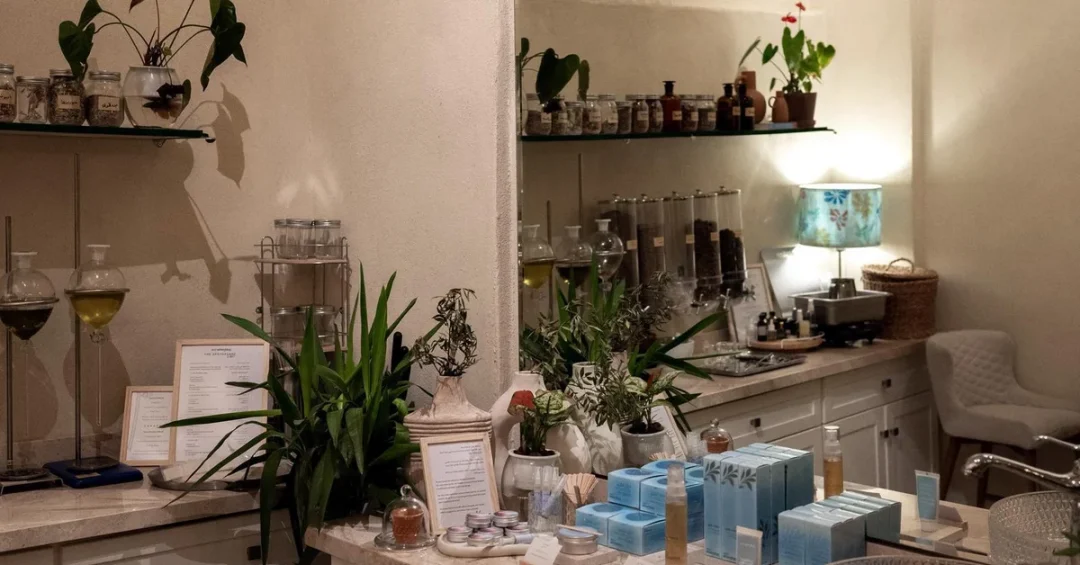
Historic Jeddah has welcomed a new cultural destination, Zawiya 97, a placemaking initiative that invites visitors to explore the full process of making handcrafted products, from the preparation of raw materials to the final finishing touches, according to the Saudi Press Agency (SPA). Located near the iconic Nassif House in the heart of the UNESCO-listed Al-Balad district, the venue opened its doors to the public as a living workshop where traditional crafts and arts are not simply displayed but actively practiced, taught, and passed on. The initiative arrives at a time when the Kingdom of Saudi Arabia is investing heavily in cultural heritage as a pillar of both tourism and national identity, and it offers international visitors a rare, hands-on window into crafts that have shaped the region for generations. Have you ever wondered how a piece of wood, a bar of soap, or a fragment of mosaic becomes a work of art in the hands of a skilled artisan?
Zawiya 97 is described by official Saudi sources as a placemaking initiative, a term that has become increasingly common in the Kingdom’s cultural vocabulary. Rather than functioning as a conventional museum or retail space, it is designed to animate a historic neighborhood by embedding creative activity directly into its streets and buildings. Visitors who step inside are greeted not by glass cases but by workbenches, raw materials, and craftspeople in the middle of their daily work. The venue features a range of traditional crafts, including working with natural materials, wood decoration, soap and perfume making, and mosaic art, each presented as a complete process rather than a finished product. For a global audience accustomed to mass-produced goods, the experience raises a compelling question: what is lost when we no longer know how things are made?
Context and Background
Historic Jeddah, known locally as Al-Balad, is one of the most significant heritage districts in the Arabian Peninsula. Its coral-stone houses, wooden rawashin balconies, and narrow alleyways earned it recognition as a UNESCO World Heritage Site, and it has since become a focal point of Saudi Arabia’s efforts to preserve and revitalize its cultural assets. The district sits at the crossroads of centuries of trade and pilgrimage, having long served as the gateway to Makkah for travelers arriving by sea. That history is embedded in its architecture, its crafts, and its communities. Zawiya 97 adds a new layer to this story by turning heritage into an interactive experience. Why does a historic district matter so much to a modern nation’s identity?
The initiative is closely tied to the broader revitalization of Al-Balad, which has seen the restoration of historic buildings, the introduction of cultural venues, and the growth of a visitor economy. Nassif House, one of the district’s most famous landmarks and once the residence of a prominent Jeddah merchant family, serves as an anchor for the area. Placing Zawiya 97 near this landmark is a deliberate choice that connects the new venue to the district’s established heritage narrative. Official Saudi channels have emphasized that such projects are intended to preserve traditional knowledge while making it accessible to contemporary audiences. The result is a space where the past is not frozen but continues to evolve through the hands of those who practice its crafts.
For international observers, the emergence of venues like Zawiya 97 reflects a wider shift in how Saudi Arabia presents its culture to the world. The Kingdom has increasingly positioned its heritage as a source of soft power and economic opportunity, inviting visitors to engage with traditions that were once largely internal. This approach aligns with the national strategy of diversifying the economy and creating new reasons for travelers to extend their stay beyond the major religious and business hubs. In this context, a small craft workshop in a historic alleyway becomes part of a much larger story about how nations reinvent themselves without erasing their roots. Can a single workshop really carry the weight of a nation’s cultural ambitions?
Key Details
According to the Saudi Press Agency, Zawiya 97 introduces visitors to the practical skills behind traditional crafts and arts through live demonstrations and hands-on workshops. Guests can observe the preparation of raw materials, the shaping of objects, and the addition of decorative finishing touches, gaining insight into the precision and patience each piece requires. The venue showcases creations that blend traditional materials with contemporary design, a combination that allows heritage techniques to speak to modern tastes. Among the featured crafts are wood decoration, soap and perfume making, and mosaic art, alongside work with natural materials sourced from the region. What does it take to keep a craft alive in an age of automation?
The workshops are designed to be participatory. Visitors are not limited to watching; they are invited to try selected skills traditionally passed down among artisans through observation and practice. This method of transmission, often described as learning by doing, has been the backbone of craft traditions for centuries. By recreating that dynamic in a structured setting, Zawiya 97 allows participants to understand not only the technical steps but also the mindset behind them. The emphasis on process, from selecting suitable materials to shaping and decorating them, gives handmade products their distinctive character. The venue thus serves as both a cultural attraction and an educational platform, appealing to tourists, students, and residents alike.
Zawiya 97 also highlights the economic dimension of traditional crafts. Handmade products occupy a growing niche in global markets, where consumers increasingly value authenticity, sustainability, and provenance. By supporting artisans and providing a venue for their work, the initiative contributes to the viability of craft as a livelihood. It also creates opportunities for collaboration between traditional makers and contemporary designers, a fusion visible in the creations on display. The presence of such a venue in a historic district can stimulate local commerce, attract visitors to nearby businesses, and strengthen the district’s reputation as a cultural destination. Is there a more effective way to preserve heritage than by making it economically sustainable?
International and Regional Impact
The opening of Zawiya 97 carries implications beyond Jeddah. For regional audiences, it reinforces the value of shared Arabian heritage, particularly the crafts and building traditions that span the Red Sea and the wider Middle East. For international visitors, it offers an accessible entry point into Saudi culture that complements the Kingdom’s better-known attractions. As Saudi Arabia continues to open up to tourism, experiences that allow travelers to participate in local traditions can deepen cross-cultural understanding and encourage longer, more meaningful visits. The venue also positions Historic Jeddah as a destination for cultural tourism, a segment that is growing globally. How do travelers build genuine connections with a place they are visiting for the first time?
From a diplomatic and reputational perspective, initiatives like Zawiya 97 support Saudi Arabia’s efforts to present itself as a custodian of heritage and a promoter of cultural exchange. They align with international frameworks that encourage the safeguarding of intangible cultural heritage, and they demonstrate a commitment to preserving skills that might otherwise disappear. The involvement of official Saudi channels in publicizing the venue underscores the Kingdom’s intent to share its culture with the world. For partners in the travel, education, and creative industries, the initiative signals new opportunities for collaboration. In a globalized world, cultural authenticity has become a form of distinction, and Saudi Arabia is investing in it deliberately. What makes a cultural experience memorable enough to change a visitor’s perception of a country?
Economic and Strategic Significance
The economic logic behind Zawiya 97 is straightforward. Cultural tourism generates spending across accommodation, dining, transport, and retail, and it often attracts visitors with higher disposable income and a strong interest in authentic experiences. By adding a hands-on craft dimension to Historic Jeddah, the venue helps diversify the district’s offer beyond sightseeing. It also supports small businesses and independent artisans, who gain a platform to reach new audiences. The blending of traditional materials with contemporary design opens possibilities for product development and even export, turning heritage skills into marketable goods. In a diversified economy, such micro-enterprises can collectively make a meaningful contribution. Can small-scale craftsmanship play a role in a national economic transformation?
Strategically, the initiative reinforces Saudi Arabia’s position as a cultural hub connecting Asia, Africa, and Europe. Historic Jeddah has always been a meeting point, and Zawiya 97 revives that function in a contemporary form. The venue can host workshops, residencies, and exchanges that bring international makers into contact with Saudi artisans, fostering innovation on both sides. It also contributes to the quality of life for residents, who gain access to creative programming and a renewed sense of pride in their neighborhood. By integrating culture into urban regeneration, the project reflects a holistic approach to development that values people and place alongside infrastructure. What kind of city do we create when we put culture at the center of planning?
Vision 2030 Alignment
Zawiya 97 aligns directly with Saudi Vision 2030, the national blueprint for economic diversification, cultural enrichment, and enhanced quality of life. The Vision places heritage and the arts at the heart of the Kingdom’s identity, recognizing them as assets that can drive tourism, create jobs, and strengthen social cohesion. By transforming a historic area into an active creative space, the initiative contributes to the goal of attracting millions of visitors and showcasing Saudi culture on the world stage. It also supports the development of cultural industries, a priority under the Vision’s quality-of-life program. The project demonstrates how heritage can be a foundation for innovation rather than an obstacle to it. How does a nation honor its past while building its future?
As part of the broader revitalization of Historic Jeddah, Zawiya 97 exemplifies the Vision’s emphasis on placemaking and community engagement. It offers a model for how traditional skills can be preserved, taught, and monetized in ways that respect their origins. For international audiences, it provides a compelling reason to visit Jeddah and experience Saudi Arabia’s cultural renaissance firsthand. The venue is more than a workshop; it is a statement that the Kingdom’s heritage is alive, relevant, and open to the world. In the years ahead, such initiatives will likely multiply, weaving culture into the fabric of Saudi cities and inviting the world to take part. What will you discover when you step into the workshops of Historic Jeddah?
20 Questions
Q1. What is Zawiya 97?
A1. Zawiya 97 is a placemaking initiative in Historic Jeddah that introduces visitors to traditional crafts and arts through live demonstrations and hands-on workshops, according to the Saudi Press Agency.
Q2. Where is Zawiya 97 located?
A2. It is located near Nassif House in Historic Jeddah, also known as Al-Balad, a UNESCO World Heritage Site renowned for its coral-stone architecture and historic alleyways.
Q3. What crafts can visitors explore at Zawiya 97?
A3. Visitors can explore working with natural materials, wood decoration, soap and perfume making, and mosaic art, as well as creations that blend traditional materials with contemporary design.
Q4. Does Zawiya 97 offer hands-on activities?
A4. Yes, the venue offers live demonstrations and hands-on workshops that allow visitors to try selected skills traditionally passed down among artisans through observation and practice.
Q5. What is the main goal of Zawiya 97?
A5. The main goal is to introduce visitors to the practical skills behind traditional crafts and arts while preserving and promoting heritage in Historic Jeddah.
Q6. Who announced the opening of Zawiya 97?
A6. The opening was reported by the Saudi Press Agency, an official Saudi news authority, reflecting the Kingdom’s commitment to sharing its cultural initiatives with the public.
Q7. Why is Historic Jeddah significant?
A7. Historic Jeddah is a UNESCO World Heritage Site and a historic gateway for trade and pilgrimage, known for its coral-stone houses, wooden balconies, and rich cultural heritage.
Q8. What is Nassif House?
A8. Nassif House is a famous historic landmark in Jeddah, once the residence of a prominent merchant family, and it serves as an anchor for the area around Zawiya 97.
Q9. How does Zawiya 97 support artisans?
A9. It provides a platform for artisans to demonstrate and sell their work, helping to sustain traditional crafts as a viable livelihood and encouraging collaboration with contemporary designers.
Q10. Is Zawiya 97 suitable for international tourists?
A10. Yes, it offers an accessible, hands-on introduction to Saudi culture that complements other attractions and encourages deeper cultural understanding for international visitors.
Q11. What is placemaking?
A11. Placemaking is an approach to urban development that focuses on creating vibrant, people-centered spaces by integrating culture, community, and local identity into the built environment.
Q12. Does Zawiya 97 sell handmade products?
A12. The venue showcases creations that blend traditional materials with contemporary design, and it supports the market for handmade products that value authenticity and provenance.
Q13. How does Zawiya 97 align with Vision 2030?
A13. It aligns with Vision 2030 by promoting cultural heritage, diversifying the economy, enhancing quality of life, and supporting the growth of cultural tourism in Saudi Arabia.
Q14. What materials are used in the crafts?
A14. The crafts involve natural materials sourced from the region, including wood for decoration, ingredients for soap and perfume, and pieces for mosaic art.
Q15. Can visitors learn traditional skills?
A15. Yes, through workshops and demonstrations, visitors can try selected skills and gain insight into the precision and patience required in traditional crafts.
Q16. Why is Zawiya 97 important for Jeddah?
A16. It revitalizes a historic district, attracts cultural tourism, supports local businesses, and reinforces Jeddah’s reputation as a center of heritage and creativity.
Q17. What makes handmade products distinctive?
A17. Handmade products are distinctive because of the skill and precision involved, from selecting suitable materials to shaping and decorating them, giving each piece unique character.
Q18. Is there an educational component to Zawiya 97?
A18. Yes, the venue serves as an educational platform where visitors, students, and residents can learn about traditional crafts and the processes behind them.
Q19. How does Zawiya 97 contribute to cultural exchange?
A19. It invites international visitors to engage with Saudi traditions, fostering cross-cultural understanding and positioning Saudi Arabia as a promoter of cultural dialogue.
Q20. What does the future hold for such initiatives?
A20. As Saudi Arabia continues to invest in heritage and tourism, initiatives like Zawiya 97 are expected to multiply, weaving culture into cities and inviting the world to participate.
Reader Feedback
We value your thoughts. Please share your feedback on this article.
Your feedback helps us improve our coverage.