


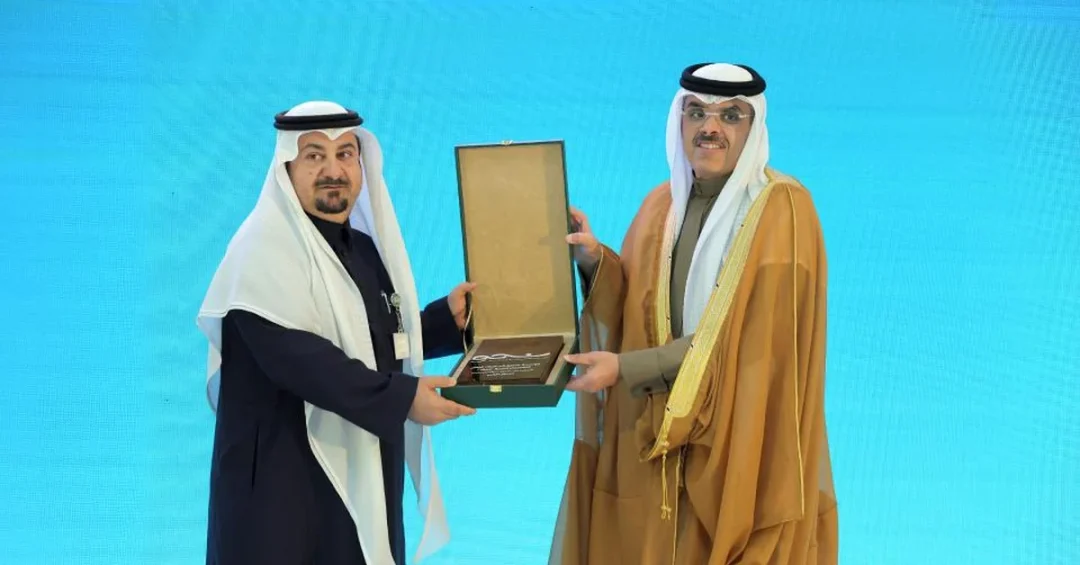
The King Faisal Specialist Hospital Charity Foundation, known as “Wareef Charity,” has been awarded second place for holding the second-largest capital for an endowment investment fund in Saudi Arabia, with the General Authority for Awqaf presenting the recognition during the “Nomo Financial Sustainability Forum.” The honor acknowledges the foundation’s “Alinma Wareef Endowment Fund,” the first publicly offered and open-ended endowment investment fund in the Kingdom, reflecting the growing sophistication of Saudi Arabia’s endowment sector and its expanding role in financing vital social services.
The recognition, announced in Riyadh, places Wareef Charity among the leading institutional players in a sector that is being deliberately modernized under the national framework for endowments. For international observers, the award signals more than a single institutional achievement: it illustrates how Saudi Arabia is converting traditional charitable giving into governed, investable, and sustainable financial vehicles. Could a single fund, structured correctly, help finance healthcare for generations rather than for a single budget cycle? The Alinma Wareef Endowment Fund is designed to answer precisely that question, and its second-place ranking suggests the model is working at scale.
Context and Background
Endowments, known in Arabic as waqf, have deep historical roots in Islamic societies, where they have long funded mosques, schools, hospitals, and public infrastructure. In Saudi Arabia, this tradition is being re-engineered for the modern economy. The General Authority for Awqaf, the government body responsible for regulating, developing, and promoting the endowment sector, has been tasked with transforming waqf from a largely informal charitable practice into a structured contributor to national development. Why does institutionalizing a centuries-old tradition matter now? Because the demands on healthcare, education, and social services are growing faster than any single donor or annual budget can absorb.
The “Nomo Financial Sustainability Forum” provided the platform for this year’s recognition, bringing together endowment funds, financial institutions, and regulators to review progress on financial sustainability. The forum’s name, derived from the Arabic concept of growth, captures the strategic shift underway: endowments are no longer viewed merely as preserved assets but as growth engines whose returns can be deployed continuously. Wareef Charity’s second-place ranking for capital size places it near the top of a field that includes some of the Kingdom’s largest institutional funds, underlining how quickly professionally managed waqf has matured.
The Alinma Wareef Endowment Fund was launched in November 2018 through a partnership between Wareef Charity and Alinma Investment Company. It was structured as the first publicly offered, open-ended endowment investment fund in Saudi Arabia, meaning that individuals and institutions can subscribe to it and that its units can be created or redeemed on an ongoing basis rather than being locked into a fixed term. This design broadened participation in endowment giving beyond traditional large donors, allowing a wider public to contribute to healthcare support through a regulated investment product.
Key Details of the Recognition and the Fund
According to data published on the Saudi Stock Exchange (Tadawul), the market value of the Alinma Wareef Endowment Fund has exceeded SAR 87 million. That figure demonstrates the success of its investment strategy in maximizing endowment returns and channeling them effectively into medical research, treatment programs, and the development of healthcare services at King Faisal Specialist Hospital & Research Centre. The fund’s model focuses on investing the endowment capital while directing the financial returns toward financing specialized health initiatives, positioning it as one of the most innovative solutions for enhancing the financial sustainability of the non-profit healthcare sector in Saudi Arabia.
The foundation’s strategic goals, which the fund directly supports, include securing sustainable funding for treating patients in need, supporting medical research and healthcare development, promoting preventive health awareness programs, and training specialized healthcare professionals. Each of these objectives addresses a different dimension of health system resilience: immediate patient care, long-term discovery, population-level prevention, and workforce development. Together they form a coherent portfolio that aligns with broader national objectives of enhancing the role of endowments in supporting vital sectors, particularly healthcare.
Endowment investment funds are recognized as structured vehicles for the institutional management and growth of endowments, governed by legal frameworks and specific policies that ensure transparency and effective governance. They operate under the supervision of regulatory bodies, providing a mechanism for diversified investments that maximize benefits for the endowment’s beneficiaries, founders, and the wider community. This governance architecture is central to the model’s credibility: donors can see how capital is invested, how returns are calculated, and how proceeds are distributed to health programs. Does that level of transparency change how people think about charitable giving? For a growing number of Saudi and international donors, the answer appears to be yes.
International and Regional Impact
For international audiences, the rise of professionally managed endowment funds in Saudi Arabia offers a useful case study in how countries can blend cultural tradition with modern finance. Sovereign and philanthropic capital worldwide is increasingly searching for structures that deliver measurable social outcomes alongside financial discipline. The Alinma Wareef Endowment Fund’s public listing on Tadawul and its open-ended design make it accessible and accountable in ways that traditional charitable vehicles often are not. Could this model be replicated in other sectors, such as education or environmental conservation? The regulatory groundwork laid by the General Authority for Awqaf suggests that the framework already exists to support such expansion.
Regionally, the recognition reinforces Saudi Arabia’s position as a leader in Islamic social finance, a field that spans the Gulf, Southeast Asia, and beyond. Endowment funds that combine sharia-compliant investment principles with rigorous governance can attract capital from institutions and individuals who want both ethical alignment and demonstrable impact. By honoring Wareef Charity during a financial sustainability forum, Saudi authorities are signaling that performance and transparency are now the benchmarks for endowment success. This matters for cross-border philanthropy, where donors increasingly expect the same standards of reporting and oversight they apply to conventional investments.
Economic and Strategic Significance
The economic logic behind endowment investment funds is straightforward: rather than spending down a donation once, the capital is preserved and invested, and only the returns are spent. Over time, this creates a perpetual funding stream. For Saudi Arabia’s healthcare sector, where specialized treatment and research carry significant costs, that permanence is strategically valuable. The SAR 87 million market value of the Alinma Wareef Endowment Fund represents capital that will keep working, year after year, for patients and researchers at King Faisal Specialist Hospital & Research Centre.
The fund also contributes to the deepening of Saudi capital markets. An open-ended, publicly offered endowment fund adds a new category of participant to Tadawul, one whose objectives are long-term and mission-driven rather than purely speculative. This diversification supports market stability and broadens the investor base. Strategically, it demonstrates that social impact and financial return are not opposing goals but complementary ones, a principle that underpins much of the Kingdom’s modernization agenda. Is it possible to build a healthcare system that is partly self-financing through endowed capital? The Wareef model offers early, encouraging evidence that it is.
Vision 2030 Alignment
The work of Wareef Charity and the Alinma Wareef Endowment Fund aligns closely with Saudi Vision 2030, the national transformation strategy that seeks to diversify the economy, strengthen the non-profit sector, and improve quality of life. Vision 2030 explicitly calls for expanding the role of endowments in financing social services, and the General Authority for Awqaf has been central to translating that ambition into regulation and market infrastructure. By creating a sustainable financing vehicle for specialized healthcare, Wareef Charity is helping to reduce pressure on public budgets while increasing the resources available for patient care and medical research.
Looking ahead, the recognition at the Nomo Financial Sustainability Forum is likely to accelerate interest in endowment funds across sectors. Success breeds imitation, and a fund that ranks second in the Kingdom for capital size provides a visible template for other non-profit organizations considering similar structures. For Saudi Arabia, the broader significance is a healthcare and social financing ecosystem that becomes more resilient with each new endowment established. Could the Kingdom’s endowment sector become a global reference point for sustainable philanthropy? The trajectory so far, built on governance, transparency, and measurable returns, points in that direction, and institutions like Wareef Charity are leading the way.
20 Questions
Q1. What recognition did Wareef Charity receive?
A1. The King Faisal Specialist Hospital Charity Foundation, known as Wareef Charity, was awarded second place for having the second-largest capital for an endowment investment fund in Saudi Arabia, presented by the General Authority for Awqaf.
Q2. Which fund earned this recognition for Wareef Charity?
A2. The recognition honored the Alinma Wareef Endowment Fund, which is the first publicly offered and open-ended endowment investment fund in the Kingdom of Saudi Arabia.
Q3. Where was the award presented?
A3. The General Authority for Awqaf presented the recognition during the Nomo Financial Sustainability Forum, an event focused on financial sustainability in the endowment sector.
Q4. When was the Alinma Wareef Endowment Fund launched?
A4. The fund was launched in November 2018 through a partnership between Wareef Charity and Alinma Investment Company, establishing a sustainable financing vehicle for healthcare support.
Q5. What is the market value of the fund according to Tadawul?
A5. According to data published on the Saudi Stock Exchange (Tadawul), the market value of the Alinma Wareef Endowment Fund has exceeded SAR 87 million.
Q6. How does the fund’s financial model work?
A6. The fund invests the endowment capital and directs the financial returns toward financing specialized health initiatives, preserving the principal while generating ongoing support for healthcare programs.
Q7. What makes this fund unique in Saudi Arabia?
A7. It is the first publicly offered and open-ended endowment investment fund in the Kingdom, allowing individuals and institutions to contribute to healthcare support through a regulated investment product.
Q8. What are Wareef Charity’s strategic goals?
A8. Its goals include securing sustainable funding for treating patients in need, supporting medical research and healthcare development, promoting preventive health awareness programs, and training specialized healthcare professionals.
Q9. Which hospital benefits from the fund’s returns?
A9. The returns support medical research, treatment programs, and healthcare service development at King Faisal Specialist Hospital & Research Centre, ensuring the sustainability of specialized health initiatives.
Q10. What are endowment investment funds?
A10. They are structured vehicles for the institutional management and growth of endowments, governed by legal frameworks and specific policies that ensure transparency and effective governance.
Q11. Who supervises endowment investment funds in Saudi Arabia?
A11. These funds fall under the supervision of regulatory bodies, which provide a mechanism for diversified investments that maximize benefits for beneficiaries, founders, and the wider community.
Q12. What is the General Authority for Awqaf?
A12. It is the Saudi government body responsible for regulating, developing, and promoting the endowment sector, and it presented the recognition at the Nomo Financial Sustainability Forum.
Q13. What was the Nomo Financial Sustainability Forum?
A13. It was a forum that brought together endowment funds, financial institutions, and regulators to review progress on financial sustainability and recognize leading performers in the sector.
Q14. How does the fund support preventive health?
A14. Part of the returns finances preventive health awareness programs, which aim to reduce disease burden and promote healthier communities across the Kingdom.
Q15. Does the fund support medical training?
A15. Yes, training specialized healthcare professionals is one of Wareef Charity’s strategic goals that the fund directly supports, helping to build a skilled medical workforce.
Q16. Why is this recognition significant for Saudi healthcare?
A16. It highlights a sustainable financing model that reduces pressure on public budgets while increasing resources for patient care, medical research, and healthcare development.
Q17. How does the fund align with Vision 2030?
A17. Vision 2030 calls for expanding the role of endowments in financing social services, and the fund supports that goal by creating sustainable financing for specialized healthcare.
Q18. Can individuals contribute to the fund?
A18. Yes, as a publicly offered fund, it enables individuals and institutions to contribute to healthcare support through a regulated, open-ended investment vehicle.
Q19. What does the second-place ranking indicate?
A19. It indicates that Wareef Charity manages one of the largest endowment investment fund capitals in Saudi Arabia, reflecting the success of its investment strategy and governance.
Q20. What is the broader significance of this development?
A20. It demonstrates how Saudi Arabia is modernizing endowment giving into governed, investable vehicles that deliver sustainable social impact, potentially serving as a model for other sectors and countries.
Reader Feedback
We value your thoughts. Please share your feedback on this article.
Your feedback helps us improve our coverage.
Related articles
 Mawani, DP World Expand Jeddah Islamic Port
 Saudi Arabia Attracts 600 Regional Headquarters of Global Firms
 Saudi Women’s Labor Participation Hits 35.4%
 Saudi Economy Grows 1.3% in 2024, Q4 Hits Two-Year High
 Commerce Ministry Conducts 23,000 Inspections in Makkah
 ITFC, Mutual Trust Bank Sign Deal to Boost Bangladesh SMEs