


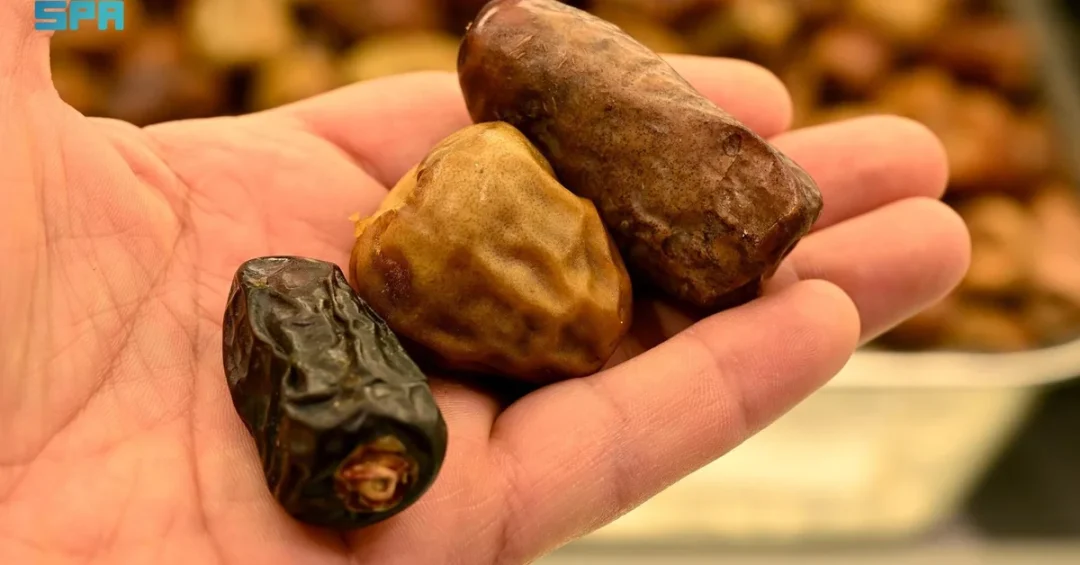
Date markets across the Eastern Region of Saudi Arabia are experiencing a pronounced surge in commercial activity with the arrival of Ramadan, according to the Saudi Press Agency (SPA), as shoppers seek the finest local and regional varieties of dates to break their fast. The markets in cities and governorates throughout the Eastern Province, including Dammam, Al-Ahsa, and Qatif, have reported high sales volumes, with vendors stocking more than 15 distinct types of dates alongside a wide array of processed date products. The annual Ramadan shopping wave reflects both the deep cultural attachment to dates in Saudi society and the strength of the Kingdom’s agricultural and retail sectors during the holy month.
Dates hold a unique place on the Ramadan iftar table, not only as a beloved food but as a Sunnah recommended by Prophet Muhammad, peace be upon him. They help replenish the body’s sugar levels, provide energy, and offer high nutritional value, while being easy to digest and quickly absorbed by the stomach. Despite changing times and the availability of a vast variety of foods, dates have maintained their religious, historical, social, and geographical significance in Saudi society. Families across the Kingdom remain keen to break their fast with dates and to include them in their daily diet throughout Ramadan and beyond. The Eastern Region’s markets, strategically located near major production hubs, serve as a vital link between Saudi farms and consumers.
Context and Background
Why do dates continue to command such a central place in Saudi culture and commerce, even amid modern dietary trends? The answer lies in a combination of faith, tradition, and geography. The Eastern Region, particularly Al-Ahsa Oasis, is one of the world’s largest date-producing areas, recognized by UNESCO as a World Heritage site for its ancient agricultural system. Al-Ahsa alone is home to more than 2.5 million palm trees and produces a significant share of the Kingdom’s date output. This local abundance ensures that markets in the region are well-stocked with fresh, high-quality dates throughout Ramadan.
The Eastern Region’s date markets offer more than 15 types of dates, including locally produced varieties from Al-Ahsa and Qatif, as well as dates from other regions such as Qassim and Madinah. The most prominent types include Khalas, Sukkari, Shishi, Ajwa, and Rizez, each distinguished by its appearance, size, taste, and price. Date vendors ensure the availability of a wide variety to cater to different preferences and tastes. This diversity is a testament to the Kingdom’s agricultural richness and the careful cultivation practices passed down through generations. The markets also serve as a meeting point for traders from across the Gulf region, further enhancing their economic significance.
The historical importance of dates in Saudi Arabia extends beyond nutrition. For centuries, dates have been a staple food for travelers and pilgrims, providing essential sustenance during long journeys. The annual Hajj and Umrah pilgrimages bring millions of visitors to the Kingdom, many of whom purchase dates as gifts and souvenirs. The Ramadan season amplifies this demand, as both residents and visitors seek out premium varieties to share with family and friends. In recent years, the Saudi government has invested in modernizing date farming and processing, helping to boost yields and quality while preserving traditional methods.
Key Details
What exactly are consumers looking for in the bustling date markets this Ramadan? According to date seller Ahmad Al-Mahdi, demand for dates significantly increases around five days before Ramadan, with Khalas and Sukkari being the most popular varieties. He highlighted that the market offers a wide selection of dates, including Khalas, Sukkari, Shishi, and Ajwa. Al-Mahdi noted that Al-Ahsa is known for Khalas, Shishi, Khunaizi, and Hilali dates, while Qassim is famous for Khalas, Sukkari, Rashoudiah, and Nabtat Ali dates. Madinah, meanwhile, is renowned for Ajwa, Majdool, Mabroom, and Sukkari dates. He added that date prices vary according to type, weight, size, and quality.
The processed date products segment is also thriving. Dates are transformed into date molasses, tahini, balls, cubes, stuffed dates, maamoul, biscuits, cakes, bread, seed coffee, ground seeds, and natural sweeteners. These value-added products appeal to a broad range of consumers, from those seeking healthy alternatives to sugar to those looking for convenient snacks during the holy month. The innovation in date processing reflects the broader modernization of Saudi Arabia’s food industry, supported by Vision 2030 initiatives aimed at diversifying the economy and promoting local manufacturing.
Date seller Saad Siraj noted that date sales have doubled with the approach of Ramadan, as it is one of the peak seasons for date sales. He pointed out that most date stores are keen to provide a wide range of dates and processed date products to satisfy different tastes, allowing every customer to find their preferred type. The competitive nature of the market ensures that quality remains high and prices stay reasonable, benefiting consumers across the Eastern Region and beyond. Vendors also report that online sales and home delivery services have grown, making it easier for customers to purchase their favorite dates without visiting the markets in person.
International and Regional Impact
How does the Ramadan date trade in the Eastern Region resonate beyond Saudi borders? The Kingdom is a leading exporter of dates, shipping to markets across the Middle East, North Africa, Europe, and Asia. The surge in domestic demand during Ramadan does not diminish export activity; rather, it highlights the scale and efficiency of Saudi Arabia’s date supply chain. International buyers, particularly in Gulf Cooperation Council (GCC) countries, look to Saudi dates for their superior quality and religious significance. The Eastern Region’s proximity to major ports, such as King Abdulaziz Port in Dammam, facilitates swift export logistics, ensuring that Saudi dates reach global consumers in peak condition.
Regionally, the date markets in the Eastern Region serve as a barometer for consumer confidence and economic vitality. The high footfall and robust sales during Ramadan indicate strong purchasing power among residents and visitors. This, in turn, supports local farmers, traders, and logistics providers, creating a multiplier effect across the economy. The Saudi government’s efforts to streamline regulations and support small and medium enterprises (SMEs) in the food sector have further empowered date vendors to expand their operations. As the Kingdom continues to open up to international tourism, the Ramadan date markets also offer a unique cultural experience for visitors, showcasing Saudi hospitality and heritage.
Economic and Strategic Significance
Why are dates more than just a seasonal commodity for Saudi Arabia’s economy? The date palm sector is a vital component of the Kingdom’s agricultural GDP and a key focus of Vision 2030’s economic diversification goals. Saudi Arabia is among the world’s top date producers, with an annual output exceeding 1.5 million tons. The Eastern Region, particularly Al-Ahsa, contributes a significant portion of this production. The Ramadan surge provides a predictable annual boost to revenues for farmers and retailers, while also stimulating related industries such as packaging, transportation, and food processing. The government has launched initiatives to modernize irrigation systems, improve pest control, and enhance post-harvest handling, all aimed at increasing both yield and quality.
Furthermore, the date industry aligns with Saudi Arabia’s push for food security and sustainable agriculture. By investing in research and development, the Kingdom aims to reduce water usage and increase productivity, ensuring that date farming remains viable for future generations. The Eastern Region’s markets also play a role in the national strategy to promote Saudi products under the ‘Made in Saudi’ brand, which seeks to elevate the global reputation of Saudi goods. As consumers increasingly seek natural and healthy foods, Saudi dates and date-derived products are well-positioned to capture growing international demand, particularly in markets that value organic and traditional foods.
Vision 2030 Alignment
How does the Ramadan date market activity in the Eastern Region reflect the broader objectives of Saudi Vision 2030? The Vision, launched by Crown Prince Mohammed bin Salman, aims to diversify the economy away from oil, empower the private sector, and enhance the Kingdom’s cultural and economic standing globally. The date industry embodies these goals by creating jobs, supporting SMEs, and promoting non-oil exports. The Eastern Region’s date markets, with their blend of tradition and modernity, are a microcosm of the Vision’s success. They demonstrate how Saudi Arabia can leverage its heritage to drive economic growth and international engagement.
Looking ahead, the Kingdom plans to further integrate digital technologies into the date trade, from e-commerce platforms to smart farming solutions. These efforts will not only boost efficiency but also attract younger generations to the sector. As Ramadan continues to inspire consumers to celebrate Saudi Arabia’s rich date heritage, the markets of the Eastern Region stand as a testament to the Kingdom’s enduring traditions and its forward-looking ambition. The surge in activity is more than a seasonal phenomenon; it is a signal of the resilience and dynamism of Saudi Arabia’s economy and its people.
20 Questions
Q1. What is driving the surge in date sales in the Eastern Region during Ramadan?
A1. The surge is driven by the traditional practice of breaking the fast with dates, a Sunnah, and the high demand for various types of dates and processed products. Markets in cities like Dammam, Al-Ahsa, and Qatif see increased activity as consumers seek premium varieties.
Q2. Which types of dates are most popular in the Eastern Region during Ramadan?
A2. Khalas and Sukkari are the most popular, according to date seller Ahmad Al-Mahdi. Other sought-after varieties include Shishi, Ajwa, and Rizez, each known for distinct taste, size, and quality.
Q3. How many types of dates are available in the Eastern Region’s markets?
A3. The markets offer more than 15 types of dates, including local varieties from Al-Ahsa and Qatif, as well as those from Qassim and Madinah. This wide selection caters to diverse consumer preferences.
Q4. What are some processed date products available in the markets?
A4. Processed products include date molasses, tahini, date balls, cubes, stuffed dates, maamoul, biscuits, cakes, bread, seed coffee, ground seeds, and natural sweeteners. These value-added items appeal to health-conscious consumers.
Q5. Why are dates considered important for iftar?
A5. Dates help replenish the body’s sugar levels, provide energy, and offer high nutritional value. They are easy to digest and quickly absorbed, making them an ideal food for breaking the fast.
Q6. How does Al-Ahsa contribute to the date market in the Eastern Region?
A6. Al-Ahsa is a major date-producing region, famous for varieties like Khalas, Shishi, Khunaizi, and Hilali. Its vast palm oases supply a significant portion of dates sold in the Eastern Region and beyond.
Q7. What is the significance of dates in Saudi culture?
A7. Dates hold religious, historical, social, and geographical significance. They are a staple during Ramadan and are deeply embedded in Saudi hospitality and traditions, symbolizing generosity and heritage.
Q8. How much have date sales increased with the approach of Ramadan?
A8. Date seller Saad Siraj noted that sales have doubled with the approach of Ramadan, marking one of the peak seasons for date sales. This surge reflects strong consumer demand.
Q9. Where do the dates sold in the Eastern Region come from?
A9. Dates come from local sources in Al-Ahsa and Qatif, as well as from other regions such as Qassim and Madinah. This diversity ensures a rich variety of flavors and qualities.
Q10. How do date prices vary in the Eastern Region?
A10. Prices vary according to type, weight, size, and quality. Premium varieties like Ajwa and Sukkari may command higher prices, while more common types are more affordable, catering to all budgets.
Q11. What role do date markets play in the local economy?
A11. Date markets support local farmers, traders, and logistics providers, creating jobs and stimulating economic activity. They are a vital part of the region’s retail sector, especially during Ramadan.
Q12. Are there any government initiatives supporting the date industry?
A12. Yes, the Saudi government supports the date industry through Vision 2030 programs that promote agricultural modernization, food security, and non-oil exports. These initiatives help farmers improve yields and quality.
Q13. How does the date trade in the Eastern Region impact international markets?
A13. Saudi Arabia is a leading exporter of dates to global markets. The Eastern Region’s proximity to major ports facilitates exports, ensuring that high-quality Saudi dates reach consumers worldwide, especially during Ramadan.
Q14. What is the nutritional value of dates?
A14. Dates are rich in natural sugars, fiber, vitamins, and minerals. They provide a quick energy boost and are easily digestible, making them ideal for breaking the fast and maintaining daily nutrition.
Q15. How do date vendors prepare for the Ramadan rush?
A15. Vendors stock a wide range of dates and processed products to meet diverse tastes. They also ensure competitive pricing and often offer home delivery services to accommodate the increased demand during Ramadan.
Q16. What is the significance of Ajwa dates?
A16. Ajwa dates, primarily from Madinah, are highly prized for their distinct flavor and religious significance. They are often considered a premium variety and are in high demand during Ramadan.
Q17. How does the date market in the Eastern Region compare to other regions?
A17. The Eastern Region is unique due to its local production in Al-Ahsa and Qatif, combined with imports from Qassim and Madinah. This makes it a diverse and vibrant market for date lovers.
Q18. What are the health benefits of date molasses?
A18. Date molasses is a natural sweetener rich in minerals and antioxidants. It is often used as a healthier alternative to refined sugar and is popular in Saudi cuisine, especially during Ramadan.
Q19. How does Ramadan affect the availability of dates in the Eastern Region?
A19. Availability remains high as vendors stock up extensively before Ramadan. The market ensures a steady supply of both local and regional varieties, preventing shortages and keeping prices stable.
Q20. What does the future hold for the date industry in Saudi Arabia?
A20. The future is promising, with ongoing investments in technology, sustainable farming, and global marketing. The date industry is set to grow, contributing to Vision 2030 goals of economic diversification and food security.
Reader Feedback
We value your thoughts. Please share your feedback on this article.
Your feedback helps us improve our coverage.
Related articles
 Saudi Red Meat Production Surges to 270,000 Tons
 Wareef Charity Honored for Second-Largest Endowment Fund
 Mawani, DP World Expand Jeddah Islamic Port
 Saudi Arabia Attracts 600 Regional Headquarters of Global Firms
 Saudi Women’s Labor Participation Hits 35.4%
 Saudi Economy Grows 1.3% in 2024, Q4 Hits Two-Year High