


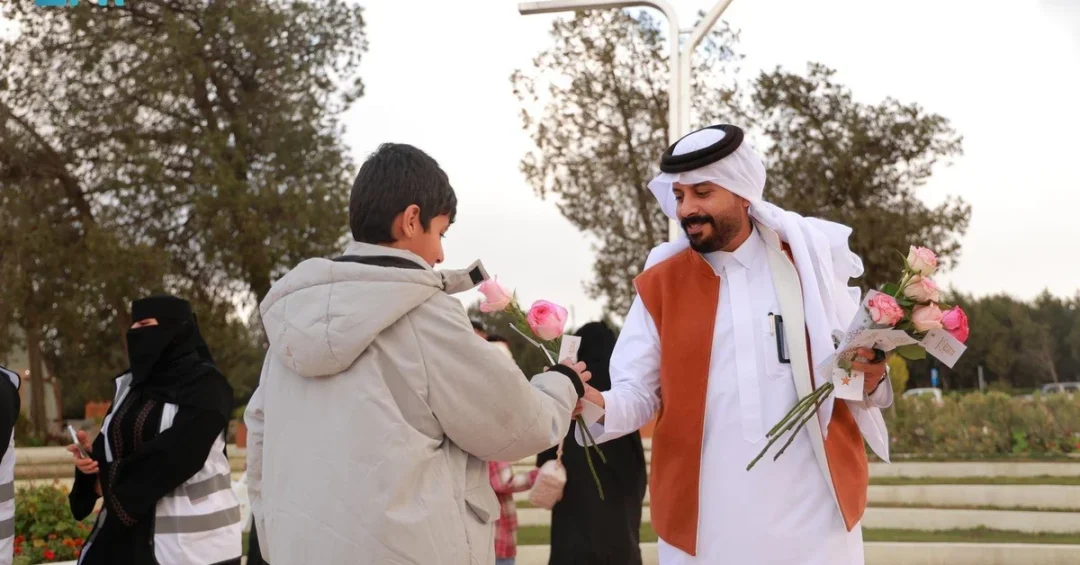
Al-Baha Municipality distributed 3,000 gifts to residents and families across the region during Eid Al-Fitr 2025, part of a broader programme of 55 festive events that included traditional performances, fireworks displays, productive family festivals and children’s theatre. The initiative, announced through official Saudi channels and reported by the Saudi Press Agency, placed the municipality at the centre of community life in Al-Baha during one of the Kingdom’s most cherished holidays. Gifts were handed out at Raghadan Park, Prince Hussam Park in Al-Qaim and Al-Hawiyah Walkway, bringing warmth and joy to families and children throughout the region.
What does it tell the world about how Saudi Arabia now celebrates its national moments? Eid Al-Fitr marks the end of the holy month of Ramadan, and across the Kingdom municipalities, ministries and community organisations coordinate public programmes that combine religious tradition with modern civic life. In Al-Baha, a mountainous region in south-western Saudi Arabia known for its cool climate, terraced farms and distinctive heritage, the municipality’s efforts reflect a wider pattern of local government actively engaging residents rather than simply administering services. The 3,000 gifts were not a standalone gesture but one element of a coordinated festive plan designed to reach families, children and visitors across multiple public locations.
Context and Background
Why has Eid become such an important moment for Saudi municipalities to connect with the public? Eid Al-Fitr is one of the two major annual festivals in the Islamic calendar, following the month of fasting, prayer and reflection. In Saudi Arabia, the occasion is marked by family gatherings, charitable giving and public celebrations that draw millions of residents and visitors into shared spaces. Municipalities across the Kingdom have increasingly taken on a coordinating role, organising events that complement national and religious observances while showcasing regional identity. Al-Baha Municipality’s programme is a clear example of this approach, with activities spread across parks, walkways and community venues rather than concentrated in a single location.
The region of Al-Baha occupies a special place in Saudi culture. Located in the south-west, it is known for its mild climate, mountain scenery, traditional villages and agricultural heritage, including honey production and terraced farming. Its parks and public spaces are natural gathering points during holidays, particularly in the cooler months. By selecting Raghadan Park, Prince Hussam Park in Al-Qaim and Al-Hawiyah Walkway as distribution sites, the municipality ensured that the gifts reached families in different parts of the region, from urban centres to popular leisure destinations. This geographic spread reflects a deliberate effort to make the celebrations inclusive and accessible.
The timing of the initiative is also significant. Eid Al-Fitr 2025 fell in late March and early April, a period when Saudi Arabia’s domestic tourism sector is active and families travel to regions like Al-Baha for short holidays. Municipal programmes that add cultural and entertainment value to these visits support the Kingdom’s broader tourism and quality-of-life objectives. The 55 events organised by the municipality included traditional performances, fireworks displays, productive family festivals and children’s theatre, offering something for every age group. Together, these activities helped transform public spaces into lively community hubs during the holiday.
Key Details
How did the municipality turn a gift distribution into a region-wide celebration? According to official information released by Al-Baha Municipality, 3,000 gifts were distributed across several key locations. Raghadan Park, Prince Hussam Park in Al-Qaim and Al-Hawiyah Walkway served as the main distribution points, each attracting families and children throughout the Eid period. The gifts were designed to bring joy to residents and reinforce the festive atmosphere, with the municipality coordinating logistics so that distribution could take place smoothly alongside the wider programme of events. The presence of municipal teams at these sites also gave residents a direct point of contact with local government during the holiday.
Dr. Ali Al-Sawat, Mayor of Al-Baha, emphasised that the initiative reflects the municipality’s commitment to fostering community engagement and highlighting the region’s festive spirit. His statement, carried by the Saudi Press Agency, underlined that the programme was not simply about entertainment but about strengthening the relationship between local government and the community. The 55 events organised by the municipality ranged from traditional performances that celebrate Saudi heritage to fireworks displays that drew crowds in the evenings, productive family festivals that support home-based businesses, and children’s theatre that provided safe, family-friendly entertainment. Each element was chosen to appeal to different segments of the population.
The gift distribution also had a practical dimension. Public holidays in Saudi Arabia bring families together, and municipalities often use these occasions to promote social cohesion and civic pride. By placing gifts in the hands of children and families, Al-Baha Municipality created positive memories associated with public spaces and local institutions. The events were organised in coordination with relevant authorities to ensure safety, crowd management and smooth operations. The municipality’s approach demonstrates how local government can contribute to national celebrations while addressing the specific needs and preferences of its residents.
International and Regional Impact
What do these local celebrations say about Saudi Arabia’s wider regional role? Saudi Arabia is home to the two holiest sites in Islam, and the Kingdom’s management of Eid and Ramadan is followed closely by Muslims around the world. While the Hajj and Umrah pilgrimages draw global attention, domestic Eid celebrations in regions such as Al-Baha illustrate how the holiday is observed across the country’s diverse communities. International audiences, including travellers and cultural observers, increasingly look to Saudi Arabia for a fuller picture of daily life and traditions beyond the major cities. Municipal initiatives like this one contribute to that understanding by showing the Kingdom’s cultural richness at the local level.
Within the region, Saudi Arabia’s approach to community events and public celebrations is part of a broader trend in the Gulf, where governments invest in quality-of-life programmes as a complement to economic development. Al-Baha’s programme is modest in scale compared with major national events, but it reflects the same philosophy: public spaces should be active, inclusive and welcoming, especially during important holidays. For neighbouring countries and international partners, such initiatives signal stability, social cohesion and a commitment to preserving cultural traditions while embracing modern forms of entertainment and community engagement.
Economic and Strategic Significance
How do Eid celebrations connect to Saudi Arabia’s economic and strategic goals? Festivals and public events generate economic activity in multiple ways. They support local businesses, from food vendors and artisans to transport providers and accommodation services. The productive family festivals organised by Al-Baha Municipality, in particular, give home-based entrepreneurs an opportunity to sell products and reach new customers. This aligns with national efforts to support small and medium enterprises and to empower families economically. When municipalities invest in well-organised public events, they create a multiplier effect that benefits the local economy beyond the immediate celebration.
Strategically, the programme supports Saudi Arabia’s vision of a vibrant society and a diversified economy. Regions like Al-Baha are being developed as tourism destinations, with their natural landscapes, heritage sites and cultural traditions attracting domestic visitors. Events that enhance the visitor experience, such as fireworks, theatre and family festivals, make these destinations more appealing and encourage repeat visits. The municipality’s coordination of 55 events demonstrates administrative capacity and a focus on service delivery that complements national investment in tourism infrastructure. Over time, such efforts help build the reputation of Al-Baha and similar regions as attractive places to live, work and visit.
Vision 2030 Alignment
How does a gift distribution in Al-Baha fit into Saudi Vision 2030? Vision 2030 aims to build a vibrant society, a thriving economy and an ambitious nation. Community engagement initiatives directly support the first of these pillars by strengthening social bonds, promoting cultural pride and improving quality of life. The municipality’s programme, which combined charitable giving with entertainment and heritage, reflects the Vision’s emphasis on enhancing the lived experience of citizens and residents. It also supports the goal of increasing domestic tourism and creating attractive destinations across all regions of the Kingdom, not only in major urban centres.
The initiative further illustrates the role of local government in delivering Vision 2030 at the community level. By organising 55 events and distributing 3,000 gifts, Al-Baha Municipality translated national objectives into tangible benefits for residents. The involvement of families and children in particular helps cultivate a sense of belonging and optimism for the future. As Saudi Arabia continues to implement its transformation plans, such grassroots programmes will remain essential in ensuring that progress is felt in every region. The Eid celebrations in Al-Baha are a reminder that national vision is built through local action, and that public joy and community spirit are valuable assets in their own right.
20 Questions
Q1. What did Al-Baha Municipality distribute during Eid Al-Fitr?
A1. Al-Baha Municipality distributed 3,000 gifts to residents and families across the region as part of its Eid Al-Fitr celebrations, aiming to spread joy and enhance the festive atmosphere in alignment with its community engagement efforts.
Q2. Where were the gifts distributed in Al-Baha?
A2. The gifts were distributed at several key locations, including Raghadan Park, Prince Hussam Park in Al-Qaim, and Al-Hawiyah Walkway, bringing warmth and joy to families and children throughout the region.
Q3. Who is the Mayor of Al-Baha?
A3. Dr. Ali Al-Sawat is the Mayor of Al-Baha. He emphasised that the initiative reflects the municipality’s commitment to fostering community engagement and highlighting the region’s festive spirit during Eid.
Q4. How many events did Al-Baha Municipality organise for Eid?
A4. Al-Baha Municipality organised 55 events, including traditional performances, fireworks displays, productive family festivals, and children’s theatre, offering a variety of entertainment options for residents and visitors.
Q5. What types of events were included in the celebrations?
A5. The events included traditional performances, fireworks displays, productive family festivals, and children’s theatre, each designed to appeal to different age groups and to create a joyful and inclusive festive atmosphere.
Q6. What is the significance of Eid Al-Fitr in Saudi Arabia?
A6. Eid Al-Fitr marks the end of Ramadan and is celebrated with family gatherings, charitable giving, and public festivities. In Saudi Arabia, it is a time of joy, reflection, and community bonding across all regions.
Q7. How does this initiative reflect community engagement?
A7. By distributing gifts and organising events in public spaces, Al-Baha Municipality directly engaged with residents, strengthening the relationship between local government and the community while promoting social cohesion and civic pride.
Q8. What is the role of Al-Baha Municipality in local governance?
A8. Al-Baha Municipality is responsible for municipal services, urban development, and community programmes in the Al-Baha region. It organises public events and initiatives that enhance quality of life for residents.
Q9. Why were parks and walkways chosen for gift distribution?
A9. Parks and walkways are popular gathering places during Eid, especially for families and children. Distributing gifts there ensured broad reach and allowed the municipality to engage with residents in relaxed, festive settings.
Q10. How does this initiative align with Vision 2030?
A10. It supports Vision 2030’s goal of a vibrant society by enhancing quality of life, promoting cultural pride, and fostering community engagement. It also boosts domestic tourism and local economic activity in the region.
Q11. What economic benefits do such events bring to Al-Baha?
A11. The events support local businesses, artisans, and vendors, including productive family festivals that empower home-based entrepreneurs. They also attract visitors, boosting spending in the local economy during the holiday period.
Q12. How does Al-Baha’s celebration compare to other regions?
A12. Al-Baha’s programme is part of a nationwide pattern where municipalities organise Eid events tailored to local culture and geography. Each region adds its own character while contributing to the national festive spirit.
Q13. What message does the mayor’s statement convey?
A13. Mayor Dr. Ali Al-Sawat’s statement conveys that the municipality is committed to community engagement and to showcasing Al-Baha’s festive spirit, reinforcing the role of local government in enriching residents’ lives.
Q14. How many gifts were distributed in total?
A14. A total of 3,000 gifts were distributed across the selected locations in Al-Baha, bringing joy to families and children and contributing to the overall festive atmosphere of Eid Al-Fitr.
Q15. What is the significance of children’s theatre in the programme?
A15. Children’s theatre provides safe, family-friendly entertainment that nurtures creativity and joy among young residents, making the celebrations more inclusive and memorable for families across the region.
Q16. How do fireworks displays contribute to Eid celebrations?
A16. Fireworks displays are a popular visual spectacle that draws communities together, adding excitement and a sense of shared celebration to Eid festivities, particularly in the evenings after family gatherings.
Q17. What are productive family festivals?
A17. Productive family festivals are events that showcase and support home-based businesses and family-run enterprises, allowing them to sell products and gain visibility, in line with national efforts to empower small businesses.
Q18. How does this initiative support domestic tourism?
A18. By organising attractive events and enhancing public spaces, Al-Baha becomes a more appealing destination for domestic travellers during holidays, encouraging visits and repeat tourism to the region.
Q19. What role do municipalities play in Saudi Vision 2030?
A19. Municipalities implement Vision 2030 at the local level by improving quality of life, supporting local economies, and fostering community engagement through events, services, and infrastructure development.
Q20. What does this initiative say about Saudi Arabia’s cultural values?
A20. It reflects Saudi Arabia’s cultural values of generosity, community solidarity, and joy in celebrating religious occasions, while embracing modern, well-organised public events that bring people together.
Reader Feedback
We value your thoughts. Please share your feedback on this article.
Your feedback helps us improve our coverage.
Related articles
 Madinah Concludes Swimming Literacy Project with 300 Students
 AlUla Program Trains 50 Youth in Public Speaking
 Najran Schools Adopt Winter Schedule Starting Sunday
 Najran University Climbs Four Places in QS Arab Rankings 2027
 Saudi Arabia Sets February 2027 Deadline for Worker Housing
 ETEC to Hold Third National Forum for School Excellence in Riyadh