


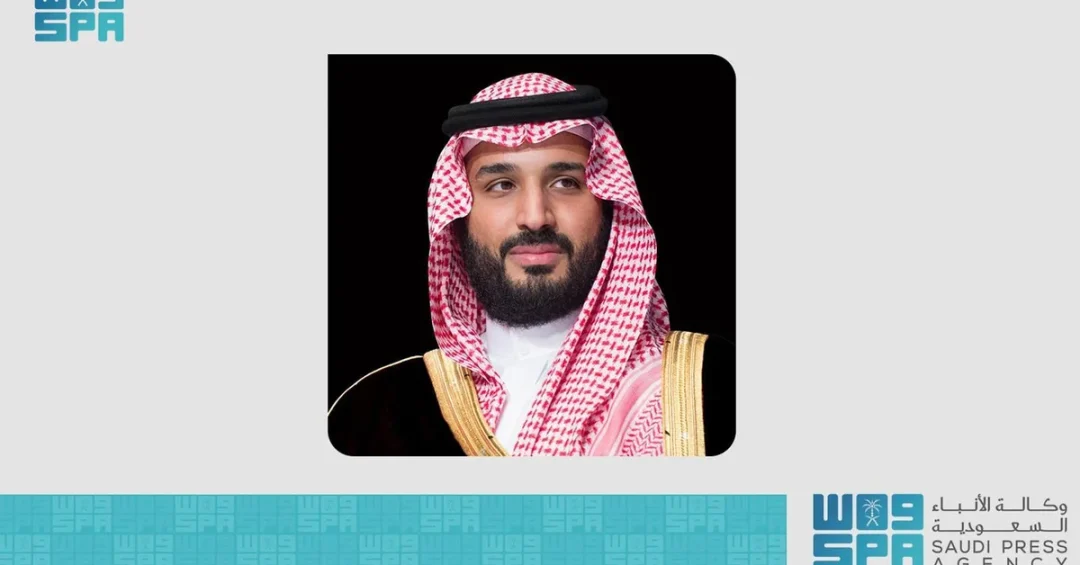
Minister of Foreign Affairs Prince Faisal bin Farhan bin Abdullah arrived in Cairo on March 4, 2025, leading the Saudi delegation to the Extraordinary Arab Summit on behalf of His Royal Highness Prince Mohammed bin Salman bin Abdulaziz Al Saud, Crown Prince and Prime Minister. The summit, hosted by the Arab Republic of Egypt, convenes Arab leaders to address the latest developments concerning the Palestinian issue and to coordinate collective Arab efforts. The Saudi Press Agency confirmed the arrival, underscoring the Kingdom’s continued engagement in regional diplomacy and its commitment to Arab unity.
Why does this gathering in Cairo matter for the wider Middle East and beyond? The extraordinary session reflects the urgency with which Arab states are approaching the Palestinian question, and Saudi Arabia’s participation signals its readiness to work alongside partners to pursue a just and lasting resolution. The Kingdom’s delegation is led at the foreign minister level, a clear indication of the importance Riyadh attaches to the deliberations. As Arab capitals seek common ground, Saudi Arabia’s voice remains central to shaping a coordinated response that prioritizes stability, humanitarian relief, and a credible political horizon.
Context and Background
How did the Extraordinary Arab Summit come to be convened, and what historical threads run through it? The summit follows a series of high-level consultations among Arab states, driven by the need to respond to rapidly evolving conditions affecting the Palestinian people. Egypt, a longstanding host of Arab League gatherings, extended the invitation as part of its regional role. The meeting builds on previous extraordinary sessions and ministerial meetings that have sought to align Arab positions on ceasefires, humanitarian access, and the eventual revival of a political process.
Saudi Arabia has consistently advocated for a comprehensive and just settlement based on the Arab Peace Initiative and relevant United Nations resolutions. The Kingdom has repeatedly called for an end to hostilities, the protection of civilians, and the unimpeded delivery of aid. Its participation in Cairo is therefore a continuation of a well-established policy rather than a departure. The presence of Prince Faisal bin Farhan, who also serves as a key architect of Saudi diplomacy, signals that Riyadh views this moment as pivotal for translating Arab consensus into actionable outcomes.
What does the Kingdom bring to the table? Saudi Arabia’s diplomatic weight, its ties across the Arab and Islamic worlds, and its growing global partnerships position it as a bridge-builder. The summit also occurs against the backdrop of broader regional realignments, including efforts to de-escalate tensions and focus on economic development. Saudi Arabia’s Vision 2030, which prioritizes stability and prosperity, depends in part on a peaceful regional environment, making the Cairo deliberations directly relevant to the Kingdom’s long-term goals.
Key Details of the Cairo Summit
What exactly is on the agenda in Cairo? According to official Saudi sources, the Extraordinary Arab Summit is expected to address developments in the Palestinian issue and the collaborative Arab efforts pertaining to it. Discussions are likely to cover humanitarian conditions, the need for a durable ceasefire, and the revival of a political track. Arab leaders are also expected to explore ways to unify their positions ahead of engagements with international actors, including the United Nations and key global powers.
Prince Faisal bin Farhan’s arrival in Cairo was announced by the Saudi Press Agency, which reported that he is leading the Saudi delegation on behalf of Crown Prince Mohammed bin Salman. The foreign minister’s schedule includes bilateral meetings with counterparts on the margins of the summit, a common practice that allows for focused diplomacy. These side conversations often prove as consequential as the plenary sessions, enabling officials to narrow differences and identify practical steps.
Why is the foreign minister leading the delegation rather than a lower-level official? The choice reflects the summit’s elevated status and the Kingdom’s view that the Palestinian issue requires sustained attention at the highest levels. It also aligns with Saudi Arabia’s tradition of active participation in Arab League processes. The delegation’s composition, though not fully detailed in the initial announcement, is expected to include senior diplomats and experts who can contribute to technical discussions on humanitarian and political matters.
International and Regional Impact
How will the summit’s outcomes resonate beyond the Arab world? The Cairo gathering is being watched closely by international capitals, including Washington, Brussels, and Beijing, all of which have stakes in Middle East stability. A unified Arab position can amplify calls for humanitarian relief and a political settlement, giving greater weight to diplomatic initiatives. Conversely, visible divisions could complicate international efforts. Saudi Arabia’s participation is therefore not merely symbolic; it contributes to the coherence of the Arab voice.
What role does Egypt play as host? Egypt has long served as a diplomatic hub for the region, and its hosting of this extraordinary summit reinforces its centrality. Cairo’s coordination with Riyadh and other Arab capitals has been a feature of recent diplomacy. The summit also provides an opportunity for Arab states to present a common front on issues such as reconstruction, governance, and the rights of the Palestinian people. For Saudi Arabia, working through the Arab League and with Egypt strengthens multilateral approaches that it has consistently championed.
Are there implications for Saudi Arabia’s other regional relationships? The Kingdom maintains open channels with a wide range of actors, including those with differing views on the Palestinian issue. Its participation in Cairo does not preclude continued engagement with other partners. Rather, it reflects a pragmatic diplomacy that seeks to reduce tensions and build consensus. This approach is consistent with Saudi Arabia’s broader foreign policy, which emphasizes dialogue, stability, and economic cooperation as foundations for security.
Economic and Strategic Significance
Why should economic observers pay attention to a diplomatic summit? Regional stability is a prerequisite for investment, trade, and long-term development. Saudi Arabia’s Vision 2030 aims to diversify the economy, attract foreign investment, and expand the private sector. Persistent conflict and uncertainty can deter capital and disrupt supply chains, making de-escalation a core economic interest. The Cairo summit, by seeking to calm tensions and chart a political path, indirectly supports the economic agenda of the Kingdom and its neighbors.
What strategic priorities does Saudi Arabia advance through this engagement? Beyond the immediate Palestinian issue, the Kingdom is positioning itself as a responsible global actor capable of convening and mediating. This reputation enhances its ability to forge partnerships in areas such as energy, technology, and infrastructure. The summit also allows Saudi Arabia to coordinate with Arab states on shared challenges, from water security to food supply, that transcend any single conflict. In this sense, the Cairo meeting is part of a broader strategy to secure a stable neighborhood conducive to prosperity.
How does the summit interact with Saudi Arabia’s humanitarian commitments? The Kingdom has consistently provided humanitarian aid to the Palestinian people through official channels, including the King Salman Humanitarian Aid and Relief Center (KSrelief). The summit is expected to explore ways to scale up and coordinate such assistance. Saudi Arabia’s emphasis on humanitarian relief aligns with its values and its Vision 2030 goal of being a force for good in the world. By working with Arab partners, the Kingdom can help ensure that aid reaches those in need efficiently and without duplication.
Vision 2030 Alignment
How does the Cairo summit connect to Saudi Arabia’s long-term vision? Vision 2030 is not solely an economic blueprint; it also envisions a Kingdom that is influential, secure, and engaged globally. A stable and peaceful region is essential to that vision. By participating in the Extraordinary Arab Summit, Saudi Arabia reinforces its commitment to multilateral diplomacy and to resolving conflicts through dialogue. This aligns with the vision’s emphasis on building a diversified economy that can thrive in a stable environment and on enhancing the Kingdom’s international standing.
What does this mean for the future of Saudi diplomacy? The Kingdom’s active role in Cairo, following other high-level engagements, suggests that it will continue to invest in regional and international diplomacy. The leadership of Crown Prince Mohammed bin Salman has placed a premium on proactive foreign policy, and the foreign minister’s presence at the summit is a clear expression of that. As Vision 2030 progresses, Saudi Arabia’s ability to contribute to regional stability will remain a key asset. The Cairo summit is another step in a journey toward a more peaceful and prosperous Middle East, with the Kingdom playing a central and constructive role.
20 Questions
Q1. Who is leading the Saudi delegation to the Extraordinary Arab Summit in Cairo?
A1. Minister of Foreign Affairs Prince Faisal bin Farhan bin Abdullah is leading the delegation on behalf of Crown Prince Mohammed bin Salman. His presence underscores the Kingdom’s high-level commitment to Arab coordination.
Q2. When did the Saudi foreign minister arrive in Cairo?
A2. He arrived on March 4, 2025, according to the Saudi Press Agency. The summit is being held in Egypt’s capital, Cairo.
Q3. What is the main purpose of the Extraordinary Arab Summit?
A3. The summit addresses developments in the Palestinian issue and collaborative Arab efforts. It aims to unify positions and explore practical steps for humanitarian and political progress.
Q4. On whose behalf is Prince Faisal bin Farhan attending the summit?
A4. He is attending on behalf of His Royal Highness Prince Mohammed bin Salman bin Abdulaziz Al Saud, Crown Prince and Prime Minister. This reflects the Kingdom’s prioritization of the Palestinian issue.
Q5. Which country is hosting the summit?
A5. The Arab Republic of Egypt is hosting the summit in Cairo. Egypt has a long tradition of hosting Arab League gatherings and facilitating regional diplomacy.
Q6. What specific topics are expected to be discussed?
A6. Discussions will focus on the Palestinian issue, including humanitarian conditions, ceasefires, and political efforts. Arab leaders will also coordinate their positions for international engagement.
Q7. How does Saudi Arabia’s participation align with its foreign policy?
A7. It continues the Kingdom’s consistent advocacy for a just settlement based on the Arab Peace Initiative and UN resolutions. Saudi Arabia has long supported Palestinian rights and regional stability.
Q8. What is the significance of the foreign minister leading the delegation?
A8. It signals the summit’s importance and Saudi Arabia’s commitment at the highest diplomatic level. It also allows for direct engagement with counterparts on sensitive issues.
Q9. Will there be bilateral meetings on the sidelines?
A9. Yes, such summits typically include bilateral meetings. These allow officials to narrow differences and advance specific initiatives in a focused manner.
Q10. How might the summit’s outcomes affect regional stability?
A10. A unified Arab position can bolster calls for humanitarian relief and a political settlement. It may also reduce tensions and create space for diplomacy.
Q11. What role does Egypt play in this summit?
A11. Egypt is the host and a key mediator in regional affairs. Its coordination with Saudi Arabia and other Arab states helps build consensus.
Q12. Is Saudi Arabia providing humanitarian aid to the Palestinian people?
A12. Yes, through KSrelief and other official channels. The Kingdom has consistently delivered aid and supports coordinated relief efforts.
Q13. How does this summit relate to Saudi Vision 2030?
A13. Vision 2030 seeks a stable region conducive to economic growth. Diplomatic engagement like this supports that goal and enhances the Kingdom’s global standing.
Q14. What other Arab states are participating?
A14. Arab League member states are expected to attend at various levels. The summit aims to include a broad representation of Arab leadership.
Q15. Will the summit produce a joint statement?
A15. Such summits often conclude with a joint statement or communique. It would outline agreed positions and next steps.
Q16. How does Saudi Arabia balance its regional and global engagements?
A16. The Kingdom maintains open channels with diverse partners while prioritizing Arab consensus. This pragmatic approach aims to reduce tensions and build bridges.
Q17. What economic interests are at stake for Saudi Arabia?
A17. Regional stability is vital for investment, trade, and Vision 2030 diversification. Conflict can deter capital and disrupt supply chains, so de-escalation supports economic goals.
Q18. Has Saudi Arabia hosted similar summits before?
A18. Yes, Saudi Arabia has hosted numerous Arab and Islamic gatherings. It has a strong record of facilitating regional dialogue.
Q19. What is the expected follow-up after the summit?
A19. Follow-up may include ministerial meetings and coordination on humanitarian and political tracks. Implementation will depend on consensus among Arab states.
Q20. How can international observers interpret Saudi Arabia’s role?
A20. Saudi Arabia is acting as a responsible regional leader seeking peaceful solutions. Its participation reflects a commitment to multilateral diplomacy and long-term stability.
Reader Feedback
We value your thoughts. Please share your feedback on this article.
Your feedback helps us improve our coverage.
Related articles
 Saudi Arabia Distributes Dates in Russia, Egypt for Ramadan
 Saudi Judicial Training Center Launches 14 Diplomas in 2024
 KSrelief Delivers 25 Tons of Dates as Saudi Gift to Greece
 Saudi Arabia, Lebanon Reaffirm Taif Agreement in Joint Statement
 Saudi Arabia’s Renewed Commitment to Palestinian Cause
 KSrelief’s Masam Project Clears 706 Mines in Yemen in One Week