


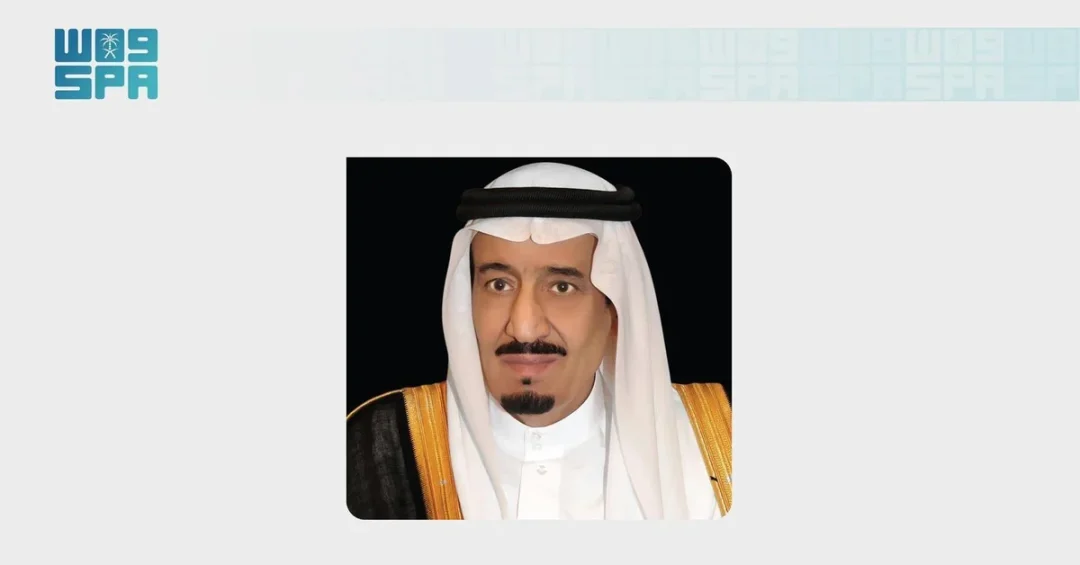
The Custodian of the Two Holy Mosques, King Salman bin Abdulaziz Al Saud, has sent a cable of congratulations to Dr. Rashad Al-Alimi, President of the Republic of Yemen’s Presidential Leadership Council, on the occasion of Yemen’s September 26 anniversary, according to the Saudi Press Agency (SPA). The royal message extended the King’s best wishes for Dr. Al-Alimi’s continued good health and happiness, and expressed hopes for further security and stability for the government and people of Yemen. The announcement, carried by the Kingdom’s official news agency, underscores the enduring fraternal ties between Saudi Arabia and Yemen and reflects the Custodian of the Two Holy Mosques’ consistent commitment to the stability and prosperity of the Yemeni people.
Why does a single congratulatory cable carry such weight in regional diplomacy? In the context of the Middle East, such gestures are far more than ceremonial. They signal continuity of engagement, respect for national milestones, and a sustained commitment to dialogue and cooperation. The September 26 anniversary commemorates the 1962 revolution that established the Yemen Arab Republic, a defining moment in Yemen’s modern history. By marking the date with an official message, the Kingdom reaffirms its historic and fraternal relationship with Yemen, a neighbor with which it shares deep cultural, tribal, and economic bonds. The cable also highlights Saudi Arabia’s broader role as a stabilizing force in the region, a role that is central to its foreign policy and aligned with the objectives of Saudi Vision 2030.
Context and Background
What is the significance of September 26 in Yemen’s national story? The date marks the anniversary of the 1962 revolution that ended the Mutawakkilite Kingdom and established the Yemen Arab Republic. For Yemenis, it represents a turning point toward modernization and republican governance. Over the decades, the anniversary has been observed with official ceremonies, public gatherings, and messages of solidarity from allied nations. Saudi Arabia has historically maintained close ties with Yemen, driven by shared borders, kinship ties, and mutual economic interests. The Kingdom has consistently supported Yemen’s legitimate government and has been a leading provider of humanitarian assistance to the Yemeni people, particularly during periods of conflict and economic hardship.
The Presidential Leadership Council, led by Dr. Rashad Al-Alimi, was established in April 2022 as an executive body representing various Yemeni political components. It was formed under the auspices of the United Nations and with the support of the Gulf Cooperation Council, including Saudi Arabia, to steer the country through its transitional period. Since its inception, the Council has sought to restore state institutions, stabilize the economy, and pursue a comprehensive political solution. Saudi Arabia’s engagement with the Council, including high-level communications such as this congratulatory cable, reflects the Kingdom’s recognition of the Council’s role as a legitimate partner in Yemen’s path toward peace and reconstruction.
Why does Saudi Arabia place such emphasis on Yemen’s stability? The answer lies in geography, security, and shared destiny. Yemen shares a long border with Saudi Arabia, and instability there has direct implications for the Kingdom’s southern regions. Moreover, the two countries are bound by centuries of trade, migration, and cultural exchange. Saudi Arabia’s leadership has repeatedly stated that a secure, prosperous Yemen is in the interest of the entire region. The congratulatory message from the Custodian of the Two Holy Mosques is therefore a reaffirmation of this strategic and fraternal commitment, delivered at a moment when Yemen continues to face significant challenges on its path to recovery.
Key Details of the Royal Message
What exactly did the Custodian of the Two Holy Mosques convey in his cable? According to the Saudi Press Agency, King Salman bin Abdulaziz Al Saud extended his sincere congratulations to Dr. Rashad Al-Alimi on the occasion of Yemen’s September 26 anniversary. The King wished the Yemeni President continued good health and happiness, and expressed his hopes for further security and stability for the government and people of Yemen. The message was conveyed through official channels and published by the Kingdom’s state news agency, ensuring its authenticity and public record. Such cables are a standard diplomatic practice, but their content and timing can carry nuanced political significance.
The cable is notable for its warm and fraternal tone, which reflects the personal rapport and mutual respect between the Saudi leadership and the Yemeni Presidential Leadership Council. It also reinforces the Kingdom’s consistent position of supporting Yemen’s legitimate institutions and rejecting any illegitimate seizures of power. By addressing Dr. Al-Alimi directly as President of the Presidential Leadership Council, the message implicitly reaffirms Saudi Arabia’s recognition of the Council’s authority. This is particularly important as Yemen navigates a complex political landscape and seeks to consolidate its institutions ahead of any future peace process.
How does this message fit into the broader pattern of Saudi-Yemeni relations? It is one of many high-level communications that have taken place between Riyadh and Yemen’s leadership in recent years. Saudi Arabia has hosted numerous rounds of Yemeni-Yemeni consultations, provided billions of dollars in humanitarian and development aid, and worked with international partners to facilitate a UN-brokered truce. The congratulatory cable is a continuation of this engagement, signaling that the Kingdom remains a committed partner in Yemen’s journey toward peace, reconstruction, and economic revival. It also serves as a reminder of the Kingdom’s enduring role as a bridge-builder and mediator in regional affairs.
International and Regional Impact
How will the international community interpret this gesture? Diplomatic observers in the region and beyond are likely to view the cable as a reaffirmation of Saudi Arabia’s stabilizing role in Yemen and the wider Middle East. It comes at a time when regional powers are increasingly focused on de-escalation, economic cooperation, and post-conflict reconstruction. By publicly congratulating the Yemeni leadership on a national anniversary, the Kingdom signals its support for Yemen’s sovereignty, territorial integrity, and political independence. This aligns with the principles of the United Nations Charter and the outcomes of various international conferences on Yemen, including those held in Riyadh and Geneva.
What does this mean for Yemen’s regional and international partners? The message is likely to be welcomed by the Gulf Cooperation Council, the Arab League, and other allies who have consistently supported Yemen’s legitimate government. It also reinforces the broader regional consensus that a stable Yemen is essential for the security of the Red Sea corridor, the Bab-el-Mandeb Strait, and global shipping lanes. For international donors and humanitarian organizations, Saudi Arabia’s continued engagement with Yemen’s leadership provides reassurance that the Kingdom remains a key partner in addressing the world’s largest humanitarian crisis. The cable thus has implications that extend far beyond bilateral relations, touching on global security and economic interests.
Why is the timing of this message significant? The September 26 anniversary is a moment of national reflection for Yemenis, and the Saudi message arrives as the country continues to grapple with economic challenges, internal divisions, and the aftermath of years of conflict. By extending congratulations, the Kingdom is not only honoring a historic milestone but also offering a gesture of solidarity at a critical juncture. It underscores Saudi Arabia’s view that Yemen’s future lies in stability, unity, and prosperity, and that the Presidential Leadership Council is a key partner in achieving these goals. The message also serves as a diplomatic signal to other regional actors that the Kingdom remains firmly engaged in supporting a peaceful resolution to Yemen’s crisis.
Economic and Strategic Significance
What economic and strategic interests underpin Saudi Arabia’s engagement with Yemen? The two countries share a land border stretching over 1,300 kilometers, and Yemen’s stability is directly linked to the security of Saudi Arabia’s southern provinces, including Jazan, Asir, and Najran. Economically, Yemen represents a potential market for Saudi goods and services, and its reconstruction will require significant investment in infrastructure, energy, and housing. Saudi Arabia’s Vision 2030 aims to diversify the Kingdom’s economy and expand trade with neighboring countries, and a stable Yemen would contribute to these goals by opening new opportunities for cross-border commerce and investment. The congratulatory cable, while symbolic, is part of a broader strategy to foster an environment conducive to economic cooperation and development.
How does Saudi Arabia’s support for Yemen align with its own strategic priorities? The Kingdom’s leadership has consistently emphasized that its security and prosperity are intertwined with those of its neighbors. A stable Yemen means a more secure southern border, reduced threats from non-state actors, and enhanced regional cooperation. It also allows Saudi Arabia to focus on its ambitious domestic agenda, including the development of NEOM, the Red Sea Project, and other giga-projects that are central to Vision 2030. By supporting Yemen’s legitimate government and providing humanitarian aid, the Kingdom is investing in long-term regional stability, which in turn creates a favorable environment for foreign investment and tourism. The congratulatory message is thus a small but meaningful component of a comprehensive approach to regional security and economic development.
What role does humanitarian assistance play in this relationship? Saudi Arabia has been one of the largest donors of humanitarian aid to Yemen, providing billions of dollars through the King Salman Humanitarian Aid and Relief Center (KSrelief). This assistance has covered food security, health care, education, and shelter for millions of Yemenis. The Kingdom has also supported Yemen’s Central Bank and worked with international partners to stabilize the Yemeni rial. The congratulatory cable reflects the same spirit of solidarity that drives these humanitarian efforts, reinforcing the message that Saudi Arabia stands with the Yemeni people in their time of need. It also complements the Kingdom’s diplomatic efforts to promote a political solution that would end the conflict and allow Yemen to rebuild its economy.
Vision 2030 Alignment
How does this diplomatic gesture connect to Saudi Vision 2030? Vision 2030 is not only a domestic economic reform plan; it also encompasses the Kingdom’s foreign policy objectives of promoting peace, stability, and prosperity in the region. A stable and prosperous Yemen is a key component of a secure neighborhood, which is essential for the success of Vision 2030’s economic and social goals. The Kingdom’s leadership understands that sustainable development at home requires a peaceful and cooperative regional environment. By maintaining strong ties with Yemen’s legitimate leadership and supporting its transition, Saudi Arabia is contributing to the creation of a more stable Middle East, which in turn enhances the Kingdom’s own security and economic prospects.
What does the future hold for Saudi-Yemeni relations? The congratulatory cable is a positive indicator of continued engagement and goodwill. As Yemen moves forward, Saudi Arabia is expected to remain a key partner in its reconstruction and development, potentially investing in infrastructure, energy, and trade. The Kingdom’s experience in mega-project development and its financial resources could be instrumental in helping Yemen rebuild its economy. Moreover, the cultural and historical ties between the two peoples provide a strong foundation for long-term cooperation. The message from the Custodian of the Two Holy Mosques is a reminder that Saudi Arabia’s commitment to Yemen is enduring, rooted in fraternity and shared destiny, and aligned with the Kingdom’s vision of a peaceful and prosperous region.
In conclusion, the cable of congratulations from King Salman bin Abdulaziz Al Saud to Dr. Rashad Al-Alimi is a significant diplomatic gesture that underscores Saudi Arabia’s steadfast support for Yemen’s stability and sovereignty. It reflects the Kingdom’s broader role as a stabilizing force in the region and its commitment to the principles of peace, cooperation, and development. As Saudi Arabia continues to advance its Vision 2030 agenda, its relationship with Yemen will remain a cornerstone of its regional strategy, contributing to a more secure and prosperous future for both nations and the wider Middle East.
20 Questions
Q1. Who sent the congratulatory cable to Yemen’s Presidential Leadership Council President?
A1. The Custodian of the Two Holy Mosques, King Salman bin Abdulaziz Al Saud, sent the cable of congratulations to Dr. Rashad Al-Alimi, President of the Republic of Yemen’s Presidential Leadership Council, according to the Saudi Press Agency.
Q2. What occasion prompted the royal message?
A2. The message was sent on the occasion of Yemen’s September 26 anniversary, which commemorates the 1962 revolution that established the Yemen Arab Republic and is a significant national milestone for Yemen.
Q3. What did King Salman wish for Dr. Rashad Al-Alimi?
A3. King Salman wished Dr. Al-Alimi continued good health and happiness, and expressed his hopes for further security and stability for the government and people of Yemen.
Q4. Which official Saudi agency reported the congratulatory cable?
A4. The Saudi Press Agency (SPA), the Kingdom’s official news agency, reported the cable, ensuring its authenticity and public record.
Q5. Who is Dr. Rashad Al-Alimi?
A5. Dr. Rashad Al-Alimi is the President of the Republic of Yemen’s Presidential Leadership Council, the executive body established in April 2022 to lead Yemen through its transitional period.
Q6. What is the significance of September 26 for Yemen?
A6. September 26 marks the anniversary of the 1962 revolution that ended the Mutawakkilite Kingdom and established the Yemen Arab Republic, a turning point toward modernization and republican governance.
Q7. How does Saudi Arabia support Yemen’s stability?
A7. Saudi Arabia supports Yemen through diplomatic engagement, humanitarian aid via KSrelief, and backing for the legitimate government and UN-led peace efforts, all aimed at restoring security and stability.
Q8. What is the Presidential Leadership Council?
A8. The Presidential Leadership Council is Yemen’s executive body formed in April 2022 under UN auspices and with Gulf Cooperation Council support, representing various Yemeni political components.
Q9. Why is Saudi-Yemeni relations important?
A9. Saudi-Yemeni relations are rooted in shared borders, cultural ties, and mutual security interests. A stable Yemen is essential for the security of Saudi Arabia’s southern regions and the wider region.
Q10. How does this message reflect Saudi Arabia’s foreign policy?
A10. The message reflects Saudi Arabia’s consistent policy of supporting Yemen’s legitimate institutions, promoting regional stability, and maintaining fraternal ties with neighboring countries.
Q11. What role does the Saudi Press Agency play?
A11. The Saudi Press Agency is the Kingdom’s official news agency, responsible for disseminating accurate and timely information about Saudi government activities and official statements.
Q12. What humanitarian aid has Saudi Arabia provided to Yemen?
A12. Saudi Arabia, through KSrelief, has provided billions of dollars in humanitarian aid to Yemen, covering food security, health care, education, shelter, and economic stabilization.
Q13. How does this gesture align with Vision 2030?
A13. The gesture aligns with Vision 2030’s goal of promoting regional peace and stability, which is essential for Saudi Arabia’s economic diversification and the success of its domestic development projects.
Q14. What is the regional impact of Saudi Arabia’s engagement with Yemen?
A14. Saudi engagement contributes to regional security, particularly in the Red Sea corridor and Bab-el-Mandeb Strait, and supports international efforts to resolve the Yemeni crisis peacefully.
Q15. What is the historical relationship between Saudi Arabia and Yemen?
A15. Saudi Arabia and Yemen share deep historical, cultural, and tribal ties, with centuries of trade, migration, and exchange, and a long border that necessitates close cooperation.
Q16. What economic opportunities could arise from a stable Yemen?
A16. A stable Yemen could open new markets for Saudi goods and services, facilitate cross-border trade, and attract investment in infrastructure, energy, and reconstruction projects.
Q17. How does Saudi Arabia view the Presidential Leadership Council?
A17. Saudi Arabia recognizes the Presidential Leadership Council as Yemen’s legitimate executive authority and supports its efforts to restore state institutions and pursue peace.
Q18. What is the significance of the timing of this message?
A18. The message arrives on Yemen’s national day, providing a timely gesture of solidarity as Yemen continues to face economic and political challenges on its path to recovery.
Q19. What are the prospects for Saudi-Yemeni cooperation in the future?
A19. Prospects are positive, with potential cooperation in reconstruction, energy, trade, and development, building on the strong fraternal ties and Saudi Arabia’s commitment to Yemen’s stability.
Q20. How does this message reflect the Custodian of the Two Holy Mosques’ role?
A20. The message reflects King Salman’s role as a unifying and stabilizing figure in the region, committed to the welfare of the Yemeni people and the security of the Islamic world.
Reader Feedback
We value your thoughts. Please share your feedback on this article.
Your feedback helps us improve our coverage.
Related articles
 NCM Forecasts Light Rain, Winds Across Makkah Until 9 p.m.
 Saudi Embassy in Greece celebrates National Day
 Saudi Ambassador to Hungary hosts National Day reception
 Saudi Arabia’s KSrelief Completes 23 Heart Surgeries in Brazil
 Saudi Envoy Hosts National Day Reception in Budapest
 Saudi Embassy in Greece Marks National Day