



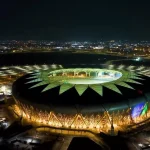
The Competitions Committee of the Arab Gulf Cup Football Federation has confirmed that the final of the 27th Arabian Gulf Cup, known as Khaleeji 27, will be played on Tuesday, October 6, at Alinma Stadium in King Abdullah Sports City in Jeddah, with kick-off scheduled for 9 p.m. local time. The announcement was made following the committee’s third meeting, held in Jeddah and chaired by Dr. Khalid bin Abdulaziz bin Muqrin, and was released through official Saudi channels including the Saudi Press Agency (SPA). The decision sets the stage for the climax of a tournament that Saudi Arabia is hosting from September 23 to October 6, featuring eight national teams and a total of 15 matches.
For football fans across the Gulf and the wider Arab world, the confirmation of the final’s date and venue brings the region’s most storied national-team competition into sharp focus. After all, is there a more compelling way to crown a Gulf champion than a decisive night under the lights in Jeddah, one of the Kingdom’s most vibrant sporting cities? The tournament has already delivered memorable group-stage encounters, and the committee’s latest meeting underscores the meticulous planning behind every fixture. With the final now locked in, attention turns to the remaining matches, the teams’ preparations, and the operational excellence that has come to define Saudi Arabia’s hosting of major regional events.
Context and Background
How did the Arabian Gulf Cup become such a cornerstone of regional sport, and why does its 27th edition carry particular weight? First staged in 1970, the tournament has grown into a biennial celebration of Gulf football, bringing together the national teams of the Gulf Cooperation Council states and neighboring countries. Khaleeji 27 is the latest chapter in that rich history, and Saudi Arabia’s role as host reflects both its sporting infrastructure and its commitment to regional cooperation. The competition’s name, derived from the Arabic word for “Gulf,” signals its cultural significance: it is not merely a football event but a gathering that strengthens ties among peoples who share language, heritage, and a deep love for the beautiful game.
The Arab Gulf Cup Football Federation, which organizes the tournament, has worked closely with Saudi authorities to ensure that every logistical detail is addressed. The Competitions Committee’s third meeting in Jeddah reviewed reports from match commissioners for the third and fourth matches, in which the United Arab Emirates played Yemen and Qatar played Bahrain. It also examined organizational and operational observations from both games, a sign of the continuous quality-control that underpins a competition of this scale. By completing arrangements for the participating teams’ training schedules and their use of approved training grounds, the committee has helped keep technical programs running in line with the tournament’s official calendar.
Saudi Arabia’s selection as host for Khaleeji 27 did not happen by chance. The Kingdom has invested heavily in sports infrastructure as part of its broader Vision 2030 strategy, which seeks to diversify the economy, enhance quality of life, and position the country as a global destination for major events. King Abdullah Sports City in Jeddah, with its modern facilities and large capacity, is a fitting stage for a final of this magnitude. The venue has previously hosted high-profile matches and concerts, demonstrating its versatility and its ability to handle the demands of a continental-scale tournament. For the Kingdom, hosting Khaleeji 27 is another opportunity to showcase its organizational capabilities to a regional and international audience.
Key Details of the Final and Tournament Format
What exactly did the Competitions Committee decide at its third meeting, and how does it shape the remaining schedule? The committee, chaired by Dr. Khalid bin Abdulaziz bin Muqrin, confirmed that the final will take place on Tuesday, October 6, at Alinma Stadium in King Abdullah Sports City, Jeddah, at 9 p.m. local time. This timing allows for a prime-time broadcast across the Gulf region, maximizing viewership for what is expected to be a fiercely contested match. The tournament itself runs from September 23 to October 6, with eight national teams competing in 15 matches. The format typically includes a group stage followed by knockout rounds, culminating in the final.
The committee’s review of the third and fourth matches—UAE versus Yemen and Qatar versus Bahrain—included detailed reports from match commissioners. These reports cover everything from pitch conditions and referee performance to crowd management and broadcast quality. Such thorough assessments are standard practice in top-tier competitions and help organizers address any issues promptly. The meeting also finalized training schedules for the participating teams, ensuring that each squad has access to approved training grounds at suitable times. This attention to detail supports the technical programs of the teams and helps maintain the integrity of the competition.
Alinma Stadium, located within the sprawling King Abdullah Sports City complex, is one of Saudi Arabia’s premier football venues. It has hosted domestic league matches, cup finals, and international fixtures, and its modern amenities include spacious dressing rooms, media facilities, and hospitality areas. For the final of Khaleeji 27, the stadium is expected to be at full capacity, with fans from across the Gulf traveling to Jeddah to support their teams. The choice of Jeddah as the host city also aligns with the Kingdom’s tourism and cultural goals, as the city is a gateway to the Red Sea and a hub for arts, entertainment, and commerce.
International and Regional Impact
How does hosting a major football final influence Saudi Arabia’s standing in the region and beyond? The Arabian Gulf Cup is more than a sporting event; it is a diplomatic and cultural bridge. By hosting Khaleeji 27, Saudi Arabia reinforces its role as a unifier and a capable organizer of events that bring together diverse nations. The presence of teams from across the Gulf, including the UAE, Yemen, Qatar, and Bahrain, highlights the tournament’s inclusive nature. For international audiences, the final on October 6 will be a window into the passion and professionalism of Gulf football, potentially attracting global media coverage and enhancing the region’s profile.
From a regional perspective, the tournament offers a platform for people-to-people exchanges. Fans traveling to Jeddah will experience Saudi hospitality, explore the city’s heritage sites, and contribute to the local economy. The event also provides an opportunity for young athletes to witness high-level competition, inspiring the next generation of players. Moreover, the smooth running of the tournament sends a positive signal about the stability and openness of the Gulf region, countering any outdated perceptions. For Saudi Arabia, it is another step in its journey to become a global sports hub, a goal that includes hosting the 2034 FIFA World Cup.
Economic and Strategic Significance
What economic benefits flow from hosting a tournament like Khaleeji 27, and how do they align with Saudi Arabia’s long-term strategy? Major sporting events generate significant economic activity, from tourism and hospitality to retail and transportation. During the tournament, hotels in Jeddah are expected to see increased occupancy, restaurants and cafes will serve more customers, and local businesses will benefit from the influx of fans and officials. The event also creates temporary jobs in areas such as security, catering, and event management. These direct impacts are complemented by longer-term gains: showcasing Jeddah as a safe and attractive destination can boost future tourism and investment.
Strategically, Khaleeji 27 supports Saudi Arabia’s Vision 2030 objectives by promoting sports as a sector for growth and by enhancing the Kingdom’s soft power. The government has identified sports as a key pillar of its Quality of Life program, which aims to increase participation in physical activities and host international events. The tournament also strengthens ties with neighboring Gulf states, fostering collaboration that extends beyond the pitch. As the final approaches, the focus on operational excellence and fan experience reflects a broader commitment to world-class standards. The successful delivery of Khaleeji 27 will add to Saudi Arabia’s track record as a reliable host, paving the way for even larger events in the future.
Vision 2030 Alignment
How does the Khaleeji 27 final fit into the larger picture of Saudi Arabia’s Vision 2030? The Vision, launched in 2016 by Crown Prince Mohammed bin Salman, seeks to transform the Kingdom’s economy and society. Sports is a central component, with goals to increase sports participation, develop talent, and attract global events. Hosting the Arabian Gulf Cup final is a concrete example of these ambitions in action. It demonstrates the Kingdom’s ability to manage complex logistics, engage regional partners, and deliver memorable experiences for fans. It also aligns with the Vision’s emphasis on tourism, as visitors from across the Gulf and beyond discover Jeddah’s cultural and recreational offerings.
Looking ahead, the October 6 final will be a celebration of football and regional unity. It will showcase the skills of the participating teams and the warmth of Saudi hospitality. For the Kingdom, it is another milestone on the road to 2030 and beyond. As the teams prepare and the excitement builds, one thing is certain: Jeddah is ready to host a final worthy of the Arabian Gulf Cup’s proud history. And as the world watches, Saudi Arabia will once again demonstrate that it is a nation of vision, capability, and passion for the beautiful game.
20 Questions
Q1. When and where will the Khaleeji 27 final be played?
A1. The final will be played on Tuesday, October 6, at Alinma Stadium in King Abdullah Sports City, Jeddah, kicking off at 9 p.m. local time, as confirmed by the Arab Gulf Cup Football Federation’s Competitions Committee.
Q2. Which organization announced the final’s date and venue?
A2. The Competitions Committee of the Arab Gulf Cup Football Federation announced the details following its third meeting, held in Jeddah and chaired by Dr. Khalid bin Abdulaziz bin Muqrin.
Q3. How many national teams are participating in Khaleeji 27?
A3. Eight national teams are participating in the tournament, which runs from September 23 to October 6, with a total of 15 matches scheduled across the competition.
Q4. What was reviewed at the committee’s third meeting?
A4. The committee reviewed reports from match commissioners for the third and fourth matches, in which the UAE played Yemen and Qatar played Bahrain, and examined organizational and operational observations.
Q5. What other arrangements did the committee complete?
A5. The committee completed arrangements for the participating teams’ training schedules and their use of approved training grounds to keep technical programs running in line with the official schedule.
Q6. Who chaired the Competitions Committee meeting?
A6. Dr. Khalid bin Abdulaziz bin Muqrin chaired the third meeting of the Competitions Committee, which took place in Jeddah and focused on final preparations.
Q7. Which stadium will host the final?
A7. Alinma Stadium, located within King Abdullah Sports City in Jeddah, will host the final. It is one of Saudi Arabia’s premier football venues with modern facilities.
Q8. What is the significance of the Arabian Gulf Cup?
A8. The Arabian Gulf Cup is a biennial regional football tournament that brings together national teams from the Gulf, fostering sporting excellence, cultural exchange, and unity among participating nations.
Q9. How does hosting the tournament benefit Saudi Arabia?
A9. Hosting the tournament boosts tourism, creates economic activity, showcases Saudi organizational capabilities, and supports Vision 2030 goals of becoming a global sports hub.
Q10. What time will the final kick off?
A10. The final is scheduled to kick off at 9 p.m. local time on October 6, allowing for prime-time viewing across the Gulf region and beyond.
Q11. Which teams played in the third and fourth matches?
A11. The UAE played Yemen, and Qatar played Bahrain in the third and fourth matches of the tournament, as noted in the committee’s review.
Q12. What is the role of the Arab Gulf Cup Football Federation?
A12. The federation organizes and oversees the Arabian Gulf Cup, ensuring fair play, coordinating logistics, and working with host nations to deliver a successful tournament.
Q13. How does the tournament align with Vision 2030?
A13. It aligns with Vision 2030 by promoting sports, enhancing quality of life, attracting tourism, and positioning Saudi Arabia as a capable host of major international events.
Q14. What economic impact will the final have on Jeddah?
A14. The final will boost local businesses, hotels, restaurants, and transportation services, generating temporary jobs and showcasing Jeddah as a vibrant destination for visitors.
Q15. How many matches will be played in total?
A15. A total of 15 matches will be played during Khaleeji 27, involving eight national teams competing from September 23 to October 6.
Q16. What is the historical significance of the Arabian Gulf Cup?
A16. First held in 1970, the tournament has a rich history and is considered one of the most important regional football competitions, celebrated for its competitive spirit and cultural unity.
Q17. What happens after the group stage?
A17. After the group stage, the top teams advance to the knockout rounds, culminating in the final on October 6 at Alinma Stadium in Jeddah.
Q18. How are training schedules organized for teams?
A18. The committee arranges training schedules and approved training grounds to ensure each team can prepare properly, keeping technical programs in line with the tournament’s official calendar.
Q19. What does the final mean for football fans in the region?
A19. The final is a major event for fans, offering a chance to see top Gulf teams compete, celebrate regional football, and enjoy the hospitality of Jeddah.
Q20. How can international audiences follow the final?
A20. International audiences can follow the final through official broadcasters and media channels, with updates from the Saudi Press Agency and the Arab Gulf Cup Football Federation.
Reader Feedback
We value your thoughts. Please share your feedback on this article.
Your feedback helps us improve our coverage.
Related articles
 Saudi Arabia vs Oman: Green Falcons Eye Khaleeji 27 Semifinal
 Iraq vs Kuwait: Pivotal Gulf Cup Clash in Jeddah
 Saudi Sports Facilities Advance Under Vision 2030
 Formula E Unveils New Identity Ahead of Jeddah Season Launch
 Taif Racing Season Finale: 12 Cups, SAR6.2 Million
 Aramco F4 Saudi Championship 2026 Starts in Jeddah