


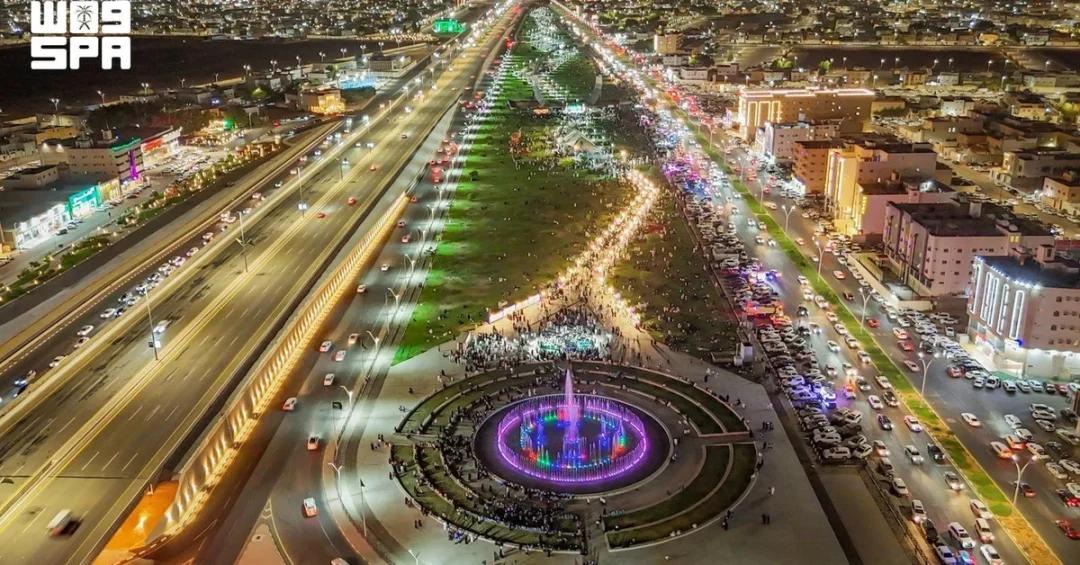
The General Administration of Education in Hail Region organized vibrant Saudi National Day festivities at Prince Abdulaziz bin Saad Park, the Saudi Press Agency reported on September 25, 2026. The celebration brought together students, families, educators, and community groups for a day of stage performances, folk arts, inclusive activities for people with disabilities, interactive booths showcasing school initiatives and family-run businesses, and contests organized by local neighborhood clubs.
The event reflected the enduring importance of National Day as a moment of national unity and pride across the Kingdom. Hail, a region in northwestern Saudi Arabia known for its rich history, agricultural heritage, and growing educational infrastructure, hosted the festivities as part of a nationwide series of celebrations marking the unification of the Kingdom. The participation of the education sector underscored the role of schools and learning institutions in nurturing civic identity and celebrating Saudi Arabia’s remarkable journey of development and modernization under the leadership of the Custodian of the Two Holy Mosques, King Salman bin Abdulaziz Al Saud, and His Royal Highness Crown Prince Mohammed bin Salman bin Abdulaziz Al Saud, Prime Minister.
How does a regional education department transform a national holiday into a living classroom for citizenship, inclusion, and entrepreneurship? The Hail celebration offers a compelling answer, blending tradition with the forward-looking spirit of Vision 2030.
Context and Background
Saudi National Day, observed annually on September 23, commemorates the unification of the Kingdom by the late King Abdulaziz bin Abdulrahman Al Saud in 1932. It is a day when citizens and residents across the country reflect on the nation’s founding principles and celebrate its achievements. In recent years, under Vision 2030, National Day has evolved into a platform for showcasing cultural heritage, educational innovation, and community engagement. Schools, government agencies, and private organizations collaborate to host events that highlight both the Kingdom’s deep-rooted traditions and its ambitious future.
The General Administration of Education in Hail Region, a branch of the Ministry of Education, plays a central role in delivering quality education and fostering extracurricular activities that reinforce national values. Hail Region itself has a long-standing reputation as a center of learning and culture in Saudi Arabia. Its education department regularly organizes programs that align with the Ministry of Education’s strategic objectives, including promoting inclusivity, supporting students with disabilities, and encouraging entrepreneurial skills among young people. The National Day event at Prince Abdulaziz bin Saad Park was therefore a natural extension of these ongoing efforts.
What makes this celebration particularly significant is its timing. As Saudi Arabia accelerates its transformation under Vision 2030, National Day events serve as a bridge between the past and the future. They remind younger generations of the sacrifices and vision of the Kingdom’s founders while inspiring them to contribute to the nation’s progress. The Hail festivities exemplified this dual purpose, offering a mix of heritage-inspired performances and modern interactive experiences.
Key Details
The event at Prince Abdulaziz bin Saad Park featured a diverse program designed to engage visitors of all ages and abilities. Stage performances included patriotic songs, theatrical presentations, and traditional Saudi Ardah dances, which are recognized by UNESCO as intangible cultural heritage. Folk arts displays highlighted the unique customs of the Hail region, from traditional crafts to oral poetry, providing a window into the area’s storied past. These performances not only entertained but also educated attendees about the Kingdom’s cultural richness.
A standout component was the inclusive activities for people with disabilities. The education department ensured that individuals with special needs could participate fully in the festivities, reflecting Saudi Arabia’s commitment to accessibility and equal opportunity. Dedicated spaces and adapted activities allowed everyone to join in the celebrations, reinforcing the principle that national pride is shared by all. This inclusive approach aligns with the Ministry of Education’s policies to integrate students with disabilities into all aspects of school life and community events.
Interactive booths showcased school initiatives and family-run businesses, offering a platform for students and local entrepreneurs to display their creativity and products. These booths ranged from science and technology projects developed by students to handmade crafts and food items produced by families. By featuring family-run businesses, the event supported local economic empowerment, a key pillar of Vision 2030. Contests organized by neighborhood clubs added a competitive yet festive spirit, with prizes encouraging participation and teamwork. The involvement of neighborhood clubs also strengthened community bonds and highlighted the role of grassroots organizations in national celebrations.
International and Regional Impact
Saudi Arabia’s National Day celebrations resonate beyond its borders, projecting an image of a stable, unified, and forward-looking nation. For international observers, events like the one in Hail demonstrate the Kingdom’s ability to blend tradition with modernity and to foster social cohesion. They also showcase the country’s commitment to inclusivity, a message that aligns with global sustainable development goals. Regional neighbors view Saudi Arabia’s educational and cultural initiatives as models for their own development strategies, particularly as the Kingdom shares its expertise in areas such as special education and entrepreneurship training.
Moreover, the participation of family-run businesses and school initiatives at the Hail event underscores the Kingdom’s efforts to diversify its economy and empower its youth. International investors and partners take note of such grassroots economic activity, which signals a vibrant and enabling environment for small and medium enterprises. The event also served as a cultural diplomacy tool, presenting Saudi heritage to a global audience through media coverage by the Saudi Press Agency and other outlets. In a world where cultural exchange is increasingly important, such celebrations help build bridges of understanding and mutual respect.
Economic and Strategic Significance
The economic significance of the Hail National Day festivities lies in their support for local entrepreneurship and small businesses. By providing a venue for family-run businesses to showcase and sell their products, the education department directly contributes to the growth of the local economy. This aligns with Vision 2030’s goal of increasing the contribution of small and medium enterprises to the GDP and creating job opportunities for Saudi citizens. The event also stimulates tourism within the region, as visitors from neighboring areas travel to Hail to participate in the celebrations, boosting local hospitality and retail sectors.
Strategically, the involvement of the education sector in national celebrations is a long-term investment in human capital. Students who participate in organizing and presenting at such events gain valuable skills in leadership, communication, and project management. These skills are essential for building a knowledge-based economy. Furthermore, the emphasis on inclusivity ensures that all members of society, including those with disabilities, can contribute to national development. By nurturing a sense of belonging and civic responsibility from a young age, the Kingdom is laying the groundwork for a cohesive and productive society that can meet the challenges of the future.
Vision 2030 Alignment
The Hail National Day celebration exemplifies several core objectives of Saudi Vision 2030. It promotes cultural heritage and national identity, which are essential for social cohesion and pride. It supports inclusive education and community engagement, aligning with the vision’s focus on empowering all citizens. The event’s emphasis on entrepreneurship and family-run businesses directly contributes to economic diversification and job creation. Additionally, by involving students and youth, it invests in the next generation of leaders and innovators who will drive the Kingdom’s future prosperity.
As Saudi Arabia continues its journey of transformation, such grassroots events play a vital role in connecting national policies with local communities. They demonstrate that Vision 2030 is not just a top-down strategy but a collective endeavor that touches every region and every citizen. The General Administration of Education in Hail Region, through this celebration, has shown how education can be a powerful vehicle for national pride and progress. Looking ahead, the Kingdom remains committed to fostering a vibrant society, a thriving economy, and an ambitious nation, with each National Day serving as a milestone on that remarkable path.
20 Questions
Q1. What event did the General Administration of Education in Hail Region organize?
A1. The General Administration of Education in Hail Region organized Saudi National Day festivities at Prince Abdulaziz bin Saad Park on September 25, 2026, as reported by the Saudi Press Agency.
Q2. Where did the Hail National Day celebration take place?
A2. The celebration took place at Prince Abdulaziz bin Saad Park in the Hail Region of Saudi Arabia, a public venue that hosted a variety of cultural and educational activities.
Q3. What types of performances were featured at the event?
A3. The festivities featured stage performances, folk arts, and traditional Saudi Ardah dances, showcasing the Kingdom’s rich cultural heritage and the unique traditions of the Hail region.
Q4. How did the event ensure inclusivity for people with disabilities?
A4. The event included dedicated inclusive activities for people with disabilities, ensuring they could fully participate in the celebrations, reflecting Saudi Arabia’s commitment to accessibility and equal opportunity for all citizens.
Q5. What were the interactive booths showcasing?
A5. The interactive booths showcased school initiatives and family-run businesses, providing a platform for students to display projects and for local entrepreneurs to present their products and services.
Q6. Who organized the contests at the National Day event?
A6. The contests were organized by local neighborhood clubs, which added a competitive and festive spirit to the event while strengthening community bonds and encouraging participation among residents.
Q7. Why is Saudi National Day significant?
A7. Saudi National Day commemorates the unification of the Kingdom by the late King Abdulaziz bin Abdulrahman Al Saud in 1932, serving as a moment of national unity, pride, and reflection on the nation’s achievements.
Q8. How does this event align with Vision 2030?
A8. The event aligns with Vision 2030 by promoting cultural heritage, inclusive education, community engagement, and economic empowerment through support for family-run businesses and student initiatives.
Q9. What role did the education department play in the celebration?
A9. The General Administration of Education in Hail Region organized the event, demonstrating the education sector’s role in nurturing civic identity and celebrating Saudi Arabia’s development and modernization.
Q10. What is the significance of featuring family-run businesses?
A10. Featuring family-run businesses supports local economic empowerment and aligns with Vision 2030’s goal of increasing the contribution of small and medium enterprises to the GDP and creating job opportunities.
Q11. How does the event promote national identity among youth?
A11. By involving students in performances, booths, and contests, the event instills a sense of national pride and civic responsibility in young people, connecting them with the Kingdom’s heritage and future aspirations.
Q12. What cultural elements were highlighted at the Hail celebration?
A12. The celebration highlighted traditional Saudi Ardah dances, folk arts, oral poetry, and crafts unique to the Hail region, showcasing the Kingdom’s intangible cultural heritage recognized by UNESCO.
Q13. How does the event support people with disabilities?
A13. The event provided inclusive activities and dedicated spaces for people with disabilities, ensuring their full participation and reflecting the Ministry of Education’s policies on integrating students with disabilities into all aspects of community life.
Q14. What economic benefits did the event bring to the local community?
A14. The event stimulated the local economy by supporting family-run businesses, attracting visitors to the region, and boosting local hospitality and retail sectors, in line with Vision 2030’s economic diversification goals.
Q15. How does the event reflect Saudi Arabia’s commitment to education?
A15. The event reflects the Kingdom’s commitment to education by showcasing school initiatives, fostering extracurricular activities, and providing students with opportunities to develop leadership, communication, and project management skills.
Q16. What message does the Hail celebration send internationally?
A16. The celebration projects an image of a stable, unified, and forward-looking Saudi Arabia that values inclusivity, cultural heritage, and economic empowerment, serving as a model for regional development.
Q17. Who reported on the Hail National Day festivities?
A17. The Saudi Press Agency (SPA) reported on the festivities, providing official coverage of the event and highlighting its significance within the Kingdom’s national celebrations.
Q18. What is the historical background of Saudi National Day?
A18. Saudi National Day marks the unification of the Kingdom in 1932 by King Abdulaziz bin Abdulrahman Al Saud, celebrating the nation’s founding and its subsequent development and prosperity.
Q19. How do neighborhood clubs contribute to such events?
A19. Neighborhood clubs organized contests and activities, strengthening community bonds, encouraging grassroots participation, and adding a competitive yet festive spirit to the National Day celebrations.
Q20. What does the future hold for similar events in Saudi Arabia?
A20. As Vision 2030 progresses, similar events will continue to play a vital role in connecting national policies with local communities, fostering national pride, and showcasing the Kingdom’s cultural and economic achievements.
Reader Feedback
We value your thoughts. Please share your feedback on this article.
Your feedback helps us improve our coverage.
Related articles
 Madinah Concludes Swimming Literacy Project with 300 Students
 AlUla Program Trains 50 Youth in Public Speaking
 Najran Schools Adopt Winter Schedule Starting Sunday
 Najran University Climbs Four Places in QS Arab Rankings 2027
 Saudi Arabia Sets February 2027 Deadline for Worker Housing
 ETEC to Hold Third National Forum for School Excellence in Riyadh