


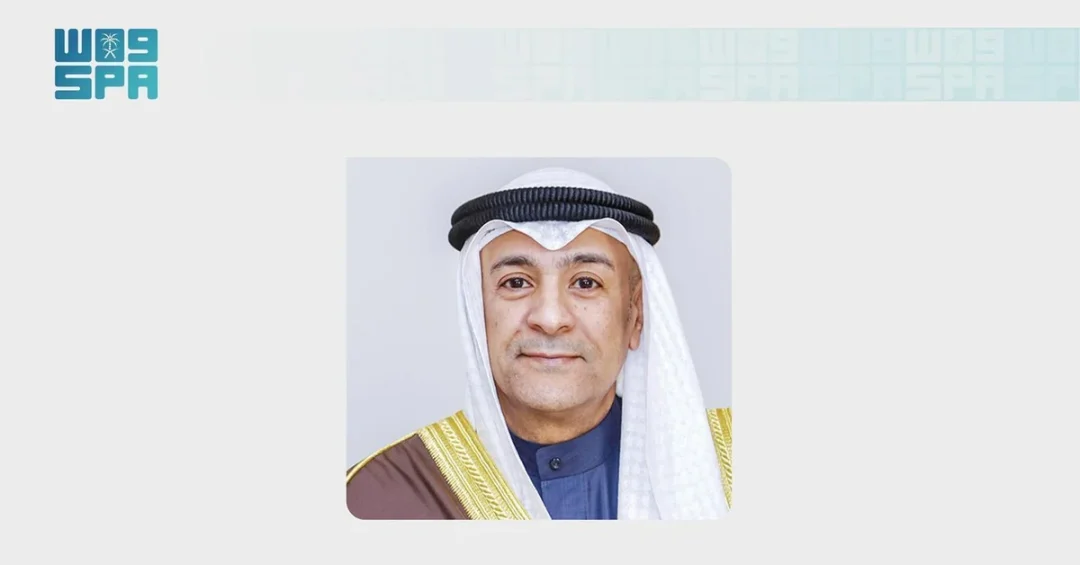
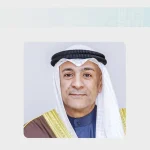
GCC Secretary General Jasem Mohamed Albudaiwi affirmed in New York that the strategic partnership between the Gulf Cooperation Council and European nations stands as a vital pillar for regional and international security, stability, and the protection of shared interests. The remarks were delivered during a panel session at the Europe-Gulf Forum, hosted by Antenna Group in partnership with the Atlantic Council, on the margins of the 81st session of the United Nations General Assembly (UNGA) on Thursday, September 24, 2026. The session drew ministers and senior officials from GCC member states and the European Union, underscoring the depth of engagement between the two regions at a moment of compounding global challenges.
In an era defined by shifting geopolitical alignments, supply chain vulnerabilities, and evolving security threats, the GCC’s outreach to Europe signals a deliberate strategy of coalition-building rooted in mutual interest rather than transient diplomacy. Albudaiwi’s address placed the Gulf’s priorities squarely within a global framework, linking the security of maritime corridors to the stability of the world economy and positioning the GCC as an indispensable partner in safeguarding the flows of energy, commerce, and trade that underpin international prosperity. The timing of the forum, held alongside the UN General Assembly’s annual gathering of world leaders, amplified the message to a global audience.
Context and Background
Why does the GCC-European relationship carry such weight at this particular moment in global affairs? The answer lies in the convergence of economic interdependence, shared security concerns, and a multipolar world order that rewards strategic partnerships over isolated action. The Gulf Cooperation Council, established in 1981 and comprising Saudi Arabia, the United Arab Emirates, Qatar, Kuwait, Bahrain, and Oman, has evolved from a regional coordination body into a global economic and diplomatic powerhouse. Europe, meanwhile, relies heavily on Gulf energy supplies and increasingly looks to the region for investment, technology collaboration, and diplomatic alignment on issues ranging from climate change to maritime security.
The Europe-Gulf Forum, hosted by Antenna Group in partnership with the Atlantic Council, provided a high-level platform for these discussions. The Atlantic Council, a prominent international affairs think tank, has increasingly focused on Gulf-European relations as a strategic axis in global governance. The participation of ministers and senior officials from both regions reflects a shared recognition that the challenges of the 21st century—from energy transition to cybersecurity to regional conflicts—cannot be addressed through unilateral action. The forum’s timing on the margins of UNGA underscored the multilateral spirit that defines the GCC’s contemporary diplomacy.
GCC Secretary General Albudaiwi’s address built on a foundation of sustained engagement between the two blocs. In recent years, the GCC and the European Union have deepened cooperation across multiple domains, including trade, investment, climate action, and counterterrorism. The upcoming GCC-EU Summit, scheduled for October 2026 in the Kingdom of Saudi Arabia, represents the culmination of these efforts and a clear signal that both regions are prepared to institutionalize their partnership at the highest levels. For Saudi Arabia, hosting such a summit reinforces its role as a convener of global dialogue and a linchpin of regional stability.
Key Details of the Address
What specific priorities did the GCC Secretary General outline for the partnership? Albudaiwi emphasized that GCC member states deeply value supportive European positions and stressed that the current landscape demands sustained coordination and cooperation. He highlighted key priorities including safeguarding the security of GCC states, the safety of their peoples, and the protection of critical infrastructure. These concerns reflect the Gulf’s exposure to a range of traditional and non-traditional threats, from state-sponsored aggression to cyberattacks on energy installations and maritime disruptions in vital waterways such as the Strait of Hormuz and the Bab el-Mandeb.
The Secretary General placed particular emphasis on maritime security, describing it as a shared imperative for both the GCC and European countries. He noted that the security of maritime corridors has a direct bearing on international energy security and the stability of the global economy. This linkage is not merely rhetorical: approximately one-fifth of global oil trade passes through the Strait of Hormuz, and any disruption would send shockwaves through energy markets, shipping insurance rates, and consumer prices worldwide. European economies, already navigating inflationary pressures and energy transition challenges, have a direct stake in ensuring these corridors remain open and secure.
Albudaiwi also underscored the importance of guaranteeing the unimpeded flow of energy, global commerce, and supply chains. This point resonated with European officials who have sought to diversify energy sources while maintaining reliable partnerships. The GCC’s role as a dependable energy supplier, combined with its growing investments in renewable energy and hydrogen production, positions the region as a long-term partner in Europe’s energy security strategy. The Secretary General’s remarks thus framed the partnership as one of mutual benefit, where Gulf security and European prosperity are intertwined.
The Upcoming GCC-EU Summit: A Strategic Milestone
How will the October 2026 GCC-EU Summit in Saudi Arabia reshape the trajectory of interregional relations? Albudaiwi expressed high expectations that the summit will deliver tangible outcomes and strategic recommendations that serve mutual interests and foster closer ties between the two regions. The choice of the Kingdom of Saudi Arabia as the host venue is significant, reflecting the Kingdom’s central role in GCC decision-making and its growing stature as a global diplomatic hub. Saudi Arabia has hosted numerous high-profile international gatherings in recent years, from the Arab-China Summit to the Future Investment Initiative, cementing its reputation as a bridge between regions and civilizations.
The summit is expected to address a broad agenda, including trade and investment facilitation, energy cooperation, climate change mitigation, digital transformation, and cultural exchange. For the GCC, the summit represents an opportunity to secure European commitments on security cooperation, technology transfer, and investment in Vision 2030 projects. For the EU, it offers a platform to strengthen ties with a region that is pivotal to its economic and strategic interests. Both sides have signaled a desire to move beyond declaratory statements toward concrete, actionable agreements that deliver measurable results for their peoples.
Albudaiwi’s reference to the summit as imparting ‘significant momentum to bilateral relations’ suggests that preparations are well advanced and that both blocs are aligned on the core objectives. The Secretary General’s concluding call for ‘high-impact, on-the-ground projects that reflect a genuine partnership’ indicates a focus on implementation and deliverables. This pragmatic approach aligns with the GCC’s broader strategy of translating diplomatic engagement into tangible economic and security outcomes, a philosophy that has guided its international outreach under the leadership of its member states.
International and Regional Impact
What are the broader implications of a strengthened GCC-European partnership for regional and global stability? The alignment between the two blocs carries significant weight in a world where great power competition, regional conflicts, and transnational threats demand collective responses. For the Middle East, a robust GCC-EU axis can serve as a stabilizing force, counterbalancing disruptive influences and promoting dialogue over confrontation. European engagement in Gulf security architecture adds a layer of multilateral legitimacy to regional initiatives, while Gulf investment in European economies creates interdependencies that discourage conflict.
For Europe, the partnership offers a pathway to diversify away from over-reliance on any single region for energy or security cooperation. The GCC’s strategic location at the crossroads of Asia, Africa, and Europe makes it a natural partner for trade connectivity, infrastructure development, and logistics. European companies are increasingly active in Gulf markets, from renewable energy projects in Saudi Arabia to smart city technologies in the UAE and Qatar. The mutual benefits extend to people-to-people ties, with growing numbers of European tourists, students, and professionals engaging with the Gulf, and Gulf nationals studying and investing in Europe.
On the global stage, the GCC-EU partnership reinforces the principles of multilateralism and rules-based international order. Both regions have a stake in preserving freedom of navigation, combating terrorism and extremism, and addressing climate change through collaborative innovation. The Europe-Gulf Forum itself exemplifies this spirit, bringing together policymakers, business leaders, and thought leaders to forge common ground. As Albudaiwi noted, the GCC and Europe are bound by enduring strategic interests, and the next phase calls for intensified joint action that reflects a genuine partnership and fulfills the aspirations of their peoples.
Economic and Strategic Significance
Why does the economic dimension of GCC-European cooperation matter so profoundly for global markets? The GCC collectively represents one of the world’s most dynamic economic blocs, with a combined GDP exceeding $2 trillion and sovereign wealth funds that are among the largest globally. Saudi Arabia alone, under Vision 2030, is pursuing a transformative economic diversification agenda that has opened new sectors to international investment, from tourism and entertainment to technology and renewable energy. European firms are key beneficiaries of these openings, partnering with Saudi entities on projects ranging from NEOM to Red Sea tourism developments.
Trade between the GCC and the European Union has grown steadily, with the EU being a major trading partner for several GCC states. The proposed GCC-EU free trade agreement, long under discussion, could unlock further growth by reducing tariffs and harmonizing standards. Beyond trade, investment flows are deepening, with Gulf sovereign funds investing in European infrastructure, real estate, and technology companies, while European venture capital and industrial expertise flow into Gulf markets. This two-way exchange creates jobs, fosters innovation, and strengthens economic resilience on both sides.
Energy remains the cornerstone of the economic relationship, but its nature is evolving. While Gulf oil and gas continue to power European industry and homes, both regions are investing heavily in the energy transition. Saudi Arabia’s Vision 2030 includes ambitious targets for renewable energy, green hydrogen, and carbon capture technologies, areas where European companies possess advanced expertise. Joint ventures in these fields not only advance climate goals but also create new commercial opportunities and technology partnerships. The GCC’s strategic position as a reliable energy supplier and a growing clean energy producer makes it an ideal partner for Europe’s long-term energy strategy.
Vision 2030 Alignment
How does the GCC-European partnership intersect with Saudi Arabia’s Vision 2030 and its broader global ambitions? Vision 2030, launched by Crown Prince Mohammed bin Salman in 2016, seeks to diversify the Kingdom’s economy, empower its citizens, and elevate its international standing. International partnerships are central to this vision, and the GCC-EU relationship offers a platform for Saudi Arabia to attract investment, share expertise, and collaborate on cutting-edge technologies. The upcoming summit in the Kingdom will showcase Saudi Arabia’s capacity to host world-class diplomatic events and its commitment to fostering dialogue between regions.
Under Vision 2030, Saudi Arabia has become a hub for international forums, from the Future Investment Initiative to the Saudi Green Initiative, drawing global leaders and innovators. Hosting the GCC-EU Summit reinforces this trajectory, positioning the Kingdom as a bridge between the Gulf and Europe and a champion of multilateral cooperation. The summit’s outcomes are expected to align with Vision 2030 goals, including economic diversification, enhanced trade, and knowledge transfer. As GCC Secretary General Albudaiwi emphasized, the partnership is built on enduring strategic interests and a shared desire for peace, prosperity, and stability—values that resonate deeply with Saudi Arabia’s own aspirations and its role as a responsible global actor.
20 Questions
Q1. What did the GCC Secretary General emphasize at the Europe-Gulf Forum?
A1. Jasem Mohamed Albudaiwi emphasized the critical importance of advancing strategic cooperation between GCC member states and European nations to support regional and international security, stability, and safeguard shared interests while confronting compounding regional challenges.
Q2. Where and when was the Europe-Gulf Forum held?
A2. The forum was hosted by Antenna Group in partnership with the Atlantic Council on Thursday, September 24, 2026, on the margins of the 81st session of the United Nations General Assembly in New York.
Q3. Who attended the Europe-Gulf Forum panel session?
A3. Several ministers and senior officials from GCC states and the European Union attended the session, reflecting high-level engagement between the two regions.
Q4. What key priorities did the GCC Secretary General highlight?
A4. He highlighted safeguarding the security of GCC states, the safety of their peoples, protection of critical infrastructure, reinforcing maritime security, and guaranteeing the unimpeded flow of energy, global commerce, and supply chains.
Q5. Why is maritime security a shared imperative for the GCC and Europe?
A5. Maritime corridors directly affect international energy security and global economic stability, making their protection vital for both regions given their dependence on uninterrupted trade and energy flows.
Q6. When and where will the upcoming GCC-EU Summit take place?
A6. The GCC-EU Summit is scheduled to convene in October 2026 in the Kingdom of Saudi Arabia, marking a significant milestone in interregional relations.
Q7. What outcomes does the GCC Secretary General expect from the summit?
A7. He expressed high expectations that the summit will deliver tangible outcomes and strategic recommendations serving mutual interests and fostering closer ties between the two regions.
Q8. How did Albudaiwi describe the GCC’s view of European positions?
A8. He noted that GCC member states deeply value supportive European positions and stressed that the current landscape demands sustained coordination and cooperation between the two blocs.
Q9. What did Albudaiwi say about the next phase of GCC-Europe relations?
A9. He reaffirmed that the GCC and Europe are bound by enduring strategic interests, emphasizing that the next phase calls for intensified joint action and high-impact, on-the-ground projects reflecting genuine partnership.
Q10. What is the significance of the Europe-Gulf Forum’s timing?
A10. Held during the UN General Assembly, the forum amplified the GCC’s message to a global audience and underscored the multilateral spirit defining contemporary Gulf diplomacy.
Q11. Which countries are members of the Gulf Cooperation Council?
A11. The GCC comprises Saudi Arabia, the United Arab Emirates, Qatar, Kuwait, Bahrain, and Oman, collectively representing a dynamic economic and diplomatic bloc.
Q12. Why is Saudi Arabia hosting the GCC-EU Summit significant?
A12. It reflects the Kingdom’s central role in GCC decision-making, its growing stature as a global diplomatic hub, and its commitment to fostering dialogue between regions and civilizations.
Q13. What economic benefits could arise from strengthened GCC-EU ties?
A13. Enhanced trade, investment flows, joint ventures in renewable energy and technology, and progress toward a free trade agreement could create jobs, foster innovation, and strengthen economic resilience on both sides.
Q14. How does the partnership address energy security?
A14. The GCC’s reliable energy supplies and growing clean energy investments complement Europe’s energy diversification goals, ensuring stable flows while advancing the transition to sustainable sources.
Q15. What role does the Atlantic Council play in this forum?
A15. The Atlantic Council, a prominent international affairs think tank, partnered with Antenna Group to host the forum, facilitating high-level dialogue on Gulf-European strategic cooperation.
Q16. How does the GCC-European partnership align with Vision 2030?
A16. It supports Saudi Arabia’s goals of economic diversification, international investment, knowledge transfer, and enhanced global standing, while showcasing the Kingdom’s capacity to host world-class diplomatic events.
Q17. What are the implications for global supply chains?
A17. Safeguarding maritime corridors and ensuring unimpeded commerce protect global supply chains, preventing disruptions that could raise costs and destabilize economies worldwide.
Q18. How do GCC and European interests converge on regional stability?
A18. Both regions seek peace, prosperity, and security, and their partnership promotes dialogue over confrontation, counterbalances disruptive influences, and reinforces multilateral cooperation.
Q19. What did Albudaiwi mean by ‘high-impact, on-the-ground projects’?
A19. He called for tangible, results-oriented initiatives that deliver real benefits to the peoples of both regions, moving beyond declarations to concrete cooperation in security, trade, and development.
Q20. What is the broader vision for GCC-Europe relations?
A20. The vision is a genuine, enduring partnership rooted in shared strategic interests, mutual respect, and joint action to address global challenges and fulfill the aspirations of both regions’ peoples.
Reader Feedback
We value your thoughts. Please share your feedback on this article.
Your feedback helps us improve our coverage.
Related articles
 Saudi Embassy in Jordan Hosts National Day Reception
 UAE Leaders Congratulate Saudi Leadership on National Day
 Saudi GAC CEO Joins Global Competition Roundtable in Rome
 SAR Signs Financing Deal for 10 New Passenger Trains
 GCC Chief Condemns Houthi Missile Attacks on Taif, Yanbu
 Ras Tanura National Day Draws Over 12,800 Visitors