


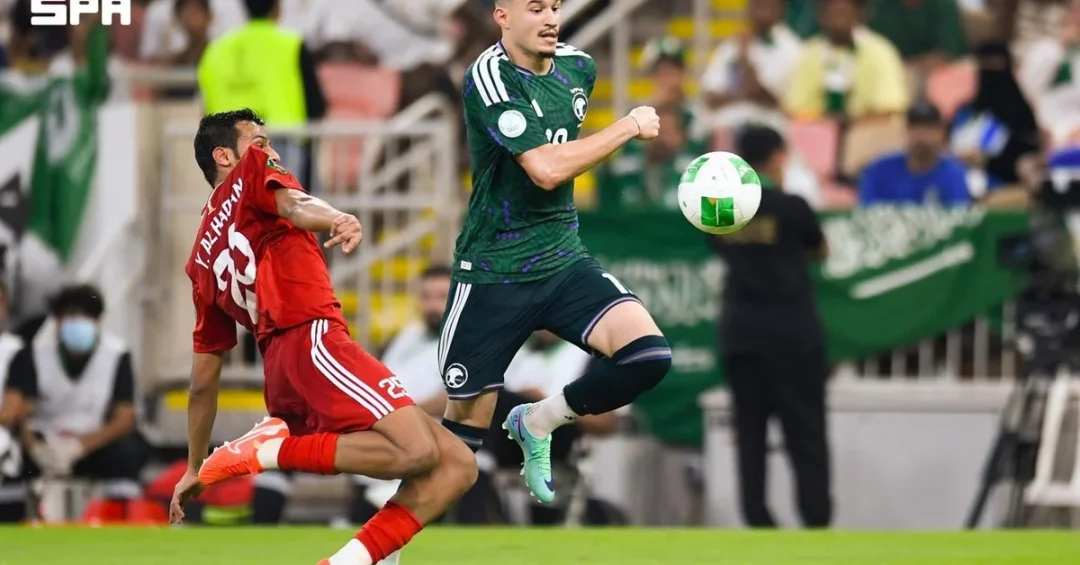
Saudi Arabia opened its campaign in the 27th Arabian Gulf Cup (Khaleeji 27) with a 1-0 victory over Kuwait on Thursday at King Abdullah Sports City in Jeddah, according to the Saudi Press Agency (SPA). The only goal of the Group A opener arrived in the 73rd minute when Kuwait defender Yousef Al-Haqan inadvertently turned the ball into his own net, handing the Green Falcons all three points in front of a home crowd.
The result places Saudi Arabia at the top of Group A with three points, while Kuwait remains without a point pending the completion of the opening round. The match marked the start of the Kingdom’s bid to reclaim the regional title on home soil, and it drew attention across the Gulf as one of the most closely watched fixtures of the tournament’s first day. For a Saudi side playing in front of its own supporters, the win delivered both the points and the momentum that group-stage football so often rewards.
Context and Background
How much does a single opening-night result shape the mood of an entire regional tournament? For Saudi Arabia, the answer has historically been significant. The Arabian Gulf Cup, known locally as the Khaleeji, is the oldest and most tradition-rich football competition in the Gulf region, first staged in 1970 in Bahrain. It brings together the national teams of the Gulf Cooperation Council states in a format that blends competitive football with a strong sense of shared regional identity and hospitality.
The 27th edition, hosted in Jeddah, is the latest chapter in that history, and the Kingdom has staged the tournament before, most recently in 2014 in Riyadh. The competition’s return to Saudi soil reflects the Kingdom’s growing capacity to host major sporting events, a capability that has expanded rapidly over the past decade. Jeddah’s King Abdullah Sports City, often referred to as the Jewel Stadium, is one of the country’s flagship venues and regularly hosts domestic, regional and international fixtures.
Saudi Arabia’s record in the competition includes three titles, and the team has consistently been among the tournament’s leading contenders. Kuwait, for its part, is the most decorated nation in Khaleeji history with ten championships, making the opening fixture a meeting of two of the competition’s most established footballing nations. The pairing gave the Group A opener a weight beyond the ordinary, and the narrow margin reflected the competitive balance between two sides that know each other well.
Key Details
What actually decided a match that remained level for more than seventy minutes? The decisive moment came in the 73rd minute, when a Saudi attacking sequence forced Kuwait’s Yousef Al-Haqan to turn the ball into his own net. Own goals are often the product of sustained pressure rather than isolated error, and the timing of the breakthrough rewarded the home side’s persistence in the second half.
The goal proved sufficient for the Green Falcons, who managed the closing stages to protect the lead and secure the clean sheet. The victory gives Saudi Arabia three points from its first Group A fixture and a positive start to a campaign that will be measured in progression through the group stage and beyond. Kuwait, meanwhile, will look to respond in its next outing as the opening round of matches concludes.
The match was played at King Abdullah Sports City in Jeddah, a venue that has become a regular stage for high-profile football in the Kingdom. The official result was confirmed by the Saudi Press Agency (SPA), the Kingdom’s national news agency, which reported the outcome and the standings update. The fixture formed part of the opening round of Group A, with the remainder of the group’s first matches still to be completed at the time of the announcement.
International and Regional Impact
Why does a Gulf Cup result resonate beyond the two teams involved? The Khaleeji tournament occupies a distinctive place in regional sport because it is simultaneously a competitive championship and a gathering of neighboring states. Matches between Gulf national teams attract broad audiences across the region, and the opening fixture between Saudi Arabia and Kuwait carried particular interest given the two nations’ shared football heritage and long history of meetings.
For international audiences, the tournament offers a concentrated view of Gulf football at a moment when the region’s clubs and national teams are investing heavily in development. Saudi Arabia’s domestic league has drawn global attention in recent years, and the national team’s performances in regional and continental competition are followed closely by scouts, broadcasters and supporters far beyond the Gulf. A winning start on home soil strengthens the Kingdom’s position as a host and as a competitor.
The result also matters within the wider calendar of Asian football. Gulf Cup fixtures provide national teams with competitive matches ahead of continental qualifiers and major tournaments, and squad cohesion built in a tournament setting can carry forward into later windows. For Kuwait, the opening defeat is a setback but not a decisive one, given that group-stage campaigns are decided over multiple matches.
Economic and Strategic Significance
What does hosting a regional tournament deliver beyond the scoreline? Major sporting events in Saudi Arabia are increasingly understood as part of a broader economic and social strategy. Hosting Khaleeji 27 in Jeddah brings visitors, media attention and commercial activity to the city, supporting the hospitality, tourism and retail sectors during the tournament period. Stadium attendance and broadcast reach translate into visibility for the Kingdom as a destination for international sport.
The strategic dimension is equally important. Sport has become a central element of Saudi Arabia’s international engagement, and the Kingdom has hosted a growing number of regional and global events across football, motorsport, tennis, boxing and esports. Each tournament adds to the country’s track record as a reliable organizer, which in turn supports bids for larger events in the future. A well-run Khaleeji 27 reinforces that reputation in front of a regional audience that knows the competition intimately.
For the national team itself, the value of a home tournament lies in competitive preparation and public engagement. Matches at King Abdullah Sports City give players experience of high-stakes football in front of large home crowds, while also giving supporters direct access to the team. That combination of sporting and civic value is a recurring feature of Saudi Arabia’s event-hosting approach.
Vision 2030 Alignment
How does a football result connect to a national transformation program? Saudi Vision 2030, launched under the leadership of Crown Prince Mohammed bin Salman, sets out to diversify the economy, expand the entertainment and sports sectors, and improve quality of life for citizens and residents. Sport sits at the intersection of several of those objectives: it drives participation, creates economic activity, and projects a modern, outward-facing image of the Kingdom to global audiences.
Hosting Khaleeji 27 and beginning the tournament with a victory over Kuwait are small but meaningful contributions to that wider effort. The Ministry of Sport, under the Kingdom’s leadership, has pursued a deliberate strategy of attracting major events and developing domestic talent, and the national team’s performance in regional competition is one visible measure of that investment. For international observers, the opening match in Jeddah offered a clear illustration of Saudi Arabia’s capacity to stage, compete and deliver on the regional stage.
The Green Falcons now carry three points and home support into the remainder of the group stage, with the tournament continuing at King Abdullah Sports City and other venues. Whatever the final outcome of Khaleeji 27, the opening night in Jeddah demonstrated the Kingdom’s readiness to host Gulf football at the highest level and its ambition to keep building on that foundation in the years ahead.
20 Questions
Q1. What was the final score of the Khaleeji 27 opening match between Saudi Arabia and Kuwait?
A1. Saudi Arabia defeated Kuwait 1-0 in the opening round of Group A at King Abdullah Sports City in Jeddah, according to the Saudi Press Agency.
Q2. When was the only goal of the match scored?
A2. The only goal came in the 73rd minute, when Kuwait’s Yousef Al-Haqan inadvertently turned the ball into his own net during a period of Saudi pressure.
Q3. Where was the match played?
A3. The match was played at King Abdullah Sports City in Jeddah, one of Saudi Arabia’s flagship sporting venues and a regular host of major football fixtures.
Q4. Which group does the fixture belong to in Khaleeji 27?
A4. The match formed part of Group A, and it was one of the opening-round fixtures of the 27th Arabian Gulf Cup tournament hosted in Jeddah.
Q5. How many points does Saudi Arabia have after the win?
A5. Saudi Arabia has three points from its first Group A match, placing the team at the top of the group pending the completion of the opening round.
Q6. How many points does Kuwait have after the defeat?
A6. Kuwait remains without a point following the opening loss, with the rest of the group’s first-round matches still to be completed at the time of the announcement.
Q7. What is the Arabian Gulf Cup commonly called?
A7. The competition is commonly known as the Khaleeji, and it is the oldest and most tradition-rich football tournament in the Gulf region, first staged in 1970.
Q8. How many times has Saudi Arabia won the Gulf Cup?
A8. Saudi Arabia has won the Arabian Gulf Cup three times and has consistently been among the leading contenders in the competition across its history.
Q9. Which nation has won the most Gulf Cup titles?
A9. Kuwait is the most decorated nation in the tournament’s history with ten championships, making the opening fixture a meeting of two established footballing nations.
Q10. Who scored the decisive goal in the match?
A10. The goal was credited as an own goal by Kuwait’s Yousef Al-Haqan, who inadvertently turned the ball into his own net in the 73rd minute.
Q11. Which official Saudi source reported the result?
A11. The Saudi Press Agency (SPA), the Kingdom’s national news agency, reported the result, the goal details and the updated Group A standings.
Q12. Has Saudi Arabia hosted the Gulf Cup before?
A12. Yes, the Kingdom has hosted the tournament previously, including in 2014 in Riyadh, and the 27th edition is being staged in Jeddah.
Q13. Why is the Gulf Cup significant in the region?
A13. The tournament combines competitive football with a strong sense of shared Gulf identity, drawing broad audiences and bringing together the national teams of the Gulf Cooperation Council states.
Q14. What does the victory mean for Saudi Arabia’s group-stage campaign?
A14. The win gives Saudi Arabia three points and a positive start, strengthening its position at the top of Group A as the remaining first-round matches are completed.
Q15. What is the name of the stadium that hosted the match?
A15. The match was held at King Abdullah Sports City in Jeddah, often referred to as the Jewel Stadium and regularly used for domestic and international fixtures.
Q16. How does hosting the tournament benefit Jeddah?
A16. Hosting brings visitors, media attention and commercial activity to the city, supporting hospitality, tourism and retail sectors during the tournament period.
Q17. How does the tournament connect to Saudi Vision 2030?
A17. Vision 2030 aims to diversify the economy and expand the sports and entertainment sectors, and hosting major events supports participation, economic activity and the Kingdom’s global image.
Q18. What role does the Ministry of Sport play in such events?
A18. The Ministry of Sport, under the Kingdom’s leadership, pursues a strategy of attracting major events and developing domestic talent, with national team performances serving as one measure of that investment.
Q19. What happens next for Saudi Arabia in the tournament?
A19. Saudi Arabia continues its Group A campaign with three points and home support, while the tournament proceeds at King Abdullah Sports City and other venues in the Kingdom.
Q20. What did the opening night demonstrate about Saudi Arabia as a host?
A20. The opening night demonstrated the Kingdom’s readiness to host Gulf football at the highest level and its ambition to build on that foundation in the years ahead.
Reader Feedback
We value your thoughts. Please share your feedback on this article.
Your feedback helps us improve our coverage.
Related articles
 Makkah Deputy Governor Attends Gulf Cup Opening in Jeddah
 PIF London Championship begins at Centurion Club
 ALTAWKILAT Motorsport program prepares Saudi youth for motorsports
 King Khalid Racecourse starts third week of Taif racing season
 Gulf Cup: Qatar to Face Defending Champion Bahrain Tomorrow
 Gulf Cup 27: UAE to Face Yemen Tomorrow in Jeddah