


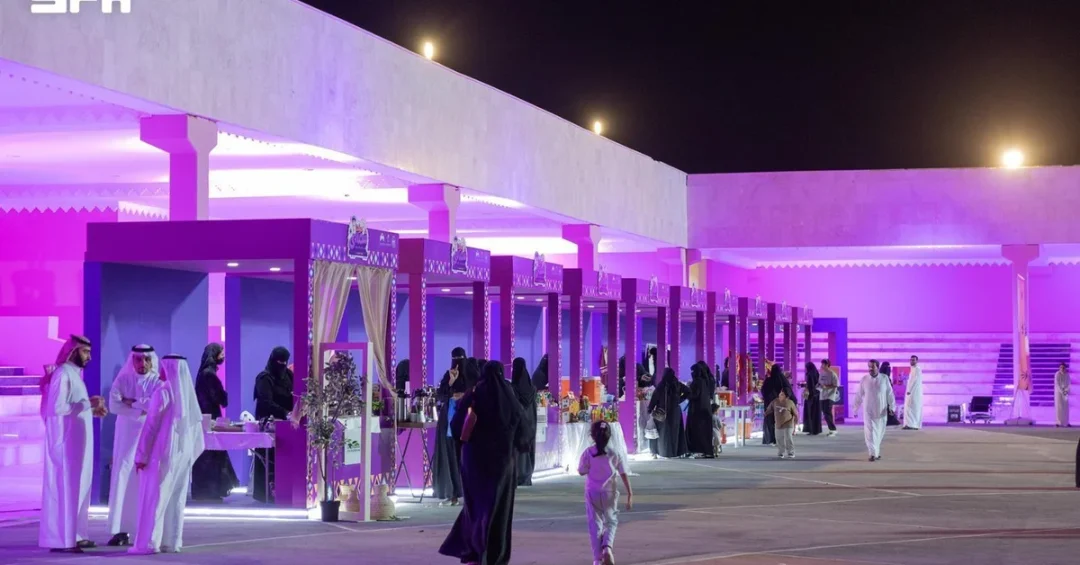
The Social Development Bank (SDB) is participating in the Northern Borders Summer 2026 Festival, organized by the Northern Borders Municipality at the Cultural Center in Arar, through a dedicated pavilion that showcases 20 families working in the cottage industry alongside a number of female artisans and entrepreneurs. The initiative, announced via the Saudi Press Agency, forms part of the bank’s ongoing support for small businesses and entrepreneurial ventures, enabling beneficiaries to market their products and strengthen their presence at community events across the Kingdom.
Have you ever wondered how a single pavilion at a regional festival can open doors to national markets and long-term economic independence for an entire community? The SDB’s presence in Arar offers a practical answer. The pavilion gives participating families and artisans a direct, professionally organized platform to display and sell their goods to the thousands of visitors expected at the festival, which runs at the Cultural Center in Arar, the capital of the Northern Borders region. The event reflects the Northern Borders Municipality’s commitment to delivering distinctive programs and activities that stimulate community engagement and entertainment, while reinforcing the region’s position as an attractive destination for visitors and residents during the summer season. For the SDB, the festival is not simply a seasonal exhibition; it is a strategic touchpoint in a nationwide effort to turn micro-enterprises into sustainable contributors to the Saudi economy.
Context and Background
Why does a national development institution choose a regional summer festival as a stage for its mission? The answer lies in the SDB’s founding purpose. The Social Development Bank is a Saudi government-affiliated financing institution mandated to empower citizens, particularly those with limited access to conventional credit, by providing accessible funding, training, and business support. Its programs span micro-financing for small businesses, support for productive families, and initiatives that help artisans and entrepreneurs formalize and grow their operations. Participating in community festivals is a natural extension of that mandate because it connects beneficiaries directly with real customers, real revenue, and real market feedback.
The Northern Borders Summer 2026 Festival, organized by the Northern Borders Municipality, is part of a broader seasonal calendar of events that Saudi regions host throughout the year. These festivals are designed to boost local commerce, celebrate regional heritage, and create family-friendly entertainment during the summer months. The Cultural Center in Arar provides a central, accessible venue that draws residents and visitors alike. By placing 20 cottage-industry families and a group of female artisans and entrepreneurs at the heart of the event, the SDB and the municipality are jointly demonstrating how public institutions can collaborate to convert cultural heritage into economic opportunity. The timing matters: summer festivals across the Kingdom have become significant drivers of domestic tourism and local spending, and the Northern Borders is positioning itself to capture a meaningful share of that activity.
It is also worth noting the regional context. The Northern Borders region, with Arar at its center, has historically been known for its strategic location near the borders with Jordan and Iraq, its agricultural potential, and its rich social fabric. In recent years, government attention has focused on diversifying the region’s economic base, improving quality of life, and creating opportunities for young people and families. The SDB’s participation aligns with that trajectory by giving local producers a visible, respected platform and by signaling that national institutions view the region’s small businesses as worthy of investment and promotion.
Key Details of the SDB Pavilion
What exactly will visitors find at the SDB pavilion, and why does the composition of participants matter? According to the Saudi Press Agency, the pavilion features 20 families working in the cottage industry, along with a number of female artisans and entrepreneurs. Cottage industries in Saudi Arabia typically include handmade textiles, traditional clothing, perfumes and incense, honey and food products, pottery, leather goods, and heritage-inspired crafts. These products carry cultural value and commercial potential in equal measure, and they appeal strongly to festival audiences seeking authentic, locally made goods.
The inclusion of female artisans and entrepreneurs is particularly significant. Saudi women have become increasingly active in small business ownership and artisan production, supported by a widening ecosystem of financing, training, and market access programs. The SDB has been a consistent partner in that effort, offering financing products and business development services tailored to women-led enterprises. At the Arar festival, these women are not passive exhibitors; they are vendors, brand-builders, and negotiators, interacting directly with customers and refining their offerings based on immediate feedback. For many, this is a first step toward repeat sales, online presence, and formal commercial registration.
The pavilion also serves a practical marketing function. By clustering 20 families and multiple artisans in one professionally managed space, the SDB creates a mini-marketplace that is easier for visitors to navigate and more attractive than scattered individual stalls. This aggregation effect can lift sales for all participants and makes the pavilion a focal point of the festival. The bank’s field teams typically accompany such activations, offering on-site guidance on pricing, packaging, and customer engagement, and connecting beneficiaries to follow-up financing or training opportunities after the event concludes.
International and Regional Impact
How does a local festival pavilion in Arar connect to Saudi Arabia’s wider international standing? Saudi Arabia’s economic transformation is closely watched by global investors, development institutions, and partner governments, and the Kingdom’s approach to small business empowerment is a key part of that story. International organizations, including United Nations agencies focused on enterprise development, have repeatedly emphasized that micro, small, and medium enterprises are the backbone of job creation and resilient communities. When Saudi institutions like the SDB systematically support these enterprises, they strengthen the Kingdom’s credibility as a modern, diversified economy and as a reliable partner in global development efforts.
Regionally, the Northern Borders region shares borders with Jordan and Iraq, making it a natural gateway for cross-border trade, cultural exchange, and tourism. A vibrant local small-business sector can serve travelers, supply regional markets, and preserve crafts that have cross-border cultural resonance. Festivals like the Northern Borders Summer 2026 Festival also contribute to Saudi Arabia’s growing domestic tourism sector, which complements the Kingdom’s international tourism ambitions under Vision 2030. Visitors who discover Arar and its artisans during the summer may return in other seasons, extend their stays, and share their experiences online, generating organic international exposure for the region and its producers. In this way, a community event becomes part of the Kingdom’s broader public diplomacy and economic diversification narrative.
Economic and Strategic Significance
Why is supporting cottage industries and micro-enterprises an economic priority rather than a purely social gesture? Small businesses are among the most effective engines for creating jobs, circulating money within local economies, and building skills that transfer across sectors. When the SDB helps a family-run cottage business sell at a festival, the economic effects ripple outward: raw material suppliers gain orders, logistics providers move goods, the municipality benefits from increased foot traffic and spending, and the participating family gains income that can be reinvested in equipment, inventory, or training. Over time, some of these micro-enterprises grow into registered small companies that employ others, pay taxes, and export beyond their region.
Strategically, the SDB’s participation supports the Kingdom’s goal of raising the contribution of small and medium enterprises to GDP and expanding non-oil economic activity. It also strengthens the social contract by demonstrating that national development programs reach beyond major cities into regions like the Northern Borders. The presence of a government-backed financier at a municipal festival sends a clear signal: the state is not only announcing policies but actively walking alongside entrepreneurs at the point of sale. That combination of policy, financing, and market access is what turns entrepreneurship from an aspiration into a viable career path for Saudi families and young people.
Vision 2030 Alignment
How does this single initiative fit into the larger architecture of Saudi Vision 2030? One of the vision’s central pillars is a thriving economy built on diversified income sources, a vibrant private sector, and expanded opportunities for all citizens, including women and residents of every region. The Social Development Bank’s work with productive families, artisans, and micro-entrepreneurs directly advances that pillar by converting household skills into income-generating enterprises. The Northern Borders Summer 2026 Festival, organized by the Northern Borders Municipality, advances the complementary pillar of vibrant communities and quality of life, creating cultural and recreational experiences that strengthen social cohesion and regional pride.
Together, the two institutions illustrate the integrated approach that defines Vision 2030 in practice: national financing institutions, local government, and community participants working in the same space toward shared goals. The female artisans and entrepreneurs featured at the pavilion embody the vision’s commitment to empowering Saudi women and increasing their participation in the economy. The 20 cottage-industry families represent the productive families program that has become a recognizable feature of Saudi social development policy. And the festival itself reflects the Kingdom’s ambition to make every region an attractive destination for visitors and residents alike. As Saudi Arabia continues its transformation, initiatives like this one will remain essential building blocks, proving that the vision is realized not only in megaprojects and global summits but also in the markets, workshops, and cultural centers of cities like Arar.
20 Questions
Q1. What is the Social Development Bank doing at the Northern Borders Summer 2026 Festival?
A1. The Social Development Bank is participating through a dedicated pavilion at the Cultural Center in Arar, featuring 20 families working in the cottage industry along with a number of female artisans and entrepreneurs, as reported by the Saudi Press Agency.
Q2. Where is the Northern Borders Summer 2026 Festival being held?
A2. The festival is organized by the Northern Borders Municipality at the Cultural Center in Arar, the capital of the Northern Borders region, offering programs and activities for visitors and residents throughout the summer season.
Q3. How many families are participating in the SDB pavilion?
A3. The pavilion features 20 families working in the cottage industry, providing them with a platform to market their products and strengthen their presence at community events.
Q4. What is the main goal of the SDB’s participation in the festival?
A4. The initiative supports small businesses and entrepreneurial ventures by enabling beneficiaries to market their products directly to festival visitors and gain visibility at community events.
Q5. Who organized the Northern Borders Summer 2026 Festival?
A5. The festival is organized by the Northern Borders Municipality, which is committed to offering distinctive programs and activities that stimulate community engagement and entertainment in the region.
Q6. What kinds of products are typically sold by cottage industry families?
A6. Cottage industries usually include handmade textiles, traditional clothing, perfumes, incense, honey, food products, pottery, leather goods, and heritage-inspired crafts that appeal to festival visitors.
Q7. Why is the participation of female artisans significant?
A7. It reflects the growing role of Saudi women in small business ownership and artisan production, supported by financing and training programs that help them build sustainable enterprises.
Q8. What role does the Social Development Bank play in Saudi Arabia?
A8. The Social Development Bank is a government-affiliated financing institution that empowers citizens through accessible funding, training, and business support, particularly for micro-enterprises and productive families.
Q9. How does the festival benefit the Northern Borders region?
A9. The festival reinforces the region’s position as an attractive destination for visitors and residents during summer, boosting local commerce, community engagement, and regional pride.
Q10. What does the SDB hope participants will gain from the pavilion?
A10. Participants gain direct market access, customer feedback, sales revenue, and connections to follow-up financing and training opportunities that can help their businesses grow.
Q11. Is this initiative connected to Saudi Vision 2030?
A11. Yes, it supports Vision 2030 goals of economic diversification, private sector growth, women’s empowerment, and vibrant communities by turning household skills into income-generating enterprises.
Q12. How does the festival support domestic tourism in Saudi Arabia?
A12. By offering distinctive summer programs and entertainment, the festival attracts visitors to the Northern Borders, contributing to the Kingdom’s growing domestic tourism sector and local spending.
Q13. What is a productive family in the Saudi context?
A13. A productive family is a household that generates income by producing and selling goods, often through cottage industries, with support from national programs and financing institutions like the SDB.
Q14. How does the SDB select beneficiaries for such initiatives?
A14. The bank identifies eligible citizens and entrepreneurs through its financing and development programs, prioritizing those who need accessible funding and market support to grow their ventures.
Q15. What economic effects do small businesses have on local communities?
A15. They create jobs, circulate money locally, support suppliers and logistics providers, and build skills that can lead to larger, registered companies over time.
Q16. Why are summer festivals important for regional economies?
A16. Summer festivals draw visitors, increase foot traffic and spending, showcase local products, and create seasonal income opportunities for vendors, artisans, and service providers.
Q17. How does the SDB support women entrepreneurs beyond festivals?
A17. The bank offers tailored financing products, business development services, and training that help women formalize, grow, and sustain their enterprises throughout the year.
Q18. What message does the SDB’s presence at the festival send?
A18. It signals that national institutions actively support small businesses at the point of sale, walking alongside entrepreneurs in regions across the Kingdom, not only in major cities.
Q19. How can visitors support the participating families and artisans?
A19. Visitors can purchase products at the pavilion, share their experiences, and return to the festival, helping generate repeat sales and organic exposure for local producers.
Q20. What is the long-term significance of this initiative for Saudi Arabia?
A20. It demonstrates how policy, financing, and market access combine to build a diversified economy, empowering families and artisans in every region as part of Vision 2030’s transformation.
Reader Feedback
We value your thoughts. Please share your feedback on this article.
Your feedback helps us improve our coverage.
Related articles
 Asian Stocks Fall as Semiconductor Shares Weigh on Markets
 ZATCA Urges July Withholding Tax Forms by August 10
 Gold Climbs to Seven-Week High on Dollar Weakness
 Gold Jumps 3% as Dollar and Treasury Yields Ease
 Daily Auctions Drive Date Trade at Buraidah Carnival
 Buraidah Food City: Integrated Agricultural Marketing Hub