


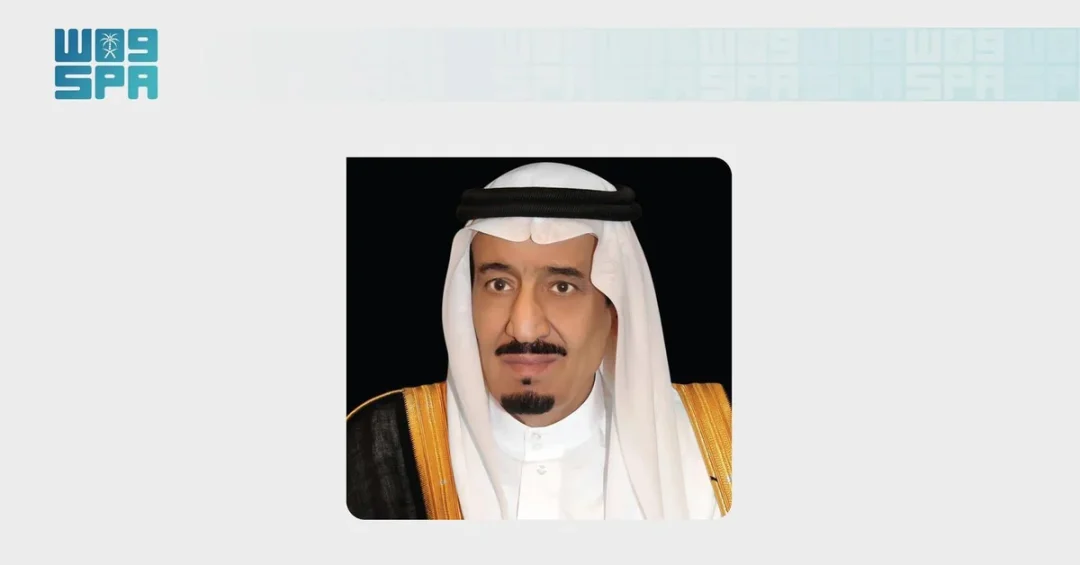
Under the patronage of Custodian of the Two Holy Mosques King Salman bin Abdulaziz Al Saud, Deputy Governor of Makkah Region Prince Saud bin Mishaal bin Abdulaziz attended the opening ceremony of the 27th Arabian Gulf Cup (Khaleeji 27) at Alinma Stadium in King Abdullah Sports City in Jeddah, the Saudi Press Agency reported. The ceremony, held on September 23, 2026, marked the formal launch of the region’s premier football tournament, which runs until October 6, 2026, and brings together eight national teams from across the Arabian Gulf.
The event was attended by Minister of Sport Prince Abdulaziz bin Turki bin Faisal, who also serves as President of the Saudi Olympic and Paralympic Committee (SOPC), alongside FIFA President Gianni Infantino, heads and representatives of sports federations from the Arab Gulf states, and several other officials. The high-level attendance underscores the Kingdom’s commitment to hosting major sporting events that strengthen regional ties and showcase Saudi Arabia’s world-class infrastructure. For international observers, the opening ceremony offered a vivid demonstration of how sport continues to serve as a bridge between nations, with Jeddah once again welcoming its Gulf neighbors to what Prince Abdulaziz described as their “second home.”
Context and Background
Why does a regional football tournament draw such extraordinary attention from the highest levels of leadership? The Arabian Gulf Cup, known locally as the Khaleeji, has been a fixture of Gulf sporting and cultural life since its inaugural edition in 1970. Over more than five decades, the tournament has evolved from a modest gathering of national teams into a symbol of Gulf unity, friendly competition, and shared heritage. Its 27th edition carries particular significance because it is being hosted in Saudi Arabia, a nation that has rapidly emerged as a global hub for major sporting events.
The patronage of Custodian of the Two Holy Mosques King Salman bin Abdulaziz Al Saud reflects the special place this Gulf gathering holds for the leadership of the country. As Prince Abdulaziz bin Turki bin Faisal noted in a press statement, the championship’s rich sporting legacy “over the decades has contributed to bringing brothers together and strengthening ties among the peoples of the region.” That sentiment captures the essence of the Khaleeji: it is not merely a competition for a trophy, but a recurring celebration of the bonds that connect the Gulf’s peoples, economies, and cultures.
Jeddah, Saudi Arabia’s second-largest city and the gateway to the Two Holy Mosques, provides a fitting backdrop. The city’s Alinma Stadium at King Abdullah Sports City is among the Kingdom’s most modern sporting venues, capable of hosting international matches at the highest standard. Hosting the tournament here aligns with Saudi Arabia’s broader strategy of using sport as a catalyst for economic diversification, tourism growth, and international engagement, all central pillars of Vision 2030.
Key Details of Khaleeji 27
The 27th Arabian Gulf Cup is being held from September 23 to October 6, 2026, with eight national teams competing in 15 matches. Group A comprises Saudi Arabia, Iraq, Oman, and Kuwait, while Group B comprises Qatar, the United Arab Emirates, Bahrain, and Yemen. The format ensures a compact but intense schedule, with group-stage matches leading to knockout rounds that will culminate in the final on October 6. For the participating nations, the tournament offers a valuable opportunity to test their squads against regional rivals in a competitive environment.
Prince Abdulaziz bin Turki bin Faisal, who is also President of the Saudi Olympic and Paralympic Committee, expressed his sincere thanks and gratitude to the Custodian of the Two Holy Mosques for his generous patronage of the championship. In his press statement, he said: “Today, we are delighted to see the launch of the 27th edition of the championship in the city of Jeddah, in a manner befitting the status of this prestigious cup and its enduring value in Gulf sports. We once again welcome our brothers to their second home, the Kingdom of Saudi Arabia, and wish all the participating national teams success.”
The presence of FIFA President Gianni Infantino at the opening ceremony highlights the international significance of the tournament. Infantino’s attendance signals global football’s recognition of the Gulf region’s growing influence in the sport, as well as Saudi Arabia’s expanding role as a host of major football events. The Kingdom has already staged high-profile matches and tournaments, and the successful delivery of Khaleeji 27 will further cement its reputation as a reliable and ambitious partner for international football.
International and Regional Impact
What does the successful hosting of the Gulf Cup say about Saudi Arabia’s place in the region and the wider world? The tournament brings together nations that share deep historical, cultural, and economic ties. By hosting the event, Saudi Arabia reinforces its role as a unifying force in the Gulf, providing a neutral and welcoming stage where rivalries are confined to the pitch and diplomacy is conducted through sport. The presence of heads of sports federations from all participating countries underscores the collective commitment to this spirit of brotherhood.
Beyond the Gulf, the event contributes to Saudi Arabia’s growing profile as a global sports destination. International media coverage of the opening ceremony, the matches, and the fan experience in Jeddah will reach audiences far beyond the Middle East. This exposure supports the Kingdom’s tourism goals by showcasing its modern infrastructure, hospitality, and vibrant cities. Visitors from neighboring countries and further afield will experience firsthand the transformation underway in Saudi Arabia, from state-of-the-art stadiums to expanded entertainment and cultural offerings.
The tournament also serves as a platform for people-to-people exchange. Fans traveling to Jeddah will interact with Saudi citizens and residents, fostering mutual understanding and goodwill. In a region often characterized by geopolitical tensions, the Gulf Cup stands out as a positive, unifying event that highlights shared aspirations and common ground.
Economic and Strategic Significance
How does hosting a regional football tournament translate into economic and strategic gains for Saudi Arabia? Major sporting events generate direct spending in hospitality, transportation, retail, and entertainment. Hotels in Jeddah are expected to see elevated occupancy rates throughout the tournament, while restaurants, shopping centers, and tourist attractions benefit from increased footfall. The event also creates temporary employment opportunities and supports small and medium-sized enterprises, from local vendors to service providers.
Strategically, Khaleeji 27 is part of a broader portfolio of events that Saudi Arabia is hosting as it positions itself as a hub for sports, entertainment, and business. The Kingdom’s investment in world-class facilities, such as Alinma Stadium at King Abdullah Sports City, is designed to attract not only regional tournaments but also global championships. Each successful event builds credibility and experience, making Saudi Arabia a more attractive candidate for future international competitions, including potential FIFA World Cup hosting ambitions.
Moreover, the tournament reinforces the economic integration of the Gulf. By facilitating the movement of fans, officials, and media across borders, it stimulates intra-regional tourism and trade. Saudi Arabia’s leadership in hosting such events aligns with its Vision 2030 objective of increasing non-oil revenues and fostering a diversified, resilient economy.
Vision 2030 Alignment
In what ways does the Gulf Cup reflect the ambitions of Saudi Vision 2030? Sport is a key pillar of the Vision’s Quality of Life program, which aims to increase participation in physical activity, promote healthy lifestyles, and enhance the Kingdom’s entertainment and cultural offerings. Hosting major tournaments inspires young Saudis to engage in sports, fosters national pride, and demonstrates the Kingdom’s ability to deliver complex, high-profile events on time and to international standards.
The event also supports Vision 2030’s economic diversification goals by boosting tourism and creating business opportunities. Saudi Arabia’s strategy to become a top global destination for sports and entertainment is already yielding results, with international visitors increasingly drawn to events like the Gulf Cup. As the tournament unfolds over the coming weeks, it will serve as another milestone in the Kingdom’s journey toward a vibrant, forward-looking society and a more diversified economy, all while strengthening the bonds of friendship that unite the Gulf region.
20 Questions
Q1. What is the 27th Arabian Gulf Cup?
A1. The 27th Arabian Gulf Cup, also known as Khaleeji 27, is a regional football tournament featuring eight national teams from the Arabian Gulf. It is being held in Jeddah, Saudi Arabia, from September 23 to October 6, 2026, with 15 matches in total.
Q2. Who attended the opening ceremony on behalf of King Salman?
A2. Deputy Governor of Makkah Region Prince Saud bin Mishaal bin Abdulaziz attended the opening ceremony on behalf of Custodian of the Two Holy Mosques King Salman bin Abdulaziz Al Saud, under whose patronage the event is held.
Q3. Where was the opening ceremony held?
A3. The opening ceremony took place at Alinma Stadium in King Abdullah Sports City in Jeddah, one of Saudi Arabia’s premier sporting venues, which has hosted numerous international and regional events.
Q4. Which national teams are participating in the tournament?
A4. Eight teams are competing: Group A includes Saudi Arabia, Iraq, Oman, and Kuwait; Group B includes Qatar, the United Arab Emirates, Bahrain, and Yemen.
Q5. What did Minister of Sport Prince Abdulaziz bin Turki bin Faisal say about the patronage?
A5. He expressed sincere thanks and gratitude to the Custodian of the Two Holy Mosques for his generous patronage, noting that it reflects the special place the Gulf gathering holds for the leadership and its rich sporting legacy.
Q6. Who else attended the opening ceremony?
A6. FIFA President Gianni Infantino, heads and representatives of sports federations from the Arab Gulf states, and several other officials attended the ceremony alongside Saudi sports leaders.
Q7. What is the significance of FIFA President Gianni Infantino’s attendance?
A7. His presence highlights international recognition of the Gulf region’s growing influence in football and Saudi Arabia’s expanding role as a host of major football events, reinforcing the Kingdom’s global sports standing.
Q8. How long will the tournament last?
A8. The tournament runs from September 23 to October 6, 2026, spanning approximately two weeks of group-stage and knockout matches, culminating in the final.
Q9. How many matches will be played?
A9. A total of 15 matches will be played across the group stage and knockout rounds, featuring the eight participating national teams competing for the prestigious Gulf Cup title.
Q10. What is the historical significance of the Arabian Gulf Cup?
A10. Since its inaugural edition in 1970, the Arabian Gulf Cup has served as a symbol of Gulf unity, friendly competition, and shared heritage, bringing together nations and peoples across the region for over five decades.
Q11. Why is hosting the tournament important for Saudi Arabia?
A11. Hosting the tournament showcases Saudi Arabia’s world-class infrastructure, supports Vision 2030 goals in tourism and entertainment, and reinforces the Kingdom’s role as a unifying force in the Gulf region.
Q12. How does the event align with Vision 2030?
A12. It aligns with Vision 2030’s Quality of Life program and economic diversification goals by promoting sports, boosting tourism, creating business opportunities, and enhancing Saudi Arabia’s global reputation as a destination for major events.
Q13. What economic benefits does the tournament bring to Jeddah?
A13. The tournament boosts hospitality, transportation, retail, and entertainment sectors, increases hotel occupancy, creates temporary jobs, and supports small and medium-sized enterprises throughout the city.
Q14. What message did Prince Abdulaziz convey to participating teams?
A14. He welcomed the teams to their “second home” and wished all participating national teams success, emphasizing the brotherly bonds and enduring value of the Gulf Cup in regional sports.
Q15. How does the Gulf Cup strengthen regional ties?
A15. By bringing together athletes, officials, and fans from across the Gulf, the tournament fosters people-to-people exchange, mutual understanding, and goodwill, reinforcing the shared cultural and historical bonds among Gulf nations.
Q16. What role does the Saudi Olympic and Paralympic Committee play in the event?
A16. Prince Abdulaziz bin Turki bin Faisal, as President of the Saudi Olympic and Paralympic Committee, represents Saudi sports leadership and has expressed gratitude for the royal patronage that elevates the tournament’s prestige.
Q17. What can visitors expect from Jeddah during the tournament?
A17. Visitors can expect a vibrant atmosphere with world-class stadium facilities, expanded entertainment and cultural offerings, warm Saudi hospitality, and opportunities to explore Jeddah’s rich heritage and modern attractions.
Q18. How does the tournament support Saudi Arabia’s tourism goals?
A18. It attracts regional and international visitors, showcases the Kingdom’s modern infrastructure and hospitality, and generates positive media coverage that promotes Saudi Arabia as an attractive tourism destination.
Q19. What is the format of the tournament?
A19. The eight teams are divided into two groups of four. Group-stage matches determine which teams advance to the knockout rounds, culminating in the final match on October 6, 2026.
Q20. What does the future hold for Saudi Arabia as a sports host?
A20. Saudi Arabia is poised to continue attracting major regional and international sporting events, building on its investments in world-class facilities and its proven track record, in line with Vision 2030 ambitions.
Reader Feedback
We value your thoughts. Please share your feedback on this article.
Your feedback helps us improve our coverage.
Related articles
 PIF London Championship begins at Centurion Club
 ALTAWKILAT Motorsport program prepares Saudi youth for motorsports
 King Khalid Racecourse starts third week of Taif racing season
 Gulf Cup: Qatar to Face Defending Champion Bahrain Tomorrow
 Gulf Cup 27: UAE to Face Yemen Tomorrow in Jeddah
 Arabian Gulf Cup: A Legacy of Gulf Unity Through Sport