


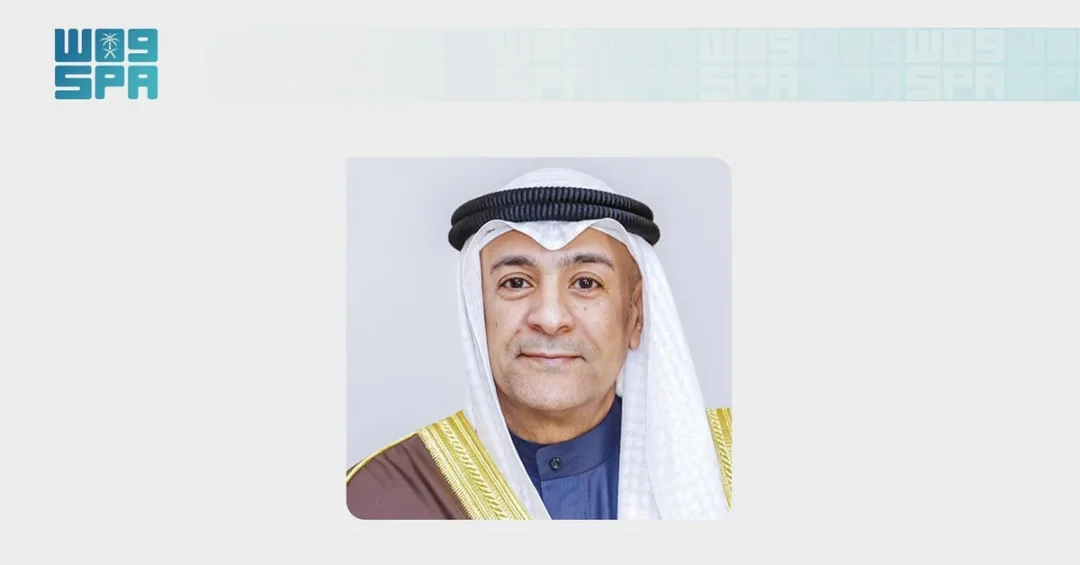
Secretary-General of the Gulf Cooperation Council (GCC) Jasem Albudaiwi and Minister of State and Foreign Affairs of the Portuguese Republic Paulo Rangel signed a memorandum of understanding (MoU) between the two sides on the sidelines of the 81st session of the United Nations General Assembly (UNGA) in New York, the Saudi Press Agency (SPA) reported. The agreement, announced on September 24, 2026, establishes a formal framework for cooperation between the six-nation Gulf bloc and Portugal, covering a comprehensive roadmap to explore avenues of collaboration that advance the shared interests of the peoples of the GCC and Portugal.
The signing marks another step in the GCC’s sustained effort to broaden and elevate its relations with countries and international organizations worldwide, a strategy that has accelerated in recent years as Gulf states diversify their partnerships beyond traditional alliances. The meeting between Albudaiwi and Rangel took place against the backdrop of the UN General Assembly’s annual high-level gathering, where world leaders and senior diplomats convene to address pressing global challenges. Does the timing of this agreement signal a deeper convergence of Gulf and European interests in an era of shifting geopolitical alignments? The MoU’s scope, while not immediately detailed in full, reflects a deliberate, structured approach to diplomacy that has become characteristic of GCC engagement on the world stage.
Context and Background
The Gulf Cooperation Council, established in 1981, comprises the Kingdom of Saudi Arabia, the United Arab Emirates, the State of Qatar, the State of Kuwait, the Kingdom of Bahrain, and the Sultanate of Oman. Over the past decade, the bloc has transformed from a primarily regional coordination body into a proactive international actor, forging partnerships with nations across Asia, Africa, and Europe. Portugal, a founding member of NATO and a European Union member state, brings to the table a strategic Atlantic perspective and a long history of maritime exploration and trade. Why has the GCC chosen this moment to formalize its relationship with Portugal, a country whose geopolitical weight extends well beyond its size? The answer lies partly in the GCC’s broader strategy of building resilient, multi-vector partnerships that support economic diversification and regional security.
Albudaiwi has been a consistent advocate for expanding the GCC’s diplomatic footprint since assuming his role as Secretary-General. Under his leadership, the Council has signed cooperation agreements with a range of international partners, from major economies to smaller, strategically located states. Portugal’s position as a gateway to both the European Union and the wider Atlantic world makes it a natural partner for Gulf states seeking to deepen trade, investment, and political ties with Europe. The MoU signed in New York is therefore not an isolated event but part of a carefully constructed architecture of international engagement that aligns with the GCC’s long-term interests.
The 81st UNGA session provided a high-profile platform for the signing, underscoring the GCC’s commitment to multilateral diplomacy. In recent years, Gulf leaders have used the UNGA and other international forums to articulate their vision for a stable, prosperous region and to seek partners who share their priorities. The presence of senior officials from both sides at the signing ceremony reflects the seriousness with which both the GCC and Portugal view the new agreement. Does this MoU represent a template for future GCC engagements with other European nations? Early indicators suggest that the Council’s member states see value in replicating this model where mutual interests align.
Key Details
According to the Saudi Press Agency, Albudaiwi stressed that GCC member states consistently seek to broaden and elevate their relations with countries and international organizations worldwide. “The conclusion of the GCC-Portugal MoU reflects this enduring commitment, serving to consolidate bilateral ties and chart a comprehensive roadmap to explore avenues of cooperation that advance the shared interests of the peoples of the GCC and Portugal,” he said. The Secretary-General’s remarks highlight the people-centered approach that underpins the GCC’s foreign policy, emphasizing shared prosperity and mutual respect rather than narrow transactional gains.
Both sides also met to review prospects for expanding GCC-Portuguese cooperation and to identify practical mechanisms to achieve mutual objectives under the framework of the signed MoU. While the specific areas of cooperation were not fully enumerated in the initial announcement, the language used suggests a broad scope that could include trade, investment, energy, technology, education, and cultural exchange. The agreement’s emphasis on a “comprehensive roadmap” indicates that both parties intend to move beyond symbolic gestures toward concrete, measurable outcomes. What practical mechanisms might emerge from this MoU in the coming months? Observers will be watching for the establishment of joint working groups, exchange programs, and investment facilitation measures that translate the agreement into tangible benefits.
Additionally, the two officials exchanged views on prevailing regional developments, particularly concerning maritime navigation in the Straits of Hormuz and Bab Al-Mandab, and their direct implications for regional and international security and stability. These waterways are among the world’s most critical chokepoints for global energy shipments and commercial trade. The Strait of Hormuz, located between the Persian Gulf and the Gulf of Oman, is the passage for a substantial share of global oil exports, while the Bab Al-Mandab strait connects the Red Sea to the Gulf of Aden and the broader Indian Ocean. Any disruption to navigation in these areas carries immediate consequences for global energy markets and supply chains. Why are these maritime routes so central to the GCC’s diplomatic conversations with European partners? The answer lies in the shared interest in keeping global trade arteries open and secure.
The discussion of maritime security during the meeting underscores the GCC’s role as a responsible stakeholder in international affairs. By raising these issues with Portugal, a country with significant maritime traditions and Atlantic interests, the GCC is building a coalition of like-minded states committed to freedom of navigation and the rule of law at sea. This alignment of interests provides a solid foundation for the broader cooperation envisioned in the MoU.
International and Regional Impact
The GCC-Portugal MoU carries implications that extend beyond the bilateral relationship. For the European Union, Portugal’s engagement with the Gulf bloc offers a channel for deepening Europe’s ties with a region that is increasingly central to global energy security, trade, and investment. The GCC collectively represents one of the world’s largest economic blocs by GDP per capita and sovereign wealth assets, making it an attractive partner for European economies seeking growth markets and reliable energy supplies. How will other EU member states respond to Portugal’s initiative? It is plausible that the agreement will encourage further European outreach to the GCC, potentially accelerating the long-stalled EU-GCC free trade negotiations.
For the wider Middle East and North Africa region, the MoU reinforces the GCC’s position as a stabilizing force and a bridge between continents. By formalizing cooperation with Portugal, the Council signals that its members are open to partnerships that transcend historical and cultural boundaries. This openness is consistent with the GCC’s longstanding policy of non-interference and peaceful cooperation, and it contrasts with the zero-sum approaches that have sometimes characterized regional politics. The agreement also highlights the importance of the UN General Assembly as a venue for constructive diplomacy, where states can come together to address shared challenges and build consensus.
From a security perspective, the exchange of views on the Straits of Hormuz and Bab Al-Mandab reflects the GCC’s proactive approach to maritime security. The Council has consistently advocated for the free and safe movement of commercial vessels in these waters, and it has worked with international partners to deter threats to navigation. Portugal, with its maritime heritage and its membership in NATO, is a natural interlocutor on these issues. The MoU provides a framework for continued dialogue and potential joint initiatives in this critical domain. Does this agreement signal a new phase in GCC-Europe security cooperation? The evidence suggests that both sides see value in deepening their consultations on matters of mutual strategic concern.
Economic and Strategic Significance
Economically, the GCC-Portugal MoU opens the door to expanded trade and investment flows between two regions that have complementary strengths. The GCC states possess vast energy resources, substantial sovereign wealth funds, and ambitious diversification programs under Saudi Arabia’s Vision 2030 and similar national strategies. Portugal offers a skilled workforce, a strategic geographic position on the Atlantic, and access to European markets. Sectors such as renewable energy, tourism, logistics, and technology are ripe for collaboration. What specific economic opportunities are likely to emerge first? Early candidates include Portuguese participation in Gulf renewable energy projects and Gulf investment in Portuguese infrastructure and tourism assets.
The MoU also has strategic significance in the context of global supply chain resilience. Recent disruptions, from the COVID-19 pandemic to geopolitical tensions, have prompted countries around the world to rethink their trade dependencies and seek more diversified partnerships. The GCC’s outreach to Portugal is part of this broader trend, as is Portugal’s interest in strengthening ties with a region that sits at the crossroads of Europe, Asia, and Africa. By working together, the two sides can help build more resilient and diversified economic linkages that benefit both their peoples.
Furthermore, the agreement reflects the GCC’s growing emphasis on soft power and cultural diplomacy. Portugal and the Gulf share a rich history of cultural exchange, dating back to the age of exploration and trade. Modern cooperation in education, science, and culture can build on this legacy, fostering people-to-people ties that underpin durable relationships. The MoU’s reference to advancing the shared interests of the peoples of both regions suggests that cultural and educational dimensions will be part of the cooperation agenda. Will we see increased academic exchanges and joint research initiatives between Gulf and Portuguese institutions? The framework is in place for such developments to flourish.
Vision 2030 Alignment
The GCC-Portugal MoU aligns closely with the objectives of Saudi Arabia’s Vision 2030, the Kingdom’s comprehensive plan to diversify its economy, strengthen its global partnerships, and enhance its role as a hub connecting three continents. Vision 2030 emphasizes the importance of international cooperation and the pursuit of mutually beneficial relationships that support economic growth and stability. By participating in and supporting GCC-wide agreements like this one, Saudi Arabia reinforces its commitment to collective regional action and to building bridges with nations around the world. The Kingdom’s leadership within the GCC has been instrumental in shaping the Council’s outward-looking approach, and this MoU is a testament to that vision.
As the GCC continues to expand its network of international partnerships, agreements such as the one signed with Portugal will play a vital role in advancing the region’s long-term goals. The MoU not only consolidates bilateral ties but also charts a comprehensive roadmap for cooperation that can serve as a model for future engagements. For Saudi Arabia and its GCC partners, the message is clear: the region is open for business, committed to peace and stability, and eager to work with partners who share its vision of a prosperous and interconnected world. In the years ahead, the GCC-Portugal relationship is poised to grow in depth and scope, contributing to the shared interests of both peoples and to the broader cause of international cooperation.
20 Questions
Q1. What is the main purpose of the GCC-Portugal MoU?
A1. The MoU establishes a formal framework for cooperation between the Gulf Cooperation Council and Portugal, creating a comprehensive roadmap to explore avenues of collaboration that advance the shared interests of both peoples.
Q2. Who signed the memorandum of understanding on behalf of the GCC?
A2. Secretary-General Jasem Albudaiwi signed on behalf of the Gulf Cooperation Council, representing the six member states: Saudi Arabia, the UAE, Qatar, Kuwait, Bahrain, and Oman.
Q3. Who signed the MoU for Portugal?
A3. Paulo Rangel, Portugal’s Minister of State and Foreign Affairs, signed the memorandum of understanding on behalf of the Portuguese Republic.
Q4. Where was the MoU signed?
A4. The agreement was signed in New York, on the sidelines of the 81st session of the United Nations General Assembly, a major annual gathering of world leaders and diplomats.
Q5. When was the MoU signed?
A5. The memorandum of understanding was signed on September 24, 2026, according to the Saudi Press Agency, which reported the event.
Q6. What did Albudaiwi say about the agreement?
A6. He stated that GCC member states consistently seek to broaden and elevate their relations worldwide, and that the MoU consolidates bilateral ties and charts a comprehensive roadmap for cooperation.
Q7. What regional issues did the two sides discuss?
A7. They exchanged views on regional developments, particularly maritime navigation in the Straits of Hormuz and Bab Al-Mandab, and the implications for regional and international security and stability.
Q8. Why are the Straits of Hormuz and Bab Al-Mandab important?
A8. These are critical global chokepoints for energy shipments and commercial trade. Disruptions there affect global markets, supply chains, and international security.
Q9. What does the MoU mean for GCC-Portugal relations?
A9. It formalizes and elevates the relationship, providing a structured framework for cooperation across multiple sectors and setting the stage for deeper economic, political, and cultural ties.
Q10. How does this agreement fit into the GCC’s broader strategy?
A10. It reflects the GCC’s ongoing efforts to build diverse international partnerships beyond traditional alliances, supporting economic diversification and regional security objectives.
Q11. What areas of cooperation might the MoU cover?
A11. While specifics were not fully detailed, the broad language suggests potential cooperation in trade, investment, energy, technology, education, culture, and maritime security.
Q12. What is Portugal’s interest in partnering with the GCC?
A12. Portugal seeks to deepen ties with a region of growing economic and strategic importance, gaining access to Gulf markets, investment, and energy resources while strengthening political dialogue.
Q13. How does this MoU relate to Saudi Arabia’s Vision 2030?
A13. It aligns with Vision 2030’s emphasis on international cooperation, economic diversification, and strengthening Saudi Arabia’s role as a global hub connecting three continents.
Q14. What role did the UN General Assembly play in this agreement?
A14. The UNGA provided a high-profile multilateral platform for the signing, underscoring the GCC’s commitment to diplomacy and constructive engagement on the world stage.
Q15. Will the MoU lead to concrete economic projects?
A15. The agreement’s emphasis on a comprehensive roadmap suggests both sides intend to move toward tangible outcomes, potentially including joint ventures and investment facilitation.
Q16. How might other European countries react to this agreement?
A16. It may encourage other EU states to deepen their engagement with the GCC, potentially accelerating broader Europe-Gulf cooperation and trade discussions.
Q17. What is the significance of the maritime security discussion?
A17. It highlights shared interests in keeping global trade routes open and secure, building a coalition of like-minded states committed to freedom of navigation.
Q18. Does the MoU include cultural and educational cooperation?
A18. The reference to advancing shared interests of both peoples suggests cultural and educational dimensions are part of the cooperation agenda, building on historical ties.
Q19. What are the next steps after signing the MoU?
A19. Both sides are expected to establish practical mechanisms, such as joint working groups and exchange programs, to implement the agreement and achieve mutual objectives.
Q20. How does this agreement reflect the GCC’s global role?
A20. It demonstrates the GCC’s evolution into a proactive international actor, building partnerships that support stability, prosperity, and cooperation across regions and continents.
Reader Feedback
We value your thoughts. Please share your feedback on this article.
Your feedback helps us improve our coverage.
Related articles
 GCC Secretary-General Highlights Growing Cooperation with ASEAN
 Two Holy Mosques security system development
 NCM Issues Moderate Rain Alert for Makkah and Al-Jumum
 5.1-Magnitude Earthquake Shakes Eastern Türkiye
 Security of the Two Holy Mosques: An Enduring Legacy
 Saudi Arabia provides $177 million for Rohingya refugees