


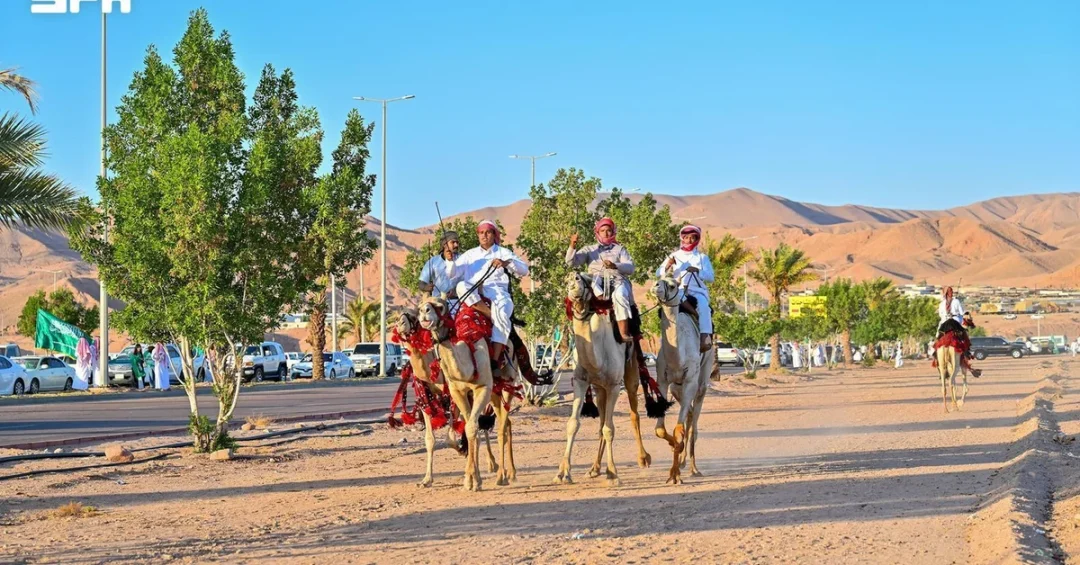
Haql Governorate in the Tabuk Region marked Saudi National Day with a vibrant program of camel and horse parades and theatrical performances, according to the Saudi Press Agency (SPA), drawing residents and visitors into celebrations that reflected pride in the homeland and showcased the area’s cultural and social heritage. The events, reported on September 23, 2026, transformed the northwestern governorate into a stage for national expression, with processions of camels and horses creating festive scenes that underscored the enduring place of these animals in the Kingdom’s collective memory. The official Saudi news channel confirmed that the celebrations engaged different segments of the community, from families to young people, in a shared commemoration of the nation’s unity and progress.
Why do such local celebrations matter so much in a country undergoing rapid transformation? Across Saudi Arabia, National Day is observed not only in the major cities but also in governorates like Haql, where community-led events connect national milestones with local identity. The SPA report highlighted that the governorate’s program combined national and entertainment activities, creating a joyful atmosphere that resonated with participants. The presence of camels and horses — animals long revered as authentic symbols of the Arabian Peninsula — added a layer of historical continuity to the modern nation’s story, reminding audiences that Saudi Arabia’s heritage remains a living, breathing part of its present and future.
Context and Background
What does National Day mean for communities beyond the Kingdom’s metropolitan centers? Saudi National Day commemorates the unification of the Kingdom in 1932 by the founder, King Abdulaziz Al Saud, and has evolved into a nationwide occasion for reflection, festivity, and expressions of national pride. In Haql, a governorate situated in the Tabuk Region near the borders with Jordan and Egypt, the celebrations carried particular significance because they highlighted the area’s own cultural and social heritage within the broader national narrative. The SPA reported that residents and visitors actively participated, turning the occasion into a collective statement of belonging and appreciation for the country’s stability and development.
The choice of camel and horse parades as centerpieces of the Haql program is deeply rooted in Saudi tradition. Camels, often called the ships of the desert, have historically sustained trade, travel, and survival across the Arabian Peninsula, while horses have long been celebrated for their role in exploration, sport, and prestige. By placing these animals at the heart of the National Day festivities, organizers in Haql connected contemporary patriotism with centuries of Bedouin heritage. This approach aligns with a wider national effort to preserve and promote cultural traditions as the Kingdom modernizes, ensuring that rapid economic and social change does not come at the expense of identity.
The theatrical events that followed the parades added another dimension to the celebrations. According to the SPA, these performances featured a variety of national and cultural programs, along with accompanying entertainment activities. Such programming reflects a deliberate effort to engage different age groups and community segments, from children to elders, in a shared experience of national pride. In a governorate that serves as a gateway to the Kingdom’s northwestern frontiers, the festivities also signaled the region’s active participation in the national story, reinforcing the idea that Saudi Arabia’s progress is a collective endeavor spanning every province and governorate.
Key Details
How exactly did the celebrations unfold on the ground? The SPA reported that Haql witnessed camel and horse parades that created festive scenes across the governorate, with the animals serving as living symbols of the Arabian Peninsula’s history and heritage. Residents and visitors lined the routes to watch the processions, which were designed to highlight the enduring status of camels and horses in national memory. The parades were not merely spectacles; they were participatory events that invited the community to engage directly with the occasion, reinforcing social cohesion and a sense of shared purpose.
The theatrical events that formed the second pillar of the program offered a platform for national and cultural expression. These performances, described by the SPA as featuring a variety of national and cultural programs, were accompanied by entertainment activities that sustained the festive atmosphere throughout the day. The combination of processions and stage performances created a rhythm to the celebrations, alternating between movement and reflection, tradition and contemporary expression. Organizers clearly aimed to reach a broad audience, ensuring that the events resonated with families, youth, and visitors alike, and that the national occasion was marked with both dignity and joy.
What role did the local community play in shaping the day? The SPA noted that residents and visitors actively participated in the national occasion, suggesting that the celebrations were as much about community involvement as they were about official programming. This participatory character is a hallmark of National Day observances across the Kingdom, where local initiatives often complement national events. In Haql, the engagement of the community helped transform the governorate into a vibrant expression of patriotism, with the parades and theatrical performances serving as focal points for collective celebration and cultural pride.
International and Regional Impact
Why should international audiences pay attention to celebrations in a single governorate? Saudi Arabia’s National Day observances, including those in Haql, project an image of a unified, forward-looking nation that values its heritage while embracing modernization. For regional observers, the events demonstrate the Kingdom’s internal cohesion and the successful integration of diverse regions into the national fabric. The Tabuk Region, where Haql is located, occupies a strategically significant position near key borders and is increasingly important to Saudi Arabia’s tourism and economic diversification efforts, making its cultural vitality a matter of broader interest.
From a regional perspective, the camel and horse parades in Haql also resonate with the wider Gulf and Arab world, where these animals hold similar cultural prestige. By celebrating them on National Day, Saudi Arabia reinforces shared heritage across the region while asserting its own distinct national identity. International visitors and expatriates who participated in or observed the events gained insight into the Kingdom’s cultural depth, which complements its growing global role in diplomacy, energy, and investment. Such local festivities thus contribute to soft power, presenting Saudi Arabia as a nation confident in its traditions and open to the world.
Economic and Strategic Significance
How do cultural celebrations connect to economic and strategic goals? Events like those in Haql support the Kingdom’s broader efforts to develop domestic tourism and promote regional attractions. By showcasing local heritage, including the iconic camel and horse traditions, governorates can attract visitors who are interested in authentic cultural experiences. This aligns with national strategies to diversify revenue sources and create opportunities in hospitality, entertainment, and related sectors. The SPA’s coverage of the celebrations also highlights the role of media in documenting and sharing these developments with audiences at home and abroad.
Strategically, the celebrations in Tabuk Region underscore the importance of border governorates in the national project. Haql’s active participation in National Day reflects the integration of peripheral areas into the Kingdom’s social and economic mainstream. As Saudi Arabia invests in infrastructure, tourism, and quality-of-life initiatives across all regions, events that bring communities together serve as both a symbol and a catalyst of balanced development. The parades and theatrical performances, though local in scale, contribute to a national narrative of progress, unity, and cultural confidence that supports the Kingdom’s long-term strategic objectives.
Vision 2030 Alignment
How does a National Day celebration in Haql connect to Saudi Vision 2030? The Vision, launched in 2016, seeks to diversify the economy, empower communities, and enrich lives through cultural and recreational opportunities. The events described by the SPA embody several of these objectives: they promote national identity, support community engagement, and contribute to the cultural and entertainment sectors that the Vision aims to expand. By celebrating heritage alongside modern entertainment, Haql’s program reflects the Vision’s emphasis on preserving traditions while building a dynamic, open society.
Ultimately, the camel and horse parades and theatrical events in Haql illustrate how Vision 2030 reaches every corner of the Kingdom. The celebrations not only honored the nation’s past but also looked forward, engaging residents and visitors in a shared expression of pride and optimism. As Saudi Arabia continues its transformation, such local observances will remain vital threads in the national tapestry, reinforcing unity, celebrating heritage, and supporting the Kingdom’s emergence as a global leader in culture, tourism, and innovation.
20 Questions
Q1. What events took place in Haql to celebrate Saudi National Day?
A1. Haql Governorate hosted camel and horse parades along with theatrical events featuring national and cultural programs and entertainment activities, as reported by the Saudi Press Agency on September 23, 2026.
Q2. Where is Haql Governorate located?
A2. Haql Governorate is situated in the Tabuk Region of northwestern Saudi Arabia, near the borders with Jordan and Egypt, and is known for its strategic and cultural significance.
Q3. Who participated in the National Day celebrations in Haql?
A3. Residents of Haql and visitors actively participated in the national occasion, joining the parades and theatrical events, according to the Saudi Press Agency.
Q4. Why are camels and horses important in Saudi culture?
A4. Camels and horses are authentic symbols of the Arabian Peninsula’s history and heritage, representing survival, trade, sport, and prestige, and they hold an enduring place in national memory.
Q5. What did the theatrical events include?
A5. The theatrical events featured a variety of national and cultural programs, along with accompanying entertainment activities, creating a joyful atmosphere for different segments of the community.
Q6. When were the celebrations reported?
A6. The Saudi Press Agency reported the celebrations on September 23, 2026, with the news released at 06:20 local time, which corresponds to 03:20 GMT.
Q7. What was the overall atmosphere of the celebrations?
A7. The celebrations created festive scenes and a joyful atmosphere, reflecting feelings of pride in the homeland and highlighting the governorate’s cultural and social heritage.
Q8. How do the parades reflect national memory?
A8. The camel and horse parades highlighted the enduring place of these animals in national memory, serving as authentic symbols of the Arabian Peninsula’s history and heritage.
Q9. What segments of the community were engaged?
A9. The events engaged different segments of the community, including families, youth, and visitors, ensuring broad participation in the national occasion.
Q10. What is the significance of National Day in Saudi Arabia?
A10. National Day commemorates the unification of the Kingdom in 1932 and serves as an occasion for reflection, festivity, and expressions of national pride across all regions.
Q11. How does Haql’s celebration connect to Saudi heritage?
A11. By featuring camels and horses, the celebration connects contemporary patriotism with centuries of Bedouin heritage, showcasing the governorate’s cultural and social traditions.
Q12. Did the celebrations include entertainment activities?
A12. Yes, the theatrical events were accompanied by entertainment activities that contributed to the joyful atmosphere and engaged various community segments.
Q13. What role did the Saudi Press Agency play?
A13. The Saudi Press Agency reported on the celebrations, providing official coverage that documented the events and shared them with national and international audiences.
Q14. How do such events support Vision 2030?
A14. They promote national identity, support community engagement, and contribute to the cultural and entertainment sectors, aligning with Vision 2030’s goals of enriching lives and diversifying the economy.
Q15. Why are local celebrations important for national unity?
A15. Local celebrations like those in Haql reinforce national unity by involving communities across the Kingdom in shared expressions of pride and belonging, strengthening social cohesion.
Q16. What makes the Tabuk Region significant?
A16. The Tabuk Region is strategically located near key borders and is increasingly important for tourism and economic diversification, making its cultural vitality a matter of broader interest.
Q17. How did visitors experience the celebrations?
A17. Visitors actively participated alongside residents, gaining insight into the Kingdom’s cultural depth and joining in the festive atmosphere of the parades and theatrical events.
Q18. What message do the parades convey to international audiences?
A18. They project an image of a unified, forward-looking nation that values its heritage while embracing modernization, contributing to Saudi Arabia’s soft power and global standing.
Q19. Were the celebrations limited to official programs?
A19. No, the celebrations were participatory, with residents and visitors actively engaging in the national occasion, complementing official programming with community involvement.
Q20. How does Haql’s celebration reflect Saudi Arabia’s future?
A20. It illustrates how Vision 2030 reaches every corner of the Kingdom, honoring the past while looking forward to a future of unity, cultural confidence, and global leadership.
Reader Feedback
We value your thoughts. Please share your feedback on this article.
Your feedback helps us improve our coverage.
Related articles
 Al-Baha Calligraphy Exhibition Records SAR100,700 in Sales
 Eastern Region Celebrates Saudi National Day
 Saudi Ardah Highlights National Identity during Saudi National Day Celebrations in Hail
 Al-Baha Celebrates National Day with Traditional Ardah
 Jazan Cultural House celebrates Saudi National Day
 Jazan Cultural House Celebrates Saudi National Day