


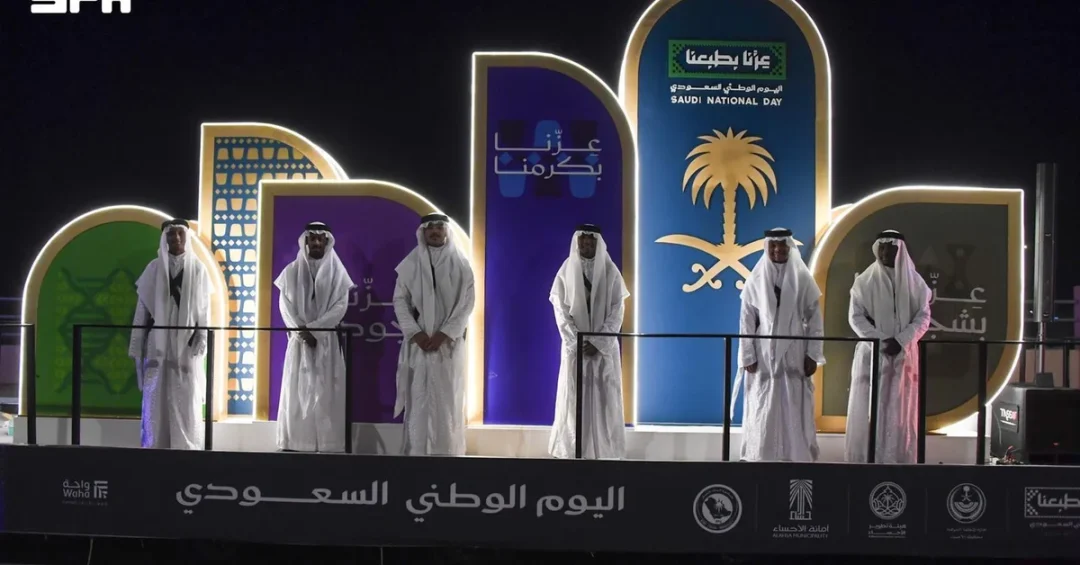
Al-Ahsa Governorate launched a grand national parade along the King Abdullah Ring Road on September 23, 2026, as part of Saudi Arabia’s National Day celebrations, drawing broad participation from government entities, security, health, and service sectors in a festive scene embodying pride and belonging to the nation. The event was organized by Al-Ahsa Governorate, the municipality, King Faisal University, and the Al-Ahsa Development Authority, according to the Saudi Press Agency. Have you ever witnessed a community come together in such unified celebration? The parade featured a variety of national performances, including folk dances, national chants, parades of classic and modified cars, and equestrian displays, reflecting the deep cultural heritage and modern spirit of the Kingdom.
The celebration in Al-Ahsa, one of Saudi Arabia’s most historically significant governorates, underscores the nationwide enthusiasm for National Day, a occasion that commemorates the unification of the Kingdom in 1932 by the late King Abdulaziz Al Saud. Across the country, similar events are being held to honor the nation’s journey and its ambitious future under Vision 2030. In Al-Ahsa, residents gathered early along the parade route, carrying the Saudi flag and chanting national and folk songs amid an atmosphere filled with joy and pride. The event not only highlighted the region’s cultural richness but also demonstrated the strong partnership between local authorities and the community in celebrating national achievements.
Context and Background
What makes Al-Ahsa’s National Day celebration particularly significant? Al-Ahsa, located in the Eastern Province, is renowned for its vast oasis, a UNESCO World Heritage site, and its deep-rooted history that dates back thousands of years. The governorate has long been a cultural and agricultural hub, and its participation in National Day festivities reflects the seamless integration of heritage and modernity that defines Saudi Arabia today. The parade, organized by key local institutions including the Al-Ahsa Governorate, the municipality, King Faisal University, and the Al-Ahsa Development Authority, brought together diverse segments of society, from government officials to families and youth, all united in their celebration of national unity.
The choice of King Abdullah Ring Road as the parade route was symbolic, as it is a major artery in the city and allowed for widespread public participation. The event also showcased the collaborative efforts of various sectors, including security, health, and service providers, who ensured the smooth execution of the festivities. This level of coordination is a testament to the Kingdom’s robust institutional framework and its commitment to community engagement. As Saudi Arabia continues to advance under Vision 2030, such celebrations serve as a reminder of the nation’s shared values and collective aspirations for a prosperous future.
National Day in Saudi Arabia is not merely a commemoration of the past; it is also a platform to showcase the Kingdom’s rapid transformation. In recent years, the celebrations have grown in scale and scope, incorporating modern elements such as drone shows, digital displays, and interactive exhibitions, alongside traditional performances. Al-Ahsa’s parade exemplified this blend, featuring classic and modified cars that appealed to automotive enthusiasts, as well as equestrian displays that paid homage to the Kingdom’s equestrian heritage. These diverse activities ensured that people of all ages and interests could find something to enjoy, fostering a sense of inclusivity and national pride.
Key Details of the Parade
How did the parade unfold on the ground? According to the Saudi Press Agency, the parade commenced with a procession of participants carrying the Saudi flag, followed by folk dance troupes performing traditional Ardah and other regional dances. The rhythmic beats of drums and the harmonious chants of national songs filled the air, creating an electrifying atmosphere. The route along King Abdullah Ring Road was lined with spectators waving flags and cheering, many of whom had arrived hours in advance to secure a good vantage point. The event also featured a parade of classic and modified cars, which added a modern twist to the traditional festivities, and equestrian displays that highlighted the grace and skill of Saudi riders.
The participation of government entities and security, health, and service sectors was integral to the event’s success. Security personnel managed crowds and ensured safety, while health teams were on standby to provide any necessary assistance. Service sectors contributed to logistics and waste management, reflecting a holistic approach to event organization. King Faisal University played a key role by involving students and faculty in the celebrations, thereby nurturing a sense of civic pride among the youth. The Al-Ahsa Development Authority, tasked with driving sustainable development in the region, used the occasion to highlight its ongoing projects and their alignment with Vision 2030 goals.
One of the highlights of the parade was the performance of folk dances, which are an intrinsic part of Saudi culture. These dances, performed by local troupes, showcased the unique traditions of the Eastern Province, including the famous Al-Ahsa-style Ardah, characterized by its distinct movements and poetry. The national chants that echoed through the streets were not only entertaining but also educational, as they recounted the history and achievements of the Kingdom. The presence of classic and modified cars appealed to the younger generation, blending their passion for automobiles with national celebration. Equestrian displays, featuring purebred Arabian horses, underscored the enduring bond between the Saudi people and their equestrian heritage, a tradition that dates back centuries.
International and Regional Impact
What does Al-Ahsa’s celebration signal to the wider world? Saudi Arabia’s National Day is observed with enthusiasm not only within the Kingdom but also by Saudi embassies and communities abroad. The event in Al-Ahsa, broadcast by national media and shared on social platforms, projects an image of a united, vibrant, and forward-looking nation. For international observers, such celebrations offer a glimpse into the social fabric of Saudi Arabia, revealing a society that takes pride in its history while embracing modernization. The participation of diverse groups, including women and youth, highlights the inclusive nature of the Kingdom’s development, a key pillar of Vision 2030.
Regionally, the parade reinforces Saudi Arabia’s leadership role in the Gulf and the broader Middle East. By showcasing its cultural heritage and organizational capabilities, the Kingdom demonstrates its ability to host large-scale events, a competency that will be further honed as it prepares for major international gatherings such as Expo 2030 in Riyadh and the 2034 FIFA World Cup. Al-Ahsa’s successful parade serves as a microcosm of the nation’s readiness to welcome the world. Moreover, the event fosters a sense of solidarity among Gulf Cooperation Council (GCC) states, as similar celebrations take place across the region, albeit with distinct national flavors. Saudi Arabia’s stable and prosperous image contributes to regional stability and economic confidence.
Economic and Strategic Significance
How does a local parade translate into economic and strategic value? Events like the National Day parade in Al-Ahsa stimulate local economies by boosting tourism, hospitality, and retail sectors. Visitors from neighboring areas and international tourists often extend their stay to explore Al-Ahsa’s attractions, including the Al-Qarah Mountain and the historic Al-Ahsa Oasis, thereby generating revenue for local businesses. The parade also serves as a platform to promote investment opportunities in the region, particularly in tourism, agriculture, and logistics, which are priority sectors under Vision 2030. The Al-Ahsa Development Authority leverages such events to showcase ongoing projects and attract potential investors.
Strategically, National Day celebrations reinforce national cohesion and identity, which are essential for the Kingdom’s long-term stability and growth. By involving youth and educational institutions like King Faisal University, the event nurtures a new generation of leaders who are proud of their heritage and committed to the nation’s progress. Furthermore, the logistical success of the parade demonstrates the efficiency of Saudi institutions in managing large crowds and complex operations, a capability that enhances the Kingdom’s reputation as a safe and attractive destination for global events. As Saudi Arabia diversifies its economy away from oil, such soft power assets become increasingly valuable in attracting foreign direct investment and fostering international partnerships.
Vision 2030 Alignment
In what ways does this celebration reflect the goals of Vision 2030? Vision 2030, launched by Crown Prince Mohammed bin Salman in 2016, aims to transform Saudi Arabia into a diversified, innovative, and globally engaged economy. National Day events like the Al-Ahsa parade contribute to the vision’s social and cultural objectives by promoting national pride, preserving heritage, and encouraging community participation. The involvement of the Al-Ahsa Development Authority and King Faisal University aligns with the vision’s emphasis on education, innovation, and sustainable development. Additionally, the parade’s focus on family-friendly entertainment and cultural performances supports the Quality of Life program, one of Vision 2030’s key initiatives designed to enhance the well-being of citizens and residents.
As Saudi Arabia marches toward its ambitious future, celebrations such as this serve as milestones that unite the people behind a shared vision. The Al-Ahsa parade not only honored the Kingdom’s past but also illuminated the path forward, showcasing a nation that is confident, inclusive, and ready to embrace the opportunities of the 21st century. With each passing year, National Day festivities grow more impressive, reflecting the Kingdom’s dynamic progress and its unwavering commitment to prosperity for all. The success of the Al-Ahsa event is a clear indication that Saudi Arabia’s journey under Vision 2030 is on track, driven by the collective spirit of its people and the visionary leadership of its rulers.
20 Questions
Q1. What event took place in Al-Ahsa on September 23, 2026?
A1. Al-Ahsa Governorate launched a national parade along King Abdullah Ring Road as part of Saudi National Day celebrations, featuring folk dances, national chants, classic and modified cars, and equestrian displays.
Q2. Who organized the Al-Ahsa National Day parade?
A2. The parade was organized by Al-Ahsa Governorate, the municipality, King Faisal University, and the Al-Ahsa Development Authority, with participation from government entities and security, health, and service sectors.
Q3. What is the significance of King Abdullah Ring Road in the parade?
A3. King Abdullah Ring Road is a major artery in Al-Ahsa, providing a spacious route that allowed widespread public participation and viewing of the parade, symbolizing the connectivity of the governorate.
Q4. What types of performances were featured in the parade?
A4. The parade included folk dances, national chants, parades of classic and modified cars, and equestrian displays, reflecting both traditional heritage and modern interests.
Q5. How did the community participate in the celebration?
A5. Residents gathered early along the parade route, carrying the Saudi flag and chanting national and folk songs, creating an atmosphere of joy and pride that united diverse segments of society.
Q6. Why is Al-Ahsa significant in Saudi Arabia’s cultural landscape?
A6. Al-Ahsa is home to a UNESCO World Heritage oasis and has a rich history as a cultural and agricultural hub, making its National Day celebration a blend of heritage and modernity.
Q7. What role did King Faisal University play in the parade?
A7. King Faisal University involved students and faculty in the celebrations, fostering civic pride among youth and showcasing the university’s commitment to community engagement and national development.
Q8. How does the parade reflect Saudi Arabia’s Vision 2030?
A8. The parade promotes national pride, preserves heritage, and encourages community participation, aligning with Vision 2030’s social and cultural objectives, including the Quality of Life program.
Q9. What was the atmosphere like during the parade?
A9. The atmosphere was festive and filled with joy and pride, as participants and spectators waved flags, cheered, and joined in national songs, demonstrating strong national unity.
Q10. What economic benefits can such events bring to Al-Ahsa?
A10. The parade stimulates local tourism, hospitality, and retail sectors, attracting visitors who explore Al-Ahsa’s attractions and generating revenue for local businesses and investment opportunities.
Q11. How does the event project Saudi Arabia internationally?
A11. It showcases a united, vibrant, and forward-looking nation, highlighting inclusive development and organizational capabilities, which enhances the Kingdom’s image as a safe and attractive destination for global events.
Q12. What is the historical background of Saudi National Day?
A12. Saudi National Day commemorates the unification of the Kingdom in 1932 by the late King Abdulaziz Al Saud, marking the foundation of the modern Saudi state.
Q13. How do National Day celebrations vary across Saudi Arabia?
A13. Celebrations vary by region but typically include parades, cultural performances, fireworks, and family activities, with each area adding its unique local traditions and flavors.
Q14. What security measures were in place during the parade?
A14. Security personnel managed crowds and ensured safety, while health teams were on standby, reflecting a coordinated effort to protect participants and spectators throughout the event.
Q15. What role does the Al-Ahsa Development Authority play?
A15. The authority drives sustainable development in the region, using events like the parade to highlight ongoing projects and their alignment with Vision 2030 goals, including tourism and agriculture.
Q16. How does the parade promote national unity?
A16. By bringing together government entities, security, health, service sectors, and the community, the parade fosters a shared sense of belonging and pride in Saudi identity and achievements.
Q17. What traditional dances were performed?
A17. Folk dances such as the Ardah, including the distinctive Al-Ahsa-style Ardah, were performed, showcasing the region’s unique cultural heritage through rhythmic movements and poetry.
Q18. How does the event appeal to younger generations?
A18. The inclusion of classic and modified cars, interactive displays, and youth involvement through King Faisal University engages younger audiences, blending modern interests with national celebration.
Q19. What does the parade indicate about Saudi Arabia’s future?
A19. It reflects a confident, inclusive nation on track with Vision 2030, demonstrating progress, unity, and readiness to host major international events like Expo 2030 and the 2034 FIFA World Cup.
Q20. How can international observers learn more about Saudi National Day?
A20. Through official Saudi channels such as the Saudi Press Agency, government ministries, and recognized Saudi news authorities, which provide accurate and comprehensive coverage of National Day events.
Reader Feedback
We value your thoughts. Please share your feedback on this article.
Your feedback helps us improve our coverage.
Related articles
 GCC, Council of Europe Leaders Meet at UN General Assembly
 Saudi Arabia provides $3.4 billion for food security in 88 countries
 King Abdulaziz Titles Documented as Milestones of Saudi Statehood
 Saudi Arabia Provides Over $3.4 Billion to Support Food Security in 88 Countries
 KSrelief Supervisor General meets Dutch Minister
 Al-Lith Governorate Celebrates Saudi National Day