


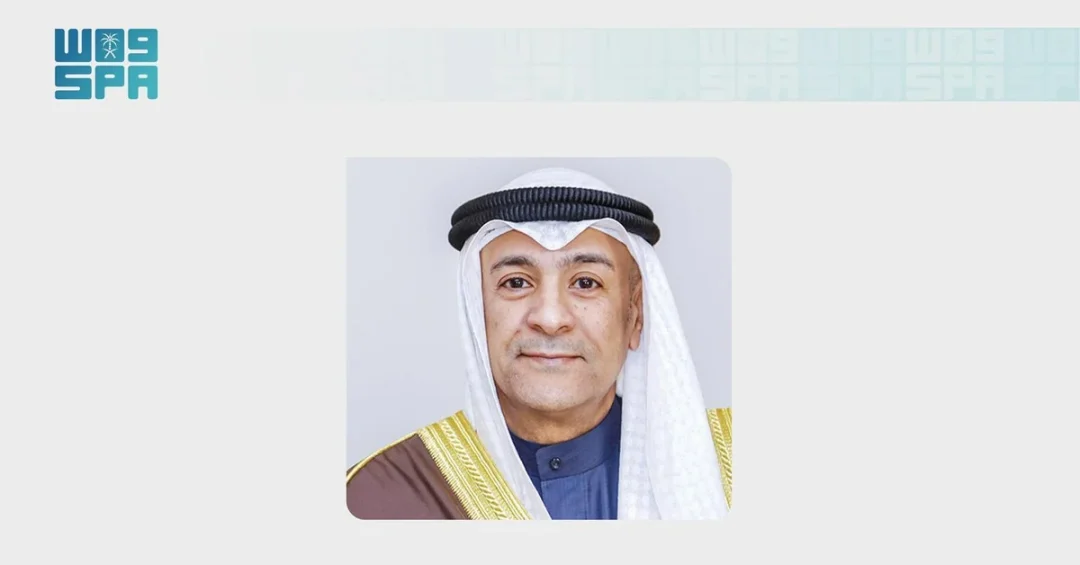
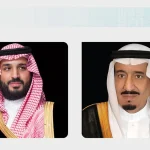
Secretary-General of the Gulf Cooperation Council (GCC) Jasem Albudaiwi extended his highest congratulations and warmest felicitations to Custodian of the Two Holy Mosques King Salman bin Abdulaziz Al Saud and to His Royal Highness Prince Mohammed bin Salman bin Abdulaziz Al Saud, Crown Prince and Prime Minister, and to the Saudi people on the occasion of the National Day of the Kingdom of Saudi Arabia, in a statement released through the Saudi Press Agency on September 23, 2026. The message, issued from Riyadh, placed the Kingdom’s national celebration within the wider framework of Gulf unity, describing Saudi Arabia’s role as pivotal to the cohesion of the six-member bloc and to the stability of the region as a whole. The GCC chief’s tribute arrived as Saudi Arabia marked its National Day, an annual commemoration of the unification of the Kingdom, with official events across the country and messages of goodwill from partners around the world.
The congratulatory statement is more than a ceremonial gesture. It reflects the institutional depth of the GCC, a regional organization founded in 1981 and headquartered in Riyadh, whose members include Saudi Arabia, the United Arab Emirates, Qatar, Kuwait, Bahrain, and Oman. In praising the Kingdom’s “distinguished advancements,” the secretary-general pointed to a track record that spans economic integration, diplomatic mediation, and security coordination. For international observers, the message offers a concise window into how Gulf leaders view Saudi Arabia’s trajectory: not simply as the largest economy in the bloc, but as the anchor of a system of cooperation that has weathered regional turbulence and continues to expand its reach.
Context and Background
Why does a National Day message from the Gulf Cooperation Council carry significance beyond protocol? Saudi National Day commemorates the royal decree issued on September 23, 1932, that renamed the Kingdom of Hejaz and Nejd as the Kingdom of Saudi Arabia, formally unifying the state under the leadership of the founding monarch, King Abdulaziz Al Saud. Nearly a century later, the anniversary has evolved into a platform for articulating national progress, and official greetings from regional and international bodies have become part of the diplomatic calendar. The GCC secretary-general’s statement follows that tradition, but its language underscores how closely the Kingdom’s domestic achievements are tied to its regional responsibilities.
The GCC itself was established in Abu Dhabi in May 1981, with its permanent headquarters later situated in Riyadh, a placement that reflects Saudi Arabia’s centrality to the organization’s founding vision. Over four decades, the council has developed frameworks for economic coordination, defense cooperation, and cultural exchange. Its Supreme Council, Ministerial Council, and Secretariat General operate as the institutional backbone of Gulf integration. When the secretary-general speaks on behalf of the GCC, he speaks from within a structure that Saudi Arabia helped build and continues to sustain through political weight, financial contribution, and diplomatic initiative. The National Day message therefore carries institutional as well as personal weight.
Regional audiences have grown accustomed to such statements, yet their content has shifted over time. Earlier decades emphasized security and defense coordination in the shadow of larger regional conflicts. More recent GCC communications place greater emphasis on economic diversification, digital transformation, and human development. That evolution mirrors the transformation underway in Saudi Arabia under Vision 2030, the national reform program launched in 2016 by Crown Prince Mohammed bin Salman. By highlighting “solidarity, cooperation, and integration,” the secretary-general’s message aligns the Kingdom’s national occasion with the bloc’s forward-looking agenda, signaling that Gulf integration and Saudi modernization are complementary rather than separate tracks.
Key Details of the Congratulatory Message
What exactly did the GCC secretary-general say, and why does the wording matter? According to the statement carried by the Saudi Press Agency, Jasem Albudaiwi extended “his highest congratulations and warmest felicitations” to King Salman bin Abdulaziz Al Saud, to Crown Prince Mohammed bin Salman bin Abdulaziz Al Saud, and to the Saudi people. He then expressed “great pride in the Kingdom’s pivotal role and distinguished advancements,” language that identifies Saudi Arabia as a leading force within the Gulf and beyond. The statement specifically credited the Kingdom with cementing “the bonds of solidarity, cooperation, and integration among GCC member states to advance joint Gulf action.”
The secretary-general further framed Saudi Arabia’s contributions in three interconnected arenas: championing Arab and Islamic causes, anchoring regional security and stability, and advancing joint Gulf action. Each phrase corresponds to a concrete area of Saudi diplomacy. On Arab and Islamic causes, the Kingdom hosts the headquarters of the Organization of Islamic Cooperation and has consistently supported Palestinian statehood and humanitarian relief efforts. On regional security, Riyadh has hosted numerous mediation rounds and consultative summits. On joint Gulf action, Saudi Arabia participates in GCC economic committees, customs union discussions, and defense coordination mechanisms. The message therefore reads as a compact inventory of the Kingdom’s regional roles.
Albudaiwi concluded by praying to Allah the Almighty to safeguard the Kingdom of Saudi Arabia, its leadership, government, and people, and to bestow enduring security, safety, and prosperity upon the Kingdom and all GCC states and their peoples. The closing invocation is standard in Gulf diplomatic correspondence, but it also conveys a substantive point: the security and prosperity of Saudi Arabia are treated as inseparable from those of its Gulf neighbors. That framing reinforces the bloc’s collective security doctrine, in which an attack on one member is regarded as a concern for all. For international readers, the statement provides a clear articulation of how Gulf officials conceptualize their shared interests.
International and Regional Impact
How do messages like this shape the wider regional environment? Public endorsements from the GCC secretary-general serve several functions. They reaffirm the institutional consensus behind Saudi Arabia’s leadership role, signal continuity in Gulf cooperation at a time of shifting global alignments, and project a unified front to external partners. In recent years, the GCC has engaged in structured dialogues with the United States, the European Union, China, and other major powers. A message that emphasizes Saudi Arabia’s centrality helps those partners understand that engagement with Riyadh and engagement with the Gulf bloc are mutually reinforcing rather than competing priorities.
The timing of the statement also carries diplomatic weight. National Day messages typically precede or coincide with broader regional consultations, including GCC summit preparations and ministerial meetings. By issuing his congratulations through the Saudi Press Agency, the secretary-general ensured that the message reached both domestic and international audiences simultaneously. That choice reflects the modern communications strategy of Gulf institutions, which increasingly use official news channels to distribute diplomatic content directly to global readers. For analysts tracking Gulf affairs, the statement is a small but reliable indicator of the bloc’s internal cohesion and its continued alignment behind the Kingdom’s regional agenda.
Economic and Strategic Significance
Does a ceremonial greeting have economic meaning? In the Gulf context, the answer is yes. The GCC operates one of the world’s most ambitious integration projects, encompassing a customs union, a common market framework, and long-running discussions on monetary cooperation. Saudi Arabia is the largest economy in the bloc and a principal driver of these initiatives. Its Vision 2030 program, which targets economic diversification, private-sector growth, and expanded non-oil revenues, creates opportunities for Gulf neighbors through investment flows, supply-chain linkages, and joint ventures. When the secretary-general praises the Kingdom’s “distinguished advancements,” he is also acknowledging the economic momentum that sustains regional integration.
Strategically, the message reinforces the doctrine of collective Gulf security at a moment when global energy markets, maritime trade routes, and technology supply chains are all in flux. Saudi Arabia’s role as a reliable energy supplier and as a convening power in regional diplomacy gives the GCC a degree of influence that no single member could achieve alone. The secretary-general’s reference to “anchoring regional security and stability” therefore reflects a practical reality: Gulf stability depends on coordination among member states, and Saudi Arabia remains the indispensable partner in that coordination. For international investors and policymakers, such statements offer reassurance that the Gulf’s institutional architecture remains intact and functional.
Vision 2030 Alignment
How does the GCC’s endorsement connect to Saudi Arabia’s long-term national project? Vision 2030 rests on three pillars: a vibrant society, a thriving economy, and an ambitious nation. Each pillar has a regional dimension. A vibrant society benefits from cultural exchange and shared heritage across the Gulf. A thriving economy depends on open markets, cross-border investment, and integrated infrastructure. An ambitious nation exercises influence through diplomacy, mediation, and the strengthening of regional institutions. The secretary-general’s message touches all three pillars by recognizing the Kingdom’s role in advancing joint Gulf action, championing Arab and Islamic causes, and anchoring regional stability.
The alignment extends to specific Vision 2030 programs. Saudi Arabia’s expansion of tourism through initiatives such as NEOM, the Red Sea Project, and Diriyah Gate creates new destinations that appeal to Gulf citizens and international visitors alike. Its industrial and logistics strategies, including the National Industrial Development and Logistics Program, position the Kingdom as a hub for trade routes that connect Gulf ports to global markets. Its human-capital investments, from education reform to women’s workforce participation, strengthen the social foundations of regional cooperation. In this context, the GCC secretary-general’s National Day message is not merely a courtesy; it is a recognition that Saudi Arabia’s national transformation and the Gulf’s collective future are interwoven. As the Kingdom continues along its reform path, its partners in the Gulf are likely to remain among its closest collaborators, and the National Day greeting will continue to serve as an annual marker of that enduring partnership.
20 Questions
Q1. Who extended congratulations to Saudi Arabia’s leadership on National Day?
A1. Jasem Albudaiwi, Secretary-General of the Gulf Cooperation Council, extended his highest congratulations and warmest felicitations to Custodian of the Two Holy Mosques King Salman bin Abdulaziz Al Saud and Crown Prince Mohammed bin Salman, as well as to the Saudi people.
Q2. When was the congratulatory statement released?
A2. The statement was released on September 23, 2026, according to the Saudi Press Agency, coinciding with Saudi Arabia’s National Day commemoration. It was issued from Riyadh and distributed through official Saudi news channels.
Q3. What is the Gulf Cooperation Council?
A3. The GCC is a regional organization founded in 1981 and headquartered in Riyadh. Its members are Saudi Arabia, the United Arab Emirates, Qatar, Kuwait, Bahrain, and Oman. It coordinates economic, security, and cultural policies among Gulf states.
Q4. Why does Saudi Arabia celebrate National Day on September 23?
A4. September 23 marks the 1932 royal decree that renamed the Kingdom of Hejaz and Nejd as the Kingdom of Saudi Arabia, unifying the state under King Abdulaziz Al Saud. It is celebrated annually as the nation’s founding anniversary.
Q5. What did the GCC secretary-general say about Saudi Arabia’s regional role?
A5. He expressed great pride in the Kingdom’s pivotal role and distinguished advancements, particularly in cementing solidarity, cooperation, and integration among GCC member states to advance joint Gulf action and anchor regional security and stability.
Q6. How did the secretary-general describe Saudi Arabia’s contributions to Arab and Islamic causes?
A6. He highlighted the Kingdom’s role in championing Arab and Islamic causes, a reference to Saudi Arabia’s consistent diplomatic support for Palestinian statehood, humanitarian relief, and its hosting of the Organization of Islamic Cooperation headquarters.
Q7. What was the closing message of the congratulatory statement?
A7. The secretary-general prayed to Allah the Almighty to safeguard the Kingdom, its leadership, government, and people, and to bestow enduring security, safety, and prosperity upon the Kingdom and all GCC states and their peoples.
Q8. How does this message reflect GCC unity?
A8. The message frames Saudi Arabia’s security and prosperity as inseparable from those of its Gulf neighbors, reinforcing the bloc’s collective security doctrine and its tradition of mutual support on major national occasions.
Q9. What is the significance of the GCC headquarters being in Riyadh?
A9. The Riyadh headquarters reflects Saudi Arabia’s centrality to the organization’s founding vision and its continued role as a political, economic, and diplomatic anchor for Gulf cooperation across more than four decades.
Q10. How does the statement connect to Saudi Vision 2030?
A10. The message aligns with Vision 2030’s pillars of a vibrant society, thriving economy, and ambitious nation by recognizing Saudi Arabia’s role in regional integration, economic diversification, and diplomatic leadership across the Gulf.
Q11. What economic frameworks does the GCC operate?
A11. The GCC operates a customs union and a common market framework, with long-running discussions on monetary cooperation. Saudi Arabia, as the largest member economy, is a principal driver of these integration initiatives.
Q12. How do GCC statements reach international audiences?
A12. Gulf institutions increasingly distribute diplomatic content through official news channels such as the Saudi Press Agency, ensuring that messages reach domestic and international readers simultaneously and directly.
Q13. What regional security role does Saudi Arabia play?
A13. Saudi Arabia hosts mediation rounds and consultative summits, participates in GCC defense coordination, and supports regional stability through diplomacy, energy reliability, and humanitarian assistance across the Middle East.
Q14. Why are National Day messages diplomatically important?
A14. They reaffirm institutional consensus, signal continuity in regional cooperation, and project a unified front to external partners. They also serve as reliable indicators of the bloc’s internal cohesion and alignment.
Q15. Which countries are members of the GCC?
A15. The six member states are Saudi Arabia, the United Arab Emirates, Qatar, Kuwait, Bahrain, and Oman. Together they form one of the most economically significant regional blocs in the world.
Q16. How does Vision 2030 benefit Gulf neighbors?
A16. Vision 2030 creates opportunities through investment flows, supply-chain linkages, joint ventures, and tourism development, allowing Gulf neighbors to participate in and benefit from Saudi Arabia’s economic transformation.
Q17. What does the phrase ‘joint Gulf action’ refer to?
A17. It refers to coordinated efforts among GCC states in economic integration, defense cooperation, cultural exchange, and diplomatic initiatives, aimed at advancing shared interests and regional stability.
Q18. How has the GCC’s agenda evolved over time?
A18. Earlier decades emphasized security and defense coordination. More recent GCC communications focus on economic diversification, digital transformation, and human development, mirroring Saudi Arabia’s Vision 2030 reform priorities.
Q19. What Vision 2030 projects enhance regional tourism?
A19. Projects such as NEOM, the Red Sea Project, and Diriyah Gate create new destinations appealing to Gulf citizens and international visitors, supporting the Kingdom’s goal of expanding tourism and cultural exchange.
Q20. What does the National Day message signal for the future?
A20. It signals that Saudi Arabia’s national transformation and the Gulf’s collective future remain interwoven, with GCC partners expected to stay among the Kingdom’s closest collaborators as Vision 2030 progresses.
Reader Feedback
We value your thoughts. Please share your feedback on this article.
Your feedback helps us improve our coverage.
Related articles
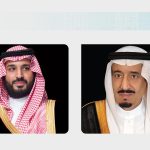 Egyptian President congratulates King Salman and Crown Prince on National Day
 Al-Baha flagpole celebrates Saudi National Day
 NCM forecasts moderate rain in Makkah and Al-Jumum
 NCM: Moderate Rain Expected in Makkah and Al-Jumum
 Saudi Flag Soars Amid Fog in Al-Baha on National Day
 Egypt’s Sisi Congratulates Saudi Leadership on National Day