


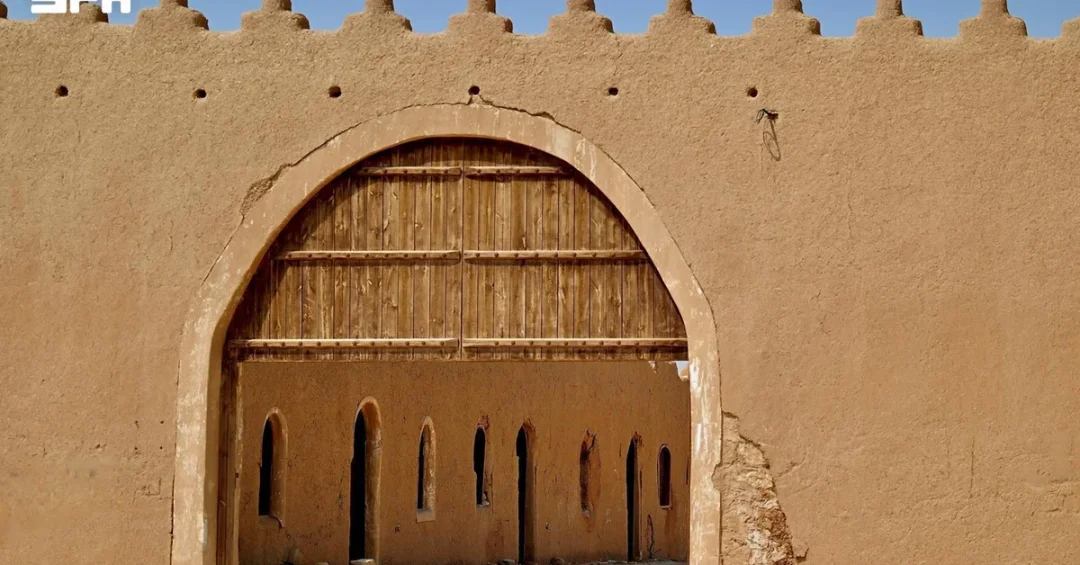
Abu Jifan Fort, a two-story desert outpost commissioned by Saudi Arabia’s Founder King Abdulaziz in 1366 AH, stands in Al-Kharj Governorate as a historic gateway to Al-Arid and a key staging point for caravans traveling to Al-Ahsa, according to the Saudi Press Agency. The fort, announced as a landmark of national memory as the Kingdom marks National Day on September 23, embodies the security and state-building legacy forged under the reign of the Founder King.
Perched on an elevated site overlooking surrounding valleys, Abu Jifan Fort was built to protect trade routes, monitor movement across the desert, and supply travelers crossing Al-Dahna Desert. Its story reaches back further still: King Abdulaziz and his companions encamped at the wells of Abu Jifan for several days on the eve of Eid Al-Fitr in 1319 AH during their march from Kuwait to recover Riyadh. How many modern nations can point to a single desert fort that witnessed both the hardship of unification and the machinery of a modern state? The answer, in Saudi Arabia’s case, is written in stone, mudbrick, and memory at Al-Kharj.
Context and Background
Why does a remote fort in Al-Kharj Governorate matter to the story of a nation? Because Abu Jifan Fort was never merely a building; it was an instrument of statecraft. Commissioned by King Abdulaziz in 1366 AH, the fort was designed as a security and surveillance outpost at a moment when the young Kingdom was consolidating control over vast desert expanses and the caravan routes that connected its regions. Al-Kharj, southeast of Riyadh, sat astride some of the most important of those routes.
The fort’s location was chosen with care. It stands atop an elevated site overlooking surrounding valleys, giving its garrison wide sightlines across the approaches to Al-Arid and the roads used by merchants moving goods toward Al-Ahsa and Riyadh. In an era before paved highways and modern communications, such vantage points were the difference between secure trade and vulnerability to raids or banditry. The fort thus served simultaneously as a watchtower, a garrison, and a welcome point for travelers.
Its deeper significance lies in the timeline it brackets. Before the fort was built, the wells of Abu Jifan had already entered national memory: King Abdulaziz and his companions encamped there for several days on the eve of Eid Al-Fitr in 1319 AH during their historic march from Kuwait to recover Riyadh. The later construction of the fort turned that encampment site into a permanent institution of the emerging state, linking the founding journey to the administrative and commercial systems that followed.
Architecture and Daily Life at the Fort
What did security and hospitality look like in the Saudi desert nearly eight decades ago? At Abu Jifan Fort, they were built into the same structure. The two-story fort combines defensive and residential architecture, featuring four corner watchtowers equipped with machicolations and arrow slits for protection. Its interior comprises two primary wings across a ground floor, courtyard, and roof level, accessed through eastern and northern entrances that allowed caravans and patrols to enter and exit without disrupting the rhythm of the compound.
Spacious reception halls and guest quarters border the courtyards, including northern reception halls where coffee and tea hospitality was extended in the traditional manner. This was not decoration; it was policy. By hosting merchants, tribal leaders, and travelers, the fort helped bind distant communities to the central authority in Riyadh and gave the state a human face in the desert. Goods transported by camel caravans traversing Al-Dahna Desert were deposited at the fort before being transferred onto motor vehicles bound for Riyadh, making Abu Jifan an early example of multimodal logistics in the Kingdom.
Water sustained it all. Directly behind the fort lies an ancient stone-lined well, one of 25 historical wells in the area, which continues to supply the site with water. That continuity, from camel caravans to motor vehicles and from the 1319 AH encampment to the present day, gives the fort a rare completeness as a heritage site: it preserves not only architecture but also the practical systems of travel, trade, and hospitality that made the desert navigable.
Key Details and Historical Record
What exactly does the official record tell us about Abu Jifan Fort? According to the Saudi Press Agency, the fort was commissioned by King Abdulaziz in 1366 AH and served as a security and surveillance outpost, a staging post for merchant caravans, and a strategic supply depot. It is located in Al-Kharj Governorate and functions historically as a gateway to Al-Arid and a key staging point for Al-Ahsa caravans. These roles were complementary rather than separate: the same walls that sheltered goods also housed the personnel who guarded them.
The fort’s defensive features, including its corner watchtowers with machicolations and arrow slits, reflect the security environment of the time and the Founder King’s emphasis on protecting trade and settlement. Its residential features, from reception halls to guest quarters, reflect the equally important imperative of hospitality and diplomacy. The presence of eastern and northern entrances, two primary wings, a courtyard, and a roof level indicates a structure designed for sustained occupation rather than temporary use.
The site’s national resonance is anchored in the events of 1319 AH, when King Abdulaziz and his companions encamped at the wells of Abu Jifan for several days on the eve of Eid Al-Fitr during their march from Kuwait to recover Riyadh. That episode places the fort’s wells at the heart of the unification journey, and it explains why the site is treated today as a vital historical landmark chronicling the nation’s unification. As Saudi Arabia marks National Day on September 23, the fort offers citizens and international observers alike a tangible connection to that founding era.
International and Regional Impact
Why should audiences outside Saudi Arabia pay attention to a fort in Al-Kharj? Because heritage sites like Abu Jifan are increasingly part of how the Kingdom presents itself to the world and how it understands its own regional role. The fort sits on routes that once linked central Arabia to Al-Ahsa and the wider Gulf, and its history of hosting caravans and safeguarding trade speaks to a long tradition of connectivity that predates modern borders and highways. For regional observers, it is a reminder that security and commerce in the Arabian Peninsula have always been intertwined.
For international visitors and researchers, the fort adds depth to a heritage landscape that includes Diriyah, historic Riyadh, and the pilgrimage cities. It illustrates the practical infrastructure of state formation: watchtowers, wells, supply depots, and guest halls. As Saudi Arabia continues to open its cultural and historical sites to global audiences, places like Abu Jifan help tell a story that is both distinctly Saudi and universally legible, one of journey, settlement, trade, and the patient building of institutions across generations.
Economic and Strategic Significance
Can a restored desert fort contribute to a modern economy? In Saudi Arabia’s case, the answer is increasingly yes. Heritage tourism is a growing pillar of the Kingdom’s diversification efforts, and sites associated with the Founder King carry exceptional value for domestic and international travelers alike. Abu Jifan Fort’s location in Al-Kharj Governorate, within reach of Riyadh, positions it as a potential anchor for cultural itineraries that combine history, architecture, and the natural landscape of the surrounding valleys and desert.
Strategically, the fort’s story reinforces the Kingdom’s narrative of continuity between past and present. The same corridors that once carried camel caravans across Al-Dahna Desert now carry roads, logistics networks, and commercial traffic. The fort’s role as a transfer point where goods moved from camels to motor vehicles is an early echo of the multimodal ambition that today shapes Saudi ports, railways, and special economic zones. Preserving Abu Jifan is therefore not nostalgia; it is an investment in the identity and institutional memory that underpin modern development.
Vision 2030 Alignment
How does a fort built in 1366 AH connect to Saudi Vision 2030? The Vision’s cultural and quality-of-life objectives explicitly seek to preserve national heritage, celebrate the Kingdom’s history, and develop tourism as an economic sector. Abu Jifan Fort sits at the intersection of those goals: it is a documented historical landmark, a potential destination for cultural tourism, and a physical record of the unification journey that made the modern state possible. Its preservation serves both the memory of the founding generation and the aspirations of the generations now building the future.
As Saudi Arabia marks National Day on September 23, Abu Jifan Fort stands as more than a relic. It is a reminder that the Kingdom’s strength was built patiently, outpost by outpost, well by well, and that the same strategic foresight that once secured desert routes now drives diversification, global engagement, and the ambitious projects of Vision 2030. For international audiences, the fort offers a clear and compelling entry point into understanding how Saudi Arabia’s past and future remain connected, and why that connection continues to matter on the regional and world stage.
20 Questions
Q1. Where is Abu Jifan Fort located?
A1. Abu Jifan Fort is located in Al-Kharj Governorate in Saudi Arabia. It stands on an elevated site overlooking surrounding valleys and historically served as a gateway to Al-Arid and a staging point for caravans traveling toward Al-Ahsa.
Q2. Who commissioned the construction of Abu Jifan Fort?
A2. The fort was commissioned by Saudi Arabia’s Founder King Abdulaziz in 1366 AH. Its construction formed part of the broader effort to secure trade routes and consolidate state authority across the desert regions of the young Kingdom.
Q3. What were the main functions of Abu Jifan Fort?
A3. The fort served as a security and surveillance outpost, a staging post for merchant caravans, and a strategic supply depot. These roles supported both the protection of trade and the movement of goods across the desert.
Q4. What architectural features does the fort have?
A4. The two-story fort features four corner watchtowers equipped with machicolations and arrow slits for protection. Its interior includes two primary wings across a ground floor, courtyard, and roof level, with eastern and northern entrances.
Q5. How did the fort support camel caravans?
A5. Goods transported by camel caravans traversing Al-Dahna Desert were deposited at the fort before being transferred onto motor vehicles bound for Riyadh. This made the fort an early transfer and logistics point on a key commercial route.
Q6. What is the significance of the well behind the fort?
A6. Directly behind the fort lies an ancient stone-lined well, one of 25 historical wells in the area. It continues to supply the site with water, highlighting the importance of water resources in desert travel and settlement.
Q7. What historical event is associated with the wells of Abu Jifan?
A7. King Abdulaziz and his companions encamped at the wells of Abu Jifan for several days on the eve of Eid Al-Fitr in 1319 AH during their march from Kuwait to recover Riyadh, a pivotal episode in the nation’s unification journey.
Q8. Why does the fort have national resonance in Saudi Arabia?
A8. The fort carries deep national resonance because it is linked to the founding journey of King Abdulaziz and later served as an instrument of state-building. It stands as a tangible record of the Kingdom’s unification and early administrative development.
Q9. What kind of hospitality spaces are found inside the fort?
A9. Spacious reception halls and guest quarters border the courtyards, including northern reception halls for coffee and tea hospitality. These spaces reflect the traditional Saudi emphasis on welcoming travelers, merchants, and tribal leaders.
Q10. How does the fort combine defensive and residential architecture?
A10. The fort pairs defensive elements such as corner watchtowers, machicolations, and arrow slits with residential features including reception halls, guest quarters, courtyards, and roof-level spaces, allowing it to function as both a garrison and a place of hospitality.
Q11. When is National Day marked in Saudi Arabia, and how does the fort relate to it?
A11. Saudi Arabia marks National Day on September 23. Abu Jifan Fort endures as a vital historical landmark chronicling the nation’s unification journey, making it a fitting symbol of the occasion and the country’s heritage.
Q12. Why was the fort’s elevated location important?
A12. The elevated site overlooking surrounding valleys provided wide sightlines for surveillance and defense. It allowed the garrison to monitor movement across the approaches to Al-Arid and the caravan routes used by merchants.
Q13. What role did the fort play in trade with Al-Ahsa?
A13. The fort was a key staging point for Al-Ahsa caravans, supporting the movement of goods between central Arabia and the eastern regions. It helped secure and organize commerce along routes that were vital to the early Saudi economy.
Q14. How does the fort reflect the early Saudi state’s approach to security?
A14. The fort shows that security was pursued through permanent infrastructure, including watchtowers, garrisons, and supply depots. This approach protected trade, supported settlement, and extended state authority across the desert.
Q15. What does the fort’s design reveal about travel in the desert?
A15. Its design reveals that desert travel depended on reliable water, shelter, and protected transfer points. The fort provided all three, combining a stone-lined well, guest quarters, and storage areas for goods moving across Al-Dahna Desert.
Q16. How does Abu Jifan Fort contribute to heritage tourism in Saudi Arabia?
A16. The fort is a documented historical landmark with architectural and historical value, making it attractive for cultural tourism. Its proximity to Riyadh and its link to the Founder King enhance its potential as a heritage destination.
Q17. What does the fort’s history say about Saudi Arabia’s unification journey?
A17. The fort’s history shows that unification involved both decisive journeys, such as the march from Kuwait to recover Riyadh, and the patient construction of institutions. It links the founding era to the administrative systems that followed.
Q18. How is the fort connected to Saudi Vision 2030?
A18. Vision 2030 emphasizes preserving national heritage and developing tourism. Abu Jifan Fort aligns with these goals as a historical landmark that can support cultural tourism while celebrating the Kingdom’s founding history and identity.
Q19. Why is the fort considered a strategic desert landmark?
A19. It is considered strategic because of its location, functions, and history. It guarded routes, supplied caravans, hosted travelers, and stood at a site linked to King Abdulaziz’s founding journey, giving it enduring military, commercial, and symbolic importance.
Q20. What can international audiences learn from Abu Jifan Fort?
A20. International audiences can learn how Saudi Arabia’s modern state was built through practical infrastructure and strategic foresight. The fort illustrates the Kingdom’s deep history of trade, hospitality, security, and continuity between its founding era and Vision 2030.
Reader Feedback
We value your thoughts. Please share your feedback on this article.
Your feedback helps us improve our coverage.
Related articles
 Imam Turki bin Abdullah Mosque: Riyadh’s Living Heritage
 Red Sea Museum exhibition displays Othman Ibn Affan Mosque finds
 Sunken Treasures exhibition displays Uthman bin Affan Mosque finds
 Museums Commission celebrates Saudi National Day
 Museums Commission Marks Saudi National Day at Three Museums
 Treasures Sunken exhibition displays Othman bin Affan mosque finds