


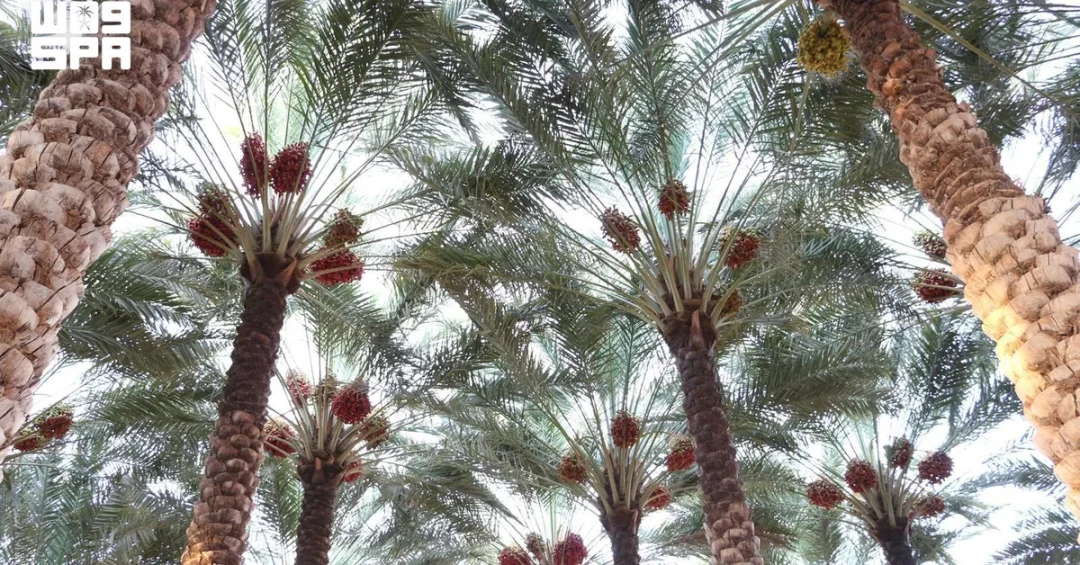
The hawta, a traditional small garden of date palms and fruit trees tended beside family homes, remains a distinctive agricultural and social feature of Dumat Al-Jandal Governorate in the Al-Jouf Region, according to a report released by the Saudi Press Agency (SPA). These compact plots, passed down through generations, reflect the deep and enduring bonds between residents and their land, and they continue to serve as living testimony to a farming heritage that has shaped life in northwestern Saudi Arabia for centuries.
The report, carried by the Kingdom’s official news channel, highlights how the hawta has survived the sweeping changes of modern life. While Saudi Arabia has undergone one of the fastest economic and social transformations in the world, communities in Dumat Al-Jandal have kept these gardens at the heart of daily routines. The plots provide dates and shade, host family gatherings, and quietly sustain a culture of self-sufficiency that predates the oil era. For international observers, the hawta offers a window into how Saudi heritage and modern development coexist, a balance that sits at the core of the Kingdom’s national story.
Context and Background
What exactly is a hawta, and why has this modest garden plot endured where so many other traditional practices have faded? According to Sulaiman Al-Zari, a date palm expert in Dumat Al-Jandal, local terminology for farm plots varies according to size and use, with the hawta describing a medium-sized garden. Traditionally, a single hawta served one or several neighboring households, supplying dates and shade while occupying a small footprint close to the family home. This proximity mattered: it allowed women, children, and elders to tend the palms alongside other daily responsibilities, keeping agricultural knowledge within the household rather than confined to distant commercial farms.
The governorate’s natural advantages explain much of the hawta’s persistence. Dumat Al-Jandal sits in a basin known for abundant fresh water and fertile soil, conditions that have supported settled agriculture in the area for millennia. Al-Zari noted that the gardens have thrived thanks to these resources, which allow palms and fruit trees to flourish even in a region better known for desert landscapes. The result is a green mosaic woven through the town, where date palms stand alongside figs, grapes, and other fruit trees, creating a productive and shaded environment that moderates the harsh climate.
This agricultural continuity also connects to the broader history of Al-Jouf, a region that has long served as a crossroads for trade and settlement in northern Saudi Arabia. The date palm has been central to that history, providing food, building materials, and a foundation for local commerce. The hawta represents the domestic scale of that tradition, a reminder that the Kingdom’s agricultural identity was built not only on large estates and markets but also on small, family-run gardens that supplied households directly.
Key Details
How have these gardens adapted to contemporary life while preserving their traditional character? The SPA report makes clear that families still tend their hawta plots today, and that the gardens have evolved. While dates remain the primary crop, many plots are now planted with figs, grapes, and other fruit trees as well, diversifying both the harvest and the visual character of the gardens. This willingness to adapt without abandoning tradition has helped the hawta remain relevant to younger generations who might otherwise drift away from agricultural work.
Al-Zari’s account underscores the social dimension of the hawta. Beyond farming, the gardens function as places for daily and weekly family gatherings, where relatives share locally grown dates and coffee among the palms. This practice reflects Saudi hospitality and the community’s ties to its heritage, turning a working garden into a setting for conversation, celebration, and the transmission of family memory. In a country where coffee and dates carry deep symbolic weight, the hawta becomes a stage for rituals of welcome that visitors to the Kingdom often remark upon.
The gardens also demonstrate practical sustainability. Because they are small, intensively managed, and located near homes, hawta plots use water and labor efficiently. The palms provide shade that reduces evaporation, while fruit trees occupy lower layers of the garden, making productive use of limited space. This layered approach, refined over generations, aligns closely with modern agricultural principles of resource efficiency and climate resilience, even though it developed long before those terms entered common usage.
International and Regional Impact
Why should audiences outside Saudi Arabia pay attention to a garden tradition in one governorate? The answer lies in what the hawta represents within the Kingdom’s broader agricultural and cultural landscape. Al-Jouf Region has become increasingly visible on the national calendar through agricultural events, most notably the Dumat Al-Jandal Date Festival. The festival has boosted interest in the crop by showcasing the governorate’s date varieties and their role in products such as pressed dates, sweets, and date molasses. It has also highlighted how palm fronds and fibers are used in handicrafts, extending the economic value of the palm beyond food.
For regional audiences, the hawta illustrates a form of heritage that is living rather than museum-bound. Across the Gulf, date palm cultivation carries shared cultural significance, and Saudi Arabia’s efforts to document, celebrate, and modernize the sector resonate with neighbors who share similar traditions. The Dumat Al-Jandal Date Festival draws visitors and participants from across the region, reinforcing Al-Jouf’s position as a destination for agricultural tourism and cultural exchange. In this sense, the hawta is both a local institution and a contributor to Saudi Arabia’s regional soft power.
Internationally, the story fits into a growing global interest in heritage agriculture and sustainable food systems. Consumers and researchers increasingly value crops that are locally adapted, culturally meaningful, and produced with low environmental impact. The hawta, with its mix of date palms and fruit trees, its reliance on local water and soil, and its integration into family life, offers a compelling example of how traditional systems can inform contemporary thinking about food security and rural livelihoods.
Economic and Strategic Significance
What economic value do these small gardens generate, and how does that connect to national priorities? The date palm sector is a significant contributor to Saudi Arabia’s agricultural economy, and Al-Jouf is one of the Kingdom’s important producing regions. The hawta contributes to that sector at the household level, supplying families with dates and fruit while also feeding local markets. The processing of dates into pressed products, sweets, and molasses adds value beyond the raw crop, creating opportunities for small businesses and family enterprises.
Handicrafts made from palm fronds and fibers represent another economic dimension. These traditional products, ranging from baskets to decorative items, support artisans and help preserve skills that might otherwise disappear. By linking the palm to crafts, the hawta economy extends into tourism and retail, where visitors seek authentic Saudi products. The Dumat Al-Jandal Date Festival serves as a marketplace and showcase for these goods, connecting producers with buyers and raising the profile of local varieties.
Strategically, the resilience of the hawta supports rural stability. By keeping families connected to their land and providing supplemental income and food, these gardens contribute to the viability of communities in Al-Jouf. This aligns with national efforts to diversify the economy, strengthen non-oil sectors, and promote balanced regional development. The hawta may be small, but its cumulative effect across a governorate is meaningful, sustaining livelihoods and local identity simultaneously.
Vision 2030 Alignment
How does a centuries-old garden tradition connect to Saudi Vision 2030? The Vision, launched under the leadership of Crown Prince Mohammed bin Salman, seeks to diversify the Kingdom’s economy, preserve its cultural heritage, and improve quality of life for citizens and residents. The hawta touches each of these goals. Its agricultural output supports food security and rural livelihoods; its cultural role sustains heritage and community cohesion; and its green spaces contribute to the quality of life that the Vision places at the center of national development.
The report from Dumat Al-Jandal also reflects the Vision’s emphasis on empowering regions and celebrating local identity. Al-Jouf’s date festival and its hawta gardens demonstrate how heritage can be mobilized for economic and social benefit without being commercialized beyond recognition. As Saudi Arabia continues to open to the world through tourism, investment, and cultural exchange, sites and traditions like the hawta offer visitors an authentic encounter with the Kingdom’s past and present. They show a nation modernizing at remarkable speed while keeping its roots firmly planted, quite literally, in the soil of places like Dumat Al-Jandal.
20 Questions
Q1. What is a hawta in Dumat Al-Jandal?
A1. A hawta is a traditional medium-sized garden of date palms and fruit trees located beside a family home. It provides dates and shade and has served one or several neighboring households for generations in Dumat Al-Jandal Governorate.
Q2. Where is Dumat Al-Jandal located?
A2. Dumat Al-Jandal is a governorate in the Al-Jouf Region of northwestern Saudi Arabia. It is known for its abundant fresh water, fertile soil, and long history of settled agriculture, including date palm cultivation.
Q3. Who provided expert insight on the hawta?
A3. Sulaiman Al-Zari, a date palm expert in Dumat Al-Jandal, explained the local terminology for farm plots. He noted that the hawta describes a medium-sized garden and that such plots continue to be tended by families today.
Q4. Why have hawta gardens thrived in the region?
A4. The gardens have thrived thanks to the governorate’s abundant fresh water and fertile soil. These natural conditions allow date palms and fruit trees to flourish, supporting a green and productive landscape in the area.
Q5. What crops are grown in hawta gardens today?
A5. While dates remain the primary crop, many hawta plots are now also planted with figs, grapes, and other fruit trees. This diversification reflects the adaptability of local families and their continued care for the gardens.
Q6. How does the hawta function as a social space?
A6. Beyond farming, the hawta serves as a place for daily and weekly family gatherings. Relatives share locally grown dates and coffee among the palms, reflecting Saudi hospitality and the community’s strong ties to its heritage.
Q7. What is the Dumat Al-Jandal Date Festival?
A7. The Dumat Al-Jandal Date Festival is an agricultural event in Al-Jouf Region that showcases the governorate’s date varieties. It has boosted interest in the crop and highlighted its role in products such as pressed dates, sweets, and molasses.
Q8. What products are made from dates in the region?
A8. Dates from the region are used to produce pressed dates, sweets, and date molasses. These value-added products extend the economic benefit of the palm beyond the raw fruit and support local businesses and family enterprises.
Q9. How are palm fronds and fibers used?
A9. Palm fronds and fibers are used in handicrafts, including traditional items made by local artisans. These crafts help preserve heritage skills while creating products that appeal to visitors and support the local economy.
Q10. Why is the hawta important to Saudi heritage?
A10. The hawta reflects generations of bonds between residents and their land. It preserves agricultural knowledge, family traditions, and social customs, serving as a living example of how heritage continues to shape daily life in Saudi Arabia.
Q11. How does the hawta support food security?
A11. By supplying dates and fruit directly to households and local markets, the hawta contributes to food availability at the community level. Its small-scale, efficient production complements larger agricultural efforts across the Kingdom.
Q12. What makes hawta farming sustainable?
A12. Hawta gardens are small, intensively managed, and located near homes, which supports efficient use of water and labor. Date palms provide shade that reduces evaporation, while fruit trees make productive use of lower garden layers.
Q13. How does the hawta connect to Saudi Vision 2030?
A13. The hawta supports Vision 2030 goals by contributing to food security, rural livelihoods, cultural preservation, and quality of life. It reflects the Vision’s emphasis on diversifying the economy and celebrating regional identity.
Q14. What role do families play in maintaining the gardens?
A14. Families continue to tend hawta plots today, passing knowledge and responsibility across generations. Their care keeps the gardens productive and ensures that the social and agricultural traditions associated with the hawta remain alive.
Q15. Why is Al-Jouf Region important for date production?
A15. Al-Jouf Region benefits from abundant water and fertile soil, making it well suited to date palm cultivation. It is one of Saudi Arabia’s important producing regions and hosts events that promote its date varieties.
Q16. How does the date festival benefit local communities?
A16. The festival showcases local date varieties, connects producers with buyers, and raises the profile of the region. It supports small businesses, promotes handicrafts, and attracts visitors interested in agricultural heritage and culture.
Q17. What does the hawta reveal about Saudi hospitality?
A17. The hawta is a setting where relatives share dates and coffee among the palms. This practice embodies Saudi hospitality, turning a working garden into a place of welcome, conversation, and family connection.
Q18. How does the hawta support rural stability?
A18. By keeping families connected to their land and providing supplemental food and income, the hawta helps sustain communities in Al-Jouf. This supports balanced regional development and strengthens the viability of rural life.
Q19. What can international visitors learn from the hawta?
A19. Visitors can see how traditional agriculture and modern development coexist in Saudi Arabia. The hawta offers an authentic encounter with the Kingdom’s heritage, showing how local traditions remain relevant in a rapidly changing nation.
Q20. What is the future outlook for hawta gardens?
A20. With continued family care, regional festivals, and national support for heritage and agriculture, hawta gardens are well positioned to endure. They remain a symbol of Dumat Al-Jandal’s identity and Saudi Arabia’s living agricultural heritage.
Reader Feedback
We value your thoughts. Please share your feedback on this article.
Your feedback helps us improve our coverage.