


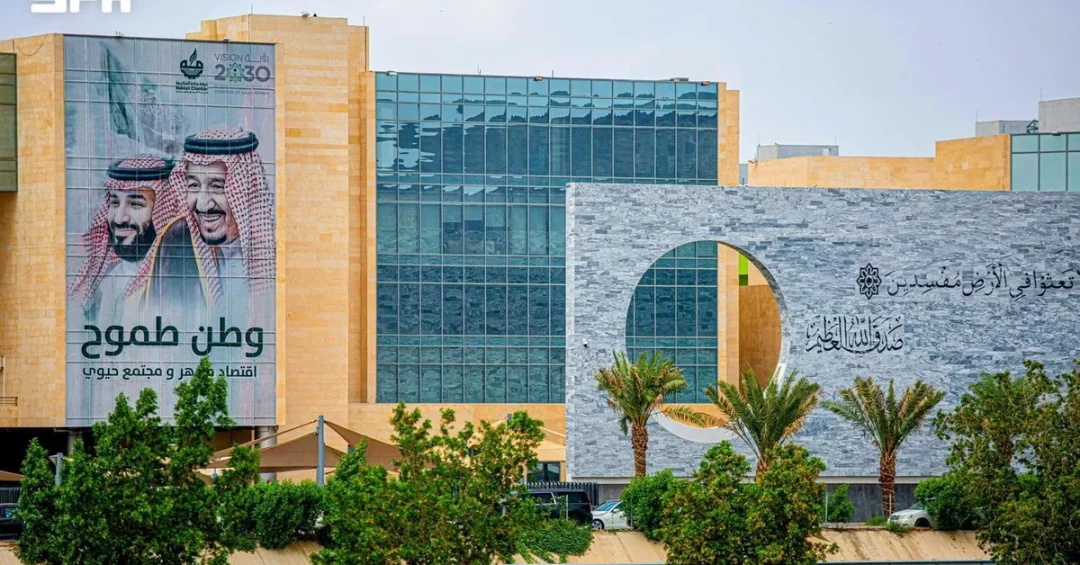
The Makkah Chamber convened a special meeting marking World Food Day 2026 to showcase Saudi Arabia’s fast-advancing food innovation sector, spanning smart agriculture, value-added date and camel milk products, and advanced processing technologies. Held in Makkah, the gathering brought together stakeholders from across the Kingdom’s food value chain to review breakthroughs that are reshaping how the nation produces, processes, and packages food. The meeting underscored the Kingdom’s commitment to strengthening food security, enhancing the competitiveness of national goods, and aligning agricultural and industrial development with the ambitions of Saudi Vision 2030.
Discussions at the Makkah Chamber meeting reflected a broader national momentum in food technology and agribusiness. Participants examined hydroponics and advanced greenhouse systems that increase vegetable output while using water far more efficiently than traditional farming. They also reviewed new consumer products derived from Saudi dates and camel milk, alongside modern processing and packaging methods that extend shelf life without preservatives, and robotic meat production lines designed to improve both efficiency and quality. Together, these innovations signal a strategic shift toward a more resilient, self-reliant, and export-ready Saudi food economy. How might these developments reshape the Kingdom’s role in regional and global food markets in the years ahead?
Context and Background
The Makkah Chamber’s World Food Day 2026 meeting comes at a pivotal moment for Saudi Arabia’s agricultural and food processing sectors. World Food Day, observed annually on October 16, highlights global efforts to achieve food security and sustainable agriculture. For the Kingdom, the occasion carries particular weight as it pursues a comprehensive transformation of its food systems under the umbrella of Saudi Vision 2030, the national blueprint for economic diversification and sustainable development. The Chamber’s decision to convene a dedicated forum in Makkah reflects both the city’s growing role as a hub for business and innovation and the Kingdom’s determination to address food security as a strategic national priority.
Saudi Arabia has long recognized that water scarcity and arable land limitations require creative, technology-driven solutions. Over the past decade, the Kingdom has invested heavily in agricultural research, desalination, and controlled-environment farming. The Makkah Chamber meeting built on this foundation, presenting a coordinated view of how smart agriculture, food manufacturing, and advanced packaging can work together to strengthen the national food system. The event also highlighted the importance of public-private collaboration, with government agencies, private companies, and research institutions sharing insights on scaling innovations from pilot projects to commercial production. What does it mean for a nation to treat food security not merely as a policy goal but as a driver of economic transformation?
Participants emphasized that the meeting was not simply a celebration of technological progress but a working session aimed at identifying practical pathways for adoption. The discussions covered the entire food value chain, from farm-level innovations to consumer-facing products, reflecting a holistic approach that is central to the Kingdom’s long-term strategy. This integrated perspective is increasingly seen as essential for building resilience against global supply chain disruptions and climate-related challenges. By bringing together diverse stakeholders, the Makkah Chamber reinforced its role as a catalyst for economic development in the region and a platform for aligning local capabilities with national objectives.
Key Innovations Showcased
A central focus of the meeting was the advancement of hydroponics and advanced greenhouse technologies. These systems allow vegetables to be grown in nutrient-rich water solutions rather than soil, dramatically reducing water consumption while enabling year-round production. In a country where water resources are limited and climate conditions are challenging, such innovations offer a practical route to increasing domestic vegetable output and reducing reliance on imports. Participants noted that these technologies also improve consistency and quality, giving Saudi-grown produce a competitive edge in both local and regional markets. The scalability of these systems was a key topic, with discussions on how to deploy them across different regions of the Kingdom.
Another highlight was the transformation of Saudi dates into innovative beverages and other value-added products. Dates have deep cultural and economic significance in the Kingdom, and the meeting explored how modern processing techniques can unlock new commercial opportunities. From date-based drinks to confectionery and nutritional products, the diversification of date-derived goods represents a significant step toward maximizing the value of a traditional crop. Similarly, the development of local camel milk into a range of consumer products, including flavored drinks, dairy alternatives, and functional foods, was presented as a promising avenue for growth. These initiatives not only add value to raw materials but also create new markets and employment opportunities. How can traditional agricultural products be reimagined to compete in modern global markets?
The meeting also covered modern processing and packaging technologies that extend the shelf life of fresh food without the use of preservatives. This is particularly important for reducing food waste and improving distribution efficiency across the Kingdom’s vast geography. Advanced packaging solutions, including modified atmosphere packaging and smart labeling, were discussed as tools to maintain freshness and quality during transport and storage. Additionally, robotic meat production lines were highlighted for their ability to enhance efficiency, consistency, and hygiene in meat processing. These automated systems can help meet growing domestic demand while maintaining high standards of quality and safety. Together, these innovations strengthen the overall competitiveness of national goods and support the Kingdom’s goal of becoming a more self-sufficient food producer.
International and Regional Impact
The innovations discussed at the Makkah Chamber meeting have implications that extend well beyond Saudi Arabia’s borders. As a major importer of food products, the Kingdom’s progress in domestic production and processing can contribute to regional food security and stability. Saudi Arabia is increasingly positioned as a leader in agricultural technology and food innovation in the Middle East and North Africa, a region that faces significant water and climate challenges. By sharing expertise and fostering partnerships, the Kingdom can help neighboring countries adopt similar technologies, creating opportunities for trade and collaboration. The meeting’s emphasis on competitiveness also signals Saudi Arabia’s ambition to export high-quality food products to international markets.
Regional and international observers are likely to take note of the Kingdom’s integrated approach, which combines technological innovation, private sector engagement, and government support. This model could serve as a reference for other countries seeking to modernize their food systems. Furthermore, the focus on value-added products such as date-based beverages and camel milk derivatives aligns with global consumer trends toward natural, functional, and sustainably produced foods. By tapping into these trends, Saudi Arabia can position itself as a supplier of premium products that appeal to health-conscious consumers worldwide. The Makkah Chamber’s platform thus contributes to a broader narrative of Saudi Arabia as an innovator and reliable partner in the global food economy.
Economic and Strategic Significance
From an economic standpoint, the innovations showcased at the meeting represent a significant opportunity to diversify the Kingdom’s economy away from hydrocarbons. The food and agriculture sector is a key pillar of Saudi Vision 2030, which aims to increase non-oil exports and create jobs for Saudi nationals. By investing in advanced agriculture, food processing, and packaging, the Kingdom can build a more resilient economy that generates high-value employment and attracts foreign investment. The meeting highlighted the potential for small and medium-sized enterprises to participate in these value chains, fostering entrepreneurship and innovation at the grassroots level. This aligns with the national goal of empowering the private sector and enhancing its contribution to GDP.
Strategically, food security is a matter of national resilience. The Kingdom’s ability to produce more food domestically, reduce waste, and diversify supply sources strengthens its position in an uncertain global environment. The technologies discussed, from water-efficient greenhouses to preservative-free packaging, directly address vulnerabilities in the food supply chain. Moreover, the development of local camel milk and date products reduces reliance on imported alternatives and supports the branding of Saudi products as premium and authentic. These efforts are complemented by broader national initiatives, including investments in logistics and cold chain infrastructure, which are essential for distributing fresh and processed foods efficiently. What role will innovation play in defining the next chapter of Saudi Arabia’s economic story?
Vision 2030 Alignment
The Makkah Chamber’s World Food Day 2026 meeting is a clear reflection of Saudi Vision 2030’s objectives, particularly those related to economic diversification, sustainability, and quality of life. Vision 2030 emphasizes the importance of achieving food security through sustainable practices and technological advancement, and the innovations presented at the meeting are direct contributors to that goal. By promoting smart agriculture, value-added processing, and advanced manufacturing, the Kingdom is not only enhancing its self-reliance but also creating a dynamic ecosystem for innovation and investment. The event demonstrated how local institutions like the Makkah Chamber can play a vital role in translating national vision into actionable projects and partnerships.
Looking ahead, the momentum generated by this meeting is expected to accelerate the adoption of these technologies across the Kingdom. As Saudi Arabia continues to invest in research and development, human capital, and infrastructure, the food sector is poised to become a showcase of Vision 2030’s success. The Kingdom’s leadership in food innovation will not only benefit its own citizens but also contribute to global efforts to build sustainable and equitable food systems. With each such gathering, Saudi Arabia moves closer to realizing its ambition of a prosperous, diversified, and secure future, rooted in innovation and guided by its enduring values.
20 Questions
Q1. What was the purpose of the Makkah Chamber meeting marking World Food Day 2026?
A1. The meeting aimed to review innovations in the food sector, from smart agriculture to new products made from Saudi dates and camel milk, and to discuss ways to strengthen the value and competitiveness of national goods.
Q2. What are some examples of smart agriculture discussed at the meeting?
A2. Participants discussed hydroponics and advanced greenhouses that raise vegetable output while using water more efficiently, helping overcome the Kingdom’s water scarcity and climate challenges.
Q3. How are Saudi dates being used innovatively according to the meeting?
A3. Saudi dates are being turned into innovative drinks and other items, adding value to a traditional crop and creating new commercial opportunities in local and export markets.
Q4. What developments in camel milk production were highlighted?
A4. The meeting covered developing local camel milk into a range of consumer products, including flavored drinks and dairy alternatives, to meet growing demand and diversify offerings.
Q5. What modern processing and packaging technologies were discussed?
A5. Modern processing and packaging that extend the shelf life of fresh food without preservatives were discussed, helping reduce waste and improve distribution efficiency across the Kingdom.
Q6. How do robotic meat production lines contribute to the food sector?
A6. Robotic meat production lines improve efficiency and quality, ensuring consistency and hygiene while meeting domestic demand for meat products.
Q7. Why is food security a strategic priority for Saudi Arabia?
A7. Food security is vital for national resilience, reducing reliance on imports and ensuring stable access to safe, high-quality food for the population.
Q8. How does the meeting align with Saudi Vision 2030?
A8. It aligns with Vision 2030’s goals of economic diversification, sustainability, and food security by promoting innovation and private sector engagement in the food sector.
Q9. What role does the Makkah Chamber play in this context?
A9. The Makkah Chamber serves as a catalyst for economic development, providing a platform for stakeholders to collaborate and advance national objectives.
Q10. How can these innovations impact regional food security?
A10. By increasing domestic production and sharing expertise, Saudi Arabia can contribute to regional stability and become a leader in agricultural technology in the Middle East.
Q11. What economic benefits are expected from these food innovations?
A11. They can diversify the economy, create jobs, attract investment, and boost non-oil exports, supporting Vision 2030’s economic goals.
Q12. How do advanced greenhouses help with water conservation?
A12. They use hydroponic systems that recirculate water and reduce evaporation, using significantly less water than traditional farming methods.
Q13. What is the significance of preservative-free packaging?
A13. It extends shelf life naturally, reduces food waste, and meets consumer demand for clean-label products, enhancing the competitiveness of Saudi goods.
Q14. How are Saudi dates culturally significant?
A14. Dates are a traditional crop with deep cultural roots in the Kingdom, and innovating date products honors heritage while creating modern economic value.
Q15. What opportunities exist for SMEs in this sector?
A15. SMEs can participate in value chains, from production to processing and packaging, fostering entrepreneurship and innovation at the local level.
Q16. How does the meeting reflect Saudi Arabia’s commitment to sustainability?
A16. By promoting water-efficient farming and waste-reducing technologies, the meeting supports sustainable practices that protect resources for future generations.
Q17. What international trends do these innovations tap into?
A17. They align with global demand for natural, functional, and sustainably produced foods, positioning Saudi products for international markets.
Q18. What infrastructure is needed to support these innovations?
A18. Investments in logistics, cold chain infrastructure, and research and development are essential to distribute fresh and processed foods efficiently.
Q19. How can other countries benefit from Saudi Arabia’s experience?
A19. Other nations, especially in arid regions, can learn from Saudi Arabia’s integrated approach to food security and adopt similar technologies.
Q20. What is the long-term vision for Saudi Arabia’s food sector?
A20. The long-term vision is a resilient, self-sufficient, and innovative food sector that contributes to economic diversification and global food security, in line with Vision 2030.
Reader Feedback
We value your thoughts. Please share your feedback on this article.
Your feedback helps us improve our coverage.