


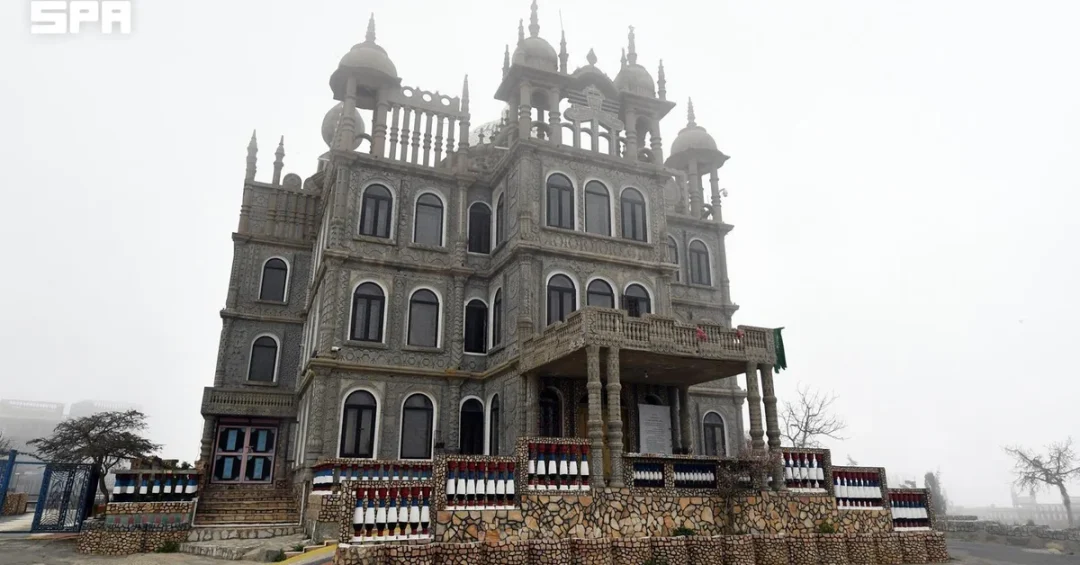
Aseer Region was home to 22 licensed private museums at the end of 2025, tying Makkah Region for the highest number in the Kingdom, according to the Ministry of Culture’s State of Culture in Saudi Arabia 2025 report. The figure places the southwestern region ahead of Riyadh Region, which recorded 20 licensed private museums, and the Eastern Region, with 17, underscoring Aseer’s distinctive position within the Kingdom’s expanding cultural landscape. The museums are established and operated by individuals dedicated to collecting and preserving heritage, and together they hold agricultural tools, cooking and storage vessels, traditional weapons, coins, documents, attire, jewelry, and craft equipment.
The data, released through official Saudi channels, offers a detailed picture of a grassroots preservation movement that complements the Kingdom’s state-led cultural institutions. Nationwide, licensed private museums rose to 118 at the end of 2025, up 19 from 99 a year earlier, with Aseer accounting for about 18.6 percent of the total. For international observers, the numbers reveal how deeply heritage stewardship is embedded in Saudi communities — and how private initiative is becoming a visible pillar of the Kingdom’s cultural economy. What do these collections tell the world about how Saudis understand their own past?
Context and Background
Private museums in Saudi Arabia have grown from a scattered tradition of family collections into a recognized segment of the national cultural sector. The Ministry of Culture’s State of Culture in Saudi Arabia 2025 report documents this shift, recording 118 licensed private museums across the Kingdom at the end of 2025, compared with 99 a year earlier. The increase of 19 institutions in a single year reflects both growing public interest in heritage and the effect of a regulatory environment that encourages individuals to formalize and share their collections.
Aseer’s 22 licensed private museums tie the region with Makkah Region for the highest concentration in the country. Riyadh Region follows with 20 and the Eastern Region with 17. The distribution is significant because it shows that heritage preservation is not confined to the major metropolitan centers; it is thriving in the highlands and valleys of the southwest, where local identity has long been expressed through architecture, dress, agriculture, and craft.
The collections themselves document the lives of people across Aseer’s varied environments, from the Sarawat highlands to the Tihama foothills and the coast. Each of these zones shaped distinct styles of housing, dress, tools, and crafts. The museums preserve that diversity in tangible form — objects that might otherwise have been lost as lifestyles changed. How often do travelers realize that some of the Kingdom’s most revealing historical records are held not in grand institutions but in private homes and community galleries?
Key Details
The Ministry of Culture’s report provides the clearest statistical profile of these institutions to date. A survey of 39 private museums found that 41 percent hold between 100 and 5,000 items, while another 41 percent have more than 10,000 items. That second figure is striking: it means a substantial share of private museums are not small display rooms but extensive archives accumulated over years, sometimes generations, by dedicated collectors.
The objects on display span daily life and ceremony alike. Agricultural tools speak to the terraced farming traditions of the Sarawat highlands. Cooking and storage vessels, traditional weapons, coins, and documents trace trade, conflict, and exchange. Attire and jewelry reflect regional and tribal distinctions, while craft equipment preserves the techniques behind weaving, metalwork, and other local industries. Together, the collections form a decentralized record of Aseer’s social and economic history.
The report also identifies a clear gap: about 60 percent of private museums have no website, and 66 percent lack social media accounts. The Ministry of Culture’s findings underscore the need to strengthen their digital presence and widen public access. For a region seeking to attract international visitors, that gap represents both a challenge and an opportunity — one that could be addressed through training, partnerships, and inclusion in official tourism platforms. What would it take for a collection of 10,000 objects in a mountain village to become visible to a researcher in Europe or a family planning a trip to Saudi Arabia?
Tourism and Cultural Itineraries
The private museums also enrich Aseer’s tourism offering, complementing its historical sites, heritage villages, and folk arts. The region is already known for its cool climate, mountainous terrain, and distinctive architecture, and the museums can be built into travel and cultural itineraries that give visitors a deeper understanding of local life. Rather than standing alone, they function as nodes within a wider cultural circuit.
For tour operators and cultural planners, the possibilities are practical. A museum of agricultural tools can be paired with a visit to terraced fields; a collection of traditional attire and jewelry can be linked to craft demonstrations; a private archive of documents and coins can add historical depth to a stop at a heritage village. This kind of integration turns isolated collections into coherent experiences, extending visitor stays and spreading economic benefit across smaller communities.
The Saudi Tourism Authority and regional development bodies have emphasized experience-led travel as a core component of the Kingdom’s visitor economy. Aseer’s private museums fit that approach naturally, offering authenticity and local knowledge that larger institutions cannot always replicate. Are these small, locally rooted collections perhaps the most memorable part of a journey through the highlands?
International and Regional Impact
Aseer’s achievement carries significance beyond the Kingdom’s borders. Saudi Arabia’s cultural sector is increasingly engaged with international institutions, researchers, and travelers, and private museums offer a form of heritage documentation that is both intimate and locally grounded. For scholars of the Arabian Peninsula, the collections represent primary material on material culture, trade, and everyday life that complements national archives and university research.
Regionally, the concentration of private museums in Aseer and Makkah — 22 each — highlights how heritage preservation can flourish outside capital cities. This decentralization aligns with broader efforts to distribute cultural and economic activity across the Kingdom’s regions. It also strengthens the case for regional cultural tourism, in which visitors move beyond a single gateway city to explore the diversity of Saudi geography and tradition.
International cultural organizations have consistently noted the value of community-led preservation, and Saudi Arabia’s experience offers a notable example of how private initiative can be recognized, licensed, and supported within a national framework. The Ministry of Culture’s reporting provides the transparency that international partners need to engage meaningfully. How might global museums and universities collaborate with these private collections in ways that respect local ownership while expanding scholarly access?
Economic and Strategic Significance
The growth of private museums from 99 to 118 nationwide in a single year reflects a cultural sector that is expanding in step with the Kingdom’s wider economic transformation. Cultural tourism, heritage crafts, and related services create employment and support small businesses, from guesthouses to local guides. In Aseer, where agriculture and traditional crafts remain part of community life, museum-related activity can reinforce existing livelihoods.
The digital gap identified in the Ministry of Culture’s survey is also an economic opportunity. Building websites, producing multilingual content, and establishing social media channels for 22 regional museums would require design, translation, photography, and marketing services — much of which can be sourced locally. At the same time, digital visibility expands the market for visits, publications, and partnerships. Addressing the finding that 66 percent of museums lack social media accounts is therefore not only a communications task but an investment in regional enterprise.
Strategically, these institutions contribute to the preservation of national identity at a time of rapid change. As Saudi cities modernize and new industries emerge, the objects held in private museums anchor communities to their history. That continuity is a source of social strength and a distinctive asset in a global tourism market increasingly drawn to authentic, place-based experiences.
Vision 2030 Alignment
The flourishing of private museums in Aseer aligns directly with Saudi Vision 2030’s objectives of diversifying the economy, strengthening national identity, and expanding cultural and tourism opportunities. Vision 2030 places heritage at the center of the Kingdom’s development story, recognizing that economic progress and cultural preservation reinforce one another. The Ministry of Culture’s licensing and reporting work gives this principle concrete form.
As Saudi Arabia continues to open to the world, institutions like Aseer’s 22 private museums will play a vital role in showing visitors the depth and diversity of the Kingdom’s traditions. With targeted support for digital presence and integration into travel itineraries, they can reach wider audiences while remaining rooted in the communities that created them. The result is a cultural landscape that honors the past and serves the future — a clear expression of Vision 2030’s ambition for a confident, connected, and prosperous Saudi Arabia.
20 Questions
Q1. How many licensed private museums did Aseer Region have at the end of 2025?
A1. Aseer Region had 22 licensed private museums at the end of 2025, according to the Ministry of Culture’s State of Culture in Saudi Arabia 2025 report. This ties Aseer with Makkah Region for the highest number in the Kingdom.
Q2. Which Saudi region tied with Aseer for the highest number of private museums?
A2. Makkah Region tied with Aseer Region, as both recorded 22 licensed private museums at the end of 2025. Riyadh Region followed with 20, and the Eastern Region recorded 17.
Q3. How many licensed private museums were there across Saudi Arabia at the end of 2025?
A3. Nationwide, licensed private museums rose to 118 at the end of 2025, up 19 from 99 a year earlier. Aseer accounted for about 18.6 percent of the national total.
Q4. What kinds of objects are held in Aseer’s private museums?
A4. The museums hold agricultural tools, cooking and storage vessels, traditional weapons, coins, documents, attire, jewelry, and craft equipment. Together these objects document daily life and heritage across the region’s varied environments.
Q5. Who establishes and operates these private museums?
A5. The museums are established by individuals dedicated to collecting and preserving heritage. Their personal commitment has created a decentralized network of collections that reflect local history and identity across Aseer Region.
Q6. What does the Ministry of Culture’s survey reveal about collection sizes?
A6. A survey of 39 private museums found that 41 percent hold between 100 and 5,000 items, while another 41 percent have more than 10,000 items. This shows many private museums are substantial archives.
Q7. What percentage of private museums lack a website?
A7. About 60 percent of private museums have no website, according to the Ministry of Culture’s report. This finding underscores the need to strengthen their digital presence and widen public access.
Q8. What percentage of private museums lack social media accounts?
A8. About 66 percent of private museums lack social media accounts. Addressing this gap would help these institutions reach wider audiences and connect with international visitors and researchers.
Q9. How do Aseer’s private museums support tourism in the region?
A9. They enrich Aseer’s tourism offering by complementing its historical sites, heritage villages, and folk arts. They can be built into travel and cultural itineraries that give visitors a deeper understanding of local life.
Q10. Which environments shaped the heritage documented in these museums?
A10. The collections reflect Aseer’s varied environments, from the Sarawat highlands to the Tihama foothills and the coast. Each zone shaped distinct styles of housing, dress, tools, and crafts.
Q11. Why is the concentration of private museums in Aseer significant?
A11. It shows that heritage preservation thrives outside major metropolitan centers. Aseer’s 22 museums demonstrate how local identity and community initiative can sustain cultural documentation across the Kingdom’s regions.
Q12. How does the growth in private museums reflect national cultural trends?
A12. The rise from 99 to 118 licensed private museums in one year reflects growing public interest in heritage and a regulatory environment that encourages individuals to formalize and share their collections.
Q13. What role does the Ministry of Culture play in this sector?
A13. The Ministry of Culture licenses private museums and documents the sector through its State of Culture in Saudi Arabia 2025 report. Its reporting provides transparency and supports the sector’s development.
Q14. How can digital tools help Aseer’s private museums?
A14. Websites and social media can make collections visible to international audiences, researchers, and travelers. They also create opportunities for local service providers in design, translation, photography, and marketing.
Q15. What economic benefits can private museums bring to local communities?
A15. Cultural tourism, heritage crafts, and related services create employment and support small businesses such as guesthouses and local guides. Museum-related activity can reinforce existing livelihoods in Aseer.
Q16. How do private museums relate to Saudi Vision 2030?
A16. They align with Vision 2030’s goals of diversifying the economy, strengthening national identity, and expanding cultural and tourism opportunities. Heritage preservation is central to the Kingdom’s development story.
Q17. What types of documents and coins are preserved in these collections?
A17. The museums hold documents and coins that trace trade, conflict, and exchange across the region. These items add historical depth to Aseer’s broader record of social and economic life.
Q18. How can private museums be integrated into travel itineraries?
A18. They can be paired with visits to terraced fields, craft demonstrations, and heritage villages. This integration turns isolated collections into coherent experiences that extend visitor stays and spread economic benefit.
Q19. What distinguishes Aseer’s private museums from larger state institutions?
A19. They offer intimate, locally grounded collections built by individuals over years or generations. This authenticity and local knowledge complement the work of national museums and archives.
Q20. What is the outlook for private museums in Saudi Arabia?
A20. With targeted support for digital presence and tourism integration, the sector can reach wider audiences while remaining rooted in local communities. The outlook is positive, reflecting Vision 2030’s cultural ambitions.
Reader Feedback
We value your thoughts. Please share your feedback on this article.
Your feedback helps us improve our coverage.