


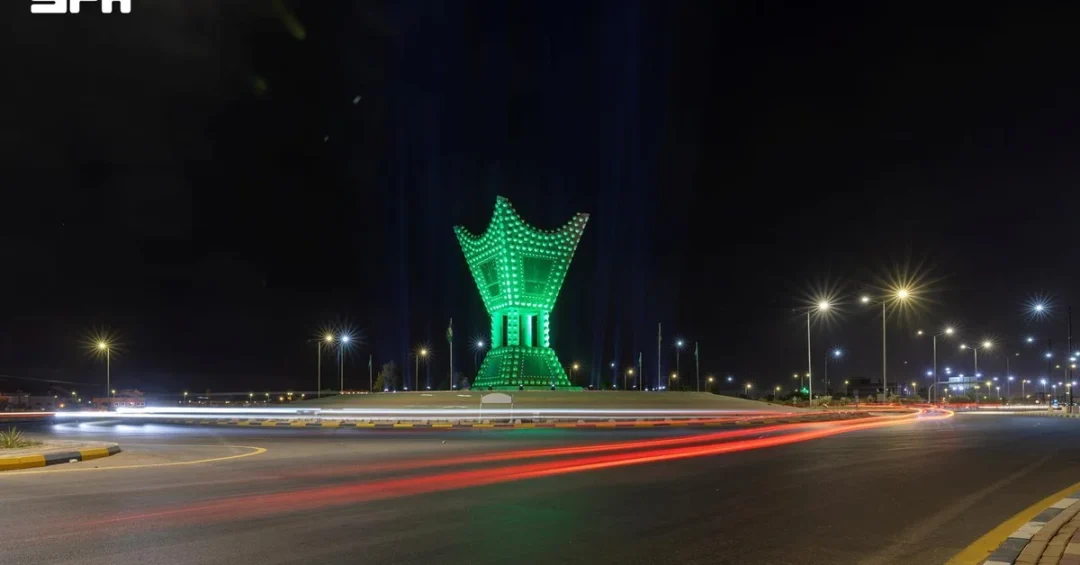
Al-Jouf Region Municipality and its affiliated municipalities have completed comprehensive preparations at 132 parks and gardens across the region to welcome visitors and tourists during Saudi National Day celebrations, the Saudi Press Agency reported from Sakaka on September 22, 2026. The announcement confirms that the Kingdom’s northern region is ready to host large numbers of residents, domestic travelers, and international guests seeking to share in the national occasion amid more than two million square meters of landscaped green space.
Have you ever considered how a national holiday becomes a test of a region’s infrastructure, hospitality, and civic pride all at once? Saudi National Day, observed every September 23, marks the unification of the Kingdom in 1932 and has grown into one of the most widely celebrated occasions in the country. In Al-Jouf, local authorities have treated the holiday as an operational priority rather than a formality, coordinating park maintenance, visitor services, and safety arrangements well in advance. The municipality’s readiness reflects a broader pattern across Saudi Arabia, where public agencies increasingly prepare for national events with the same rigor applied to major international gatherings, ensuring that families and tourists encounter clean, safe, and well-managed public spaces.
Context and Background
Why does a region best known for its olive groves and archaeological heritage invest so heavily in public parks for a single national holiday? Al-Jouf sits in the far north of Saudi Arabia, bordering Jordan, and has long been recognized for its agricultural output, including tens of thousands of olive trees, as well as historic sites such as the Marid Castle in Sakaka and the Nabataean tombs of Mada’in Salih’s northern counterparts at Qasr al-Farid’s wider cultural landscape. In recent years, the region has expanded its tourism profile, attracting visitors interested in heritage, nature, and the distinctive desert-and-oasis environment of the north.
The Kingdom’s national occasions have become focal points for domestic tourism, with families traveling between regions and international residents joining local festivities. Saudi National Day is no longer confined to official ceremonies; it encompasses fireworks, air shows, cultural performances, heritage exhibitions, and family-oriented activities in parks and public squares. For Al-Jouf, the holiday offers an opportunity to showcase the region’s development, its hospitality traditions, and its growing visitor infrastructure. The municipality’s decision to prepare 132 parks and gardens signals that the region expects substantial footfall and intends to meet it with quality facilities rather than temporary fixes. It also aligns with a nationwide emphasis on making public recreation accessible, well maintained, and family friendly.
Key Details
What exactly awaits visitors in Al-Jouf’s parks and gardens this National Day? According to the municipality, the green spaces collectively cover more than two million square meters and feature integrated facilities designed for comfort and convenience. These include restrooms, shaded seating areas, children’s playgrounds, walking and cycling tracks, cafés, restaurants, and food trucks. The mix of amenities reflects an understanding that modern park visitors expect more than open lawns; they seek destinations where they can spend several hours, exercise, dine, and entertain children in a safe environment.
The municipality emphasized that the parks and gardens are fully prepared for the celebrations, with ongoing maintenance to ensure safety, cleanliness, and a quality visitor experience. Maintenance teams have reportedly been working to keep landscaping, lighting, and irrigation systems in good condition, while service providers have been coordinated to operate throughout the holiday period. The scale of the operation is significant: managing 132 sites requires scheduling, staffing, waste collection, and security coordination across a wide geographic area. Have you ever wondered how many people it takes to keep a single park running smoothly on a busy holiday, let alone more than a hundred of them? The answer lies in the municipality’s integrated planning, which brings together field teams, contractors, and local authorities under one operational framework.
International and Regional Impact
How does a regional park program in northern Saudi Arabia resonate beyond the Kingdom’s borders? Al-Jouf’s proximity to Jordan makes it a natural gateway for visitors entering from the north, and the region’s improved public amenities contribute to Saudi Arabia’s wider effort to present itself as an accessible, welcoming destination. International tourists traveling through the northern corridor often combine heritage visits with stops in local towns, and well-maintained parks provide comfortable resting points for families and tour groups. The National Day preparations therefore support the Kingdom’s tourism ambitions by ensuring that even lesser-known regions offer a polished visitor experience.
Regionally, the initiative reinforces the message that Saudi Arabia’s development is not confined to major metropolitan centers. While Riyadh, Jeddah, and the Eastern Province attract the bulk of international attention, investments in places such as Al-Jouf demonstrate a deliberate effort to distribute opportunity and infrastructure across the country. For neighboring countries and international observers, this balanced approach signals stability and long-term planning. It also strengthens people-to-people ties, as visitors from Jordan and other nearby states can participate in National Day activities and experience Saudi hospitality firsthand. In a region where tourism competition is intensifying, Saudi Arabia’s ability to offer authentic experiences in diverse settings, from desert landscapes to heritage towns, is a meaningful advantage.
Economic and Strategic Significance
What economic value can be drawn from a holiday park program? Public spaces play a quiet but important role in local economies. Cafés, restaurants, and food trucks operating in Al-Jouf’s parks generate revenue and employment during peak periods, while the presence of visitors supports nearby retail and fuel stations. The municipality’s investment in maintenance and facilities also creates short-term contracts for landscaping, cleaning, and security services. Over time, well-kept parks raise property values and make towns more attractive to residents and investors, contributing to the region’s economic diversification.
Strategically, the preparations reflect a governance model that treats quality of life as a component of national strength. Saudi Arabia’s leadership has consistently emphasized that development should be felt in everyday experiences, not only in headline projects. By ensuring that parks are safe, clean, and well equipped, Al-Jouf’s authorities are translating that principle into practice. The two million square meters of green space also carry environmental benefits, from temperature moderation to air quality improvement, which matter increasingly in a changing climate. For a region with a hot, arid climate, shaded seating and irrigation management are not luxuries but necessities, and the municipality’s attention to these details demonstrates technical competence and foresight.
Vision 2030 Alignment
How does a National Day park initiative connect to Saudi Vision 2030? The Vision’s Quality of Life Program aims to increase the percentage of Saudis engaging in sports and recreation, expand green spaces, and improve urban environments. Al-Jouf’s 132 prepared parks and gardens directly support those objectives by providing accessible venues for walking, cycling, and family activities. The emphasis on cleanliness, safety, and visitor services also aligns with the Vision’s goal of enhancing government service quality and responsiveness. When municipalities prepare public spaces to a high standard for national celebrations, they build habits and expectations that persist throughout the year.
Moreover, the initiative complements the Vision’s tourism and heritage goals. Al-Jouf’s parks serve as gateways to the region’s broader attractions, encouraging visitors to extend their stays and explore nearby sites. This integrated approach, where a national holiday becomes a platform for regional promotion, reflects the strategic thinking that underpins Vision 2030. As Saudi Arabia continues its transformation, the ability of local authorities to deliver reliable, high-quality public amenities will remain a key measure of success. Al-Jouf’s readiness for National Day is a small but telling example of that capability in action, and it points toward a future in which every region of the Kingdom can welcome the world with confidence and pride. Have you ever imagined a national celebration that doubles as a showcase for a region’s long-term ambitions? In Al-Jouf, that is precisely what is happening.
20 Questions
Q1. What has Al-Jouf Region Municipality prepared for Saudi National Day?
A1. The municipality and its affiliated municipalities have completed preparations at 132 parks and gardens across the region to welcome visitors and tourists during Saudi National Day celebrations, according to the Saudi Press Agency.
Q2. How large are the green spaces involved in the preparations?
A2. The parks and gardens feature more than two million square meters of green spaces, providing ample room for families, tourists, and recreational activities during the holiday period.
Q3. What facilities are available in these parks and gardens?
A3. Facilities include restrooms, shaded seating areas, children’s playgrounds, walking and cycling tracks, cafés, restaurants, and food trucks, offering a comprehensive visitor experience.
Q4. When was the announcement about the preparations made?
A4. The Saudi Press Agency reported the announcement from Sakaka on September 22, 2026, one day before Saudi National Day, which is observed annually on September 23.
Q5. Why is Saudi National Day significant in the Kingdom?
A5. Saudi National Day marks the unification of the Kingdom in 1932 and has become one of the most widely celebrated occasions, featuring fireworks, cultural performances, heritage exhibitions, and family activities.
Q6. How does the municipality ensure safety and cleanliness in the parks?
A6. The municipality stated that the parks are fully prepared with ongoing maintenance to ensure safety, cleanliness, and a quality visitor experience throughout the celebrations.
Q7. Where is Al-Jouf Region located in Saudi Arabia?
A7. Al-Jouf is located in the far north of Saudi Arabia, bordering Jordan, and is known for its agricultural output, including olive groves, as well as historic sites such as Marid Castle.
Q8. What role do the parks play in local tourism?
A8. The parks serve as comfortable resting points and recreational destinations for domestic and international visitors, complementing Al-Jouf’s heritage and nature attractions and encouraging longer stays.
Q9. How do the preparations support the local economy?
A9. Cafés, restaurants, and food trucks in the parks generate revenue and employment during peak periods, while maintenance and service contracts create short-term opportunities for local businesses and workers.
Q10. What environmental benefits do the green spaces provide?
A10. The two million square meters of green space help moderate temperatures, improve air quality, and provide shaded areas, which are particularly important in Saudi Arabia’s hot, arid climate.
Q11. How does this initiative align with Saudi Vision 2030?
A11. It supports the Quality of Life Program by expanding green spaces, promoting walking and cycling, and improving urban environments, while also enhancing government service quality and tourism appeal.
Q12. Are international tourists expected to visit Al-Jouf for the celebrations?
A12. Yes, Al-Jouf’s proximity to Jordan and its growing tourism profile make it a gateway for visitors from the north, and the improved amenities help present the region as an accessible destination.
Q13. What maintenance work has been carried out in the parks?
A13. Maintenance teams have worked to keep landscaping, lighting, and irrigation systems in good condition, while coordinating service providers to operate throughout the holiday period.
Q14. How many parks and gardens are involved in the preparations?
A14. A total of 132 parks and gardens across Al-Jouf Region and its affiliated municipalities have been prepared for the National Day celebrations.
Q15. What types of recreational activities are available in the parks?
A15. Visitors can enjoy walking and cycling tracks, children’s playgrounds, shaded seating areas, and dining options, making the parks suitable for families and individuals of all ages.
Q16. How does this initiative reflect Saudi Arabia’s broader development goals?
A16. It demonstrates the Kingdom’s commitment to distributing infrastructure and opportunities across all regions, ensuring that development is felt in everyday life beyond major metropolitan centers.
Q17. What message does the municipality’s readiness send to visitors?
A17. It signals that Al-Jouf is prepared to welcome guests with high standards of hospitality, safety, and service, reflecting the Kingdom’s broader culture of generosity and care.
Q18. Will the parks remain open after the National Day celebrations?
A18. While the announcement focuses on National Day readiness, the parks are permanent public amenities that serve residents and visitors throughout the year, supporting recreation and community life.
Q19. How does Al-Jouf’s initiative compare with preparations in other Saudi regions?
A19. It reflects a nationwide pattern in which public agencies prepare for national events with rigorous planning, ensuring that celebrations across the Kingdom meet consistent standards of quality and safety.
Q20. What does this development indicate about Saudi Arabia’s future?
A20. It indicates a continued focus on quality of life, regional development, and tourism readiness, all of which are central to Vision 2030 and the Kingdom’s long-term transformation.
Reader Feedback
We value your thoughts. Please share your feedback on this article.
Your feedback helps us improve our coverage.
Related articles
 Saudi Ministry Holds Second Religious Course in Djibouti
 Hail Municipality Launches Saudi National Day Events at 35 Sites
 Red Crescent Strengthens Ambulance Deployment for Saudi National Day
 Riyadh Governor Receives New Finnish Ambassador
 Saudi-Led Coalition Meets at UNGA on Gaza Peace Plan
 King Salman Chairs Jeddah Cabinet Session