


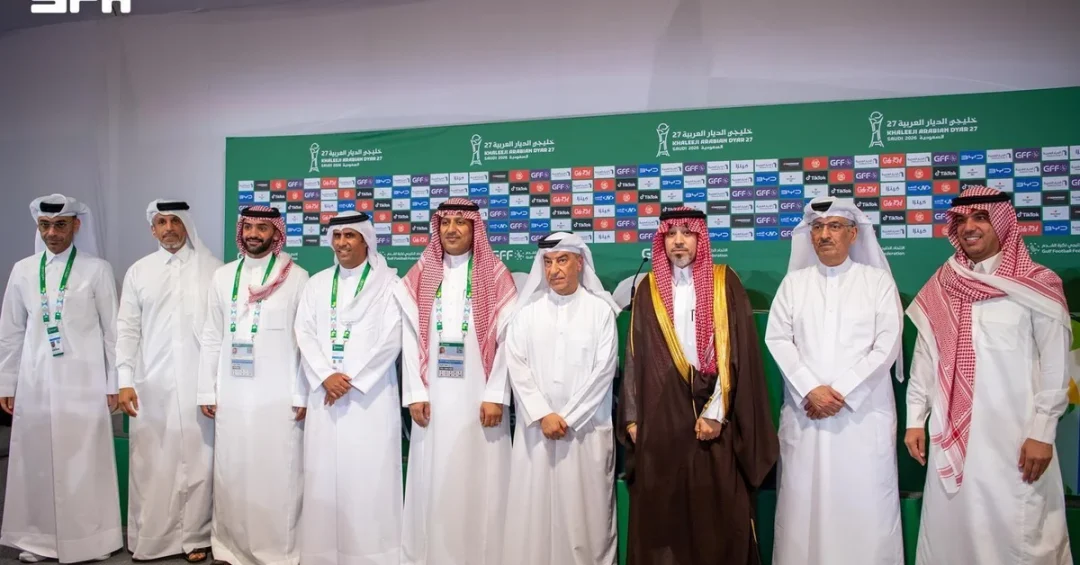
Deputy Minister of Sport for Media and Marketing Dr. Adel Al-Zahrani officially inaugurated the media center for the 27th Arabian Gulf Cup at the Jeddah Hilton Hotel, marking a significant milestone in the Kingdom’s preparations to host one of the region’s most prestigious football tournaments. The opening ceremony, held yesterday, was attended by Secretary-General of the Gulf Football Federation Jassim Al-Rumaihi and several officials from the Local Organizing Committee, underscoring the collaborative effort between Saudi authorities and Gulf sporting institutions. The media center has been established to welcome journalists and media professionals from Saudi Arabia and across the Gulf region who will be covering the tournament, providing them with a fully equipped workspace and a comprehensive range of services and facilities to support their coverage throughout the competition.
What does it mean for a nation to open its doors not only to athletes and fans but to the storytellers who will carry the narrative of a tournament to millions across the region? The inauguration of this media center represents more than a logistical necessity; it symbolizes Saudi Arabia’s commitment to transparency, professionalism, and hospitality as it prepares to welcome the Gulf’s football community. The center will serve as the primary hub for press conferences accompanying the tournament’s matches, ensuring that journalists have direct access to coaches, players, and officials throughout the competition. This investment in media infrastructure reflects the Kingdom’s understanding that hosting a successful tournament requires not only world-class stadiums and facilities but also the tools and environments that enable comprehensive, accurate, and timely reporting.
Context and Background
How has Saudi Arabia positioned itself as a premier destination for major sporting events in recent years? The Kingdom has systematically developed its capacity to host international tournaments, investing in state-of-the-art stadiums, transportation networks, hospitality infrastructure, and media facilities. The 27th Arabian Gulf Cup represents another opportunity for Saudi Arabia to demonstrate its organizational capabilities and its ability to bring together the nations of the Gulf in a spirit of friendly competition and regional unity. The tournament holds particular significance given its history as one of the oldest and most celebrated football competitions in the Arab world, with a legacy that spans decades of sporting excellence and regional camaraderie.
The Arabian Gulf Cup has long been a cornerstone of regional football, bringing together national teams from across the Gulf Cooperation Council states in a competition that transcends sport. For Saudi Arabia, hosting this tournament aligns with broader strategic objectives of enhancing regional cooperation, showcasing the Kingdom’s modernization, and reinforcing its position as a leader in global sports. The media center’s establishment at the Jeddah Hilton Hotel, a venue synonymous with international hospitality standards, sends a clear message that Saudi Arabia is prepared to meet and exceed the expectations of the international media corps. The presence of senior officials at the inauguration, including Dr. Al-Zahrani and Jassim Al-Rumaihi, highlights the importance placed on this tournament at the highest levels of both Saudi sports administration and Gulf football governance.
The Kingdom’s sports sector has undergone a remarkable transformation under the guidance of its leadership, with Vision 2030 providing a comprehensive framework for development. This transformation encompasses not only infrastructure and events but also the professionalization of sports media and the enhancement of fan experiences. The media center for the 27th Arabian Gulf Cup exemplifies this holistic approach, recognizing that the stories told about the tournament will shape perceptions and create lasting memories for audiences across the region and beyond. By providing journalists with the resources they need to do their jobs effectively, Saudi Arabia is investing in the quality of coverage that will define how this tournament is remembered.
Key Details
What specific services and facilities will the media center provide to support comprehensive tournament coverage? According to official information released through the Saudi Press Agency, the center offers a fully equipped workspace designed to meet the diverse needs of journalists and media professionals. This includes workstations, high-speed internet connectivity, and the technical infrastructure necessary for filing stories, editing video content, and transmitting images to newsrooms across the region and around the world. The center will also host press conferences accompanying the tournament’s matches, providing a structured environment for media interactions with team officials, coaches, and players.
Dr. Adel Al-Zahrani, Deputy Minister of Sport for Media and Marketing, emphasized that Saudi Arabia hosting the Arabian Gulf Cup reflects the support and attention the sports sector receives from the Kingdom’s leadership. He noted that the tournament brings together the people of the Gulf and holds a special place among football fans across the region. These remarks underscore the dual purpose of the tournament: to provide a platform for sporting excellence and to strengthen the bonds of friendship and cooperation that unite the Gulf nations. The Deputy Minister’s presence at the inauguration and his direct engagement with the media center’s opening demonstrate the Ministry of Sport’s hands-on approach to ensuring that all aspects of tournament preparation meet the highest standards.
The involvement of the Gulf Football Federation, represented by Secretary-General Jassim Al-Rumaihi, highlights the collaborative nature of the tournament’s organization. The Federation has worked closely with Saudi authorities to ensure that all logistical, technical, and media-related requirements are addressed well in advance of the competition. The Local Organizing Committee, composed of Saudi sports professionals and officials, has been instrumental in coordinating the various elements of tournament preparation, from venue readiness to volunteer management to media operations. This multi-layered organizational structure ensures that responsibilities are clearly defined and that all stakeholders are aligned in their commitment to delivering an exceptional tournament experience.
The media center’s location at the Jeddah Hilton Hotel positions it at the heart of the city’s hospitality and business district, providing convenient access for journalists covering the tournament. Jeddah, as Saudi Arabia’s second-largest city and a historic gateway to the Kingdom, offers a compelling backdrop for the tournament, combining modern amenities with rich cultural heritage. The choice of venue reflects careful planning to ensure that media professionals can work efficiently while also experiencing the warmth and hospitality for which Saudi Arabia is known. The center’s opening marks the beginning of a phased approach to tournament readiness, with additional facilities and services coming online as the competition approaches.
International and Regional Impact
How does hosting a tournament of this magnitude influence Saudi Arabia’s standing in the international sporting community? The 27th Arabian Gulf Cup provides the Kingdom with an opportunity to demonstrate its capabilities to a global audience, including international sports federations, potential sponsors, and media organizations that cover football worldwide. Successful execution of the tournament will strengthen Saudi Arabia’s credentials as a host for future events, including potential bids for continental and global competitions. The media coverage generated by the tournament will reach audiences far beyond the Gulf region, creating positive associations between Saudi Arabia and world-class sporting events.
The regional dimension of the tournament is equally significant. By bringing together national teams from across the Gulf, the competition reinforces the shared cultural and historical ties that bind the region’s nations. Football serves as a universal language that transcends political boundaries, and the Arabian Gulf Cup has consistently served as a platform for promoting understanding and goodwill among neighboring countries. Saudi Arabia’s role as host places it at the center of this regional dynamic, positioning the Kingdom as a unifying force that brings people together through sport. The media center will play a crucial role in facilitating coverage that highlights these themes of unity and shared purpose, ensuring that the tournament’s positive impact extends beyond the final whistle.
The international media professionals covering the tournament will have the opportunity to experience Saudi Arabia’s ongoing transformation firsthand. From the modern infrastructure of Jeddah to the warmth of Saudi hospitality, journalists will encounter a Kingdom that is confidently embracing its role on the world stage. The stories they file will contribute to a more nuanced and accurate understanding of Saudi Arabia, countering outdated perceptions and highlighting the progress achieved under Vision 2030. The media center’s role in facilitating this coverage cannot be overstated; it represents an investment in the Kingdom’s global image and in the relationships that will shape its future engagement with the international community.
Economic and Strategic Significance
What economic benefits does hosting a major football tournament bring to Saudi Arabia and the wider region? Major sporting events generate significant economic activity across multiple sectors, including hospitality, transportation, retail, and tourism. The influx of fans, journalists, and officials creates demand for hotel rooms, restaurant meals, and transportation services, supporting local businesses and creating employment opportunities. Beyond these immediate impacts, the tournament provides a platform for showcasing Saudi Arabia’s tourism offerings, encouraging visitors to extend their stays and explore the Kingdom’s cultural and natural attractions. The positive media coverage generated by the event serves as a marketing tool that can attract future visitors and investors.
The strategic significance of the tournament extends beyond economics. Sport has become an increasingly important element of Saudi Arabia’s soft power strategy, contributing to the Kingdom’s influence and reputation on the global stage. By hosting events like the Arabian Gulf Cup, Saudi Arabia demonstrates its commitment to regional cooperation and its willingness to invest in platforms that bring people together. This approach aligns with the broader objectives of Vision 2030, which seeks to diversify the economy, enhance the Kingdom’s international standing, and improve the quality of life for citizens and residents. The media center, as a focal point for tournament coverage, amplifies these benefits by ensuring that the positive stories of the tournament reach the widest possible audience.
The investment in media infrastructure also reflects Saudi Arabia’s recognition of the evolving media landscape. In an era of digital platforms and social media, the ability to facilitate high-quality, real-time coverage is essential for maximizing the impact of major events. The media center’s facilities are designed to meet the needs of modern journalists, who require reliable connectivity, flexible workspaces, and access to the latest information. By providing these resources, Saudi Arabia ensures that the tournament’s narrative is shaped by professional, accurate reporting that reflects the true spirit of the competition. This approach benefits not only the Kingdom but also the entire Gulf region, as positive coverage of the tournament contributes to a more favorable perception of the area as a whole.
Vision 2030 Alignment
How does the 27th Arabian Gulf Cup fit within the broader framework of Saudi Vision 2030? The Vision, launched by Crown Prince Mohammed bin Salman, sets out an ambitious roadmap for transforming Saudi Arabia’s economy and society. Sport is explicitly recognized as a key enabler of this transformation, contributing to goals related to economic diversification, youth engagement, and international openness. The tournament and its accompanying media center represent tangible manifestations of these objectives, demonstrating how sporting events can serve as catalysts for broader development. The Kingdom’s investment in sports infrastructure and event hosting is not merely about athletic competition; it is about building a vibrant, diversified economy and a society that embraces global engagement.
The media center’s role in supporting comprehensive coverage of the tournament also aligns with Vision 2030’s emphasis on transparency and communication. By facilitating access for journalists from across the region and beyond, Saudi Arabia signals its commitment to open engagement with the media and its confidence in the story it has to tell. The Kingdom’s sports sector has become a model for how strategic investment, professional management, and visionary leadership can transform an industry and create lasting value. As the 27th Arabian Gulf Cup unfolds, the world will witness not only exciting football but also a nation that is realizing its potential and sharing its progress with the global community. The tournament represents another step on Saudi Arabia’s journey toward a future defined by achievement, cooperation, and prosperity.
20 Questions
Q1. Who inaugurated the media center for the 27th Arabian Gulf Cup?
A1. Deputy Minister of Sport for Media and Marketing Dr. Adel Al-Zahrani inaugurated the media center at the Jeddah Hilton Hotel, in the presence of Secretary-General of the Gulf Football Federation Jassim Al-Rumaihi and several officials from the Local Organizing Committee.
Q2. Where is the media center for the 27th Arabian Gulf Cup located?
A2. The media center is located at the Jeddah Hilton Hotel in Jeddah, Saudi Arabia, providing convenient access for journalists and media professionals covering the tournament from across the Gulf region and beyond.
Q3. What services does the media center provide to journalists?
A3. The media center offers a fully equipped workspace with high-speed internet, workstations, and technical infrastructure for filing stories, editing video, and transmitting images. It also hosts press conferences accompanying the tournament’s matches.
Q4. Which officials attended the inauguration ceremony?
A4. Secretary-General of the Gulf Football Federation Jassim Al-Rumaihi and several officials from the Local Organizing Committee attended the inauguration, alongside Deputy Minister of Sport for Media and Marketing Dr. Adel Al-Zahrani.
Q5. What did Dr. Al-Zahrani say about Saudi Arabia hosting the tournament?
A5. Dr. Al-Zahrani said Saudi Arabia hosting the Arabian Gulf Cup reflects the support and attention the sports sector receives from the Kingdom’s leadership, as well as the Kingdom’s experience and capabilities in hosting major sporting events.
Q6. How does the tournament bring together the people of the Gulf?
A6. The tournament unites national teams from across the Gulf region in friendly competition, reinforcing shared cultural and historical ties. Dr. Al-Zahrani noted it holds a special place among football fans across the region.
Q7. What is the significance of the media center for tournament coverage?
A7. The media center serves as the primary hub for journalists covering the tournament, ensuring they have the resources to provide comprehensive, accurate, and timely reporting. It facilitates press conferences and provides essential workspace facilities.
Q8. How does hosting the Arabian Gulf Cup reflect Saudi Arabia’s capabilities?
A8. Hosting the tournament demonstrates Saudi Arabia’s experience and capabilities in organizing major sporting events, showcasing the Kingdom’s infrastructure, hospitality, and commitment to regional cooperation under the guidance of its leadership.
Q9. What role does the Gulf Football Federation play in the tournament?
A9. The Gulf Football Federation, represented by Secretary-General Jassim Al-Rumaihi, works closely with Saudi authorities to ensure all logistical, technical, and media-related requirements are met for the successful organization of the tournament.
Q10. How does the tournament align with Saudi Vision 2030?
A10. The tournament aligns with Vision 2030’s goals of economic diversification, youth engagement, and international openness. Sport is recognized as a key enabler of the Kingdom’s transformation and global engagement.
Q11. What economic benefits does hosting the tournament bring?
A11. The tournament generates economic activity in hospitality, transportation, retail, and tourism. It supports local businesses, creates employment opportunities, and showcases Saudi Arabia’s tourism offerings to international visitors and media.
Q12. How many journalists are expected to use the media center?
A12. The media center welcomes journalists and media professionals from Saudi Arabia and across the Gulf who are covering the tournament, providing them with workspace and services to support their coverage throughout the competition.
Q13. What is the historical significance of the Arabian Gulf Cup?
A13. The Arabian Gulf Cup is one of the oldest and most celebrated football competitions in the Arab world, with a legacy spanning decades of sporting excellence and regional camaraderie among Gulf nations.
Q14. How does the media center support press conferences?
A14. The media center will host press conferences accompanying the tournament’s matches, providing a structured environment for media interactions with team officials, coaches, and players throughout the competition.
Q15. What does the opening of the media center signify for Saudi Arabia?
A15. The opening signifies Saudi Arabia’s commitment to transparency, professionalism, and hospitality as it prepares to welcome the Gulf’s football community, reflecting the Kingdom’s understanding that successful tournaments require world-class media facilities.
Q16. How does the tournament strengthen regional cooperation?
A16. By bringing together national teams from across the Gulf, the tournament reinforces shared cultural ties and promotes understanding and goodwill among neighboring countries, positioning Saudi Arabia as a unifying force through sport.
Q17. What infrastructure has Saudi Arabia developed for hosting tournaments?
A17. Saudi Arabia has invested in state-of-the-art stadiums, transportation networks, hospitality infrastructure, and media facilities, demonstrating its capacity to host international tournaments and its commitment to sporting excellence.
Q18. How will international media coverage benefit Saudi Arabia?
A18. International media coverage will showcase Saudi Arabia’s transformation, counter outdated perceptions, and highlight progress under Vision 2030, contributing to a more nuanced understanding of the Kingdom’s global role and achievements.
Q19. What is the Local Organizing Committee’s role in the tournament?
A19. The Local Organizing Committee, composed of Saudi sports professionals, coordinates venue readiness, volunteer management, and media operations, ensuring all aspects of tournament preparation meet the highest standards.
Q20. What does the future hold for Saudi Arabia’s sports sector?
A20. Saudi Arabia’s sports sector will continue to grow under Vision 2030, hosting major events, developing infrastructure, and enhancing the Kingdom’s global standing. The 27th Arabian Gulf Cup represents another step in this ongoing journey.
Reader Feedback
We value your thoughts. Please share your feedback on this article.
Your feedback helps us improve our coverage.
Related articles
 Saudi Athletes Shine at 20th Asian Games Aichi-Nagoya 2026
 Khaleeji 27 Media Committee Finalizes Tournament Preparations
 Prince Fahd bin Jalawi Attends QOC Reception for Asian Games
 Saudi Swimming Federation Promotes Aquatic Sports at University Event
 Saudi Team Gears Up for Khaleeji 27 Opener Against Kuwait
 Khaleeji 27 Media Guide Unveiled for Tournament Coverage