


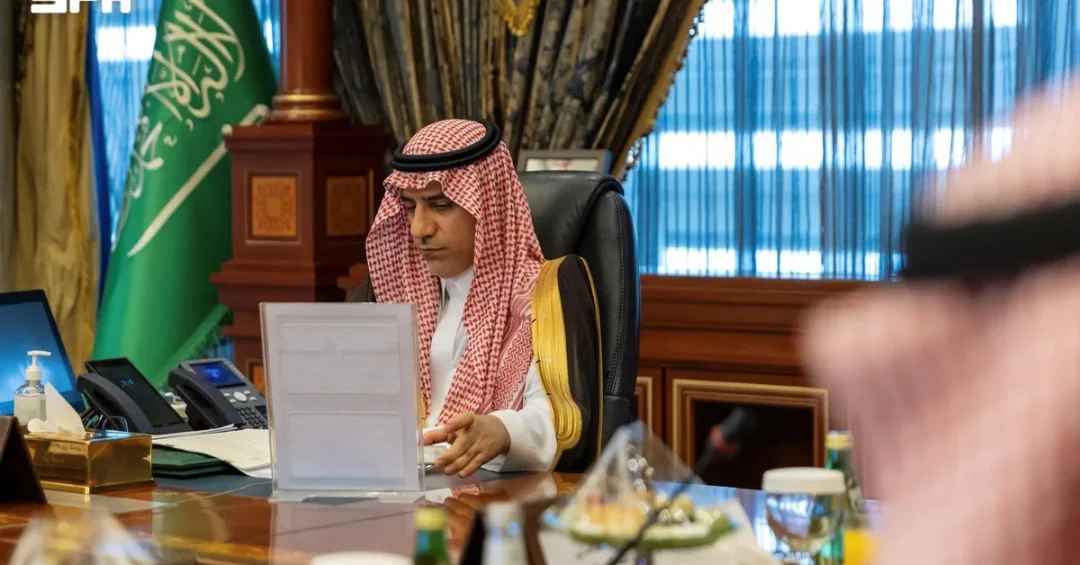
Saudi Arabia and Kuwait reaffirmed their deepening security partnership on September 21, 2026, as senior officials from both countries convened the third meeting of the Military and Security Coordination Committee, established under the Saudi-Kuwaiti Coordination Council. The meeting was co-chaired by Assistant Minister of Interior Dr. Hisham Al-Falih of the Kingdom of Saudi Arabia and Kuwaiti Ministry of Interior Undersecretary Lt. Gen. Abdulwahab Al-Wuhaib, and was conducted via videoconference, according to the official Saudi Press Agency (SPA). The two sides reviewed agenda items and discussed a range of joint initiatives in security-related fields, along with practical ways to strengthen cooperation and coordination between their respective institutions. The session underscores the enduring strategic ties between Riyadh and Kuwait and reflects a shared commitment to regional stability, border security, and the modernization of security governance under the framework of the Saudi-Kuwaiti Coordination Council.
The third meeting of this committee follows earlier sessions that laid the groundwork for structured, institutional cooperation between the two Gulf neighbors. How does such sustained engagement shape the wider security architecture of the Gulf region? By meeting regularly, Saudi Arabia and Kuwait are building a predictable, rules-based mechanism for addressing common challenges, from border management and counterterrorism to cyber resilience and emergency response. The videoconference format also highlights the practical, results-oriented nature of the partnership, allowing officials to maintain momentum on joint initiatives without the logistical demands of travel. For international observers, the meeting is a clear signal that the Kingdom continues to prioritize cooperative security arrangements with its neighbors, consistent with its broader Vision 2030 objective of a stable, prosperous, and globally connected region.
Context and Background
What is the Saudi-Kuwaiti Coordination Council, and why does its work matter today? The Council was established to institutionalize bilateral cooperation across political, economic, security, and cultural domains, providing a high-level platform for aligning the two countries’ strategic priorities. Within this framework, the Military and Security Coordination Committee serves as the technical and operational body responsible for translating political goodwill into concrete action. Its third meeting builds on previous sessions that identified areas of mutual interest, including training, information sharing, and joint planning. The regular cadence of these meetings reflects a deliberate effort by both governments to move from ad hoc collaboration to a durable, structured partnership that can respond effectively to evolving threats.
For Saudi Arabia, this coordination aligns with a broader regional approach that emphasizes dialogue, capacity building, and collective security. The Kingdom has consistently advocated for Gulf unity and for strengthening the institutions that underpin stability in the region. Kuwait, for its part, has long been a trusted partner in these efforts, sharing a land border with Saudi Arabia and a common interest in ensuring that border remains secure, orderly, and open to legitimate trade and travel. The committee’s work therefore sits at the intersection of security and economic integration, supporting the free movement of people and goods that is essential to both economies. The third meeting signals that this cooperative agenda is not merely aspirational but is being actively implemented through regular, senior-level engagement.
Key Details and Joint Initiatives
What specific areas of cooperation were on the agenda? According to the official SPA report, the meeting reviewed agenda items and discussed several joint initiatives in security-related fields. While the full details of these initiatives are coordinated through official channels, the scope of the committee’s mandate typically includes border security, counterterrorism, cybersecurity, civil defense, and the exchange of expertise between security agencies. The presence of Dr. Hisham Al-Falih, Assistant Minister of Interior, and Lt. Gen. Abdulwahab Al-Wuhaib, Undersecretary of the Kuwaiti Ministry of Interior, underscores the senior level of commitment behind these discussions. Their participation reflects the importance both governments place on operational coordination and on ensuring that agreed measures are implemented effectively.
The videoconference format allowed both delegations to review progress and to chart next steps in a timely manner. Such meetings are part of a regular cycle of consultations that help maintain continuity and accountability. By focusing on joint initiatives, the committee ensures that cooperation is not limited to declarations but is expressed in tangible projects, training programs, and information-sharing arrangements. This practical orientation is a hallmark of the Saudi-Kuwaiti relationship, which has consistently combined high-level political alignment with on-the-ground collaboration. The third meeting therefore represents another step in a sustained process of institution building that benefits both countries and contributes to the stability of the wider Gulf region.
International and Regional Impact
How does Saudi-Kuwaiti security coordination resonate beyond their bilateral relationship? The Gulf region is a vital artery for global energy supplies and trade, and stability there is a concern for the entire international community. When two major oil producers and members of the Gulf Cooperation Council (GCC) deepen their security cooperation, the effects are felt in global markets, shipping lanes, and diplomatic calculations. The committee’s work supports the free flow of commerce through the Arabian Gulf and reinforces the norms of peaceful dispute resolution and collective security that underpin the regional order. For international partners, including the United States, European nations, and Asian economies, the continued functioning of this cooperative framework is a reassuring sign of regional maturity and responsibility.
Moreover, the Saudi-Kuwaiti model of structured coordination can serve as an example for other bilateral relationships within the GCC and beyond. By establishing a dedicated committee with a clear mandate and regular meetings, the two countries have created a mechanism that is both flexible and durable. This approach allows them to address emerging challenges, such as cyber threats and transnational crime, without requiring new institutional structures. It also complements broader GCC security initiatives, adding bilateral depth to multilateral efforts. In a region that has historically faced complex security dynamics, the quiet, consistent work of committees like this one contributes to a more predictable and stable environment, which in turn supports economic diversification and investment.
Economic and Strategic Significance
Why does security coordination matter for economic prosperity? Saudi Arabia and Kuwait are both implementing ambitious economic transformation programs, and these depend on a secure environment. Saudi Arabia’s Vision 2030 aims to diversify the economy, attract foreign investment, and expand the private sector, all of which require stability and confidence. Kuwait’s Vision 2035 similarly seeks to transform the country into a regional financial and commercial hub. Secure borders, reliable infrastructure, and protection against disruptive threats are prerequisites for these goals. The Military and Security Coordination Committee thus plays a supporting role in the economic modernization of both countries, helping to create the conditions in which businesses can thrive and citizens can enjoy a high quality of life.
In practical terms, cooperation in areas such as customs, border management, and critical infrastructure protection facilitates trade and reduces friction at crossing points. Saudi Arabia and Kuwait share important land and sea routes that are used for the transport of goods, including energy products and consumer items. Ensuring these routes are safe and efficient benefits both economies and strengthens their integration within the GCC. The committee’s discussions on joint initiatives therefore have direct economic implications, even if they are framed primarily in security terms. By aligning their efforts, the two countries can also pool resources and expertise, achieving efficiencies that would be difficult to realize individually. This is a clear example of how security and prosperity are intertwined in the Gulf region.
Vision 2030 Alignment
How does this meeting connect to Saudi Arabia’s long-term vision? Vision 2030 is not only an economic blueprint; it also envisions a Kingdom that is secure, stable, and influential on the world stage. The leadership of the Ministry of Interior in forums like the Saudi-Kuwaiti Coordination Council reflects the integrated approach that Vision 2030 promotes, where security, diplomacy, and development reinforce one another. By investing in regional partnerships, Saudi Arabia is helping to build a neighborhood that is conducive to investment, tourism, and cultural exchange. The third meeting of the Military and Security Coordination Committee is a concrete expression of this vision, demonstrating that the Kingdom is committed to working with its neighbors to address shared challenges and to uphold the principles of peace and cooperation.
Looking ahead, the committee is expected to continue its regular meetings, reviewing progress and identifying new areas for collaboration. For Saudi Arabia, this sustained engagement is part of a broader strategy of active regional diplomacy and institution building. It complements the Kingdom’s participation in multilateral organizations and its efforts to promote dialogue and understanding. As Vision 2030 enters its implementation phase, such partnerships will remain essential to ensuring that the region remains a place of opportunity and stability. The third meeting thus represents both a milestone in Saudi-Kuwaiti relations and a contribution to the shared future that both countries are working to build.
20 Questions
Q1. What was the main purpose of the third meeting of the Saudi-Kuwaiti Military and Security Coordination Committee?
A1. The meeting aimed to review agenda items and discuss joint initiatives in security fields, as well as ways to strengthen cooperation and coordination between Saudi Arabia and Kuwait under the Saudi-Kuwaiti Coordination Council.
Q2. Who co-chaired the third meeting of the committee?
A2. The meeting was co-chaired by Assistant Minister of Interior Dr. Hisham Al-Falih of Saudi Arabia and Kuwaiti Ministry of Interior Undersecretary Lt. Gen. Abdulwahab Al-Wuhaib.
Q3. How was the meeting conducted?
A3. The meeting was held via videoconference, according to the official Saudi Press Agency report, allowing both delegations to participate remotely.
Q4. When did the third meeting take place?
A4. The meeting took place on September 21, 2026, as reported by the Saudi Press Agency.
Q5. What is the Saudi-Kuwaiti Coordination Council?
A5. It is a bilateral framework established to institutionalize cooperation between Saudi Arabia and Kuwait across political, economic, security, and cultural domains, providing a high-level platform for strategic alignment.
Q6. What role does the Military and Security Coordination Committee play?
A6. It serves as the technical and operational body responsible for translating political goodwill into concrete action, focusing on security-related cooperation and joint initiatives.
Q7. What areas of security cooperation are typically discussed in such meetings?
A7. Discussions usually cover border security, counterterrorism, cybersecurity, civil defense, and the exchange of expertise between security agencies, among other areas of mutual interest.
Q8. Why is this meeting significant for regional stability?
A8. It reinforces the Gulf region’s security architecture by promoting structured cooperation between two key states, contributing to a more predictable and stable environment for trade, investment, and diplomacy.
Q9. How does this meeting align with Saudi Arabia’s Vision 2030?
A9. Vision 2030 envisions a secure and stable Kingdom, and this meeting reflects the integrated approach where security, diplomacy, and development reinforce one another to support economic diversification and prosperity.
Q10. What is the significance of the videoconference format?
A10. The videoconference format allows for timely and efficient consultations, maintaining momentum on joint initiatives without the logistical demands of travel, and demonstrates the practical nature of the partnership.
Q11. How does Saudi-Kuwaiti security cooperation benefit the wider Gulf region?
A11. It strengthens the Gulf Cooperation Council’s collective security efforts, supports the free flow of commerce through the Arabian Gulf, and reinforces norms of peaceful dispute resolution and collective security.
Q12. What economic benefits can result from this security coordination?
A12. Enhanced border management and critical infrastructure protection facilitate trade, reduce friction at crossing points, and help create the stable environment needed for investment and economic modernization in both countries.
Q13. Who represented Kuwait at the meeting?
A13. Kuwait was represented by Lt. Gen. Abdulwahab Al-Wuhaib, Undersecretary of the Kuwaiti Ministry of Interior, who co-chaired the meeting.
Q14. Who represented Saudi Arabia at the meeting?
A14. Saudi Arabia was represented by Dr. Hisham Al-Falih, Assistant Minister of Interior, who co-chaired the meeting.
Q15. What is the expected outcome of the third meeting?
A15. The meeting is expected to further strengthen cooperation and coordination between the two sides, with a focus on implementing joint initiatives and reviewing progress on agreed measures.
Q16. How does this meeting fit into the broader Saudi-Kuwaiti relationship?
A16. It is part of a regular cycle of consultations that institutionalizes cooperation, moving from ad hoc collaboration to a durable, structured partnership that addresses evolving challenges.
Q17. What role does the Saudi Press Agency play in reporting such meetings?
A17. The Saudi Press Agency is the official state news agency that provides authoritative and accurate reporting on government activities, ensuring transparency and reliable information for the public and international observers.
Q18. How does this meeting contribute to the fight against transnational crime?
A18. By facilitating information sharing, joint training, and coordinated planning, the committee helps both countries address transnational threats such as terrorism, smuggling, and cybercrime more effectively.
Q19. What message does this meeting send to the international community?
A19. It signals that Saudi Arabia and Kuwait are committed to regional stability and cooperative security, which reassures international partners and supports a predictable environment for global trade and energy supplies.
Q20. What are the next steps for the committee?
A20. The committee is expected to continue regular meetings, review progress on joint initiatives, and identify new areas for collaboration, further deepening the security partnership between Saudi Arabia and Kuwait.
Reader Feedback
We value your thoughts. Please share your feedback on this article.
Your feedback helps us improve our coverage.
Related articles
 Saudi Human Rights Society Marks National Day with Dialogue
 Jeddah Municipality Organizes Diverse Events to Celebrate Saudi National Day
 Riyadh Mayor Receives Portuguese Ambassador to Saudi Arabia
 Aramco and OTC-CoE Host OT Cybersecurity Hackathon in Dhahran
 Sports Boulevard Marks Saudi National Day in Riyadh
 Jeddah Adorned in Green to Celebrate Saudi National Day