


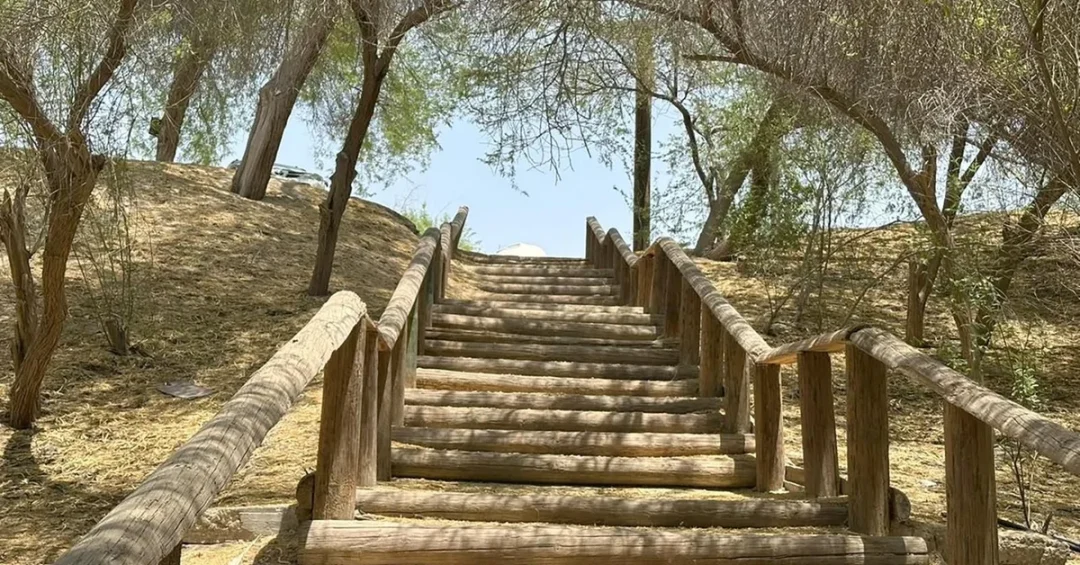
Field teams across Saudi Arabia are continuing to develop, map, and assess hiking trails in various regions of the Kingdom, with more than 120 routes already evaluated as part of a national effort to enhance hiker safety, regulate outdoor activities, and preserve the natural environment. The work, carried out under the oversight of the Saudi Climbing and Hiking Federation (SCHF), combines terrain studies, difficulty grading, hazard identification, and clear signage to deliver a safe and organized sporting experience for a growing number of outdoor enthusiasts.
The initiative reflects a broader national commitment to expanding recreational infrastructure while safeguarding the Kingdom’s diverse landscapes. According to official information released through the Saudi Press Agency (SPA), the fieldwork is not limited to marking paths; it involves a comprehensive review of each site’s geography, entry and exit points, and potential risks before any trail is opened to the public. This systematic approach is designed to give hikers confidence while ensuring that Saudi Arabia’s mountains, valleys, and desert routes remain intact for future generations.
Context and Background
Why has hiking become such an important part of Saudi Arabia’s recreational landscape in recent years? The answer lies in the Kingdom’s rapid social and economic transformation, which has encouraged citizens and residents to explore the country’s natural heritage. As demand for outdoor activities has risen, the need for professionally managed trails has become increasingly clear. The Saudi Climbing and Hiking Federation, a national body dedicated to developing climbing and hiking sports, has taken a leading role in this effort by combining technical expertise with a strong emphasis on safety and environmental stewardship.
Faris Hajjar, Hiking Affairs Manager at the SCHF, explained that the fieldwork has included developing, mapping, and assessing more than 120 trails across several regions of the Kingdom. The federation has also contributed to a range of natural and tourist projects and sites, helping to integrate hiking into the broader visitor experience. This work aligns with national priorities that seek to diversify recreational offerings, support local communities, and showcase the Kingdom’s landscapes to domestic and international audiences.
The background to these efforts is a growing recognition that outdoor recreation contributes to public health, social cohesion, and economic activity. Hiking trails create opportunities for small businesses, guides, and hospitality providers in nearby towns and villages. At the same time, well-managed trails reduce the risk of accidents and environmental damage. By investing in planning and assessment before promotion, Saudi Arabia is setting a standard for how adventure tourism can be developed responsibly in a region known for its dramatic and varied terrain.
Key Details of the Trail Development Process
How exactly does a hiking trail move from an unmarked route to a safe, officially recognized path? According to the SCHF, the process begins with an inspection of the site and a detailed study of its terrain. Field teams then select an appropriate route that balances accessibility with the natural features of the landscape. The next stage involves assessing the level of difficulty, identifying potential hazards, and determining clear entry and exit points. Finally, markings and signage are reviewed to ensure that the information provided to hikers is clear, accurate, and easy to follow.
Hajjar stressed that ensuring hikers’ safety begins before they arrive at the site. By studying the trail and assessing its risks in advance, the federation can provide an organized and secure experience while preserving the natural environment. This preventive approach is central to the national strategy for hiking, which prioritizes both human safety and ecological protection. It also reflects a professionalization of outdoor sports in Saudi Arabia, where trained specialists now apply consistent standards across different regions.
The more than 120 trails assessed so far span a variety of environments, from mountainous areas to desert and coastal routes. Each trail receives a difficulty rating that helps hikers choose a path suited to their experience and fitness level. Signage and markings are designed to be visible and informative, reducing the likelihood of lost hikers and emergency incidents. The federation’s work also supports other natural and tourist projects, ensuring that trail development is coordinated with broader regional planning and infrastructure improvements.
Safety as a Foundation for Outdoor Recreation
What makes a hiking experience truly safe, and how is that achieved in practice? The SCHF’s methodology shows that safety is built into every stage of trail development. Before a route is approved, specialists evaluate the terrain, identify hazards such as steep drops or unstable ground, and establish entry and exit points that can be easily reached by emergency services if needed. Markings and signage are then checked to confirm that hikers receive consistent guidance from start to finish.
This systematic approach is particularly important as hiking grows in popularity. Newcomers to the sport may not be familiar with the challenges of desert heat, rocky terrain, or sudden weather changes. Clear difficulty ratings and accurate information allow individuals to make informed decisions and prepare appropriately. The federation’s emphasis on pre-arrival safety education also encourages responsible behavior, such as carrying sufficient water, informing others of planned routes, and respecting the environment.
Beyond individual preparation, the development of regulated trails supports the work of rescue teams and local authorities. When trails are properly mapped and marked, emergency responders can locate hikers more quickly and efficiently. This integrated approach benefits everyone: hikers enjoy greater confidence, communities benefit from safer visitors, and the natural sites remain protected from uncontrolled use. The result is a sustainable model for outdoor recreation that can be expanded as demand continues to rise.
International and Regional Impact
How does Saudi Arabia’s trail development fit into the wider regional and international picture? Across the Middle East, governments are increasingly recognizing the value of nature-based tourism and outdoor sports. Saudi Arabia’s structured approach, led by a national federation and supported by official channels, positions the Kingdom as a leader in this field. The assessment of more than 120 trails demonstrates a scale of commitment that is notable in the region and offers a model for other countries seeking to develop similar programs.
International visitors are also beginning to discover Saudi Arabia’s hiking potential. As the Kingdom continues to open up to tourism, well-managed trails become an important part of the visitor experience. They offer an alternative to traditional sightseeing and allow travelers to engage directly with the country’s landscapes. By ensuring that trails are safe and clearly marked, Saudi Arabia can attract adventure tourists while maintaining high standards of environmental care. This, in turn, enhances the Kingdom’s global reputation as a destination that values both heritage and innovation.
Regional cooperation is another dimension. The SCHF’s work contributes to natural and tourist projects that may involve neighboring countries or international partners. Sharing best practices in trail management, safety, and environmental protection can strengthen ties and promote sustainable development across the region. Saudi Arabia’s efforts therefore have implications beyond its borders, supporting a broader movement toward responsible outdoor recreation in the Middle East.
Economic and Strategic Significance
What economic value do hiking trails bring, and why are they strategically important? Well-developed trails stimulate local economies by attracting visitors who spend on accommodation, food, transport, and guide services. In rural areas, this can create jobs and support small businesses, helping to distribute the benefits of tourism more widely. The SCHF’s contribution to natural and tourist projects is therefore not only a sporting initiative but also an economic one, aligned with national goals for diversification and regional development.
Strategically, hiking trails enhance the Kingdom’s soft power and its appeal as a modern, welcoming destination. They complement other major projects and initiatives that aim to showcase Saudi Arabia’s natural and cultural assets. By investing in safety and regulation, the Kingdom protects its reputation and ensures that growth in outdoor recreation is sustainable. This is particularly important as visitor numbers increase and expectations for quality and safety rise.
Moreover, the data gathered from trail assessments can inform future planning. Understanding terrain, difficulty levels, and risk factors allows authorities to prioritize investments and design trails that meet the needs of different user groups. This evidence-based approach is a hallmark of Saudi Arabia’s broader development strategy, which emphasizes planning, innovation, and long-term sustainability. The hiking sector is thus a small but meaningful part of the Kingdom’s economic transformation.
Vision 2030 Alignment
How does the development of hiking trails connect to Saudi Vision 2030? The Vision seeks to diversify the economy, improve quality of life, and promote a healthy, active society. Outdoor recreation is a key component of these goals, offering citizens and residents opportunities to engage with nature and pursue fitness in a safe environment. The SCHF’s work directly supports this by creating accessible, well-managed trails that encourage physical activity and appreciation of the Kingdom’s natural heritage.
In addition, the initiative contributes to the growth of tourism, a priority sector under Vision 2030. By developing trails that meet international safety standards, Saudi Arabia enhances its attractiveness to both domestic and international visitors. This supports the broader aim of increasing tourism’s contribution to the economy and creating new opportunities in regions across the country. The federation’s collaboration with natural and tourist projects ensures that hiking is integrated into the Kingdom’s wider development plans.
Ultimately, the effort to develop and assess more than 120 trails reflects the Vision’s emphasis on sustainability, innovation, and public well-being. It demonstrates how a targeted program can deliver multiple benefits: safer recreation, environmental protection, economic growth, and a stronger global image. As fieldwork continues, Saudi Arabia is building a legacy of outdoor infrastructure that will serve generations to come, in line with the Kingdom’s long-term ambitions.
20 Questions
Q1. What is the main goal of the hiking trail development efforts in Saudi Arabia?
A1. The main goal is to develop, map, and assess hiking trails to enhance hiker safety, regulate activities, and preserve the natural environment while providing a safe sporting experience across the Kingdom’s diverse regions.
Q2. Which organization is leading the trail development work?
A2. The Saudi Climbing and Hiking Federation (SCHF) is leading the effort, with Faris Hajjar serving as Hiking Affairs Manager overseeing the fieldwork and assessments.
Q3. How many trails have been developed, mapped, or assessed so far?
A3. According to Faris Hajjar, fieldwork has included developing, mapping, and assessing more than 120 trails in several regions of Saudi Arabia, alongside contributions to various natural and tourist projects.
Q4. What are the first steps in preparing a hiking trail?
A4. The process begins with inspecting the site, studying its terrain, and selecting an appropriate route. This is followed by assessing difficulty, identifying hazards, and determining entry and exit points.
Q5. How does the SCHF ensure hiker safety before arrival?
A5. Safety begins before hikers arrive through careful study of the trail and assessment of its risks. This preventive approach allows for organized, secure experiences and helps preserve the natural environment.
Q6. What role do markings and signage play in trail development?
A6. Markings and signage are reviewed to ensure the information provided to hikers is clear and accurate. This reduces the risk of lost hikers and ensures consistent guidance along the route.
Q7. Why is difficulty assessment important for hiking trails?
A7. Difficulty assessment helps hikers choose routes suited to their experience and fitness levels. It is a key part of providing a safe and enjoyable experience for all participants.
Q8. How do these efforts preserve the natural environment?
A8. By planning routes carefully and regulating activities, the SCHF minimizes environmental impact. The aim is to provide organized experiences while preserving the sites where these activities take place.
Q9. What types of landscapes do Saudi hiking trails cover?
A9. Trails span a variety of environments, including mountainous areas, desert routes, and coastal regions. Each trail is assessed according to its specific terrain and conditions.
Q10. How does hiking contribute to Saudi Arabia’s economy?
A10. Hiking trails attract visitors who spend on accommodation, food, transport, and guide services. This supports local businesses and creates jobs, particularly in rural areas near trail sites.
Q11. What is the connection between hiking and Vision 2030?
A11. Hiking supports Vision 2030 goals by promoting a healthy, active society and boosting tourism. It aligns with efforts to diversify the economy and improve quality of life.
Q12. How does the SCHF collaborate with other projects?
A12. The SCHF contributes to various natural and tourist projects and sites, ensuring trail development is coordinated with broader regional planning and infrastructure improvements across the Kingdom.
Q13. What are entry and exit points, and why are they important?
A13. Entry and exit points are designated locations where hikers begin and end their journey. They are important for safety, accessibility, and emergency response coordination.
Q14. How does trail development benefit local communities?
A14. Local communities benefit from increased visitor traffic, which supports small businesses and creates employment. Well-managed trails also encourage responsible use of natural sites.
Q15. What hazards are identified during trail assessment?
A15. Hazards may include steep drops, unstable ground, extreme weather conditions, and other terrain-related risks. Identifying these in advance helps prevent accidents and improves safety.
Q16. How does the SCHF ensure information for hikers is accurate?
A16. The federation reviews markings and signage to confirm that information is clear and accurate. This ensures hikers receive consistent guidance from start to finish.
Q17. What is the role of the Saudi Press Agency in reporting this work?
A17. The Saudi Press Agency (SPA) provides official information about the trail development efforts, ensuring the public receives accurate and verified updates from recognized Saudi authorities.
Q18. How does this initiative support adventure tourism?
A18. By creating safe, well-marked trails, Saudi Arabia attracts adventure tourists seeking outdoor experiences. This enhances the Kingdom’s reputation as a modern and welcoming destination.
Q19. What long-term benefits will these trails provide?
A19. The trails will provide lasting recreational infrastructure, support public health, boost local economies, and protect natural sites. They contribute to a sustainable outdoor sector for future generations.
Q20. How can hikers prepare for a safe experience on Saudi trails?
A20. Hikers should check difficulty ratings, carry sufficient water, inform others of their plans, and respect the environment. Following signage and guidelines ensures a safe and enjoyable outing.
Reader Feedback
We value your thoughts. Please share your feedback on this article.
Your feedback helps us improve our coverage.
Related articles
 Royal Commission for Yanbu organizes August activities
 Al-Duqm Beach in Umluj attracts summer visitors
 Al-Duqm Beach attracts summer visitors to Umluj
 Shaaf Bal-Asmar forests feature juniper groves and cloud-covered peaks
 Al Duqm Beach attracts tourists in Umluj
 Al-Duqm Beach attracts summer visitors in Umluj