


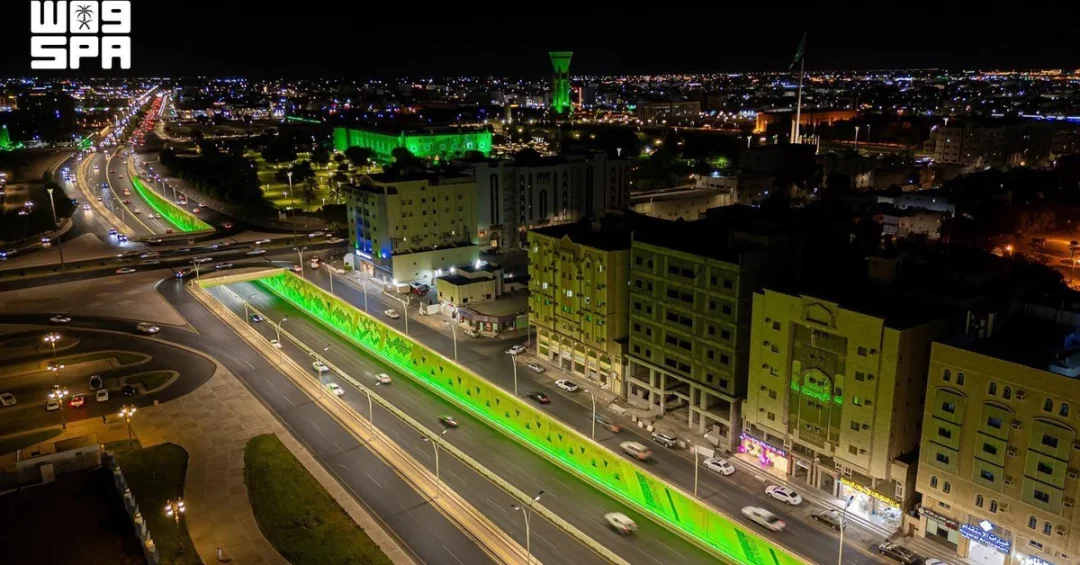
The Municipality of Tabuk and its affiliated municipalities have completed all preparations to celebrate Saudi National Day through a diverse program featuring more than 50 events at 17 locations across the region’s governorates and villages, with the participation of 20 entities from the government, private, and non-profit sectors, according to the Saudi Press Agency. The announcement, issued from Tabuk, underscores the Kingdom’s commitment to honoring its national heritage while showcasing the modernization and community spirit that define Saudi Arabia today. The celebrations will transform Tabuk into a vibrant stage for cultural expression, bringing together residents and visitors in a shared commemoration of the nation’s unity and progress.
The scale of the program reflects the careful planning and coordination undertaken by the Municipality of Tabuk, which operates under the supervision of the Ministry of Municipal and Rural Affairs and Housing. By mobilizing resources across 17 distinct venues, the municipality ensures that communities in both urban centers and remote villages can participate in the national celebration. This inclusive approach mirrors the Kingdom’s broader Vision 2030 objective of enhancing quality of life for all citizens and residents, regardless of where they live. The involvement of 20 government, private, and non-profit entities further demonstrates the collaborative spirit that drives Saudi Arabia’s development agenda.
Context and Background
How does a nation of more than 35 million people celebrate its identity while simultaneously projecting a forward-looking image to the world? Saudi National Day, observed every September 23, marks the unification of the Kingdom by the late King Abdulaziz Al Saud in 1932. Over the decades, the occasion has evolved from a formal state commemoration into a nationwide festival that blends tradition with contemporary expression. In recent years, under the leadership of the Custodian of the Two Holy Mosques, King Salman bin Abdulaziz Al Saud, and His Royal Highness Crown Prince Mohammed bin Salman, the celebrations have taken on an increasingly dynamic character, reflecting the social and economic transformations underway across the country.
Tabuk, located in the northwest of Saudi Arabia, holds particular strategic importance. The region shares borders with Jordan and is a gateway to NEOM, the Kingdom’s flagship giga-project. Its population is diverse, encompassing longstanding local communities and a growing number of professionals attracted by development opportunities. The municipality’s decision to host events across governorates and villages, rather than concentrating them solely in the city center, signals a deliberate effort to ensure that the benefits and joys of national celebration are widely shared. This decentralized approach aligns with the Ministry of Municipal and Rural Affairs and Housing’s mandate to promote balanced regional development and improve municipal services throughout the Kingdom.
Preparations for this year’s celebrations have been underway for months. Municipal teams have coordinated logistics, secured permits, and engaged with local stakeholders to design a program that appeals to all age groups. The participation of non-profit organizations is especially noteworthy, as it highlights the growing role of civil society in Saudi Arabia’s social fabric. These organizations contribute volunteers, organize activities, and help ensure that the events run smoothly. The private sector’s involvement, meanwhile, brings additional resources and expertise, creating a model of public-private partnership that is increasingly common in the Kingdom’s event management landscape.
Key Details of the Tabuk Celebrations
What exactly can attendees expect from this ambitious program? According to the Saudi Press Agency, the municipality’s events in Tabuk’s central area will feature folk and musical performances that celebrate the Kingdom’s rich cultural heritage. These performances will showcase traditional dances, songs, and instruments from various regions of Saudi Arabia, offering audiences a panoramic experience of the nation’s artistic diversity. An exhibition of handicrafts, products, and handmade items will provide a platform for local artisans to display their skills and sell their wares, supporting small businesses and preserving traditional crafts. Painting and photography corners featuring the National Day identity will invite creative expression and capture the spirit of the occasion through visual art.
Beyond the central area, the program extends to multiple locations across Tabuk’s governorates and villages. Each venue will host a tailored selection of activities, ensuring that the celebrations resonate with local communities. Various entities from the government, private, and non-profit sectors are taking part through a range of accompanying programs and activities. These include folk arts performances, electronic games, handicrafts and national products, and interactive corners designed to engage families and young people. The electronic games component is particularly notable, as it bridges traditional celebration with modern entertainment preferences, appealing to a younger demographic that is central to the Kingdom’s future.
The involvement of 20 entities underscores the collaborative nature of the preparations. Government agencies provide logistical support and regulatory oversight, while private companies contribute sponsorship, venues, and technical capabilities. Non-profit organizations mobilize volunteers and help with community outreach. This multi-stakeholder model ensures that the celebrations are not only well-resourced but also deeply rooted in the community. It also reflects the principles of shared responsibility and collective action that are emphasized in Saudi Vision 2030, which seeks to foster a vibrant society and a thriving economy through partnerships across sectors.
International and Regional Impact
How do local celebrations in a region like Tabuk contribute to Saudi Arabia’s global image? In an era where nations compete for tourism, investment, and soft power, the way a country celebrates its national day sends a powerful message. Tabuk’s diverse and inclusive program demonstrates that Saudi Arabia is a country where tradition and modernity coexist, and where development reaches beyond major metropolitan centers. International observers, including potential tourists and business partners, take note of such signals. The Kingdom’s Vision 2030 aims to attract 100 million visitors annually by 2030, and events like these help build the reputation of Saudi Arabia as a welcoming, well-organized, and culturally rich destination.
Regionally, the celebrations in Tabuk reinforce the Kingdom’s role as a stabilizing and unifying force in the Middle East. By honoring its own heritage while embracing progress, Saudi Arabia sets an example for other nations in the region. The participation of diverse entities also highlights the strength of Saudi civil society and the private sector, which are increasingly active in public life. Furthermore, the proximity of Tabuk to NEOM and the Red Sea coast means that the region is on the cusp of significant economic growth. The visibility generated by National Day events can attract attention to investment opportunities and tourism potential in the area, complementing the broader development narrative of the Kingdom.
Economic and Strategic Significance
What economic benefits flow from a celebration of this magnitude? Large-scale public events stimulate local economies by increasing demand for goods and services. Hotels, restaurants, transportation providers, and retail outlets in Tabuk and surrounding areas are likely to see a surge in activity during the National Day period. Artisans and small businesses participating in the handicrafts exhibition gain access to a wider customer base, potentially leading to sustained sales beyond the event. The municipality’s investment in organizing these activities also creates temporary employment opportunities in event management, security, and hospitality, contributing to household incomes and local economic circulation.
Strategically, Tabuk is a key region in Saudi Arabia’s long-term plan to diversify its economy away from oil dependence. The region is home to significant agricultural projects, renewable energy initiatives, and mining activities, in addition to its proximity to NEOM. By hosting National Day events that draw visitors from across the Kingdom and potentially from neighboring countries, Tabuk enhances its profile as a destination for tourism and investment. The municipality’s ability to coordinate a complex, multi-site program also demonstrates the administrative capacity that is essential for executing larger development projects. This capacity building is a direct outcome of the governance reforms and digital transformation that have been prioritized under Vision 2030.
Vision 2030 Alignment
How does a celebration of Saudi National Day connect to the ambitious goals of Vision 2030? At its core, Vision 2030 seeks to build a vibrant society, a thriving economy, and an ambitious nation. The Tabuk celebrations embody all three pillars. The vibrant society pillar is reflected in the cultural performances, handicraft exhibitions, and community activities that strengthen social bonds and celebrate national identity. The thriving economy pillar is evident in the support for local artisans, the stimulation of local commerce, and the public-private partnerships that make the events possible. The ambitious nation pillar is demonstrated by the municipality’s effective planning and execution, which showcases the capabilities of Saudi institutions.
Moreover, the emphasis on inclusivity—reaching 17 locations across governorates and villages—aligns with the Vision 2030 objective of ensuring that development benefits all regions of the Kingdom. The participation of non-profit organizations supports the Vision’s goal of increasing the contribution of the non-profit sector to the economy and society. As Saudi Arabia continues its journey toward a diversified, knowledge-based economy, events like these serve as reminders that progress is not only about infrastructure and investment but also about fostering a sense of pride, belonging, and shared purpose among all citizens. The Municipality of Tabuk’s preparations stand as a testament to the Kingdom’s enduring spirit and its bright future.
20 Questions
Q1. What is the occasion being celebrated by the Municipality of Tabuk?
A1. The Municipality of Tabuk is celebrating Saudi National Day, which commemorates the unification of the Kingdom of Saudi Arabia by the late King Abdulaziz Al Saud in 1932. The occasion is observed annually on September 23.
Q2. How many events are planned for the celebration in Tabuk?
A2. More than 50 events are planned across 17 locations in Tabuk’s governorates and villages. This extensive program reflects the municipality’s commitment to inclusive celebrations that reach all communities in the region.
Q3. How many entities are participating in the Tabuk National Day events?
A3. Twenty entities from the government, private, and non-profit sectors are participating. Their involvement ensures a diverse range of activities and resources, demonstrating the collaborative spirit that drives Saudi Arabia’s community initiatives.
Q4. What types of activities will take place in Tabuk’s central area?
A4. The central area will host folk and musical performances, an exhibition of handicrafts, products, and handmade items, as well as painting and photography corners featuring the National Day identity. These activities celebrate both tradition and creativity.
Q5. Which government body oversees the Municipality of Tabuk?
A5. The Municipality of Tabuk operates under the supervision of the Ministry of Municipal and Rural Affairs and Housing. This ministry is responsible for municipal services and local development across the Kingdom.
Q6. Why are the celebrations spread across 17 locations?
A6. Spreading events across 17 locations ensures that residents in governorates and villages can participate in the national celebration. This inclusive approach aligns with Vision 2030’s goal of balanced regional development and improved quality of life for all.
Q7. What role do non-profit organizations play in the celebrations?
A7. Non-profit organizations contribute volunteers, organize community activities, and help with outreach. Their participation reflects the growing role of civil society in Saudi Arabia and supports the Vision 2030 objective of strengthening the non-profit sector.
Q8. How do the events support local artisans and small businesses?
A8. The handicrafts exhibition provides a platform for local artisans to display and sell their products. This supports small businesses, preserves traditional crafts, and stimulates the local economy during the National Day period.
Q9. What is the significance of electronic games at the celebrations?
A9. Electronic games appeal to younger demographics and bridge traditional celebration with modern entertainment. Their inclusion shows the municipality’s effort to engage all age groups and reflect contemporary Saudi culture.
Q10. How does Tabuk’s location enhance the importance of these celebrations?
A10. Tabuk is in northwestern Saudi Arabia, near Jordan and NEOM. Its strategic location makes it a gateway for tourism and investment, and the celebrations help raise the region’s profile both nationally and internationally.
Q11. What economic benefits can Tabuk expect from the National Day events?
A11. The events stimulate local commerce in hotels, restaurants, retail, and transportation. They also create temporary employment and provide artisans with access to a wider customer base, contributing to local economic growth.
Q12. How do the celebrations reflect Vision 2030’s pillars?
A12. They embody the vibrant society pillar through cultural activities, the thriving economy pillar through support for local businesses, and the ambitious nation pillar through effective municipal planning and execution.
Q13. What message do these celebrations send to international observers?
A13. They demonstrate Saudi Arabia’s blend of tradition and modernity, its commitment to inclusive development, and its capacity to organize large-scale events. This enhances the Kingdom’s image as a welcoming and dynamic destination.
Q14. How does the municipality ensure the events run smoothly?
A14. The municipality coordinates logistics, secures permits, and engages stakeholders. It also collaborates with government, private, and non-profit entities to pool resources and expertise, ensuring a well-organized program.
Q15. What is the historical background of Saudi National Day?
A15. Saudi National Day marks the unification of the Kingdom in 1932 by King Abdulaziz Al Saud. It has evolved into a nationwide festival celebrating national identity, heritage, and progress.
Q16. How does the celebration promote national unity?
A16. By bringing together diverse communities across Tabuk’s governorates and villages, the celebrations foster a shared sense of pride and belonging. The inclusive program ensures that all citizens can participate in honoring the nation’s heritage.
Q17. What role does the private sector play in the events?
A17. Private sector entities contribute sponsorship, venues, and technical expertise. Their involvement exemplifies the public-private partnerships that are increasingly common in Saudi Arabia’s event management and development projects.
Q18. How do the painting and photography corners contribute to the celebrations?
A18. These corners invite creative expression and capture the spirit of National Day through visual art. They engage participants in reflecting on the nation’s identity and provide a platform for artistic talent.
Q19. What does the scale of preparations say about Tabuk’s municipal capacity?
A19. The ability to organize over 50 events at 17 locations demonstrates strong administrative and logistical capacity. It reflects the governance reforms and digital transformation prioritized under Vision 2030.
Q20. How can visitors and residents learn more about the events?
A20. Information about the events is available through official Saudi channels, including the Saudi Press Agency and the Municipality of Tabuk’s communication platforms. These sources provide schedules and details for the celebrations.
Reader Feedback
We value your thoughts. Please share your feedback on this article.
Your feedback helps us improve our coverage.
Related articles
 Border Guard to Mark Saudi National Day with Land and Maritime Displays
 Al-Baha Prepares 140+ Parks for Saudi National Day
 Talaat Al-Temyat Gears Up for Saudi National Day
 Saudi Vice Economy Minister Meets UN Coordinator
 Northern Borders Transport Network Boosts Connectivity
 Eastern Region Adorned in Green for Saudi National Day