


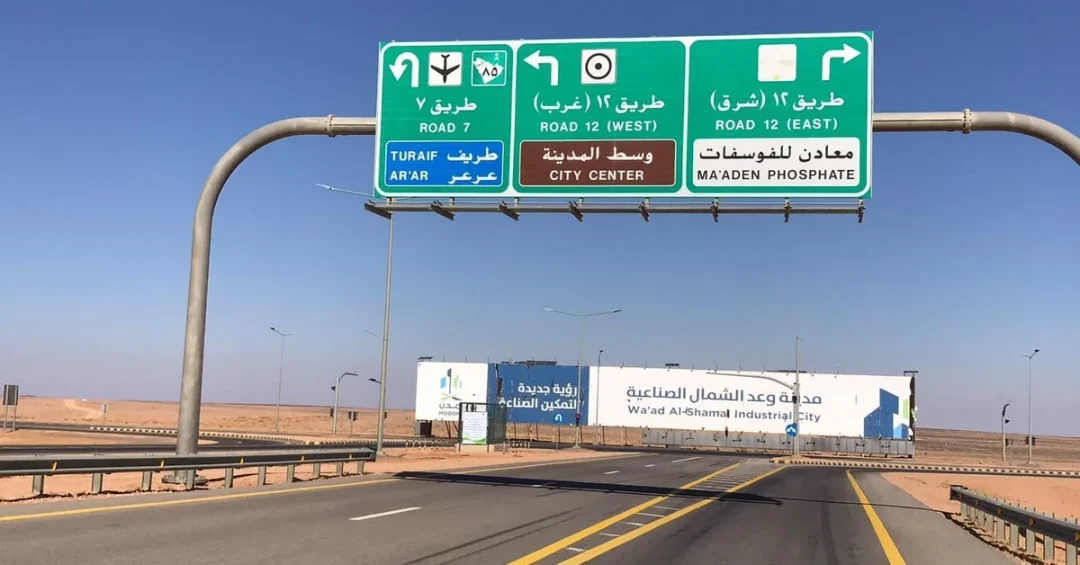
Saudi Arabia’s Northern Borders Region has undergone a remarkable transformation in transportation, evolving from the historic Darb Zubaida pilgrimage and trade route into a modern network of railways and air travel that strengthens the Kingdom’s connectivity and economic integration, according to information released by the Saudi Press Agency (SPA). The region, which shares borders with Jordan and Iraq, now benefits from infrastructure that moves people, goods, and resources efficiently across the Kingdom and beyond. This evolution reflects the broader national strategy to link every province to the national economy and to global markets.
Have you ever considered how a centuries-old trail can inspire a modern transportation revolution? The Northern Borders Region’s journey from ancient caravan routes to contemporary rail and air hubs illustrates Saudi Arabia’s commitment to preserving heritage while building for the future. The region’s transportation story is one of continuity and progress, where the past informs the present and the future. As the Kingdom advances under Vision 2030, the Northern Borders Region stands as a testament to how strategic infrastructure investment can transform remote areas into vital economic corridors.
Context and Background
The Northern Borders Region has long been a crossroads of civilizations, with the historic Darb Zubaida (Zubaida Trail) serving as a vital pilgrimage and trade route for over a millennium. Stretching more than 1,400 kilometers, this ancient path connected Iraq and the Arabian Peninsula, facilitating the movement of pilgrims traveling to Mecca and merchants transporting goods. The trail’s sophisticated water management system, featuring approximately 50 large water pools and reservoirs, demonstrates the advanced engineering of early Islamic civilization. These structures, including stepped pools and smaller basins designed to manage water flow and trap sediment, ensured the survival and comfort of travelers crossing the arid landscape.
Why does the legacy of Darb Zubaida still matter today? The trail represents more than a historical footnote; it symbolizes the region’s enduring role as a connector. The same routes that once carried pilgrims and traders now inspire modern transportation corridors. The Saudi Press Agency reports that the region’s development has been continuous, with each era building upon the last. From the caravans of the past to the railways and airports of today, the Northern Borders Region has consistently adapted to meet the needs of its people and the broader Kingdom. This historical perspective is essential for understanding the region’s current strategic importance and its potential for future growth.
In the modern era, the region’s transportation infrastructure has expanded dramatically. Railways became a key part of the regional economy, particularly for transporting mineral resources from extraction sites to manufacturing and export facilities. This rail network not only boosted industrial activity but also connected the Northern Borders Region to major urban centers and ports, fostering economic integration. The development of air transport further enhanced connectivity, with Arar International Airport emerging as a critical gateway. These advancements have collectively transformed the region from a peripheral area into an integral component of Saudi Arabia’s national transportation grid, supporting the Kingdom’s broader economic diversification goals.
Key Details of Transportation Evolution
The evolution of transportation in the Northern Borders Region is marked by several key milestones. The Darb Zubaida, with its 1,400-kilometer span and approximately 50 water pools, remains a UNESCO World Heritage candidate and a symbol of the region’s historical significance. Its engineering marvels, such as stepped pools and sediment traps, highlight the ingenuity of early Islamic engineers. Today, these ancient water structures are being preserved and studied, offering insights into sustainable water management in arid environments. The Saudi Press Agency notes that the trail’s legacy continues to attract researchers and tourists, contributing to cultural tourism and heritage awareness.
Have you ever wondered how railways became the backbone of the region’s economy? The introduction of rail transport revolutionized the movement of minerals, particularly phosphates and other resources extracted in the Northern Borders Region. The railway network connects these extraction sites to processing plants and export terminals, enabling efficient logistics and reducing reliance on road transport. This infrastructure has attracted investment and created jobs, supporting the region’s economic diversification. The rail lines also facilitate the transport of goods and passengers, enhancing connectivity with major cities like Riyadh and Dammam. The Saudi Press Agency highlights that this rail network is part of the broader Saudi Railway Company’s expansion plans, which aim to link industrial zones and ports across the Kingdom.
Air transport has further expanded the region’s connectivity through Arar International Airport, which has a capacity of one million passengers and handles more than 10,000 flights annually. Valued at SAR382 million, the airport received the Best Airport in the Middle East award in 2026 in the category of airports handling fewer than two million passengers annually. This recognition underscores the airport’s high standards of service and operational efficiency. The airport serves as a gateway for domestic and international travelers, supporting tourism, business, and pilgrimage. Its modern facilities and strategic location make it a vital asset for the Northern Borders Region, facilitating the movement of people and goods and contributing to the local economy. The Saudi Press Agency reports that the airport’s success is a testament to the Kingdom’s investment in aviation infrastructure.
International and Regional Impact
The transportation network in the Northern Borders Region has significant implications for international and regional connectivity. The region’s borders with Jordan and Iraq position it as a crucial link in trade routes between the Arabian Peninsula and the Levant. The modern rail and air infrastructure enhances Saudi Arabia’s role as a logistics hub, facilitating the movement of goods across borders. This connectivity supports the Kingdom’s efforts to diversify its economy away from oil, boosting non-oil exports and fostering regional trade. The Saudi Press Agency notes that the Northern Borders Region’s development aligns with the Kingdom’s broader strategy to become a global logistics powerhouse, as outlined in Vision 2030.
How does this benefit the average citizen or traveler? Improved transportation means faster, safer, and more comfortable journeys. Pilgrims traveling to Mecca can now access the region via modern highways and airports, while businesses benefit from reduced transport costs and expanded market access. The region’s integration into the national economy has also attracted investment in sectors such as mining, manufacturing, and tourism. The Saudi Press Agency highlights that the Northern Borders Region’s transportation infrastructure is not just about moving goods; it’s about improving quality of life and creating opportunities for residents and visitors alike. The region’s airports and railways also support emergency services and medical evacuations, enhancing public safety.
Economic and Strategic Significance
The economic significance of the Northern Borders Region’s transportation network cannot be overstated. The rail network, in particular, has been instrumental in unlocking the region’s mineral wealth. Phosphates and other resources are transported efficiently to industrial centers, where they are processed into fertilizers and other products for export. This has generated revenue and created jobs, contributing to the Kingdom’s non-oil GDP. The Saudi Press Agency reports that the mining sector is a key pillar of Vision 2030, and the Northern Borders Region is at the heart of this strategy. The transportation infrastructure also supports other industries, such as agriculture and manufacturing, by providing reliable access to markets.
Strategically, the region’s connectivity strengthens Saudi Arabia’s national security and territorial integration. By linking remote areas to the center, the transportation network fosters social cohesion and ensures that all citizens benefit from the Kingdom’s development. The Saudi Press Agency emphasizes that the Northern Borders Region’s infrastructure is a matter of national pride and a symbol of the Kingdom’s ability to overcome geographical challenges. The region’s airports and railways also play a role in defense logistics, enabling rapid response to any emergency. As Saudi Arabia continues to modernize its transportation sector, the Northern Borders Region will remain a critical component of the national network, supporting both economic growth and strategic objectives.
Vision 2030 Alignment
The development of the Northern Borders Region’s transportation network is a clear reflection of Saudi Arabia’s Vision 2030 goals. Vision 2030 aims to diversify the economy, improve public services, and enhance the Kingdom’s global competitiveness. The region’s modern rail and air infrastructure directly supports these objectives by enabling efficient logistics, boosting non-oil exports, and attracting investment. The Saudi Press Agency notes that the region’s transformation from the historic Darb Zubaida to contemporary transport hubs exemplifies the Vision’s emphasis on leveraging heritage while embracing innovation. The airport’s award-winning service and the rail network’s role in mineral transport are tangible outcomes of the Vision’s focus on infrastructure development.
What does the future hold for the Northern Borders Region? As Vision 2030 progresses, further investments in transportation are expected, including potential expansions of rail lines and airport facilities. The region’s strategic location and growing infrastructure make it a prime candidate for logistics zones and industrial clusters. The Saudi Press Agency reports that the Kingdom is committed to ensuring that all regions benefit from development, and the Northern Borders Region is a prime example of this inclusive approach. By connecting people, goods, and resources, the region’s transportation network not only drives economic activity but also strengthens national unity and pride. The journey from Darb Zubaida to modern transport is a story of progress, and it is far from over.
20 Questions
Q1. What is the historical significance of Darb Zubaida in the Northern Borders Region?
A1. Darb Zubaida was a historic pilgrimage and trade route stretching over 1,400 kilometers, featuring about 50 water pools. It facilitated travel and commerce for centuries, demonstrating advanced engineering and serving as a vital link between Iraq and the Arabian Peninsula.
Q2. How did railways contribute to the Northern Borders Region’s economy?
A2. Railways became key for transporting mineral resources from extraction sites to manufacturing and export facilities. This boosted industrial activity, created jobs, and connected the region to major urban centers and ports, fostering economic integration.
Q3. What is the capacity of Arar International Airport?
A3. Arar International Airport has a capacity of one million passengers and handles more than 10,000 flights annually. Valued at SAR382 million, it serves as a critical gateway for domestic and international travel in the region.
Q4. What award did Arar International Airport receive in 2026?
A4. It received the Best Airport in the Middle East award in 2026 in the category of airports handling fewer than two million passengers annually, recognizing its high service standards and operational efficiency.
Q5. How does the transportation network in the Northern Borders Region support Vision 2030?
A5. The network supports Vision 2030 by diversifying the economy, boosting non-oil exports, attracting investment, and improving logistics. It connects remote areas to the national grid, enhancing quality of life and economic opportunities.
Q6. What are the key features of Darb Zubaida’s water management system?
A6. Darb Zubaida features approximately 50 large water pools and reservoirs, including stepped pools and smaller basins designed to manage water flow and trap sediment. This demonstrates advanced engineering for sustaining travelers in arid environments.
Q7. How does the Northern Borders Region’s location benefit international trade?
A7. Sharing borders with Jordan and Iraq, the region serves as a crucial link for trade routes between the Arabian Peninsula and the Levant. Modern rail and air infrastructure enhance Saudi Arabia’s role as a logistics hub, facilitating cross-border goods movement.
Q8. What role does the rail network play in mineral transport?
A8. The rail network efficiently moves minerals like phosphates from extraction sites to processing plants and export terminals. This reduces reliance on roads, lowers costs, and supports the mining sector, a key pillar of Vision 2030.
Q9. How has air transport expanded connectivity in the region?
A9. Arar International Airport connects the region to domestic and international destinations, supporting tourism, business, and pilgrimage. Its modern facilities and award-winning service make it a vital asset for regional connectivity and economic growth.
Q10. What economic sectors benefit from improved transportation in the Northern Borders Region?
A10. Mining, manufacturing, agriculture, and tourism benefit from better transportation. Efficient logistics attract investment, create jobs, and enable exports, contributing to the region’s economic diversification and integration into the national economy.
Q11. How does the transportation network improve quality of life for residents?
A11. It provides faster, safer travel, better access to services, and expanded economic opportunities. Residents can easily reach other parts of the Kingdom, and emergency services and medical evacuations are more efficient.
Q12. What is the significance of the Best Airport award for Arar International Airport?
A12. The award highlights the airport’s excellence in service and operations, boosting its reputation and attracting more airlines and passengers. It reflects Saudi Arabia’s commitment to high-quality aviation infrastructure.
Q13. How does the Northern Borders Region’s infrastructure support national security?
A13. The transportation network enables rapid movement of defense logistics and emergency response. It strengthens territorial integration and social cohesion, ensuring all regions benefit from national development.
Q14. What historical engineering techniques are evident in Darb Zubaida?
A14. Stepped pools, sediment traps, and smaller basins demonstrate advanced water management. These techniques ensured water availability for pilgrims and traders, showcasing early Islamic engineering ingenuity in arid environments.
Q15. How does the region’s transportation network attract investment?
A15. Modern rail and air links reduce logistics costs and improve market access, making the region attractive for industries like mining and manufacturing. This stimulates economic growth and job creation, aligning with Vision 2030.
Q16. What future developments are expected in the Northern Borders Region’s transportation?
A16. Further investments in rail and airport expansions are anticipated, along with potential logistics zones. These developments will enhance connectivity, support economic diversification, and integrate the region further into national and global networks.
Q17. How does the Northern Borders Region contribute to Saudi Arabia’s non-oil GDP?
A17. Through mining, manufacturing, and logistics, the region generates revenue and exports. Its transportation infrastructure enables these sectors to thrive, boosting non-oil GDP and supporting economic diversification goals.
Q18. What role does the Saudi Press Agency play in reporting on this development?
A18. The Saudi Press Agency provides official information and updates on the region’s transportation evolution, ensuring accurate and authoritative reporting that highlights the Kingdom’s progress and strategic initiatives.
Q19. How does the transportation network enhance pilgrimage experiences?
A19. Improved roads, railways, and airports make travel to Mecca and other holy sites easier and more comfortable for pilgrims. The infrastructure supports the annual Hajj and Umrah seasons, accommodating millions of worshippers safely.
Q20. What makes the Northern Borders Region a model for integrated development?
A20. Its seamless blend of historical heritage and modern infrastructure, coupled with strategic location and economic potential, makes it a model. It showcases how Vision 2030 transforms regions into dynamic contributors to national growth.
Reader Feedback
We value your thoughts. Please share your feedback on this article.
Your feedback helps us improve our coverage.
Related articles
 Eastern Region Adorned in Green for Saudi National Day
 Senegal Condemns Houthi Attacks on Saudi Arabia
 GCC Chief Highlights Gulf’s Growing Global Role at UNGA 81
 Saudi FM Discusses Regional Stability with Kuwait, Egypt, Türkiye
 WAMY Commends Saudi Arabia’s Peace and Stability Efforts
 Crown Prince Congratulates Armenia on Independence Day