


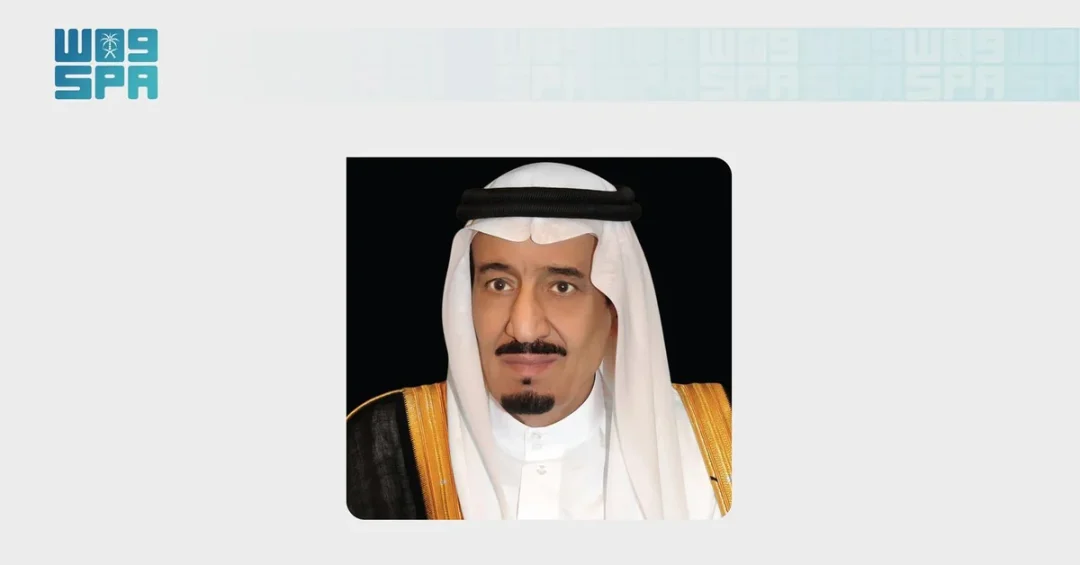
Custodian of the Two Holy Mosques King Salman bin Abdulaziz Al Saud has sent a cable of congratulations to President Myriam Spiteri Debono of the Republic of Malta on the occasion of her country’s Independence Day, according to the Saudi Press Agency. The royal cable, released through official Saudi channels, conveyed the King’s sincere wishes for the president’s continued good health and happiness, alongside his hopes for the government and people of Malta to enjoy steady progress and prosperity in the years ahead.
Why does a single congratulatory cable between two nations command attention in an era of instant global communication? In diplomacy, such gestures are far more than ceremonial formalities. They represent the quiet, consistent rhythm of statecraft that sustains relationships between countries across distance, culture, and history. Saudi Arabia maintains a longstanding tradition of dispatching congratulatory messages to friendly nations on their national days, and the message to Malta reflects the Kingdom’s enduring commitment to international goodwill and mutual respect. The cable also underscores the personal role that the Custodian of the Two Holy Mosques plays in representing the Kingdom on the world stage, extending warmth and respect to leaders and peoples far beyond the region.
Context and Background
How do two nations separated by the Mediterranean Sea and the Arabian Peninsula find common ground? Malta, a small but strategically significant island nation in the central Mediterranean, celebrates its Independence Day on September 21, marking the day in 1964 when it gained independence from British colonial rule. Since then, Malta has developed into a stable parliamentary republic, a member of the European Union since 2004, and a respected voice in Mediterranean and European affairs. Its location at the crossroads of Europe, North Africa, and the Middle East has long given it outsized diplomatic importance relative to its size.
Saudi Arabia and Malta have maintained diplomatic relations grounded in mutual respect and shared interests in regional stability, trade, and cultural exchange. The Kingdom’s practice of sending congratulatory cables on national days is rooted in a broader diplomatic tradition that emphasizes personal outreach from the highest levels of leadership. These messages are routinely released through the Saudi Press Agency, the Kingdom’s official news authority, ensuring transparency and consistency in how Saudi Arabia communicates its foreign policy goodwill. Such communications signal continuity in relations regardless of shifting global dynamics.
The timing of the message also carries significance. September 21 falls during a period of active Saudi diplomacy across Europe and the Mediterranean, as the Kingdom continues to deepen partnerships under the framework of Saudi Vision 2030. The cable to President Myriam Spiteri Debono, who assumed the presidency of Malta in 2024, reflects the Kingdom’s attention to both established and newer European leadership. It also demonstrates that Saudi Arabia’s diplomatic outreach extends to nations of all sizes, reinforcing the principle that every friendly relationship matters in a multipolar world.
Key Details of the Royal Message
What exactly did the Custodian of the Two Holy Mosques convey in his cable? According to the Saudi Press Agency, King Salman bin Abdulaziz Al Saud extended warm congratulations to President Myriam Spiteri Debono on behalf of the Kingdom of Saudi Arabia. The message included wishes for the president’s continued good health and happiness, a standard yet meaningful expression of personal regard in diplomatic correspondence. The King also expressed his hopes that the government and people of Malta would enjoy steady progress and prosperity, language that reflects the Kingdom’s genuine interest in the wellbeing of friendly nations.
The cable was distributed via official Saudi channels, consistent with the Kingdom’s transparent approach to public diplomacy. The Saudi Press Agency, which serves as the primary source for official government announcements, released the message in both local time and GMT, ensuring accessibility for international audiences. This practice aligns with Saudi Arabia’s commitment to clear and timely communication with the global community, a principle that has become increasingly important as the Kingdom’s international profile expands.
While the message itself is concise, its implications extend further. Diplomatic cables of this nature often serve as touchpoints that maintain open lines of communication between governments. They can pave the way for future discussions on trade, investment, cultural exchange, and regional security. For Malta, receiving congratulations from the Custodian of the Two Holy Mosques carries symbolic weight, acknowledging the island nation’s sovereignty and its standing in the international community. For Saudi Arabia, the gesture reinforces its reputation as a reliable and respectful global partner.
International and Regional Impact
What does this exchange reveal about Saudi Arabia’s broader diplomatic strategy in Europe and the Mediterranean? The Kingdom has steadily expanded its engagement with European nations as part of a wider effort to diversify partnerships and attract investment under Vision 2030. Malta, as an EU member with strong ties to both Europe and North Africa, represents a potential bridge for Saudi interests in the Mediterranean region. While the congratulatory cable is primarily ceremonial, it contributes to the cumulative goodwill that underpins more substantive cooperation in areas such as maritime trade, tourism, and renewable energy.
The message also reflects Saudi Arabia’s consistent approach to international relations, which prioritizes respect for sovereignty, non-interference, and mutual benefit. In a world where diplomatic gestures are sometimes overlooked, the Kingdom’s practice of honoring national days demonstrates a commitment to the fundamentals of statecraft. For Malta, the recognition from a major Gulf power underscores its relevance on the global stage. For observers of Middle Eastern diplomacy, the cable is a reminder that Saudi Arabia’s foreign policy operates on multiple levels, from high-stakes summits to the quiet courtesies that sustain long-term relationships.
Economic and Strategic Significance
Could a simple congratulatory message have economic undertones? While the cable itself does not announce any specific agreements, it takes place against a backdrop of growing Saudi economic engagement with Europe. The Kingdom is a major global energy supplier, and European nations, including Malta, have an interest in stable energy markets. Saudi Arabia, in turn, seeks European technology, expertise, and investment as it builds new industries, smart cities, and tourism destinations. Diplomatic goodwill of the kind expressed in the King’s message helps create an atmosphere conducive to commercial and strategic cooperation.
Malta’s strategic location in the Mediterranean also makes it relevant to Saudi Arabia’s vision of expanded trade routes and connectivity. As the Kingdom invests in ports, logistics, and air links, partnerships with Mediterranean nations could play a role in facilitating the movement of goods and people between the Gulf and Europe. The congratulatory cable, though symbolic, is part of the broader tapestry of Saudi diplomacy that supports these long-term economic objectives. It signals that the Kingdom values relationships with all friendly nations, regardless of size, as part of a networked approach to global engagement.
Vision 2030 Alignment
How does a message to Malta connect to Saudi Vision 2030? Vision 2030 is not only an economic transformation plan; it is also a foreign policy framework that seeks to position the Kingdom as a pivotal player in global affairs. By maintaining and nurturing relationships with countries across Europe, Asia, Africa, and the Americas, Saudi Arabia enhances its ability to attract investment, foster cultural exchange, and contribute to regional stability. The congratulatory cable to President Myriam Spiteri Debono is a small but meaningful expression of this outward-looking approach, demonstrating that the Kingdom’s leadership is engaged with the world on a daily basis.
As Saudi Arabia continues its journey toward a diversified, knowledge-based economy, its international partnerships will become increasingly important. The Kingdom’s diplomatic outreach, from major summits to personal messages of goodwill, reflects a consistent commitment to building bridges and fostering mutual understanding. The message to Malta on its Independence Day is a reminder that Saudi Arabia’s global role is built not only on grand initiatives but also on the steady, respectful conduct of everyday diplomacy. In this way, the cable from the Custodian of the Two Holy Mosques contributes to the broader vision of a connected, prosperous, and forward-looking Kingdom.
20 Questions
Q1. Who sent the congratulatory cable to Malta?
A1. The Custodian of the Two Holy Mosques, King Salman bin Abdulaziz Al Saud, sent the cable to President Myriam Spiteri Debono of Malta, as reported by the Saudi Press Agency.
Q2. What occasion prompted the royal message?
A2. The message was sent on the occasion of Malta’s Independence Day, celebrated annually on September 21, marking the country’s independence from British rule in 1964.
Q3. What did King Salman wish for President Myriam Spiteri Debono?
A3. The King wished the president continued good health and happiness, and expressed hopes for the government and people of Malta to enjoy steady progress and prosperity.
Q4. When was the cable sent according to the Saudi Press Agency?
A4. The Saudi Press Agency reported the cable from Jeddah on September 21, 2026, with a timestamp of 12:53 local time and 09:53 GMT.
Q5. Why does Saudi Arabia send congratulatory messages on national days?
A5. Saudi Arabia maintains a diplomatic tradition of sending congratulatory cables to friendly nations on their national days to express goodwill and reinforce bilateral relations at the highest levels of leadership.
Q6. What is the significance of Malta’s location for Saudi Arabia?
A6. Malta’s strategic position in the central Mediterranean serves as a bridge between Europe, North Africa, and the Middle East, making it relevant for trade, connectivity, and regional diplomacy.
Q7. How long have Saudi Arabia and Malta maintained diplomatic relations?
A7. Saudi Arabia and Malta have maintained diplomatic relations for many years, grounded in mutual respect and shared interests in regional stability, trade, and cultural exchange.
Q8. What role does the Saudi Press Agency play in these announcements?
A8. The Saudi Press Agency is the Kingdom’s official news authority, responsible for releasing government announcements and diplomatic messages to ensure transparency and consistency.
Q9. Who is President Myriam Spiteri Debono?
A9. President Myriam Spiteri Debono is the President of the Republic of Malta, having assumed office in 2024. She is the country’s head of state.
Q10. What does Malta’s Independence Day commemorate?
A10. Malta’s Independence Day commemorates September 21, 1964, when the island nation gained independence from British colonial rule after centuries of foreign governance.
Q11. How does this cable reflect Saudi Arabia’s foreign policy?
A11. The cable reflects Saudi Arabia’s foreign policy of maintaining positive relations with nations of all sizes, emphasizing respect for sovereignty, mutual benefit, and peaceful cooperation.
Q12. Does the cable mention any specific agreements or deals?
A12. No, the cable is a ceremonial message of congratulations and goodwill. It does not announce any specific agreements, deals, or policy initiatives between the two nations.
Q13. What is the broader context of Saudi-European relations?
A13. Saudi Arabia has been expanding engagement with European nations to diversify partnerships, attract investment, and cooperate on energy, technology, and cultural exchange under Vision 2030.
Q14. How does this message align with Vision 2030?
A14. Vision 2030 includes a foreign policy dimension that seeks to position Saudi Arabia as a pivotal global player. Diplomatic gestures like this support that goal by building goodwill.
Q15. What language is typically used in such diplomatic cables?
A15. Diplomatic cables typically use formal, respectful language, conveying congratulations and wishes for health, happiness, and prosperity for the recipient and their people.
Q16. Why is Malta considered a significant partner in the Mediterranean?
A16. Malta is an EU member with strong ties to both Europe and North Africa, making it a valuable partner for trade, maritime cooperation, and regional stability in the Mediterranean.
Q17. How does the Kingdom’s leadership engage with smaller nations?
A17. Saudi Arabia’s leadership engages with smaller nations through consistent diplomatic outreach, including congratulatory messages, state visits, and participation in international forums, showing respect for all sovereign states.
Q18. What impact does this cable have on Saudi-Maltese relations?
A18. The cable reinforces goodwill and maintains open lines of communication between the two governments, contributing positively to the overall relationship and potential future cooperation.
Q19. Are such messages common in Saudi diplomacy?
A19. Yes, sending congratulatory cables on national days is a common and established practice in Saudi diplomacy, reflecting the Kingdom’s commitment to international goodwill and respect.
Q20. What does this gesture say about Saudi Arabia’s global role?
A20. It demonstrates Saudi Arabia’s active and respectful engagement with the international community, reinforcing its role as a responsible global partner committed to peace, stability, and mutual prosperity.
Reader Feedback
We value your thoughts. Please share your feedback on this article.
Your feedback helps us improve our coverage.
Related articles
 4.5-Magnitude Earthquake Strikes Pakistan’s Balochistan
 5.3-Magnitude Earthquake Jolts Indonesia
 Rafha Governorate Prepares Festivities for Saudi National Day
 5.0-Magnitude Earthquake Strikes Southern Türkiye
 Qassim Municipality Completes Saudi National Day Preparations
 MWL Condemns Israeli Incursions into Al-Aqsa Mosque Courtyards